Yellow Cake Mix Recipe with Chocolate Bars
- Time: Active 10 minutes, Passive 25 minutes, Total 35 minutes
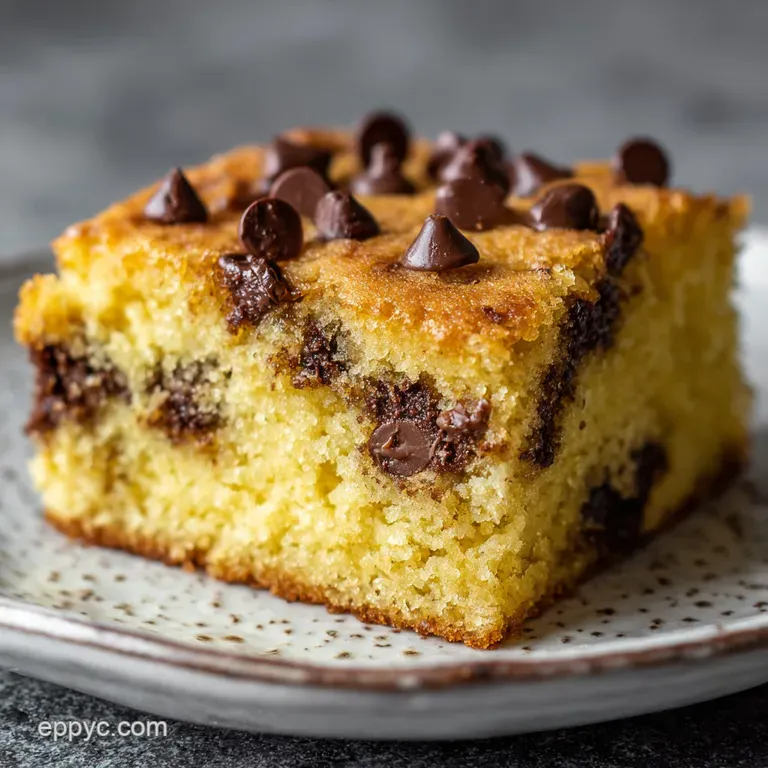
- Flavor/Texture Hook: Velvety, buttery crumb with a shatter crisp top and molten chocolate pockets.
- Perfect for: Last minute potlucks, easy weeknight treats, or beginner bakers.
- Enhancing Texture Through Fat Emulsification
- Analyzing the Essential Component Science
- Elements Required for This Recipe
- Necessary Tools for Success
- The Sequential Baking Process
- Troubleshooting Your Bake
- Scaling and Flavor Variations
- Debunking Common Kitchen Myths
- Storing and Repurposing Scraps
- Perfect Complements for Serving
- Recipe FAQs
- 📝 Recipe Card
Walking into my kitchen when these are in the oven is like getting a warm hug from my childhood. You know that specific, nostalgic aroma of a Duncan Hines yellow cake mix? It’s sweet, slightly buttery, and smells like every birthday party I ever went to in the 90s.
But honestly, as much as I love that nostalgia, I always found the standard box instructions a bit... thin. The texture was always too airy, almost like eating sweet clouds that disappeared the second they hit your tongue.
I wanted something with more weight, more bite, and a lot more attitude. After a few failed attempts where I ended up with greasy bricks, I finally cracked the code by playing with the fat sources.
This yellow cake mix recipe with chocolate chips creates an easy, irresistible dessert that tastes like you spent hours weighing out flour and tempering chocolate. It’s my go to when I have zero energy but a massive craving for something rich and decadent.
We’ve all been there where a recipe calls for something fancy and we just want to use what's in the pantry. This is that recipe, but with a few digital age tweaks that empower you to bake like a pro. Forget the vegetable oil and the water; we are going for full fat richness here.
The result is a bar that sits somewhere between a soft baked cookie and a dense blondie. Trust me on this, once you try the sour cream trick, you’ll never look at a box of mix the same way again.
Enhancing Texture Through Fat Emulsification
When we bake, we are essentially managing a tiny chemical laboratory. The magic of this specific recipe lies in how we manipulate the structure of the boxed mix to move away from "cakey" and toward "fudgy."
- Fat Density: Using 113g of melted butter instead of oil provides milk solids that brown in the oven, creating a much deeper flavor profile than neutral vegetable oils.
- Acidic Tenderizing: Sour cream contains lactic acid which breaks down long gluten strands, ensuring the bars stay soft rather than becoming bready or tough.
- Tannin Synergism: A tiny pinch of espresso powder contains tannins that bond with the chocolate's flavor molecules, making the cocoa taste more intense without adding a coffee flavor.
- Moisture Retention: The high fat content in the sour cream acts as a barrier, preventing the starch in the cake mix from drying out during the 25 minutes of baking.
Before we get into the mixing, let's look at how you might want to bake these based on your available time and equipment.
| Method | Time | Texture | Best For |
|---|---|---|---|
| Oven (Standard) | 25 minutes | Uniformly soft with a slight crust | Classic bar texture and batch cooking |
| Air Fryer (Small Batch) | 18 minutes | Extra crispy edges and gooey center | Quick cravings or halved recipes |
| Stovetop (Skillet) | 30 minutes | Dense, pudding like, and caramelized | Serving warm with ice cream |
Choosing your method depends on the vibe of your evening. If you’re after that classic bakery style square, the oven is your best friend. But if you’re looking for a crispy edged "skillet cookie" experience, don't sleep on the stovetop method using a heavy cast iron pan.
Analyzing the Essential Component Science
Every ingredient in that box was put there for a reason, but we’re going to give them a little help. We aren't just following instructions; we’re optimizing the digital blueprint of the recipe. If you’re looking for more ways to use these types of bases, check out the technique in our How to Bake recipe for kefir cake which also uses acidity to boost moisture.
| Ingredient | Science Role | Pro Secret |
|---|---|---|
| Yellow Cake Mix | Provides structure and leavening | Sift it first to remove those stubborn lumps that form in the box. |
| Full fat Sour Cream | Adds moisture and fat without thinning the batter | Always use room temperature cream to prevent the melted butter from seizing. |
| Espresso Powder | Flavor enhancer | Dissolve it in the vanilla extract first to ensure it distributes evenly through the dough. |
| Flaky Sea Salt | Sodium contrast | Sprinkle it on after baking so the crystals don't dissolve into the batter. |
The interaction between the eggs and the sour cream is what creates that velvety mouthfeel. By using large, room temperature eggs, we ensure they emulsify perfectly with the melted butter. If the eggs are cold, they might cause the butter to clump, leading to an uneven bake and oily spots in your bars.
Elements Required for This Recipe
Gathering your elements beforehand is the best way to ensure a stress free bake. We are using metric measurements here because precision is the hallmark of a great home cook. It’s about empowering yourself with the right tools for the job.
- 1 box (15.25 oz) Duncan Hines yellow cake mix: The base of our operations. Why this? It has the most consistent flavor profile for this specific hack.
- 113g Unsalted Butter: Melted and cooled slightly. Why this? Controls the spread and adds a rich, toasted aroma.
- 2 Large Eggs: Room temperature is non negotiable here. Why this? Provides the lift and structure for the bar base.
- 120g Full fat Sour Cream: Don't even think about using the low-fat version. Why this? The fat content is essential for that fudgy texture.
- 1 tsp Pure Vanilla Extract: Use the real stuff, not the imitation.
- 1/4 tsp Espresso powder: Just enough to wake up the chocolate chips.
- 255g Semi sweet chocolate chips: You can use chunks for more "pools" of chocolate.
- 1/2 tsp Flaky sea salt: For that high end bakery finish.
If you find yourself missing an ingredient, don't panic. Cooking is about flexibility. Use the table below to find a suitable swap that won't ruin your hard work.
| Original Ingredient | Substitute | Why It Works |
|---|---|---|
| Butter (113g) | Coconut Oil (113g) | Similar fat ratio. Note: Will add a slight tropical coconut scent. |
| Sour Cream (120g) | Greek Yogurt (Full fat, 120g) | Similar acidity and thickness, though slightly less rich. |
| Semi sweet Chips | Dark Chocolate Chunks | Higher cocoa content. Note: Will result in a less sweet, more bitter bar. |
Always remember that swaps can change the final result. For example, using Greek yogurt might make the bars slightly tangier, while coconut oil will give you a much softer, almost melt in-your mouth texture that doesn't hold its shape quite as well at room temperature.
Necessary Tools for Success
You don't need a professional kitchen, but having a few specific items will make your life much easier. Technology in the kitchen isn't always about gadgets; sometimes it's about using the right shaped pan for the heat distribution you need.
First, you'll want a 9x13 inch baking pan. A metal pan is preferred here because it conducts heat more rapidly than glass, helping those edges get that desirable "shatter" crunch. Second, grab some parchment paper.
Don't just grease the pan; line it with a "sling" so you can lift the entire block of bars out at once. It makes slicing so much cleaner.
A sturdy silicone spatula is also a must. This batter is thick much thicker than a standard cake batter. You’re going to be doing some serious folding, and a flimsy whisk just won't cut it. Finally,, a digital scale is your best friend.
Measuring by weight (grams) instead of volume (cups) ensures that your 120g of sour cream is exactly what the recipe needs for that precise moisture balance.
The Sequential Baking Process
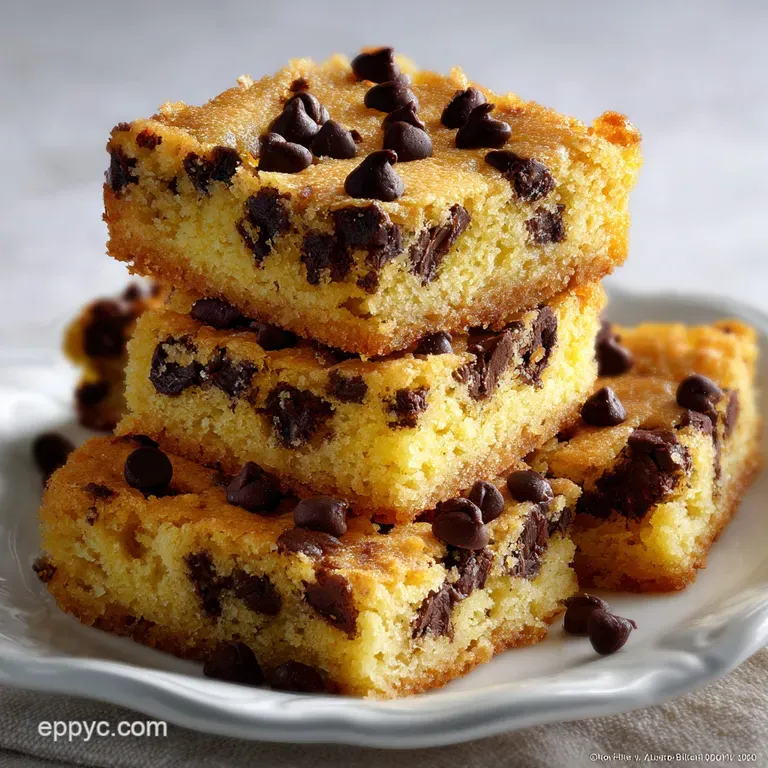
Now for the fun part. Let’s get these bars into the oven. Follow these steps closely, and pay attention to the sensory cues. If you're a chocolate fanatic, you might want to check out my Death by Chocolate recipe while these are in the oven!
- Preheat and Prep: Set your oven to 175°C. Line your 9x13 pan with parchment paper, leaving an inch of overhang on the sides. Note: This creates a "handle" for easy removal later.
- Melt and Cool: Melt the 113g of butter in a small bowl. Let it sit for 5 minutes until it’s warm to the touch but not sizzling hot.
- Mix the Liquids: In a large bowl, whisk the 2 eggs, 120g sour cream, vanilla, and espresso powder until smooth.
- Combine Fat: Slowly pour the cooled butter into the egg mixture while whisking constantly. Note: Slow integration prevents the eggs from scrambling.
- Add the Mix: Dump the entire box of yellow cake mix into the wet ingredients.
- Fold the Batter: Using your spatula, fold the dry mix into the wet until just combined. Stop when you see no more white streaks. Over mixing at this stage will make the bars tough.
- Incorporate Chips: Gently fold in 200g of the chocolate chips, saving the remaining 55g for the top.
- Press into Pan: Transfer the thick batter to the prepared pan. It will be sticky! Use the back of a damp spoon to press it into the corners.
- Final Topping: Sprinkle the remaining chocolate chips and the 1/2 tsp of flaky sea salt over the surface.
- The Bake: Slide the pan onto the center rack. Bake for 25 minutes until the edges are golden and the center is set but still slightly soft to the touch.
Don't be tempted to leave them in longer just because the center looks a bit "jiggly." They will continue to cook as they cool in the pan this is called carryover cooking. If you wait until the center is firm in the oven, you'll end up with dry bars once they cool down.
Troubleshooting Your Bake
Even the best of us hit a snag sometimes. If your bars didn't come out exactly as you hoped, it's usually a small technical error that’s easily fixed for next time.
Fixing Dry or Crumbly Bars
If your bars are falling apart or feel dry, the most likely culprit is over baking. Every oven is a little different, and even 2 minutes too long can zap the moisture. Another reason could be using low-fat sour cream or a light "cake" version of the mix which has less structural integrity.
Preventing Sunken Chocolate Chips
Nothing is more annoying than all your chocolate chips ending up at the very bottom. This happens if your batter is too thin or if the chips are too heavy. In this recipe, the batter should be thick enough to hold them, but if you're worried, try tossing the chips in a tablespoon of the dry cake mix before folding them in.
| Problem | Root Cause | Solution |
|---|---|---|
| Greasy surface | Butter was added while too hot | Ensure butter is cooled to room temperature before mixing. |
| Bars are too thin | Pan was too large | Use a strict 9x13 pan; a larger pan spreads the batter too thin. |
| Top didn't crisp | Oven temperature too low | Use an oven thermometer to verify your appliance is actually at 175°C. |
Common Mistakes Checklist ✓ Always use room temperature eggs to maintain a stable emulsion. ✓ Don't skip the parchment paper; these bars are high sugar and will stick. ✓ Measure your sour cream by weight to avoid adding too much liquid.
✓ Let the bars cool for at least 20 minutes before slicing to let the structure set. ✓ Avoid over mixing the batter once the dry mix is added to keep it tender.
Scaling and Flavor Variations
This recipe is incredibly versatile. If you want to change the scale or the flavor profile, it’s quite simple as long as you keep the ratios in check.
- Scaling Down (Half Batch)
- Use an 8x8 inch square pan. Use 1 egg, 56g butter, and 60g sour cream. Reduce the bake time by about 5 minutes.
- Scaling Up (Double Batch)
- Bake in two separate 9x13 pans. Don't try to double the recipe in one deep pan, or the edges will burn before the middle is cooked.
- The "Double Chocolate" Variation
- Swap the yellow cake mix for a devil's food cake mix. Keep all other measurements the same. The sour cream works beautifully with the extra cocoa in the chocolate mix.
| Ingredient Upgrade | Flavor Impact | Savings/Cost |
|---|---|---|
| Standard Chips | Sweet and familiar | Budget friendly |
| Guittard/Valrhona Chunks | Deep, complex, and "pools" of chocolate | Premium (+ $4-6) |
| Hand chopped Bars | Irregular texture and varied melt | Mid range |
If you want to turn these into "Duncan Hines yellow cake mix chocolate chip cookies," simply reduce the sour cream to 60g and add an extra 30g of flour to the mix. Scoop them onto a baking sheet and bake for 10-12 minutes.
They won't be as fudgy as the bars, but they'll be the best cake mix cookies you've ever had.
Debunking Common Kitchen Myths
There are a few myths floating around about box mixes that we need to clear up. First, many people think you must follow the back of the box to get a good result. That’s just not true. The box instructions are designed for the lowest common denominator someone with just a bowl and a spoon.
By using our "digital" mindset to upgrade the fats, we are overriding the basic software for a better result.
Another myth is that you can't over mix cake mix because it's "processed." In reality, the mix still contains wheat flour with gluten. If you beat the batter for 5 minutes, you’ll develop that gluten and end up with a rubbery, tough bar. Mix until "just combined" is the golden rule for a reason.
Storing and Repurposing Scraps
These bars are quite hardy, which makes them great for gifting or meal prepping your treats for the week.
- Storage: Keep them in an airtight container at room temperature for up to 4 days. If it's particularly humid, move them to the fridge after day 2 to keep the chocolate from getting tacky.
- Freezing: These freeze like a dream. Wrap individual bars in plastic wrap, then place them in a freezer bag. They’ll stay fresh for up to 3 months. Just thaw at room temperature for 30 minutes before eating.
- Zero Waste Tip: If you have crispy edge scraps or crumbs, don't throw them away! Toast them in a pan for 2 minutes and use them as a "crunch" topping for vanilla ice cream or layer them into a yogurt parfait.
Perfect Complements for Serving
While these bars are a powerhouse on their own, serving them correctly can really empower the experience. If you’re hosting a summer gathering, these pair beautifully with a fruit forward dessert like the one in my How to Bake recipe for cherry cake. The tartness of the cherries cuts right through the buttery richness of the yellow cake mix bars.
Alternatively, serve them warm with a scoop of cold salted caramel gelato. The temperature contrast between the warm, molten chocolate and the freezing gelato is a sensory experience you won't forget. If you're keeping it simple, a cold glass of oat milk or a strong espresso is the classic way to go.
Whatever you choose, these bars are guaranteed to be the star of the show. Right then, let's get baking!
Recipe FAQs
What can I add to a yellow cake mix to make it chocolate?
Add cocoa powder and extra chocolate chips. For a chocolate flavor boost, incorporate 1/4 cup of unsweetened cocoa powder into the dry mix. You can also add an extra cup of chocolate chips to the batter and on top for intensified chocolate goodness, similar to the technique used to deepen flavors in our Homemade Hot Chocolate Mix: Rich, Creamy, Ready in 10 Minutes.
How to upgrade a box of yellow cake mix?
Replace oil with melted butter and add sour cream. Swapping the vegetable oil called for on the box with melted butter adds richness and a better crumb structure. Incorporating a few tablespoons of full fat sour cream introduces moisture and a tender texture, moving beyond a basic cake to something more decadent.
What is the secret to a moist yellow cake?
Don't overbake and use acidic dairy. The key is to pull the cake out when the edges are set but the center still looks slightly soft. Overbaking is the number one killer of moisture.
Using ingredients like sour cream or yogurt adds fats and acids that tenderize the crumb and help it retain moisture longer.
How can I add flavor to my yellow cake mix?
Enhance with extracts, spices, and other additions. Beyond cocoa, consider adding a teaspoon of vanilla extract, a pinch of cinnamon, or even a bit of espresso powder to deepen any chocolate notes. You can also fold in citrus zest or a splash of coffee for complex flavors, much like the flavor balancing in our Decadent Tres Leches Cake: How to Make a Cake of Tres Leches.
Can I use melted butter instead of oil in a yellow cake mix?
Yes, it generally yields a richer result. Melted butter replaces the oil with a 1:1 ratio, but introduces milk solids that can brown, adding a slightly nutty, deeper flavor and a more tender crumb compared to the often lighter texture from oil.
This swap is a fantastic way to upgrade the base flavor profile.
How do I make my yellow cake mix taste more homemade?
Upgrade the liquid and fat components. Instead of water and oil, use milk or buttermilk for the liquid and melted butter or even Greek yogurt for the fat. These substitutions introduce richer flavors and a more complex, less artificial texture that significantly elevates the "homemade" feel, similar to how thoughtful ingredient choices enhance our How to Make Fluffy Brown Rice Flour Pancakes: A Delicious Morning Treat.
What is the best chocolate to add to yellow cake mix?
Semi sweet chocolate chips or chunks offer great balance. For a classic yellow cake base, semi sweet chocolate chips provide a perfect contrast to the cake's sweetness without being too bitter.
If you want larger pockets of gooey chocolate, consider using chocolate chunks, which melt slower and hold their shape better during baking.
Yellow Cake Mix Chocolate
Ingredients:
Instructions:
Nutrition Facts:
| Calories | 176 kcal |
|---|---|
| Protein | 1.8 g |
| Fat | 9.9 g |
| Carbs | 21.2 g |
| Fiber | 0.8 g |
| Sugar | 14.6 g |
| Sodium | 108 mg |
