Chewy Coconut Cookies: Soft and Fudgy
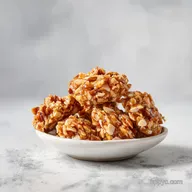
Shredded coconut provides both flavor and a unique chewiness in these golden drops, making them a great alternative to standard sugar cookies.
toasted coconut flakes
Cookies are a staple of the home kitchen because they offer quick results with minimal equipment. Most varieties rely on a simple base of flour, sugar, and fat, but small adjustments in ratios can lead to vastly different results.
Whether you prefer a soft, chewy oatmeal cookie recipe or a crisp shortbread, the variety of textures available makes them suitable for everything from lunchboxes to holiday parties.
The trick to a successful batch often lies in temperature management. Chilling dough before baking helps prevent spreading, while using room-temperature ingredients ensures a smooth, even batter. This collection covers everything from standard pantry-pull recipes to specialized French macarons and no-bake pralines.
Drop cookies are the backbone of home baking because they require no rolling pins or complex shaping. These varieties rely on pantry staples like oats, peanut butter, and shredded coconut to provide structure. The result is typically a softer, more rustic cookie that comes together in a single bowl.
When baking these, pulling them out of the oven while the centers still look slightly underdone is the key to maintaining a soft bite. They will continue to set on the hot baking sheet for several minutes after they are removed from the heat.
Shredded coconut provides both flavor and a unique chewiness in these golden drops, making them a great alternative to standard sugar cookies.
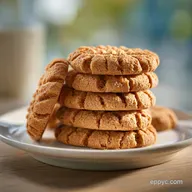
toasted coconut flakesA simple peanut butter cookie recipe that skips the complex steps, resulting in a soft, crumbly texture with the classic fork-pressed pattern.
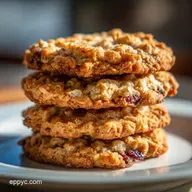
soft peanut butter baseThis chewy oatmeal cookie recipe uses a high ratio of oats to flour for a dense texture that stays soft for days after baking.
thick and chewy oatsSpecial occasions often call for cookies with more distinct flavors and textures. These recipes use ingredients like maraschino cherries, pistachios, and condensed milk to create visually appealing treats.
They are particularly popular during the holidays when a variety of colors and shapes are needed for gift platters.
Shortbread and snowball-style cookies benefit from a delicate touch. Overworking the dough can lead to a tough texture, so it's best to mix until the ingredients are just combined to keep the crumb light and buttery.
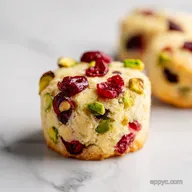
This shortbread combines the salty crunch of pistachios with tart dried cranberries for a sophisticated balance that isn't overly sweet.
buttery shortbread textureAlmond extract and chopped cherries create a bright, vintage-inspired flavor profile in these colorful cookies that are ready in just over half an hour.
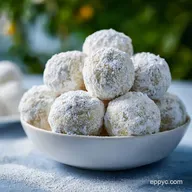
maraschino cherry bitsCondensed milk acts as the primary sweetener and binder in these quick snowballs, creating a milky, melt-in-your-mouth finish without needing eggs.
three-ingredient baseNot every cookie requires a traditional baking path. No-bake options provide a chewy, candy-like texture without turning on the oven, which is helpful in warmer months or when oven space is limited. Other varieties, like French macarons, focus on technical precision to achieve a specific airy crunch.
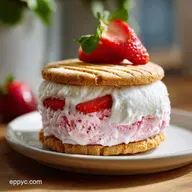
For frozen treats like ice cream sandwiches, the cookie must be formulated to stay pliable even at low temperatures. Using specific ratios of cocoa and fat prevents the sandwich from becoming too hard to bite once it is fully assembled and frozen.
These praline-style cookies are set on the stovetop, combining pecans and coconut for a chewy, candy-like treat that requires no oven time.
no-bake pecan crunchThe chocolate cookies here are specifically designed to stay soft even when frozen, ensuring they don't crumble when bitten alongside vanilla ice cream.
fudgy cookie sandwichFrench macarons require a bit more patience, but this guide helps you achieve the characteristic ruffled feet and smooth tops for elegant homemade gifting.
delicate almond flour shells| # | Recipes | Best For | Time | Difficulty |
|---|---|---|---|---|
| 1 | Chewy Coconut Cookies Recipe: Golden | coconut lovers | 20 mins | Easy |
| 2 | Cookies and Peanut Butter Recipe: 20 Min | quick weeknight baking | 20 mins | Easy |
| 3 | Oatmeal Cookie Recipe: Thick and Chewy in 45 Mins | thick and chewy texture | 45 mins | Easy |
| 4 | Cranberry Pistachio Shortbread for 24 | sophisticated gifting | 1h 32m | Medium |
| 5 | Almond Cherry Cookies in 32 Minutes | bright holiday colors | 32 mins | Medium |
| 6 | Condensed Milk Snowballs in 22 Minutes | minimal ingredients | 22 mins | Easy |
| 7 | Coconut Pecan Praline Cookies: Chewy | no-oven baking | 2h 25m | Easy |
| 8 | Ice Cream Sandwich: Fudgy Cookie, 12 Servings | summer entertaining | 4h 30m | Medium |
| 9 | Beths Foolproof Macarons Recipe: Silky Shells for 26 Servings | technical skill building | 1h 10m | Hard |
Discover more curated recipe collections
Explore more recipe collections →