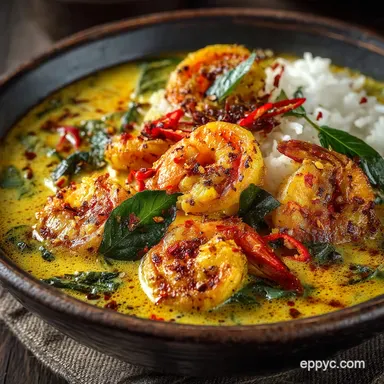
The Great Coastal Coconut Shrimp Curry the 20Minute Weeknight Wonder
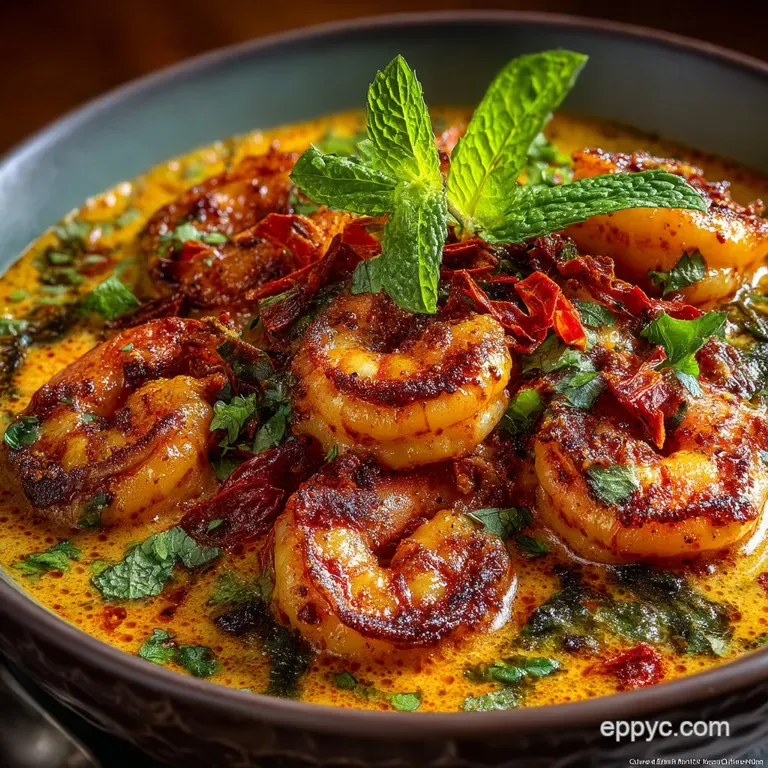
Why This 20-Minute Shrimp Curry Changes Everything
If you’re seeking a deeply satisfying, vibrant dinner that doesn’t require hours of stovetop supervision, look no further than this extraordinary shrimp curry recipe .
Originating from the coastal regions of South India, this quick-cooking version harnesses high-impact aromatics to deliver a complex flavour profile in just 30 minutes, total.
Unlike heavier, cream-laden sauces, this preparation is bright, balanced, and perfectly complements the delicate sweetness of the prawns. It’s the ultimate weeknight solution for anyone craving authentic flavour without the fuss.
What Defines a Keralan-Style Coconut Curry?
This specific preparation draws inspiration from the Keralan Moilee , establishing itself firmly as an authentic shrimp curry indian classic.
The hallmark of this style is the essential process of tempering —starting the dish by popping whole spices in hot oil to infuse the base fat with powerful aromatics, combined with the luxurious sweetness of full-fat coconut milk.
Crucially, the flavour profile relies on a triumvirate of heat (green chilies), fragrance (fresh curry leaves and mustard seeds), and a vital citrus finish (lime juice). While many associate Indian curry with tomato bases, this coastal variant champions the creamy texture of the shrimp curry coconut milk sauce, offering a lighter, brighter culinary experience distinct from Northern Indian or even richer shrimp curry thai styles.
The Secret to Achieving Deep Flavor in Minimal Time
The magic of this speedy shrimp curry is threefold, relying entirely on proper technique rather than lengthy simmering. First, success requires blooming the ground spices (turmeric, coriander, Kashmiri chilli powder) directly in the hot oil immediately after the ginger and garlic are fragrant.
This crucial 60-second step cooks out the raw taste of the spices, allowing the fat to extract maximum flavour and brilliant colour, which is impossible to achieve by simply stirring them into the liquid later. Second, using stock to deglaze the pan introduces essential complexity before the coconut milk is added.
Finally, the shrimp itself cooks in a mere 2 to 4 minutes, ensuring that all the aromatic effort is preserved in a sauce that tastes like it simmered for hours.
Is Shrimp Curry Healthy? A Quick Nutritional Snapshot
When prepared using this traditional shrimp curry recipe indian method, the dish is surprisingly beneficial. The foundation of lean protein from the prawns (about 35g per serving) makes it incredibly satiating.
While we insist on using full-fat coconut milk for flavour and texture, the fat composition is largely plant-based. Shrimp itself provides important nutrients like iodine, phosphorus, and B vitamins.
Given the focus on fresh aromatics and the lack of heavy starches within the sauce itself, this is a nutrient-dense and satisfying meal, estimated to clock in between 420 and 480 calories per serving (excluding rice).
Assembling Your Aromatic Arsenal: What You Need
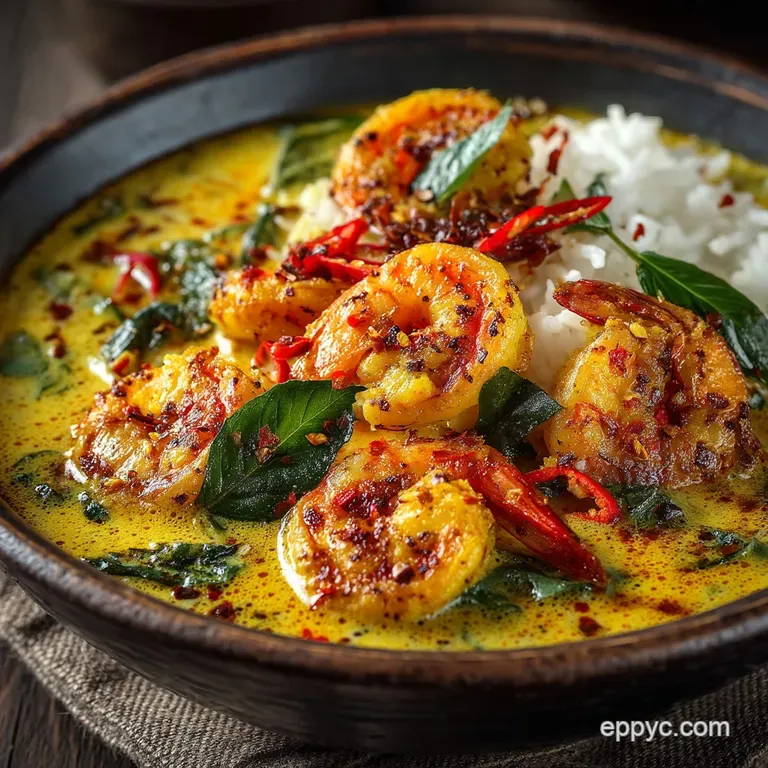
To execute this dish flawlessly, meticulous ingredient sourcing and preparation, mise en place, is vital, particularly because the actual cooking time is so brief.
Sourcing the Best Prawns (Fresh vs. Frozen Debate)
For the ideal texture and flavour in your coastal dish, aim for approximately 1.5 lbs (680g) of large, peeled and deveined prawns, ideally 21/25 count. While fresh is always preferred, high-quality frozen shrimp often surpass poor-quality "fresh" shrimp that has been sitting on ice for days.
If starting with frozen, ensure they are fully defrosted and, critically, patted thoroughly dry before cooking. Adding wet shrimp to the simmering sauce lowers the temperature rapidly and dilutes the flavour.
The Role of Mustard Seeds and Curry Leaves (Essential Aromatics)
The signature flavour of this curry, the very heart of the shrimp curry indian profile, comes from the essential aromatics: whole black mustard seeds and fresh curry leaves. These ingredients are non-negotiable for authenticity.
When the mustard seeds hit the hot oil, they pop and release a sharp, nutty aroma, while the fresh curry leaves, which must be fresh (dried substitutes simply won't suffice), release an incomparable perfume, adding depth to the oil before the onions and chillies are added.
This initial tempering sets the stage for the entire dish.
Substitutions and Pantry Staples for the Perfect Coconut Base
The base of this amazing shrimp curry coconut milk is a single can (13.5 oz) of full-fat coconut milk. Using a light version is strongly advised against, as the fat content is essential both for flavour delivery and achieving the desirable creamy viscosity.
If you absolutely require a shrimp curry without coconut milk (perhaps due to allergy), full-fat heavy cream is the best substitute in terms of richness, though it will dramatically alter the regional flavour, transforming it into a richer, less coastal dish.
Stock (chicken or vegetable) is also required to deglaze the pan and build initial moisture before the coconut milk is introduced.
Quick-Prep Tools: Kitchen Equipment Checklist
Because the cooking process is rapid and precise, having your equipment ready is key. You will need a heavy-bottomed pot or Dutch oven, which is essential for conducting and retaining heat evenly during the tempering process and preventing the milk from scorching during the simmer.
A fine grater or microplane is highly recommended for quickly processing the fresh ginger and garlic, ensuring they release maximum flavour into the hot oil.
Related Recipes Worth Trying
- The Ultimate Creamy Lowcountry Shrimp and Grits Recipe — Nail this classic Southern Shrimp and Grits recipe Learn the secret to ultracreamy grits and a rich smoky bacon gravy your family will adore
- The Best Homemade Shrimp Linguine Alfredo Recipe 35 Mins — Forget the takeaways This foolproof Shrimp Linguine Alfredo recipe yields a truly silky rich sauce that tastes miles better than storebought Easy steps inside
- The Best RestaurantStyle Shrimp Fettuccine Alfredo — Achieve that perfect velvety Shrimp Fettuccine Alfredo sauce from scratch This easy recipe guarantees a creamy lumpfree coating every time Your new...
How to Execute This Lightning-Fast Shrimp Curry
Achieving success with this medium-difficulty recipe is about precision timing and attention to heat management.
The Tempering Technique: Popping the Mustard Seeds and Chilies
The cooking starts with the high heat tempering (Tadka). Once your neutral oil is shimmering in the heavy-bottomed pot, add the whole black mustard seeds (and fenugreek, if using). Wait patiently, about 30 seconds, until they begin to pop and splatter vigorously.
Immediately follow this with the fresh curry leaves. Once the leaves are crisp (be cautious, they will spatter!), quickly introduce the diced yellow onion and sliced green chilies. Sauté until the onion is translucent, ensuring the aromatics form a fragrant and perfectly cooked foundation for the sauce.
Simmering the Coconut Milk Base to Build Depth
After the initial aromatics soften, minced ginger and garlic are added and cooked until fragrant. Then, the magic happens: the heat is reduced, and the ground spices (turmeric, coriander, Kashmiri chilli powder) are stirred directly into the hot fat for 60 seconds. This step blooms the spices.
Deglaze the pot with the stock, scraping the pan clean, then introduce the full can of coconut milk. Stir the mixture thoroughly to combine the concentrated spice paste into the liquid and bring it to a gentle simmer.
Allow the base to thicken slightly over 3 to 5 minutes before the final addition.
The Final 3 Minutes: Adding the Shrimp and Finishing Touches
This stage demands keen attention, as it is the make-or-break moment for your protein. Increase the heat slightly to maintain a gentle simmer and add the prepared shrimp. They require a remarkably short cook time, only 2 to 4 minutes, until they curl into a characteristic 'C' shape and turn opaque pink.
Immediately remove the pot from the heat to prevent residual heat from overcooking the prawns into a rubbery texture. The final step is crucial for balance: stir in fresh lime juice, salt, and a touch of sugar to cut through the richness of the coconut milk and elevate the entire dish.
Optimizing Your Meal: Pairing and Prep Tips
A great curry is elevated by its supporting cast. Strategic pairing and smart prep ensure the ultimate dining experience.
What to Serve Alongside Your Creamy Coastal Shrimp Dish
The rich, creamy texture of this coastal prawn dish demands a neutral vehicle to absorb the sauce. Steamed Basmati shrimp curry with rice is the classic and arguably mandatory pairing. For soaking up the very last spoonfuls, warm flatbreads like Naan or Roti are essential.
To provide a cool contrast to the warmth of the chilies and ginger, a simple Raita (yogurt mixed with cucumber and mint) provides a refreshing counterpoint, completing the authentic South Indian meal.
Storing and Reheating Leftovers Safely
Due to the short cooking time of the shrimp, this dish is best enjoyed immediately. However, leftovers can be stored safely in an airtight container in the refrigerator for up to three days.
When reheating seafood curry, do so gently on the stovetop over low heat, ensuring it reaches a safe temperature without boiling vigorously. Rapid reheating will likely cause the delicate shrimp to seize up and become tough.
Recipe Variations: Making the Dish Vegan or Adding Bulk
While this is a specific shrimp curry recipe , the sauce base is incredibly versatile. For those looking to increase the volume or make it more substantial, this recipe works beautifully as a shrimp curry with vegetables .
Try adding cubed sweet potato or butternut squash along with the coconut milk, allowing 10–12 minutes for them to soften before the quick-cooking shrimp are introduced. Alternatively, firm white fish fillets (like cod or halibut) can be cubed and used in place of the shrimp.
For a flavour twist, incorporating a touch of under-ripe mango provides an authentic South Indian sweet-and-sour complexity.
Calorie Breakdown and Comprehensive Nutrition Facts
Based on four generous servings, this dish provides an excellent balance of protein and healthy fats. Each serving (excluding sides like rice or bread) is estimated to contain between 420 and 480 calories.
It is high in protein (around 35g) thanks to the shrimp, and features approximately 30g of total fat, with saturated fat being largely derived from the beneficial full-fat coconut milk.
The carbohydrate count is low at roughly 10g, making this a satisfying and flavourful meal that doesn’t compromise on nutritional quality.
Recipe FAQs
I'm terrified of rubbery prawns! How do I ensure my Shrimp Curry is perfectly cooked?
Ah, the eternal struggle! Overcooked shrimp is a culinary tragedy, turning that beautiful protein into something resembling pencil erasers. The secret lies in the timing, they only need 2 to 4 minutes maximum in the hot sauce.
Watch for the visual cues: as soon as the shrimp turn opaque pink and curl into a gentle 'C' shape, they are done. If they curl into a tight 'O' shape, they've gone too far. As soon as they are ready, whip the pot off the heat instantly; the residual heat will finish the cooking process.
That full-fat coconut milk sounds decadent, is this a healthy dish, or should I treat it as a splurge?
It definitely feels like a treat, but rest assured, this is a nutritious powerhouse. While we insist on full-fat coconut milk for flavour (no messing about with watery sauces!), the fat content consists largely of healthy MCTs.
Shrimp provides lean protein and omega-3s, and the spices are loaded with antioxidants like turmeric. To keep it balanced, serve it with brown basmati rice or load up on sides like steamed green beans or broccoli, rather than relying solely on hefty Naan bread.
I can’t find fresh curry leaves or Kashmiri chilli powder. Will the curry taste rubbish if I substitute?
Listen, fresh curry leaves are non-negotiable for this recipe; they provide that unique, slightly citrusy aroma that defines this coastal style. If you can't find them, it might be better to skip them entirely than use dried ones, which taste of little more than dust.
For the Kashmiri chilli powder, this mainly adds deep red colour without excessive heat. You can substitute it easily by mixing 1 tsp of sweet paprika with a pinch (literally a whisper!) of cayenne pepper for a similar effect, though you'll lose a little bit of that vibrant shade.
Can I make this curry ahead of time, or does it freeze well for a rainy day?
You’re smart to meal prep, but shrimp and fish don't usually appreciate being reheated. The best approach is to prepare the curry sauce completely (Stage 1 through 9) and stop before adding the shrimp.
You can store this base sauce in the fridge for up to 3 days or freeze it for a month. When ready to serve, simply thaw the sauce, bring it to a simmer, and then cook your fresh shrimp right before serving. Leftovers with the shrimp already in should be consumed within 24 hours.
I want to bulk this out with some vegetables. What additions won’t take forever to cook?
Adding vegetables is a smashing idea! Since the cooking time for the shrimp is so short, you need ingredients that either cook quickly or can simmer for a while without falling apart.
Try adding diced bell peppers (capsicum) or courgette (zucchini) during Stage 2 along with the onions, giving them time to soften. If you fancy sturdier veg like sweet potato or cauliflower, add those right when you pour in the coconut milk, allowing them 10 minutes to become tender before introducing the prawns.
Creamy 20Minute Indian Shrimp Curry Recipe with Coconut Milk