Curry and Shrimp: the Quick Coconut Lime Weeknight Supper

- The 30 Minute Coastal Delight: Quick Coconut and Lime Curry
- Essential Pantry Staples for Your Curry and Shrimp Base
- The Method: Executing the Quick Coconut & Lime Shrimp Curry
- Culinary Science Unpacked: Mastering the Texture and Flavor Balance
- Troubleshooting and Advanced Techniques for Curry Mastery
- Meal Prep Strategy: Storing Leftovers Safely
- Perfect Pairings: What to Serve with Your Quick Curry and Shrimp
- Recipe FAQs
- 📝 Recipe Card
The 30 Minute Coastal Delight: Quick Coconut and Lime Curry
If there is one aroma that can instantly transport you, it’s the sweet, earthy fragrance of Madras curry powder hitting hot oil. This isn't just dinner; it’s an invitation, a warm welcome home after a seriously long day, promising lush, creamy texture and a bright, lime fueled kick.
I swear, the smell alone makes you happier.
We all need weeknight heroes, recipes that look like they took hours but are actually done faster than the delivery driver can ring your bell. This quick curry and shrimp recipe is my ultimate MVP because it uses mostly pantry staples, cooks the protein in four minutes flat, and is genuinely cheap to scale up.
It’s comforting, satisfying, and uses those amazing large shrimp that feel like such a treat.
Forget overly complicated techniques or massive ingredient lists that require three separate supermarket trips. We are streamlining the process, maximizing flavor through specific cooking techniques, and getting this delicious curry and shrimp on the table, stat.
Let’s get our aprons on and crack on with the good stuff.
Setting the Stage: Why This Quick Curry and Shrimp Recipe Triumphs on Weeknights
This specific curry and shrimp preparation works because it respects the delicate nature of the protein while building an intensely flavorful sauce base. The core logic here is sequential heat: we build the deep, earthy spice foundation first, simmer the creamy coconut sauce second, and only add the shrimp right at the very end.
The high heat of the already finished sauce cooks the shrimp perfectly in about the time it takes to toast a slice of bread.
Defining the Flavor Profile: Sunshine in a Bowl
Think of this flavor profile as a perfect balance between comfort and brightness. It has the satisfying warmth of the spices thanks to the deep, golden turmeric and fragrant curry powder but it is dramatically lifted by the fresh ginger and the late addition of lime juice.
That final squeeze of fresh citrus is non-negotiable, providing the critical acid needed to cut through the richness of the full fat coconut milk. It truly tastes like sunshine.
The Essential Tools for Speedy Success
You really don't need much fancy gear for this recipe, which is part of the appeal. The most crucial tool is a large, deep skillet or Dutch oven (a 3 quart minimum is ideal).
You need the wide surface area to ensure even sautéing of the aromatics and to allow the curry sauce to simmer and thicken quickly. Using a pan that’s too small crowds the ingredients and can lead to uneven cooking, and nobody wants watery sauce.
Essential Pantry Staples for Your Curry and Shrimp Base
This is where the magic happens; we take simple, everyday ingredients and make them shine. I always keep full fat coconut milk and good quality curry powder stocked just for moments like this.
| Ingredient | Why it's Essential | Viable Substitute |
|---|---|---|
| Large Shrimp (Prawns) | Cooks fast, absorbs flavor well. | Firm white fish (cod, halibut) cut into 1" cubes. |
| Madras Curry Powder | Warm, medium heat, deep color. | Good quality Garam Masala (it will be sweeter) or Thai Yellow Curry Paste. |
| Full Fat Coconut Milk | Creaminess, rich mouthfeel, prevents splitting. | Heavy Cream or Cashew Cream (soak and blend cashews). |
| Fresh Ginger | Essential aromatic and bright lift. | 1/2 tsp ground ginger (but fresh is truly best!). |
| Canned Diced Tomatoes | Bulk, acidity, and structure for the sauce. | Canned crushed tomatoes for a smoother sauce texture. |
Selecting the Best Shrimp: Fresh vs. Frozen Considerations
The best curry and shrimp always starts with properly handled shrimp. Honestly, unless you live right on the coast, frozen shrimp is usually the better, safer bet because it's flash frozen immediately after harvesting.
If you use frozen, you must thaw it completely overnight in the fridge or rapidly under cold running water. The key, whether fresh or thawed, is the preparation: peel, devein, and pat them bone dry. Seriously, use a ton of paper towels.
The Full Fat Difference: Why Quality Coconut Milk Matters
Listen, I made the mistake of trying to go ‘lite’ once, trying to save a few calories, and the resulting curry was thin, sad, and prone to separating. Full fat coconut milk is the only way to go here.
The high fat content is what gives the sauce its luxurious thickness and creamy texture, acting as a stabilizer for the whole dish. Don’t shake the can too vigorously before opening; sometimes scooping the thick, solid cream from the top first and whisking it in later helps.
Optimizing Aromatics: Fresh Ginger and Garlic Preparation
Don't be tempted to use dried garlic powder or jarred ginger paste; we need the punchy fragrance of the fresh stuff. Use a microplane or fine grater for your fresh ginger it gives you a smooth paste that dissolves beautifully into the oil, preventing any fibrous chunks. We want flavor, not chewiness.
Spice Swap Guide: Madras vs. Other Curry Powder Blends
I prefer Madras curry powder for this quick recipe because it offers a great medium level heat and a complex profile (usually including fenugreek and fennel). If you want something hotter, look for a Jamaican style curry powder; if you want something much milder and sweeter, a basic yellow curry powder works great.
Whatever you choose, make sure it’s a reasonably fresh container. Spices lose their potency quickly, so if that tin has been hiding in your cabinet for five years, it’s time to toss it.
The Method: Executing the Quick Coconut & Lime Shrimp Curry
Ready? This is going to be quick. Time management is everything here, so have all your ingredients measured and chopped before you light the burner.
Building the Flavor Foundation: Sautéing the Aromatics
Start by heating your oil over medium high heat and sautéing the diced yellow onion until it becomes completely translucent and soft. Next, add the minced garlic and grated ginger, cooking for just one minute.
You are looking for a highly fragrant environment— you do not want the garlic to brown, which will make it bitter.
Simmering the Sauce: Achieving the Ideal Consistency
Reduce the heat slightly and add your curry powder and turmeric. This is the crucial step: blooming the spices. Stir them constantly in the hot oil for 30 60 seconds. You’ll notice the color deepens dramatically and a nutty aroma fills the kitchen. That’s flavor unlocked!
Pour in the canned tomatoes and stock, scrape up any bits on the bottom (that's called deglazing), and stir in the full fat coconut milk. Let this simmer gently, uncovered, for 5– 7 minutes until it slightly coats the back of a spoon.
The Final Touch: Adding Shrimp and Acid
Turn the heat down to low. Add your well dried, seasoned shrimp to the simmering sauce. Stir just once to coat them. The shrimp only needs 3– 4 minutes, tops. They will turn from grey and translucent to pink and opaque, curling into a gentle ‘C’ shape.
The second they reach that point, kill the heat immediately. Remove the pan from the burner.
Chef’s Note: Cooking the shrimp off the direct heat relying on the residual heat of the hot sauce is your safety net against rubbery protein.
Garnish and Rest: The Crucial Final Minute
Now, squeeze in that fresh lime juice. Trust me, it makes a huge difference. Taste the sauce and adjust the seasoning a pinch more salt or maybe another little dash of lime. Ladle into bowls and garnish generously with fresh coriander (cilantro). Let it rest for a minute while you grab your rice or bread.
Culinary Science Unpacked: Mastering the Texture and Flavor Balance
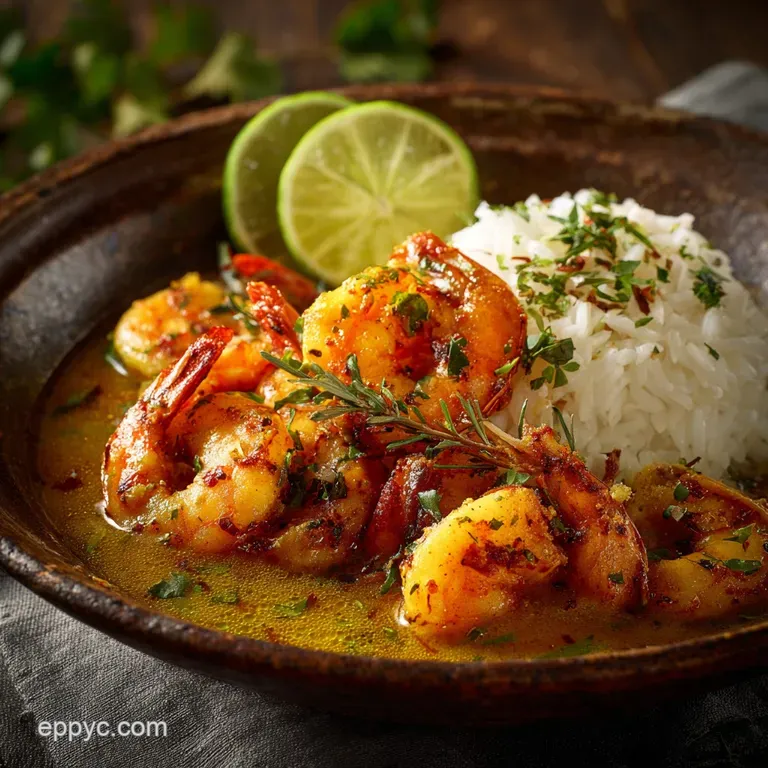
Preventing Rubber Shrimp: Perfecting the Protein Timing
This is the number one mistake I used to make! Shrimp is basically pure muscle protein, and once it hits that threshold of done ness, it contracts tightly, forcing out moisture, which results in that terrible, rubbery texture. The solution is timing.
Keep the heat low when you add them, and watch for that color change. If the shrimp curls into a tight little 'O' shape, you’ve gone too far. Aim for the soft 'C'.
Acid & Fat Dynamics: How Coconut Milk and Lime Create Depth
The reason this dish tastes so balanced is the intentional interaction between fat and acid. Coconut milk brings a soothing richness that carries the spice, but if you don't add the lime juice, the whole dish tastes flat and heavy.
The lime juice brightens the curry, cuts through the fat, and makes the flavor linger pleasantly on the palate.
Avoiding the Curdle: Heat Management for Coconut Milk
Coconut milk can sometimes "split" or curdle if subjected to a rolling boil or rapid temperature change. To avoid this, always add the coconut milk when the heat is medium or lower, and only allow the sauce to reach a gentle, rolling simmer , never a hard boil.
Once the shrimp is added, the heat should be reduced even further or turned off entirely.
Troubleshooting and Advanced Techniques for Curry Mastery
Fixing Undercooked or Overcooked Shrimp
If your shrimp is slightly underdone (still translucent grey in the middle), simply cover the pan and let it sit off the heat for 2– 3 minutes; the residual heat will finish the job. If it’s overcooked (rubbery), sadly, there is no fix.
Lesson learned: Next time, cook for 30 seconds less.
Reheating Curry Without Compromising Texture
Curry with seafood is notoriously tricky to reheat successfully. The secret is low and slow. Place the leftover curry in a saucepan and reheat it over very low heat , stirring occasionally until just warmed through.
Never microwave it on high, as that high, sudden heat is guaranteed to turn the shrimp into tiny, tough rocks.
Best Practices for Freezing Curry (and the Seafood Exception)
You can absolutely freeze the sauce base (Steps 1 7) before the shrimp is added! Freeze it in an airtight container for up to three months. However, I strongly advise against freezing the sauce once the shrimp is in it. Freezing and then reheating seafood almost always ruins the texture.
If you want to meal prep, freeze the sauce, thaw it, bring it to a simmer, and then cook the fresh shrimp in the sauce just before serving.
Meal Prep Strategy: Storing Leftovers Safely
This curry is fantastic the next day, assuming you didn't overcook the shrimp initially. Store the cooled curry in an airtight container in the refrigerator for up to 3 days. Since this dish contains seafood, always err on the side of caution with leftovers. When in doubt, toss it out.
Perfect Pairings: What to Serve with Your Quick Curry and Shrimp
The rich, slightly sweet sauce begs for something neutral to soak it all up.
- Classic Comfort: Serve it over perfectly steamed Basmati rice.
- The Bread Route: Warm Naan is always perfect for scooping up every last drop. If you are gluten-free, serving this alongside a slice of my gluten-free Bread Recipe: The Best Psyllium Husk Loaf for Sandwiches is surprisingly satisfying.
- Vegetable Balance: Offer a simple side of roasted asparagus or a refreshing cucumber mint raita. For a heavier vegetarian side dish, the robust, dry texture of Aloo Gobi: Authentic Punjabi Dry Curry with Perfect Texture provides a wonderful textural contrast.
Recipe FAQs
Why did my curry sauce come out too thin or watery?
If your curry is too thin, it may be due to using light coconut milk or not allowing enough time for the sauce to reduce. To thicken it, simmer the curry uncovered for an additional 5-10 minutes, allowing steam to escape and the sauce to naturally concentrate.
For an immediate fix, mix 1 teaspoon of cornstarch with 1 tablespoon of cold water, stir the slurry into the simmering curry, and cook for one minute until the sauce becomes glossy and thickens.
Can I use frozen shrimp instead of fresh for this recipe?
Yes, frozen shrimp works perfectly well, but ensure they are fully thawed and patted very dry before adding them to the pan. If the shrimp retains too much moisture, it will dilute the sauce and inhibit the proper searing of the protein.
Keep an eye on the cooking time, as thawed shrimp tend to cook slightly faster than fresh, requiring only 2-3 minutes total to prevent them from becoming rubbery.
What is the best way to adjust the spice level?
To increase the heat, add a thinly sliced bird's eye chili or a generous pinch of cayenne pepper when you sauté the aromatic ingredients (ginger, garlic, etc.). If you prefer a milder flavor, ensure you use a mild variety of Madras curry powder and omit any optional ingredients like chili flakes or additional fresh ginger.
Remember that most of the heat comes from the added chili and the curry powder blend, not the base ingredients.
I don't have coconut milk. Is there a suitable substitution?
While full fat coconut milk provides the essential creaminess and flavor base, you can substitute it with heavy cream for richness, though the resulting dish will lose its distinct tropical profile. If using heavy cream, you may want to add a splash of lime juice at the end to mimic the required tanginess.
Alternatively, for a slightly lighter texture, unsweetened cashew milk can be used, but you will need to add a thickening agent.
Can I freeze leftover shrimp curry?
Freezing this dish is generally discouraged because the high fat content in coconut milk often causes the sauce to separate and become grainy or oily upon thawing. Furthermore, shrimp texture degrades significantly after freezing and reheating, becoming excessively chewy.
If you absolutely must freeze it, do so without the shrimp, thaw the sauce slowly in the refrigerator, and vigorously whisk it before adding freshly cooked shrimp upon serving.
How long will the cooked curry last in the refrigerator?
When stored promptly in a well sealed, airtight container, the Quick Coconut & Lime Shrimp Curry will keep safely in the refrigerator for up to 3 days. When you reheat leftovers, do so gently on the stovetop rather than the microwave for the best results.
Be cautious not to overcook the shrimp during the reheating process, as repeated heating can easily dry them out.
I want to make this vegan. What is the best protein substitute for the shrimp?
This curry base is naturally dairy-free and highly adaptable for vegan diets. Excellent substitutes include firm tofu that has been pressed, cubed, and pan-fried before adding it to the curry to absorb the flavors.
Alternatively, canned chickpeas (drained and rinsed) or quick cooking vegetables like sugar snap peas and diced sweet potato work beautifully and just need time to simmer until tender.
30 Minute Curry And Shrimp Recipe
Ingredients:
Instructions:
Nutrition Facts:
| Calories | 350 kcal |
|---|---|
| Protein | 25.7 g |
| Fat | 6.0 g |
| Carbs | 33.0 g |
