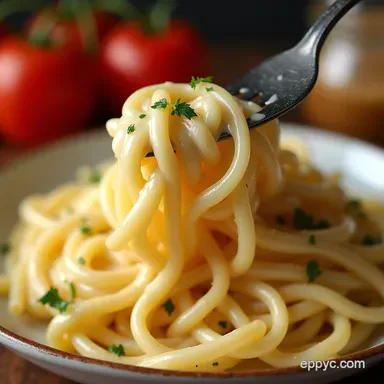
The Silky Secret Authentic Restaurantstyle Fettuccine Alfredo Sauce
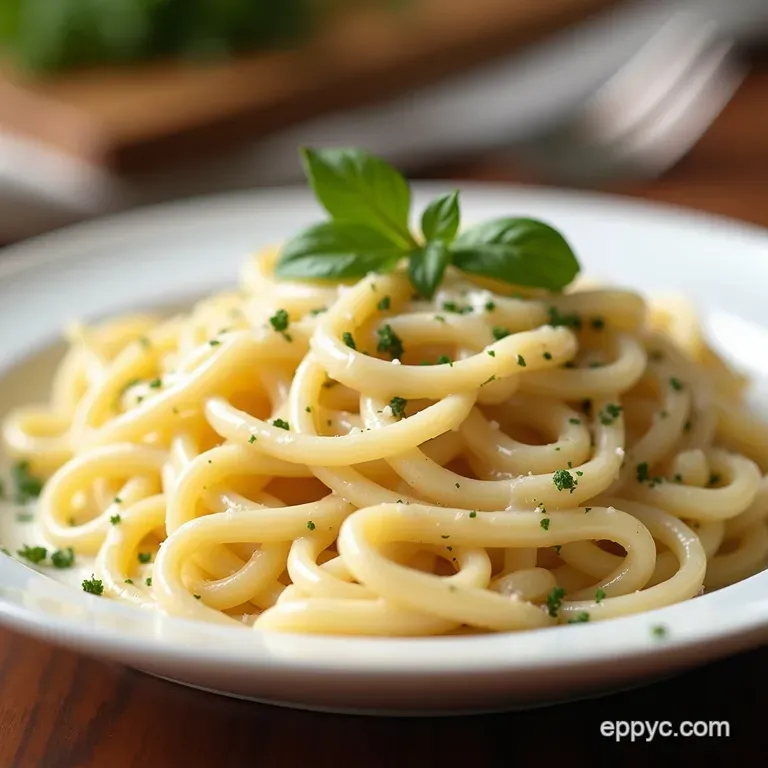
- The Roman Revelation: Deconstructing Classic Fettuccine Alfredo Sauce
- Why This Technique Trumps Heavy Cream
- Curating Your Core Components for Perfect Emulsion
- Tool Checklist: Essential Gear for Creating Silky Fettuccine Alfredo Sauce
- The Precision Cooking Sequence: Step-by-Step Mastery
- Troubleshooting Common Fettuccine Alfredo Pitfalls
- Recipe FAQs
- 📝 Recipe Card
The Roman Revelation: Deconstructing Classic Fettuccine Alfredo Sauce
Fettuccine Alfredo, in its original form, is a masterclass in minimalist cooking. It’s a dish born not of complicated recipes or layers of dairy, but of necessity and superb ingredients found in Roman trattorias.
When you approach this classic, you must set aside preconceived notions of what a creamy pasta dish should be. We are not aiming for a heavy, béchamel-like coating; we are aiming for a silken sheen that clings lovingly to every strand of pasta.
This transformation from simple components into something so luxurious forms the core philosophy of mastering the fettuccine alfredo sauce recipe .
Why This Technique Trumps Heavy Cream
The allure of this recipe lies precisely in what it omits. Many modern interpretations of fettuccine alfredo sauce heavy cream as a foundational element, believing that fat equals flavour and texture.
While cream certainly provides immediate richness, it often results in a heavy, opaque sauce that masks the delicate nutty profile of the cheese. Our goal is transcendence through emulsion, not density.
Beyond the American Diner: Understanding True Alfredo Elegance
To truly appreciate the magic of this dish, one must understand its heritage. Traditional preparation, often called traditional fettuccine alfredo , relies on technique over volume.
The elegance is in the precision, a gentle coaxing of fats and starches until they form a homogenous, glossy suspension. This textural perfection is what separates a mediocre attempt from the best fettuccine alfredo sauce you’ve ever tasted.
The Alchemy of Three Ingredients: Butter, Cheese, and Pasta Water
The foundation of this incredible fettuccine alfredo sauce from scratch rests on just three primary players: high-quality butter, intensely flavourful Parmigiano-Reggiano, and the starchy water left over from boiling your pasta.
These components interact dynamically, where the salt and starch from the water act as the binder, holding the butterfat and cheese protein in a stable embrace. This is the essence of creating a homemade fettuccine alfredo sauce that impresses every time.
Setting the Stage: What Makes This Recipe Stand Out
What sets this particular method apart is its speed and absolute reliance on residual heat. Because there is no flour or other thickening agent, the sauce comes together in the few minutes immediately after the pasta is drained.
This rapid construction requires that all ingredients be prepped and ready, ensuring you can focus solely on the vigorous tossing required for a perfect emulsion. This makes for an incredibly easy fettuccine alfredo sauce recipe to execute, provided you respect the timing.
Curating Your Core Components for Perfect Emulsion
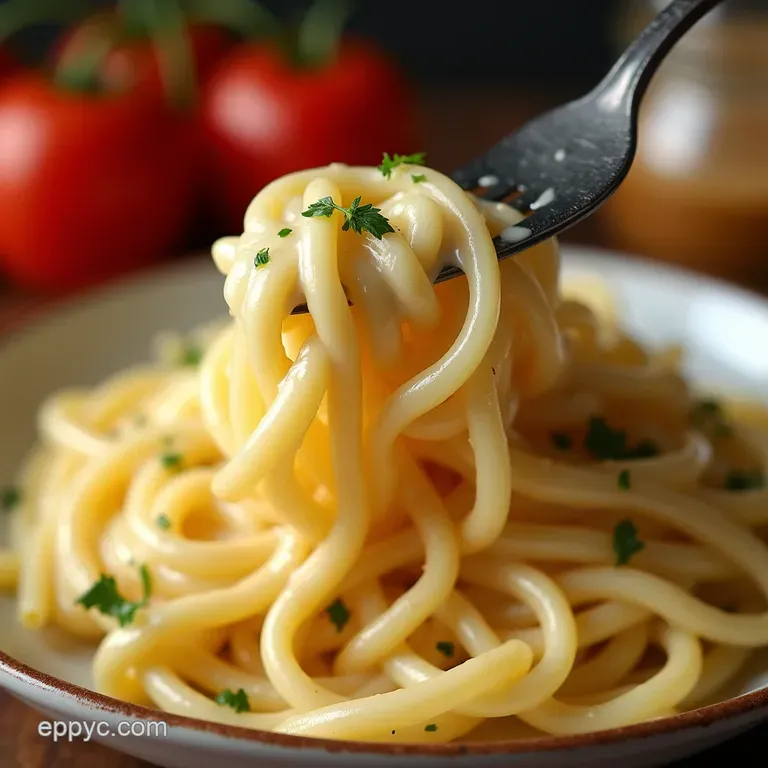
Success in this dish hinges almost entirely on the quality of the raw materials. Since there are so few ingredients, there is nowhere for poor quality to hide. Think of this less as cooking and more as assembling precious components that must work together harmoniously to achieve that coveted velvety finish.
Selecting the Premier Unsalted Butter: Temperature Matters
For true authentic fettuccine alfredo sauce , unsalted butter is the mandate. Salt content varies widely between brands, and by controlling the salt ourselves through the pasta water, we maintain superior command over the final flavour profile.
Crucially, the butter must be cold and cut into small cubes just before use. This cooler temperature allows the residual heat of the pasta to melt it slowly, giving the starches in the cooking water time to incorporate it properly rather than simply melting it into an oily slick.
Parmigiano-Reggiano: Grating Secrets for Maximum Melt
There is no substituting authentic Parmigiano-Reggiano here. Its crystalline structure and complex umami notes are irreplaceable. You must grate it yourself, ideally using a microplane or the finest side of a box grater.
Pre-shredded cheese is often coated with anti-caking agents that prevent it from dissolving smoothly, leading directly to a gritty or clumpy sauce. Freshly grated cheese melts seamlessly, guaranteeing a smooth texture in your fettuccine alfredo sauce recipe .
The Crucial Role of Freshly Cracked Black Pepper
While not strictly part of the core three, freshly ground black pepper is the traditional final flourish. It adds a textural counterpoint and a gentle warmth that cuts through the richness of the butter and cheese. Grind it coarsely just before serving to maximize its aromatic impact.
Related Recipes Worth Trying
- The Ultimate Piquant Chicken Sandwich Sauce Tangy Creamy — Ditch the dull jarred stuff This homemade Chicken Sandwich Sauce is tangy creamy and ready in minutesthe secret ingredient for your best lunchtime sarnie
- The Best Homemade Shrimp Linguine Alfredo Recipe 35 Mins — Forget the takeaways This foolproof Shrimp Linguine Alfredo recipe yields a truly silky rich sauce that tastes miles better than storebought Easy steps inside
- The Best RestaurantStyle Shrimp Fettuccine Alfredo — Achieve that perfect velvety Shrimp Fettuccine Alfredo sauce from scratch This easy recipe guarantees a creamy lumpfree coating every time Your new...
Tool Checklist: Essential Gear for Creating Silky Fettuccine Alfredo Sauce
While we aim for a fettuccine alfredo sauce no cream version, we need the right stage for our performance. A large, heavy-bottomed skillet is non-negotiable, as it must be wide enough to allow the pasta to be tossed vigorously without ingredients spilling over.
Boiling the Pasta: Salinity and Al Dente Perfection
The water used for cooking the fettuccine is the lifeblood of this sauce. It must be aggressively salted, enough that it tastes noticeably salty, though not quite as saline as the sea. On top of that,, the pasta must be cooked to a perfect al dente .
Since the pasta will finish cooking in the sauce, pulling it a minute or two early ensures it doesn't become mushy during the final toss.
The Precision Cooking Sequence: step-by-step Mastery
This sequence is fast, fluid, and requires your full attention once the pasta is drained. Hesitation here is the enemy of a perfect emulsion.
Preparing the Hot Butter Base, Not Melting, But Tempering
Once the pasta is drained and immediately transferred to the large skillet (which should be off the heat ), the cold butter cubes are added. The residual warmth from the just-drained fettuccine is just enough to begin softening the butter. Toss gently to coat every strand.
This slow start is tempering the fat.
Integrating Pasta Water: The Secret Liquid Gold Injection
Next, add a measured amount of the reserved, steaming hot, starchy pasta water to the pan. Begin tossing the pasta vigorously. The starches released from the pasta into this water, when agitated with the melting butterfat, begin the emulsification process, creating a thin, milky coating around the noodles.
The Toss: Folding Cheese Without Scrambling
This is the moment of truth for your homemade fettuccine alfredo sauce . Remove the pan entirely from any heat source. Begin adding the grated Parmigiano-Reggiano in small batches, tossing and lifting the pasta constantly. The motion must be continuous and energetic.
If the pan is too hot, the cheese proteins will seize, leading to clumps and a broken sauce. We are folding the cheese into the butter/starch slurry, creating the thick, glossy ribbon texture characteristic of this Italian staple.
Troubleshooting Common Fettuccine Alfredo Pitfalls
Even masters occasionally encounter a sticky pan or a stubborn sauce. Knowing how to correct the texture mid-toss is vital for achieving a restaurant-quality result every single time you attempt this fettuccine alfredo sauce recipe .
Rescue Operations: Fixing a Broken or Oily Sauce
If your sauce looks oily or separated (the fat has broken away from the starch), immediately add a splash (about one tablespoon) of fresh, very hot pasta water and toss with renewed vigour. The extra heat and starch shock the mixture back into emulsion.
Conversely, if the sauce is too thick and starts becoming gluey, splash in more hot water, one tablespoon at a time, until the glossy coating returns.
Temperature Control: Keeping Your Sauce Creamy After Plating
The sauce naturally thickens as it cools because the butter solidifies slightly. To combat this upon serving, ensure your serving plates are slightly warmed, and plate the pasta immediately after achieving the perfect consistency in the pan.
If you need to hold it for a moment, keep the skillet over the very lowest possible heat —or better yet, place the skillet over a barely warm burner turned off.
Perfect Pairings: Wine and Side Dish Complements
This profoundly rich dish begs for something acidic and cleansing on the side. A simple, sharp green salad dressed with fresh lemon juice and high-quality olive oil provides the perfect foil.
For wine, stick to crisp, unoaked whites that have good minerality, such as a Vermentino or a dry Soave, to slice through the richness of the best fettuccine alfredo sauce .
Storage Notes: Can You Refrigerate Leftover Alfredo?
Because this sauce relies on an emulsion of fat and starch, it does not store well. When chilled, the butter will solidify and the sauce will become dense and potentially break upon reheating.
While technically edible, reheating usually requires adding significant amounts of fresh liquid and aggressively whisking to try and recapture the original texture, often with limited success. It is best enjoyed immediately.
Recipe FAQs
Why is my Fettuccine Alfredo Sauce grainy instead of smooth?
That's usually down to the temperature, mate. The number one mistake is adding the Parmigiano-Reggiano over direct heat, which causes the cheese proteins to clump up instead of melting smoothly.
Make sure the pan is completely OFF the heat when you add the cheese; the residual warmth from the pasta and water should do all the work.
Can I add heavy cream to this Fettuccine Alfredo Sauce recipe to make it foolproof?
Technically, yes, but you'll stray from the authentic Roman preparation which relies on butter and starchy pasta water for its emulsion, it’s all about technique, not loading up on dairy!
If your sauce keeps breaking, adding a small splash of cream at the very end can stabilize it, but try mastering the water technique first; it tastes miles better!
How do I stop the sauce from becoming too thick or turning into a sticky blob as I serve it?
The key here is having your reserved pasta water ready to go, like having a backup plan for a rainy day. If the sauce tightens up while you’re plating, simply add a tablespoon or two of that starchy water while tossing vigorously.
The starch acts as a binder and instantly loosens the sauce back to that beautiful, flowing consistency.
How long can I keep leftover Alfredo sauce, and what's the best way to reheat it?
Because this recipe uses fresh dairy and no stabilizers, leftovers are best eaten within 2 days and should be stored in an airtight container in the fridge. To reheat, do not use a microwave!
Gently warm the leftover sauce in a small saucepan over very low heat, adding small splashes of fresh milk or water until it loosens back up.
What’s the secret ingredient I absolutely must get right for the best flavour?
It's the cheese, hands down; you simply must use freshly grated Parmigiano-Reggiano, not the pre-grated stuff in a tub. The pre-grated variety contains anti-caking agents which prevent it from melting properly and dull the flavour profile. Treat yourself to a proper wedge; it makes all the difference!
The Best Authentic Fettuccine Alfredo Sauce Recipe No Cream