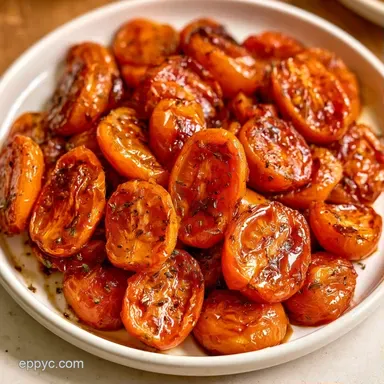
Roasted Balsamic Roma Tomatoes in 30 Minutes
- Prep/Oven: 10m / 20m
- Taste/Texture: Tangy, sweet, and velvety
- Best as: Quick appetizers or a bold side dish
The scent of garlic and vinegar hitting the oven heat is an absolute mood. It permeates the house with a sharp, sweet aroma that instantly awakens the appetite. I first encountered this technique while attempting to replicate the agrodolce (sweet and sour) profiles from my travels in Italy, where the balance of sugar and acidity is the primary goal.
In those professional kitchens, the intent is to let the vegetable be the star. By roasting the tomatoes, we are effectively fast tracking the development of a slow cooked sauce, capturing that rich, concentrated essence in a fraction of the usual window.
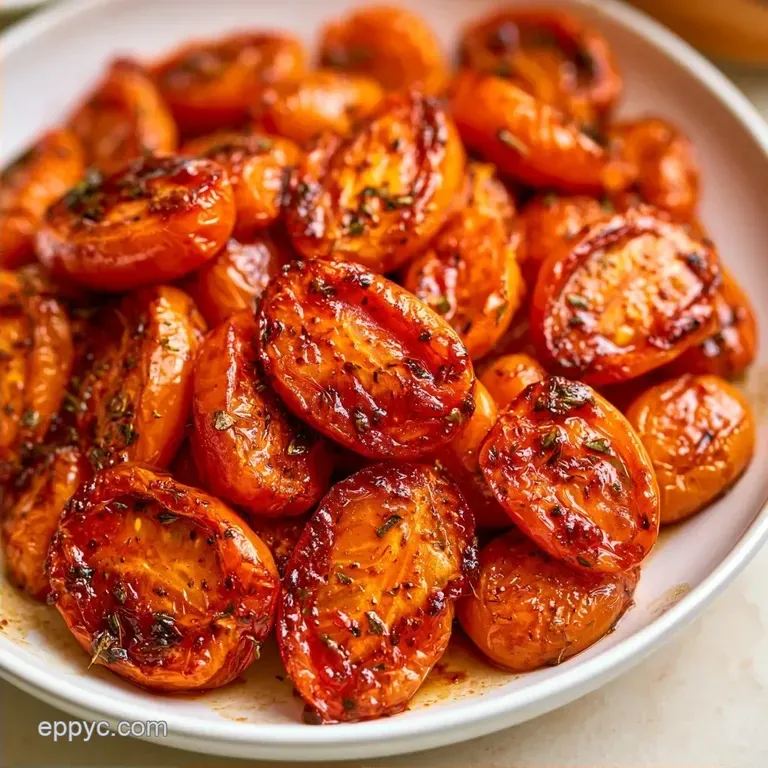
These emerge from the oven looking like mahogany hued gems. They are tender yet retain their structure, making them an excellent addition to nearly any meal. We use Balsamic Roma Tomatoes specifically for their meaty consistency, which ensures they don't break down under the high heat.
The Magic of Balsamic Roma Tomatoes
Natural Sugar Concentration: High heat evaporates the water in the tomatoes, leaving behind concentrated sugars that brown and sweeten.
Acidic Glazing: The vinegar reduces into a thick syrup that clings to the skin, balancing the sweetness with a sharp tang.
Tools You'll Need
No specialized equipment is necessary. A standard baking sheet and a piece of parchment paper are the only essentials. Be sure to use the parchment, as balsamic vinegar becomes a sticky residue if it burns onto your pan.
I mix the dressing in a small ceramic bowl using a whisk or a fork. If you prefer a more uniform coat, a silicone pastry brush is perfect for applying the emulsion to the cut side of the tomatoes.
Ingredient Deep Dive
The choice of Roma tomatoes is intentional. Because they have fewer seeds and a thicker wall, they don't turn into a puddle of juice as quickly as cherry or beefsteak varieties.
| Ingredient | What It Does | Best Swap |
|---|---|---|
| Roma Tomatoes | Provides a meaty base | Plum tomatoes |
| Balsamic Vinegar | Adds tang and dark color | Red wine vinegar (more tart) |
| Garlic | Adds a pungent, savory bite | Garlic powder (use 1/4 tsp) |
| Olive Oil | Carries flavor and prevents sticking | Avocado oil |
Gather Your Ingredients
Prepare all your ingredients beforehand to keep the process stress free.
- 1.5 lbs Roma tomatoes, halved lengthwise Note: Less watery than other types.
- 3 tbsp Extra virgin olive oil Note: Richer flavor profile.
- 2 tbsp Balsamic vinegar Note: For a syrupy reduction.
- 3 cloves Garlic, minced Note: Provides a fresh punch.
- 1 tsp Dried oregano
- ½ tsp Dried basil
- ½ tsp Sea salt
- ¼ tsp Cracked black pepper
- 2 tbsp Fresh basil leaves, chiffonade Note: Adds a bright, fresh finish.
How to Cook Them
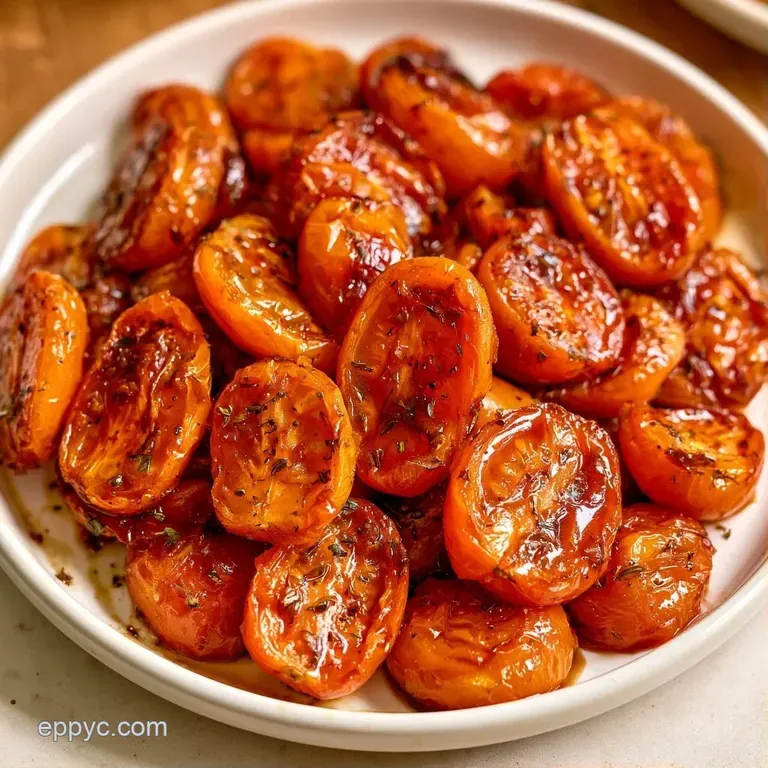
Time to start the cooking process. Stick to the recommended temperature; lowering the heat will cause the tomatoes to steam rather than roast.
- Heat your oven to 400°F (200°C) and line a baking tray with parchment paper.
- Place the halved Roma tomatoes on the tray in a single layer, cut side up. Note: Leave a little space between them to help the heat circulate.
- In a small bowl, stir together the olive oil, balsamic vinegar, minced garlic, oregano, dried basil, salt, and pepper.
- Whisk the mixture for 30 seconds until the oil and vinegar have fully emulsified.
- Pour the dressing over the tomatoes, using a spoon or brush to ensure the cut sides are thoroughly coated.
- Roast for 18–22 minutes until the skins blister slightly and the edges turn a deep, mahogany brown.
- Take the pan out of the oven.
- Immediately scatter the fresh basil chiffonade over the hot tomatoes.
Chef's Tip: If you can spare a moment, let the tomatoes rest on the pan for 2 minutes after roasting. This residual heat helps the balsamic penetrate deeper into the flesh.
Solving Common Issues
Most people find this recipe easy, but a few things can go sideways if your tomatoes are too ripe or your oven runs hot. Serious Eats mentions that roasting at 400°F is the sweet spot for evaporating water quickly without burning the sugars.
Stopping Watery Tomatoes
If you see a pool of liquid on your pan, you might have used overripe tomatoes. To fix this, remove them the moment the edges brown. Avoid stirring them during roasting, as that breaks the structure and releases more juice.
Preventing Burnt Garlic
Garlic can turn bitter if it burns. Since we're whisking it into the oil and vinegar, the liquid protects the garlic from the direct heat of the pan, but keep a close eye on them after the 18 minute mark.
Fixing Bland Flavor
If the result tastes flat, you probably need more salt. Salt draws out the moisture and makes the balsamic pop. A tiny pinch of sea salt added right before serving usually does the trick.
| Problem | Fix |
|---|---|
| Tomatoes are too mushy | Roast for 2-3 minutes less |
| Vinegar taste is too sharp | Add a tiny drizzle of honey |
| Garlic tastes bitter | Ensure garlic is whisked into oil |
Keeping and Reheating
Store any leftovers in a glass jar in the refrigerator for about 3 days. They are actually quite delicious served cold as a topping for crackers or toast.
If you want to reheat them, avoid using the microwave, as it can make them rubbery. Rather, set your oven to 300°F (150°C) and warm them for about 5 minutes. This heats them through without letting them turn into mush.
To minimize waste, save the balsamic syrup remaining on the parchment paper. Scrape it up with a spoon to whisk into a salad dressing or drizzle over grilled chicken.
Swaps and New Ideas
Feel free to customize these Balsamic Roma Tomatoes to suit your taste. For a fresh, traditional feel, they make a wonderful accompaniment to a classic caprese salad.
If you prefer a bit more crunch, try them raw. Simply marinate the halved tomatoes in the same mixture without roasting for a crisp, bright appetizer. These also work perfectly as a quick base for tomato bruschetta.
| Style | Flavor Profile | Prep Time |
|---|---|---|
| Raw Marinated | Bright and acidic | 10 mins |
| oven roasted | Deep and syrupy | 30 mins |
Adding a Creamy Touch
Stir in small pearls of fresh mozzarella during the final 3 minutes of roasting. The cheese becomes melted and gooey, offering a rich balance to the tangy vinegar.
Feta and Honey Variation
Replace the dried basil with a pinch of red pepper flakes. Once roasted, top with crumbled salty feta and a light drizzle of honey for a bold, savory sweet combination.
Low Sodium Version
Substitute the salt with a salt free herb blend and add an extra tablespoon of balsamic vinegar. The vinegar's natural acidity provides the necessary flavor punch.
Decision Shortcut: More zest? → stir in 1 tsp lemon zest Sweeter taste? → drizzle 1 tsp honey More heat? → pinch of red pepper flakes
What to Serve With
These aren't just for appetizers. I love serving them over a piece of toasted sourdough with a smear of ricotta cheese. The creaminess of the cheese cuts right through the acidity of the vinegar.
You can also toss them into a bowl of warm quinoa or farro for a satisfying plant based lunch. The syrup from the Balsamic Roma Tomatoes acts as a built in dressing for the grains.
For a more formal dinner, place them on top of a grilled piece of salmon or chicken. The mahogany glaze adds a professional look to the plate without requiring any actual effort. Honestly, just serving them in a bowl with some crusty bread is the way to go.
Recipe FAQs
How do you make balsamic roasted Roma tomatoes?
Roast halved tomatoes at 400°F for 18 22 minutes after coating them in a balsamic olive oil emulsion.
Tip: Line your pan with parchment paper to prevent the vinegar from sticking to the surface.
Which Roma tomato variety has the best flavor?
Standard plum Romas are ideal because their low water content prevents the roast from becoming soggy.
Tip: Look for firm fruits with a deep red color for the most concentrated sweetness.
Is it true that refrigerating Roma tomatoes ruins their texture?
False. Cold temperatures break down the cell walls and kill the aromatic enzymes that create flavor.
Tip: Store them on the counter stem side down to keep them fresh longer.
What are Roma tomatoes best used for?
Their meaty interior makes them perfect for roasting, canning, or thickening sauces.
Tip: Use them whenever you need a tomato that holds its shape under high heat.
Is it necessary to peel fresh Roma tomatoes for pasta sauce?
Actually, no. The skins soften significantly during roasting and blend easily into the final sauce.
Tip: If you prefer a perfectly smooth texture, a quick pass with a blender solves this.
What is the method for turning these into a sauce?
Blend the roasted tomatoes with their pan juices until completely smooth.
Tip: Simmer the blended mixture for five minutes to further concentrate the balsamic notes.
Which sides pair best with these tomatoes?
Fresh mozzarella and basil create a classic, complementary flavor profile.
Tip: If you enjoy these flavors, see how we use a similar fresh approach in our Caprese Salad.
When should you pull roasting tomatoes from the oven?
Pull the tray out once the skins blister and edges turn a deep mahogany brown.
Tip: Immediately add fresh basil chiffonade for a burst of herbal brightness.
Balsamic Roma Tomatoes