Beths Foolproof Macarons: Silky and Crisp
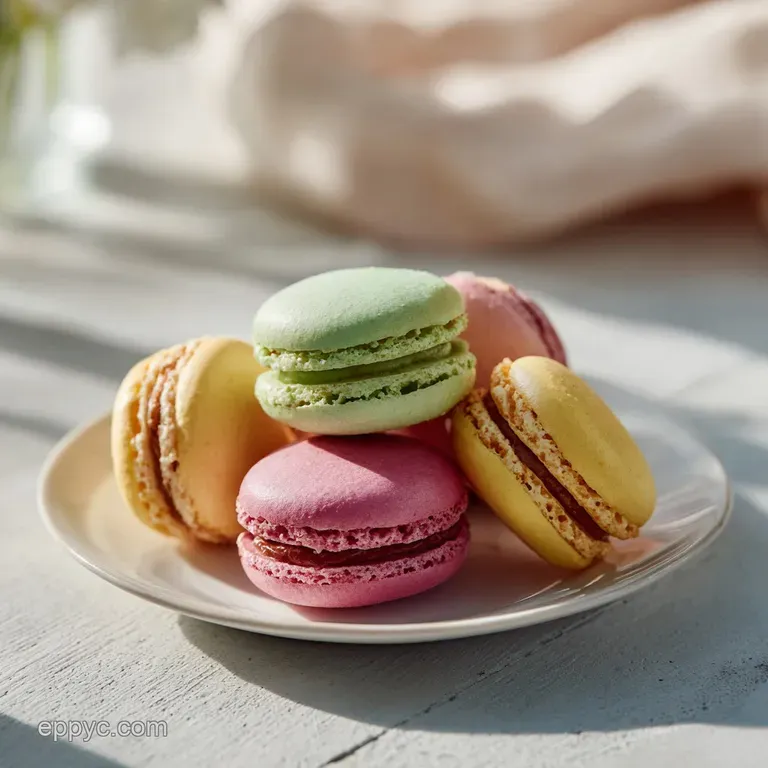
- Time: Active 90 minutes, Passive 15 minutes, Total 105 minutes
- Flavor/Texture Hook: Delicate almond shatter with silky vanilla bean buttercream
- Perfect for: Sophisticated tea parties or show stopping holiday gifts
- Making Beths Foolproof Macarons Recipe with Success
- Key Recipe Technical Specifications
- Essential Ingredient Selection Guide
- Necessary Kitchen Pastry Tools
- Step-by-Step Artistic Instructions
- Pro Tips and Pitfalls
- Creative Artistic Flavor Variations
- Storage and Preservation Methods
- Perfect Pairing Presentation Ideas
- Comparison of Baking Methods
- Debunking Common Macaron Myths
- Recipe FAQs
- 📝 Recipe Card
Making Beths Foolproof Macarons Recipe with Success
Forget every horror story you've heard about humidity, specialized aging chambers, or the need for a Parisian pastry degree. There is a persistent myth that macarons are "moody" or that they'll fail if you even look at them sideways on a rainy day.
I used to believe that too, until I realized it isn't about the weather it's about the skin. If you can create a sturdy, matte surface on your piped batter before it hits the oven, you've already won half the battle.
This specific approach to the beths foolproof macarons recipe is designed for the home cook who wants the artistry without the heartache. We aren't just making cookies; we are building tiny, edible sculptures. The joy comes from that first moment you see the "feet" rise in the oven.
It's a tiny kitchen miracle that happens when your meringue is whipped to the perfect stiffness and your folding technique is just right.
We’re going to focus on the sensory cues: the way the batter flows like molten lava and the specific "tack" of a dried shell. I've spent enough time scraping flat, cracked shells off parchment paper to know exactly where the pitfalls lie.
Trust me, once you see these coming out of the oven with their glossy tops and ruffled bases, you’ll feel like a total kitchen rockstar. Let's get into the details of what actually makes this work.
Key Recipe Technical Specifications
Surface Tension: Allowing the piped shells to rest creates a dried "skin" on top. When the heat hits the batter, the steam can't escape through the top, so it forces the shell upward, creating the iconic "feet" at the bottom.
Protein Network: Whipping the egg whites with cream of tartar stabilizes the proteins. This creates a scaffolding that holds up the heavy almond flour, preventing the shells from collapsing into puddles.
Sugar Saturation: The high ratio of confectioners' sugar to almond flour provides the structural "glue" that allows the shells to bake with a smooth, eggshell thin crust that shatters upon impact.
Thermal Stability: Baking at a lower, consistent temperature of 150°C ensures the shells set without browning too quickly, preserving the vibrant color of your gel accents.
| Shell Diameter | Bake Temperature | Bake Time | Visual Success Cue |
|---|---|---|---|
| 3.8 cm (1.5 in) | 150°C (300°F) | 15 minutes | Shells don't wiggle when touched |
| 2.5 cm (1 in) | 150°C (300°F) | 12 minutes | Matte finish with no browning |
| 5 cm (2 in) | 150°C (300°F) | 18 minutes | Firm feet and easy release |
When you are aiming for that show stopping presentation, the bake time is your most critical variable. If you pull them too early, the centers will stick to the mat and tear. If you go too long, the delicate almond flavor gets masked by toasted notes.
Always test one shell by gently wiggling it; if it feels attached to its "feet," it’s ready to come out.
| Component | Scientific Role | Pro Secret |
|---|---|---|
| Aged Egg Whites | Reduces moisture content | Leave them on the counter for 24 hours |
| Cream of Tartar | Lowers pH for stability | Adds "grip" to the meringue bubbles |
| Superfine Almond Flour | Provides fat and structure | Sift twice and discard the "pebbles" |
| Superfine Sugar | Stabilizes the air bubbles | Add it slowly to avoid weighing down whites |
The texture of your dry ingredients is the difference between a grainy shell and a silky, professional looking pastry. Even if your almond flour says "super fine" on the bag, it usually isn't fine enough for a truly high end finish.
Sifting it alongside the confectioners' sugar is a non negotiable step for achieving that signature gloss.
Essential Ingredient Selection Guide
To achieve the best results with this beths foolproof macarons recipe, you need to be picky about your pantry. We are using 100g of aged egg whites this means whites that have sat in a jar in the fridge for a few days or on the counter for 24 hours to let some water evaporate.
You'll also need 90g of superfine granulated sugar for the meringue.
For the dry base, grab 130g of super fine blanched almond flour and 130g of confectioners' sugar. Don't forget the 1/4 tsp of cream of tartar; it's the insurance policy for your meringue. For color, use 2 drops of gel food coloring liquid coloring will ruin the moisture balance.
The filling is a classic vanilla bean buttercream. You’ll need 115g of softened unsalted butter, 240g of confectioners' sugar, 1 tbsp of heavy cream, and 1 tsp of vanilla bean paste.
The paste is better than extract because it adds those beautiful little black flecks that signal "artistry" to anyone who takes a bite.
| Original Ingredient | Substitute | Why It Works |
|---|---|---|
| Aged Egg Whites | Fresh Egg Whites | Still works, but may require 2-3 extra mins of whipping |
| Vanilla Bean Paste | Pure Vanilla Extract | Same flavor profile. Note: Lacks the visual bean flecks |
| Almond Flour | Fine Ground Pistachios | Similar fat content. Note: Adds a distinct nutty green hue |
After a long day of precision baking, I often find myself craving something salty and hearty. While you're waiting for your shells to mature in the fridge, you might find that a bowl of creamy mac and cheese is the perfect savory counterpoint to all that sugar.
Necessary Kitchen Pastry Tools
You cannot "wing it" with macarons. A digital scale is your best friend here. If you use cups and spoons, your ratios will be off, and your shells will either be too dry and crack or too wet and never form a skin. Precision is the heartbeat of this recipe.
You will also need a stand mixer (like a KitchenAid) because whisking these whites by hand takes forever and rarely achieves the stiff peaks required. A silicone spatula is essential for the macaronage phase it allows you to scrape the sides and "smush" the air out of the batter effectively.
Finally, use a heavy duty baking sheet and a silicone mat (Silpat) or high-quality parchment paper to ensure even heat distribution.
step-by-step Artistic Instructions
Phase 1: Sift and Prep
Combine the 130g almond flour and 130g confectioners' sugar. Sift them through a fine mesh sieve twice into a large bowl. Note: This ensures the shells are perfectly smooth without any bumps. Discard the larger bits of almond that won't pass through the mesh.
Phase 2: Building the Meringue
Place 100g aged egg whites and 1/4 tsp cream of tartar in your mixer bowl. Whisk on medium low speed until the surface is covered in fine, soapy bubbles. Gradually pour in the 90g granulated sugar while increasing the speed to medium high.
Whisk until the peaks stand straight up when you lift the whisk.
Phase 3: The Macaronage (The Fold)
Add the dry ingredients to the meringue in three separate batches. Use a "cut and fold" motion with your spatula, scraping the bottom and folding the batter over itself. Continue folding and pressing the batter against the side of the bowl.
Stop until the batter flows like thick lava and you can draw a figure-8.
Phase 4: Piping and The "Snap"
Fit a piping bag with a medium round tip and fill with your batter. Pipe 3.8 cm (1.5 inch) rounds onto your lined baking sheets. Hold the bag vertically and "snap" the tip away quickly to prevent tails. Tap the pans firmly on the counter five times until the air bubbles rise and pop.
Phase 5: The Precise Bake
Let the shells rest on the counter for 30 to 60 minutes. They are ready until they look matte and don't stick to your finger. Bake at 150°C for 15 minutes. Remove from the oven and let them cool completely on the pan.
The shells should peel off the mat effortlessly once cooled.
Phase 6: Filling and Garnish
Beat 115g softened butter with 240g confectioners' sugar, 1 tbsp heavy cream, and 1 tsp vanilla bean paste. Whisk until the frosting is pale and fluffy. Pipe a dollop onto the flat side of a shell and press another shell on top.
Pro Tips and Pitfalls
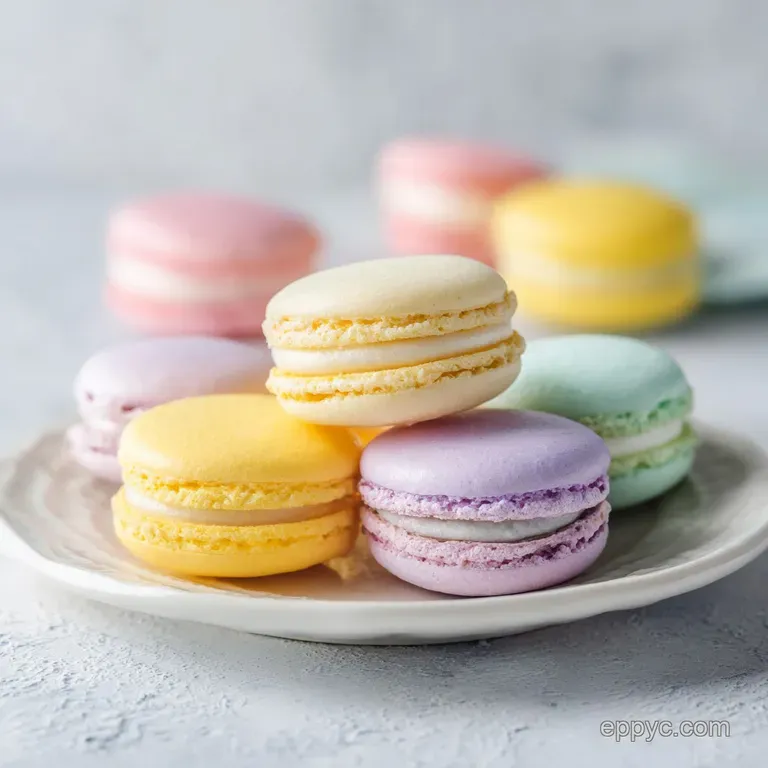
The biggest mistake people make with this beths foolproof macarons recipe is under mixing or over mixing during the "macaronage" stage. If you under mix, your shells will have peaks on top and won't spread. If you over mix, the batter will become watery, and your shells will be flat and hollow.
Always do the "figure-8" test: if the ribbon of batter breaks before you finish the number 8, keep folding.
For the visual artistry, I use a "three accent" strategy. First, add the color to the meringue. Second, garnish. I love adding a tiny pinch of dried rose petals or crushed lavender to the tops of the shells immediately after piping, while they are still wet.
Third, once the shells are filled and assembled, use a toothpick to apply a tiny fleck of edible gold leaf to the top. This creates a professional, high end look that is pure joy to behold.
Why Your Shells Are Hollow
Hollow shells usually mean your meringue wasn't strong enough or you over folded the batter. If you whisk your egg whites too fast at the beginning, the air bubbles are too large and unstable. Keep the speed at a steady medium high to create a dense, "shaving cream" texture.
| Problem | Root Cause | Solution |
|---|---|---|
| Cracked Tops | No skin formed / Oven too hot | Let rest longer; check oven with a thermometer |
| No Feet | Under mixed batter / High humidity | Fold until lava consistency; use a fan during rest |
| Lopsided Shells | Uneven piping / Poor airflow | Pipe straight down; don't overcrowd the tray |
Common Mistakes Checklist
- ✓ Not sifting the almond flour twice (leads to lumpy, rustic tops)
- ✓ Using liquid food coloring instead of gel (thins out the meringue)
- ✓ Skipping the "tap" on the counter (leaves trapped air bubbles that pop in the oven)
- ✓ Trying to peel the shells off the mat while they are still warm (they will tear)
- ✓ Over whisking the meringue until it looks dry and chunky
Creative Artistic Flavor Variations
Once you have mastered the base beths foolproof macarons recipe, the world is your oyster. You can change the soul of the cookie just by swapping the vanilla bean paste for something more adventurous.
I often experiment with citrus zests or finely ground tea leaves mixed directly into the dry ingredients.
For a chocolate version, replace 15g of the almond flour with 15g of high-quality cocoa powder. The fat in the cocoa will make the shells slightly more fragile, so be extra gentle during the folding phase.
If you're feeling fancy, a drizzle of melted dark chocolate across the finished shells with a sprinkle of flaky sea salt is absolutely show stopping.
- If you want a matte finish: Ensure your resting area is cool and dry with a fan nearby.
- If you want a vibrant color: Add the gel coloring to the egg whites before adding the dry ingredients.
- If you want a deeper flavor: Toast the almond flour at 120°C for 10 minutes and cool before sifting.
If you find yourself with leftover heavy cream from the buttercream, don't let it go to waste. It's the secret ingredient in many savory sauces, like a creamy chicken spaghetti sauce, which makes for a brilliant dinner after a day of delicate pastry work.
Storage and Preservation Methods
Macarons are one of the few desserts that actually taste better the next day. This process is called "maturation." When you put the filled cookies in the fridge, the moisture from the buttercream seeps into the shell, creating that iconic soft yet-chewy interior.
Store them in an airtight container in the fridge for up to 5 days.
You can also freeze these confections with great success. Place the assembled macarons in a single layer in a freezer safe container. They will stay fresh for up to 3 months. When you're ready to serve, move them to the fridge for a few hours, then let them sit at room temperature for 20 minutes before eating.
Don't toss the egg yolks you have left over from the shell making process! You can use them to make a rich lemon curd or a silky custard. If you have broken shells (we all do sometimes!), crush them up and use them as a "crunch" topping for ice cream or a velvety chocolate mousse.
Perfect Pairing Presentation Ideas
When it comes to serving your beths foolproof macarons recipe, presentation is everything. I like to arrange them by color gradient on a white marble slab or a glass cake stand. The contrast between the colorful shells and the clean background makes the artistry pop.
If you've used my "three accent" garnish strategy, these will look like they came straight from a boutique patisserie.
If you are hosting a brunch, these pair beautifully with a crisp glass of sparkling wine or a light Earl Grey tea. The tannins in the tea cut through the sweetness of the buttercream perfectly. For a more casual setting, they are a delightful "little something" to serve alongside a rich coffee at the end of a meal.
Remember, the goal of this recipe is to bring a bit of artistic joy into your kitchen. Don't stress over a few lopsided feet or a tiny crack. The flavor that marriage of almond and vanilla will still be velvety and wonderful. The more you practice the macaronage, the more intuitive the process becomes.
Now, go grab your scale and let's get baking!
Comparison of Baking Methods
| Method | Texture Profile | Best For |
|---|---|---|
| Oven (150°C) | Traditional shatter crisp | Classic macaron aesthetic |
| Air Fryer (135°C) | Faster, slightly tougher | Small test batches |
| Convection Oven | Extra even feet | High volume production |
Debunking Common Macaron Myths
"You must age your egg whites for 3 days." This is a bit of an exaggeration. While "aged" whites have less water, you can achieve nearly the same result by letting fresh whites sit at room temperature for a few hours. The stability comes more from the cream of tartar and the whipping technique than the age of the egg.
"You can't make macarons when it's raining." While high humidity can make the "resting" phase take longer (sometimes up to 2 hours), it doesn't make the recipe impossible. If it's a humid day, simply turn on the air conditioning or place your trays near a fan to help that matte skin form.
"Silicone mats are better than parchment." This is a matter of preference. Silicone mats (like Silpats) provide a more consistent shape and "feet," but parchment paper often leads to a crispier bottom and a faster bake. Both work brilliantly if you know your oven's hot spots.
Recipe FAQs
What are the biggest mistakes when making macarons?
Lumping, over mixing, and skipping the rest period. Failure to sift the almond flour twice creates lumpy shells, while over whisking the meringue until dry or skipping the counter tap creates structural collapse.
What is the secret to the best macaroons?
Let them mature in the refrigerator. Resting assembled cookies overnight allows the moisture from the filling to migrate into the shells, creating that signature soft yet-chewy center. If you mastered the delicate ingredient balance here, apply that same precision to our classic deviled eggs for perfect results.
What's the secret to perfect macaron feet?
The skin formation and oven temperature. You must rest the shells for 30 60 minutes until they are no longer sticky to the touch and bake at exactly 300°F (150°C) to ensure the structure rises evenly without cracking.
What flour is best for macarons?
Super fine blanched almond flour is the only option. Regular wheat flour will not provide the necessary protein structure or delicate texture required for these confections.
How to avoid hollow shells?
Whisk the meringue until stiff, upright peaks form, but stop before it looks chunky. Over whisking dries out the proteins, while under whisking prevents the shell from holding its shape during the bake.
How to get smooth tops on macaron shells?
Sift the almond flour and confectioners' sugar together twice through a fine mesh sieve. This ensures no large almond pieces remain to rupture the surface of your shells during baking.
Is it true I can use liquid food coloring for the batter?
No, this is a common misconception. Liquid food coloring adds unnecessary moisture and will thin out the meringue, preventing the batter from reaching the proper "lava" consistency.
Beths Foolproof Macarons
Ingredients:
Instructions:
Nutrition Facts:
| Calories | 134 kcal |
|---|---|
| Protein | 1.5 g |
| Fat | 6.5 g |
| Carbs | 18.8 g |
| Fiber | 0.5 g |
| Sugar | 17.7 g |
| Sodium | 6 mg |
