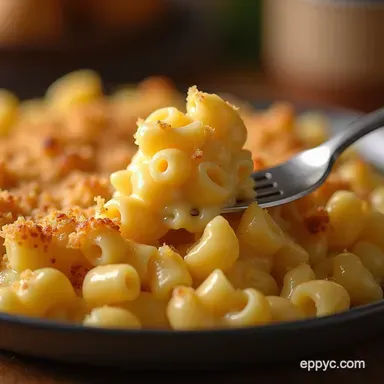
Proper Ploughmans Comfort the Ultimate Creamy Crumbtopped Macaroni and Cheese
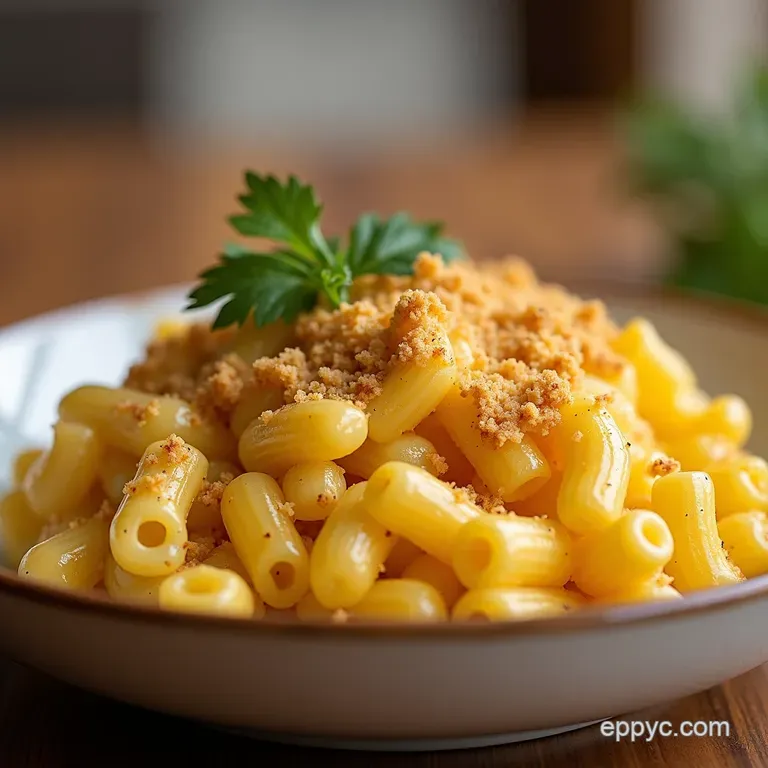
- Why This Stovetop Macaroni and Cheese Replaces Every Boxed Version
- The Secret to Unbeatable Creaminess: Our Golden Ratio
- Assembling Your Arsenal: The Essential Components for Rich Flavor
- The Step-by-Step Blueprint for Velvety Sauce Perfection
- Achieving That Irresistible Golden Crust (Optional Bake)
- Troubleshooting Common Cheese Sauce Calamities
- Variations: How to Personalize Your Ultimate Comfort Dish
- Recipe FAQs
- 📝 Recipe Card
Why This Stovetop Macaroni and Cheese Replaces Every Boxed Version
There’s a deep, satisfying magic that happens when you create homemade macaroni and cheese from scratch. Forget the grainy texture and vaguely artificial flavour of those blue boxes; we are embarking on a culinary journey to craft something truly transcendent.
This recipe, which focuses on a phenomenal stovetop macaroni and cheese base that can optionally transition into a baked macaroni and cheese casserole, is designed to be the definitive version you’ll return to again and again.
It uses classic French technique, the béchamel, to guarantee a luxuriously creamy macaroni and cheese that clings perfectly to every noodle.
When you master this, you unlock the secret to the best macaroni and cheese recipe imaginable, turning a simple weeknight dinner into an occasion.
The Secret to Unbeatable Creaminess: Our Golden Ratio
The core success of any remarkable cheese pasta lies in the precise relationship between the fat, the flour, and the liquid, the roux and its resulting béchamel. This balance is paramount; too much fat, and the sauce breaks; too little, and it becomes watery.
We’ve refined the measurements in this "Proper Ploughman’s Comfort" recipe to hit that sweet spot, yielding a substantial, velvety sauce perfect for coating 1 pound of dry macaroni.
Ditching the Dust: Elevating Your Comfort Food Game
The goal here is to move far beyond the dusty packets of processed cheese powder. We achieve depth by introducing complex flavours right at the base. We begin by cooking 6 tablespoons of butter with 6 tablespoons of flour to form a roux, cooked until it smells nutty, a crucial step that eliminates any raw flour taste.
This foundation is then slowly whisked with 4 cups of whole milk to create a luscious béchamel. This technique, rather than relying on melting processed cheese directly into milk, ensures stability and unparalleled smoothness in your final creation.
A Warm Hug in a Bowl: The Philosophy of Perfect Pasta
This is comfort food elevated. It’s not about rushing; it’s about building flavour layers meticulously. The philosophy behind this easy macaroni and cheese recipe is respecting the ingredients: using high-quality dairy and taking the time to grate your own cheese.
The resulting dish provides not just sustenance, but genuine emotional warmth, a culinary blanket for a cold evening.
What Makes This Recipe the Definitive Take?
What truly sets this apart as the definitive macaroni and cheese recipe is the intentional combination of cheeses: a sharp, assertive 8 ounces of mature Cheddar paired with 6 ounces of nutty, incredibly melting Gruyère.
On top of that,, we include a tiny spoonful of Dijon mustard and a whisper of fresh nutmeg in the sauce base. These aren't meant to dominate; rather, they act as flavour amplifiers, boosting the inherent cheesiness and sophistication of what is fundamentally a very humble dish.
Assembling Your Arsenal: The Essential Components for Rich Flavor
To achieve the rich flavour profile promised, your ingredient selection must be intentional. While the process is relatively straightforward, we are aiming for a total cooking time around 40 minutes for the stovetop macaroni and cheese version, the quality of the components dictates the final result.
Mastering the Dairy Selection for Superior Melt
The choice of milk is crucial for the béchamel’s body. We insist on whole milk (approximately 950 ml). Skim or low-fat milk contains too much water content relative to fat, leading to a thinner, less satisfying final sauce.
For the cheese blend, the 14 total ounces of cheese, the sharp Cheddar for bite and the Gruyère for its legendary melting properties, form the backbone of the flavour experience.
The Required Implements: Tools for Successful Sauce Building
While you can technically make this in a crock pot macaroni and cheese style later, the stovetop method demands specific attention to tools. A heavy-bottomed saucepan prevents scorching of the roux. Most importantly, you absolutely need a reliable whisk.
Manual whisking allows you to incorporate the milk smoothly into the roux, preventing the formation of those notorious lumps that plague beginner sauce-makers.
Why Freshly Grated Cheese is Non-Negotiable for This Macaroni and Cheese
This cannot be overstated: pre-shredded cheese is coated with cellulose or potato starch to prevent clumping in the bag. When you introduce these anti-caking agents into a warm cheese sauce, they interfere with the emulsion, often leading to a grainy or slightly gritty texture.
For a truly silky, creamy macaroni and cheese , spending those extra ten minutes grating your own block of cheese is the single most important step you can take.
Selecting the Ideal Pasta Shape Beyond the Standard Elbow
While the name suggests elbows, this recipe shines when using a pasta shape that can capture maximum sauce. We recommend standard elbow macaroni (450g), but if you prefer more surface area for sauce adherence, consider cavatappi or even medium shells.
The key is to cook the pasta for exactly 1 minute less than the package directions suggest, ensuring it is significantly al dente before it meets the sauce.
Related Recipes Worth Trying
- The Perfect Baked Beef and Rice Stuffed Peppers Recipe — A foolproof classic Stuffed Peppers Recipe baked in the oven Tender peppers filled with savoury beef and rice for ultimate comfort food Full recipe inside
- StarSpangled Summer Trifle Towers Easy Red White and Blue Desserts — Looking for the perfect red white and blue desserts for 4th of July These layered parfaits feature lemon curd and fresh berriesan easy elegant makeahead treat
- Managed Perfection The Ultimate LowandSlow Duck Confit Method — Duck confit is the ultimate dinner party feather in your cap Learn the precision temperature secrets to get perfectly managed tender meat and achieving...
The step-by-step Blueprint for Velvety Sauce Perfection
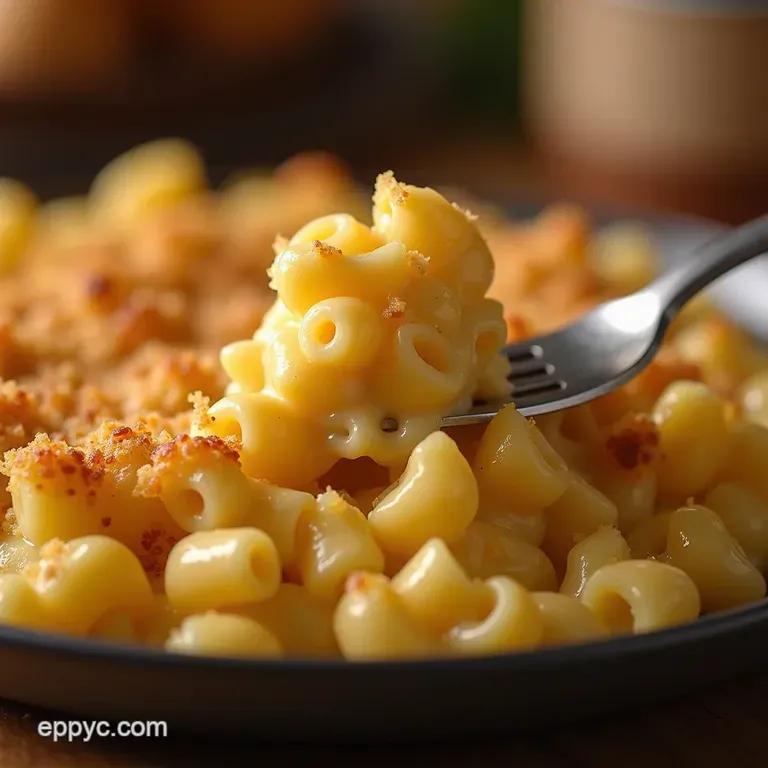
The cooking process flows linearly, from building the base to incorporating the star ingredients. Timing is everything here to ensure we achieve that coveted velvety consistency.
Crafting the Flawless Béchamel Base
Begin by melting 4 tablespoons of unsalted butter in your saucepan over medium heat. Once shimmering, swiftly whisk in the 6 tablespoons of all-purpose flour to create the roux. Continue whisking this paste for two full minutes until it takes on a light blonde colour and loses any raw, floury aroma.
Now, slowly introduce the warmed milk, adding just a splash at first and whisking vigorously until fully absorbed before adding the next splash. Continue this gradual process until all the milk is incorporated.
Allow the sauce to simmer gently, whisking frequently, until it thickly coats the back of a spoon, this usually takes 5 to 8 minutes.
Tempering the Cheese: Avoiding the Greasy Separation Disaster
Once the béchamel reaches the proper thickness, immediately remove the saucepan from the heat source. This is the critical control point. Stir in your seasonings: salt, pepper, Dijon mustard, and the essential pinch of nutmeg.
Now, introduce the pre-grated Cheddar and Gruyère blend one small handful at a time. Wait until each addition is completely melted and incorporated into a smooth liquid before adding the next.
If the sauce gets too hot during this stage, the fat and protein in the cheese will separate, yielding an oily mess instead of a uniform sauce.
The Crucial Moment: Marrying the Pasta and the Sauce
Drain your slightly undercooked macaroni well. Gently fold the drained pasta into the warm, smooth cheese sauce. Ensure every noodle is thoroughly coated. At this point, you have a superb creamy macaroni and cheese ready for immediate serving as a stovetop macaroni and cheese .
For those seeking the ultimate textural experience, the next step involves baking.
Finishing Touches: Building the Crunchy Topping
If opting for the optional bake, transforming your dish into a magnificent macaroni and cheese casserole —lightly grease a 9x13 inch baking dish and transfer the sauced pasta into it.
For the topping, take the remaining 2 tablespoons of melted butter and toss them vigorously with 1 cup of Panko breadcrumbs and 1/2 teaspoon of smoked paprika. Sprinkle this mixture evenly over the top layer of the pasta.
Achieving That Irresistible Golden Crust (Optional Bake)
The bake transforms a great dish into an iconic one. It sets the sauce structure and provides textural contrast.
Preheat your oven to 375° F ( 190° C). Once the topping is applied, place the casserole into the preheated oven and bake for 20 to 25 minutes.
You are looking for the edges to bubble vigorously, signifying the internal temperature is hot, and the Panko topping to achieve a deep, inviting golden brown. Allowing the finished baked macaroni and cheese to rest for five to ten minutes before serving is highly recommended; this short rest allows the sauce to settle, ensuring the dish remains delightfully cohesive rather than overly soupy.
Troubleshooting Common Cheese Sauce Calamities
Even with the best instructions, sometimes sauce making goes awry. If your sauce appears grainy, it was likely overheated when the cheese was added. You can often rescue it by removing the pot from the heat, whisking in a splash of cold milk or cream, and gently reheating while whisking constantly, the added cool liquid helps re-emulsify the fats.
If your sauce is too thin after mixing with the pasta, you can transfer the entire mixture to a saucepan, bring it back to a very low simmer, and whisk in a slurry made from a teaspoon of cornstarch dissolved in a tablespoon of cold water until it thickens slightly.
Variations: How to Personalize Your Ultimate Comfort Dish
While this recipe serves as the foundation for the best macaroni and cheese recipe , experimentation is encouraged. Think of the cheese sauce as a blank canvas waiting for your personal flair.
Storage Guidance: Keeping Leftover Macaroni and Cheese Sublime
If you find yourself with glorious leftovers (and hopefully you do!), store the cooled macaroni and cheese casserole in an airtight container in the refrigerator for up to four days.
When reheating, add a splash of milk or cream to the portion before microwaving or reheating gently on the stovetop. This reintroduces moisture lost during refrigeration, restoring much of the original creamy texture.
Flavor Boosters: Unexpected Additions That Elevate the Dish
For a gourmet twist, consider incorporating sautéed shallots or caramelized onions into the sauce just before adding the cheese for deeper sweetness. Alternatively, stirring in finely chopped, sharp pickled jalapeños adds a welcome tang and heat that brilliantly cuts through the richness of the dairy.
A little drizzle of truffle oil just before serving is pure decadence.
Pairing Suggestions: What Sides Complete This Meal?
Because this dish is so rich and satisfying, sides should offer balance. A crisp, lightly dressed green salad using a sharp lemon vinaigrette is the perfect foil. Roasted, slightly bitter greens like Brussels sprouts or broccoli, perhaps tossed with a bit of balsamic glaze, also provide excellent textural and flavour contrast to this ultimate comfort food.
Recipe FAQs
My Macaroni and Cheese sauce always ends up grainy or oily, what am I doing wrong?
That’s a classic kitchen conundrum, often caused by adding the cheese over too high a heat! Always remove the béchamel sauce from the stove before stirring in the grated cheese. If the heat is too fierce, the cheese proteins tighten up and separate from the fats, leading to that gritty texture.
Remember to add the cheese slowly, in small batches, until it’s melted and incorporated.
Can I make this Macaroni and Cheese recipe ahead of time, or freeze it?
You can certainly prep ahead! Assemble the dish completely (steps 1 through 6) but leave off the breadcrumb topping, cover it tightly, and refrigerate for up to 24 hours. When ready to bake, allow it to sit on the counter for 30 minutes, then add the topping and bake, adding about 10 minutes to the baking time.
Freezing is trickier as the sauce can break slightly upon thawing, but if you must, wrap tightly and freeze baked leftovers; thaw overnight in the fridge before reheating gently on the hob.
The recipe calls for Gruyère and Cheddar, what happens if I use different cheese in my Macaroni and Cheese?
While the specified blend is top-notch, feel free to experiment, but stick to good melting cheeses! Gruyère adds that essential nutty depth, while sharp Cheddar brings the tang.
You could swap the Gruyère for Fontina or Monterey Jack for incredible stretchiness, but avoid pre-shredded mozzarella as it often releases too much water and lacks flavour complexity.
Why do I need to undercook the macaroni if I'm baking it anyway? It seems a bit risky!
It might seem counterintuitive, but it's key to avoiding mushy results! When the pasta sits in the hot cheese sauce and then bakes in the oven for 20 minutes, it continues to absorb liquid and soften. If you cook it fully on the hob first, it will turn into a proper paste by the time it’s golden brown on top.
Aim for very firm al dente—it's often called "cooking it like you hate it" for the first stage!
How can I make this usually rich dish a bit lighter without losing all the flavour?
To keep the comfort factor but shave off some richness, you can substitute half of the whole milk with 2% milk or even evaporated milk, which offers a creamier texture than standard semi-skimmed.
Also, be judicious with the butter in the roux and topping; sticking to the core recipe quantities for the sauce ensures maximum flavour payoff for the calories consumed, as the cheese does most of the heavy lifting.
The Best Homemade Creamy Macaroni and Cheese Recipe