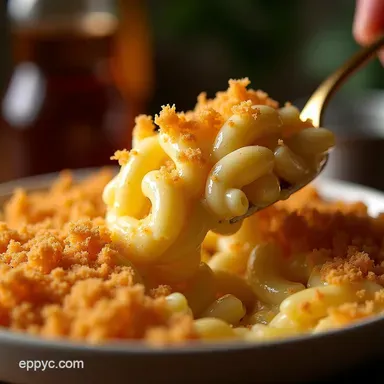
The Proper Job Baked Macaroni and Cheese with Three Cheeses and Crispy Panko Topping
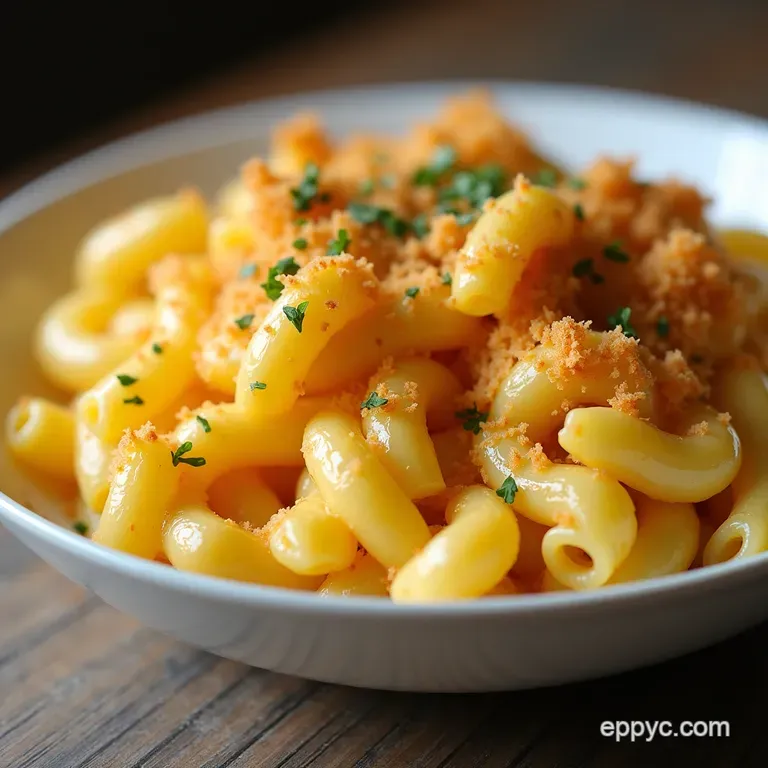
- Ditching the Box: Why This Baked Macaroni and Cheese Reigns Supreme
- The Philosophy Behind Velvety, Restaurant-Quality Sauce
- Gathering the Building Blocks for Unforgettable Flavor
- Decoding the Dairy Component: Which Cheeses Make the Cut?
- Step-by-Step Guide to Crafting the Ultimate Cheese Sauce
- Assembling and Baking Your Masterpiece Macaroni and Cheese
- Troubleshooting Common Cheese Sauce Catastrophes
- Elevating Your Bake: Variations and Next-Level Add-ins
- Recipe FAQs
- 📝 Recipe Card
Ditching the Box: Why This Baked Macaroni and Cheese Reigns Supreme
There are few dishes that evoke such immediate, soul-deep satisfaction as a steaming dish of rich, golden-topped pasta smothered in liquid gold. We are talking, of course, about true, from-scratch homemade macaroni and cheese .
Forget the pale, plasticky powder and artificially coloured elbow shapes of boxed versions; today, we are resurrecting a culinary classic. This specific macaroni and cheese recipe is designed not just to taste good, but to feel like a genuine, cozy achievement.
It walks the fine line between being wonderfully decadent and surprisingly straightforward to construct, landing squarely in the realm of the best macaroni and cheese recipe you will ever attempt.
The goal is a truly creamy macaroni and cheese that sets a new standard for your comfort food repertoire.
The Philosophy Behind Velvety, Restaurant-Quality Sauce
The heart of any spectacular pasta dish lies in its sauce, and for macaroni and cheese, this means mastering the Mornay, a béchamel sauce enriched with cheese. The failure point for many home cooks is texture; they end up with a grainy, greasy, or thin coating instead of a luxurious hug for the pasta.
Our approach eliminates this risk through precise technique and superior ingredient selection. We aren't just mixing ingredients; we are layering fundamental culinary building blocks to ensure a cohesive, stable, and deeply flavourful final product.
This methodology ensures that even if you find yourself looking up an easy recipe mid-cook, the resulting macaroni and cheese casserole will appear anything but amateur.
Setting the Standard: Introducing Our Signature Cheese Blend
Achieving that coveted velvety texture requires more than just dumping in a bag of pre-shredded orange goodness. The secret here lies in a calculated trio: Sharp Cheddar for the essential tangy bite, creamy Gruyère to introduce meltability and nutty depth, and a touch of finely grated Parmesan for an umami salty punch.
You will need approximately 12 ounces of cheese in total, and please, commit to grating it fresh. Pre-shredded cheeses are coated with starches to prevent clumping in the bag, and those same starches actively prevent your sauce from achieving peak smoothness.
A Comfort Food Revival: Your Journey to Silky Perfection Starts Here
This entire process, from melting the initial butter to pulling the finished baked mac and cheese from the oven, takes just about an hour, making it a surprisingly quick commitment for the massive payoff.
We start by setting our oven temperature to 375° F ( 190° C) and prepping our 9x13 inch baking dish. While the water boils for the pasta, you’ll be preparing your grated cheeses and ensuring your other components are ready to go.
This organized approach is key to moving swiftly through the sauce-making stage without mishap.
Tools of the Trade: Essential Gear for Ultimate Gooeyness
To successfully execute this macaroni and cheese recipe , you’ll need a large saucepan for the pasta, it needs room to move! For the sauce, a medium, deep skillet or a heavy-bottomed saucepan is ideal, as these hold heat consistently, which is vital when building a roux.
Crucially, you must have a reliable whisk. Trying to whisk a béchamel with a wooden spoon is asking for lumps; the whisk ensures aeration and constant agitation, the twin pillars of a lump-free sauce. A box grater is mandatory for realizing the full potential of your cheese blend.
Gathering the Building Blocks for Unforgettable Flavor
Before we begin the heat application, let’s catalogue the supporting players that elevate this dish beyond simple cheese and starch. A robust flavour profile doesn't happen by accident; it’s built ingredient by ingredient.
We will use 4 tablespoons of unsalted butter and an equal amount of all-purpose flour to form our initial flavour base. For the liquid, 3 cups of whole milk are required; warming this milk slightly before adding it to the roux prevents thermal shock, which is a common cause of lumpy sauces.
Decoding the Dairy Component: Which Cheeses Make the Cut?
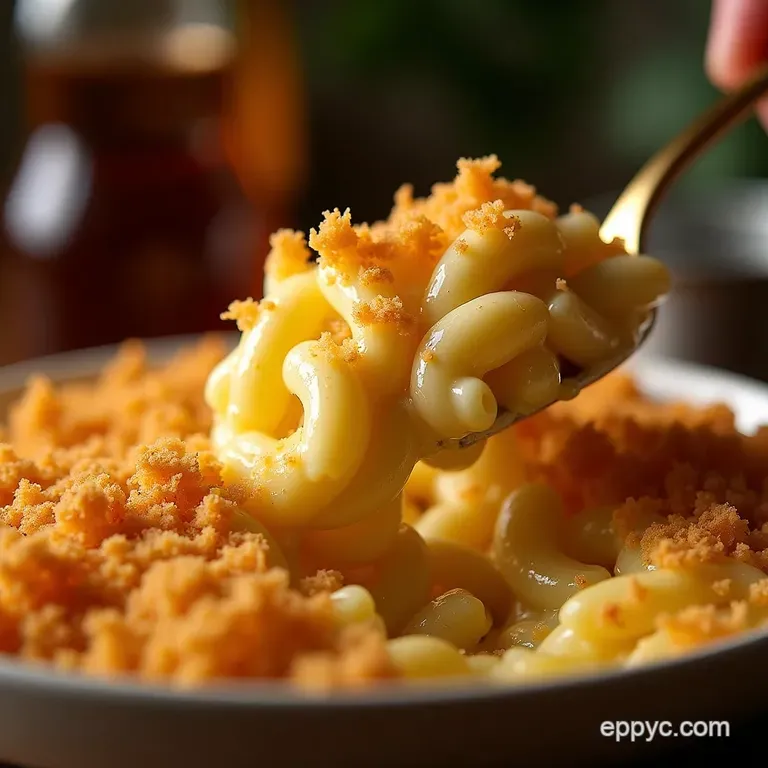
As mentioned, the balance of cheeses dictates the final character of your dish. We call for 6 ounces of sharp Cheddar, 4 ounces of Gruyère, and 2 ounces of Parmesan. Remember, the higher fat content in the Gruyère contributes significantly to the luxurious mouthfeel, while the sharp Cheddar provides the necessary backbone flavour that defines classic Mac and Cheese.
If you are making this for a crowd and need a sturdier option that holds up well to reheating, you might even consider investigating crock pot macaroni and cheese recipes, but for immediate gratification, this oven method wins every time.
The Pasta Paradox: Choosing the Right Shape for Sauce Adhesion
While elbow macaroni is the quintessential choice, its curved shape perfectly captures the creamy sauce, any short, sturdy pasta works. Rigatoni, cavatappi, or even shells are excellent alternatives. The most vital rule here is undercooking.
We will boil the 1 pound of pasta for exactly one minute less than the package suggests. Why? Because the pasta will continue to soften and absorb liquid while baking in the oven.
Pulling it out early ensures the final texture is perfectly al dente rather than collapsing into a pile of mush.
Pantry Staples: Beyond Butter and Flour for the Béchamel Base
The true complexity enters the sauce through subtle additions nestled within the Mornay. We rely on a small pinch of freshly grated nutmeg, it brightens the dairy notes beautifully, and one teaspoon of Dijon mustard.
That mustard is your secret weapon; it contains acetic acid that sharpens the cheese flavours without imparting an obvious mustard taste, deepening the overall profile of the creamy macaroni and cheese .
Salt and freshly ground black pepper are added to taste, but remember that Parmesan is salty, so season cautiously at the beginning.
The Topping Triumvirate: Achieving Peak Golden Crunch
The textural counterpoint to the silky sauce must be aggressively crunchy. This is achieved not with standard breadcrumbs, but with Panko, Japanese breadcrumbs known for their large, airy flakes that toast up beautifully.
We toss 1 cup of Panko with 2 tablespoons of melted butter and, optionally, a half teaspoon of smoked paprika for colour and a hint of smoky warmth. This topping transforms the dish from a simple casserole into a truly layered experience.
Related Recipes Worth Trying
- Best Chicken and Broccoli Casserole Without Soup — Ditch the canned stuff This is the ultimate Chicken and Broccoli Casserole Recipe built on a rich homemade cheese sauce Perfect weeknight comfort food
- The Proper Bake Ultimate Creamy Baked Mac and Cheese Recipe — Forget the box This homemade mac and cheese recipe yields a truly creamy texture with a crunchy panko topping Your new favourite comfort food awaits
- The Golden Standard Crispy Oven French Fries from Scratch — Ditch the deep fryer Learn the secret to truly crispy oven French fries using corn starch and a quick parboil for that perfect golden crunch
Step-by-step Guide to Crafting the Ultimate Cheese Sauce
This is where the technique comes into play. We move from building a simple foundation to creating a complex emulsion. Take your time, maintain your heat levels, and trust the whisk.
Phase One: Perfectly Al Dente Pasta Preparation
First things first: get your large pot of water boiling furiously, adding 2 tablespoons of salt. Once boiling, introduce the 1 pound of macaroni and cook for the reduced time discussed above. Drain immediately and thoroughly, a little residual water is fine, but excess moisture will thin your final sauce.
Set the pasta aside while you focus on the sauce base.
Mastering the Roux: Developing the Flavor Foundation
In your medium, heavy-bottomed saucepan, melt the 4 tablespoons of butter over medium heat. Once fully melted and shimmering, immediately whisk in the 4 tablespoons of flour. This mixture, the roux, must cook for a full two minutes, stirring constantly.
You are cooking out the raw flour taste and developing a slightly nutty aroma. Do not let it brown excessively; we are aiming for a pale blonde roux for a light-coloured sauce.
Tempering the Milk: Avoiding Lumps in Your Mornay Sauce
This step requires patience. After the roux has cooked, gradually introduce the 3 cups of milk, ideally warmed slightly beforehand, about a half-cup at a time. Whisk vigorously after each addition until the mixture is smooth before adding the next pour.
Once all the milk is incorporated, raise the heat to medium-high and bring the sauce to a gentle, steady simmer, whisking often, until it thickens enough to heavily coat the back of a spoon. This is your béchamel. Remove it from the heat entirely before moving on.
The Final Fusion: Integrating Cheese and Pasta Before the Bake
With the heat off, stir in the nutmeg and Dijon mustard. Now, add your cheeses in stages: start with the grated Cheddar and Gruyère, stirring slowly until each addition is fully melted and incorporated before adding the next handful. Finally, fold in the Parmesan.
Taste the sauce critically and adjust salt and pepper as needed. Gently fold the slightly undercooked macaroni into this beautiful, rich Mornay sauce until every piece is thoroughly enveloped. Transfer this magnificent mixture into your prepared baking dish.
Assembling and Baking Your Masterpiece Macaroni and Cheese
Now that the creamy base is established, it’s time for the glorious finale. Sprinkle the buttered Panko mixture evenly over the top of the pasta. It should cover the surface completely. Place the dish into the preheated 375° F ( 190° C) oven.
Bake for 20 minutes. The sauce should be visibly bubbling around the edges, indicating it is heated through. For that irresistible golden crust, switch your oven setting to the broiler (high grill) for the final 3 to 5 minutes.
Watch it like a hawk here; Panko burns quickly, but the goal is a deep, toasted amber colour.
Troubleshooting Common Cheese Sauce Catastrophes
The most common issue is a grainy or separated sauce. This almost always happens due to excessive heat when adding the cheese, or using pre-shredded cheese. If your sauce separates, remove it immediately from the heat source.
Whisk in a tablespoon of cold water or milk aggressively; this can sometimes shock the emulsion back together. If it’s still grainy, you can strain the sauce through a fine-mesh sieve before mixing it with the pasta, sacrificing a little thickness for smoothness.
Elevating Your Bake: Variations and Next-Level Add-ins
While this recipe stands strong on its own, the world of baked mac and cheese is ripe for personalization. For a smoky depth, incorporating smoked paprika into the sauce itself, or folding in cooked, crumbled bacon, adds a welcome layer of complexity.
For a touch of acidity to cut through the richness, a tablespoon of cream cheese melted into the Mornay can also work wonders. If you ever decide to transition to slow-cooking, a crock pot macaroni and cheese variation often benefits from adding a little evaporated milk to help stabilize the sauce over long cook times.
Secrets to Stopping Separation: Controlling Heat and Acidity
Cheese contains proteins that tighten up under high heat or acidity, causing fat to leak out, that greasy separation we despise. This is why we remove the sauce from the burner before adding the bulk of the cheese, and why we use mild acid like Dijon mustard rather than something harsher like lemon juice.
On top of that,, ensure your oven temperature is calibrated correctly; an overly hot oven can cause the top layer to dry out while the inside remains undercooked.
Storing Leftovers: Preserving the Richness of Homemade Macaroni and Cheese
Leftovers are inevitable, and storing them correctly is essential. Allow the macaroni and cheese casserole to cool completely before sealing it tightly in an airtight container. It keeps beautifully in the refrigerator for up to four days.
When reheating, the sauce might seem a touch stiff; to restore its velvety nature, add a splash of milk or cream to the portion as you reheat it gently on the stovetop or in the microwave.
Spice Rack Secrets: Introducing Umami and Heat
To push the umami factor without changing the core cheese flavour, try grating a sliver of dried shiitake mushroom into your Parmesan layer, or adding a dash of Worcestershire sauce alongside the Dijon mustard.
For those who crave a little fire, a dash of cayenne pepper or a teaspoon of finely minced jalapeño incorporated before baking will give your dish a pleasant lingering warmth that complements the sharp cheddar beautifully.
Nutritional Snapshot: Understanding the Indulgence
Let’s be honest: this is not a health food. A dish this decadent, featuring high-quality cheese, butter, and rich whole milk, is a genuine indulgence. Per serving, expect this homemade macaroni and cheese to clock in around 550-600 calories, high in fat and carbohydrates, but also delivering a substantial protein punch from the dairy.
Savor it, knowing that you’ve created something truly superior, worthy of being the centerpiece of any comfort food spread.
Recipe FAQs
Why is my Macaroni and Cheese sauce lumpy? I followed the recipe perfectly!
That's a classic kitchen conundrum! Lumps usually happen when the flour in the roux isn't cooked out enough, or when cold liquid hits a hot roux, causing it to seize up. Next time, ensure your milk is slightly warmed before adding it slowly, and whisk vigorously from the moment the milk hits the pan.
A few lumps can sometimes be smoothed out by blending quickly with an immersion blender, but prevention is always better than cure!
Can I make this "Proper Job" Macaroni and Cheese ahead of time, and if so, how should I store it?
You absolutely can prep this ahead, which is brilliant for big gatherings! You can assemble the entire dish, topping included, cover it tightly, and refrigerate for up to two days.
When you're ready to bake, let it sit on the counter for about 30 minutes to take the chill off, then add about 10–15 minutes to the initial baking time. Don't worry; it’ll still be smashing!
What's the secret to avoiding soggy pasta in baked Macaroni and Cheese?
The trick here is to treat the pasta like you're preparing it for a cold pasta salad rather than a hot meal, it needs to be undercooked! We specifically call for cooking the macaroni one minute less than the package suggests, making it very al dente.
This ensures that while it finishes cooking in the oven's heat and absorbs the rich sauce, it doesn't turn into complete mush.
I'm not a fan of Gruyère; what other cheeses can I use in this Macaroni and Cheese recipe?
That's the beauty of a three-cheese blend, you can easily swap out one component! If you want to skip the Gruyère, try swapping it for Fontina, which melts beautifully and offers a lovely creamy texture.
Alternatively, for a sharper tang, you could use a good quality aged Gouda; just remember to grate it fresh to keep that sauce silky smooth.
My topping always burns before the centre is piping hot. How do I get a golden, crunchy top?
That’s often down to the oven setting. For the perfect bake, follow the two-step process: bake it covered (or uncovered) at a moderate temperature until the sauce is bubbling, and then switch to the grill (broil) for the final few minutes.
Keep a keen eye on it under the grill, it can go from golden brown to charcoal in a blink! A little smoked paprika also helps give a lovely, deep colour.
The Best Homemade Baked Macaroni and Cheese Recipe