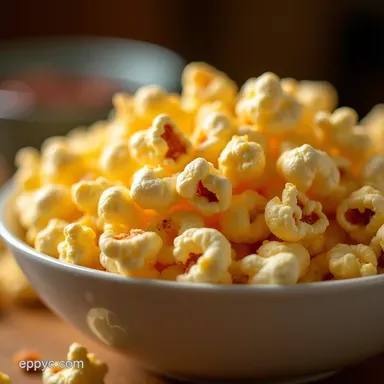
The Ultimate Stovetop Popcorn Perfectly Popped Kernels Every Time
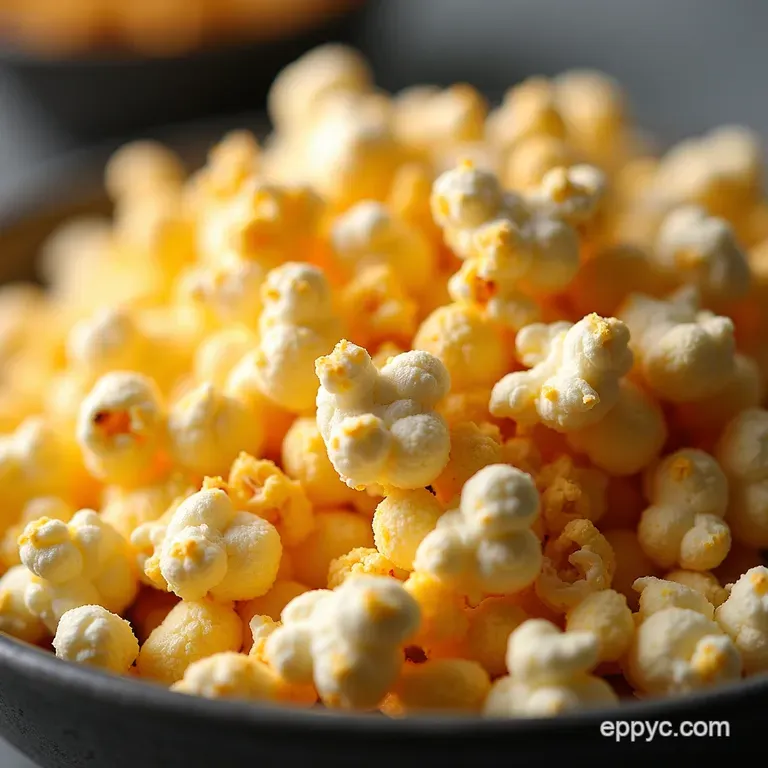
- Why Stovetop Reigns Supreme: The Definitive Kernel Cultivation
- Elevating Comfort Food: Achieving Cinema-Grade Fluff
- Essential Components for Flawless Popcorn Creation
- Selecting Your Flavor Foundation: Oil, Salt, and Kernel Quality
- Mastering the Heat Curve: The Foolproof Popping Sequence
- Next-Level Flavor Infusions: Moving Past Simple Salting
- Troubleshooting and Texture Management for Consistent Results
- Recipe FAQs
- 📝 Recipe Card
Why Stovetop Reigns Supreme: The Definitive Kernel Cultivation
There is a distinct magic that occurs when humble, hard seeds transform into a light, airy cloud right before your eyes. While modern convenience offers speedy microwave options, nothing truly compares to the foundational method of crafting best homemade popcorn directly on the stovetop.
This technique grants you absolute dominion over temperature, fat content, and seasoning adhesion. It’s the difference between settling for adequate and achieving true culinary excellence.
When you master how to make popcorn on stove , you unlock the potential for truly gourmet popcorn flavors , moving far beyond the predictable, often soggy results of pre-packaged alternatives.
This stovetop popcorn recipe is about control, resulting in a snack that is exponentially crunchier, cleaner tasting, and ultimately more satisfying for any occasion, especially popcorn recipe for movie night .
Elevating Comfort Food: Achieving Cinema-Grade Fluff
At its heart, popcorn is the ultimate accessible indulgence. Our goal here is to elevate this simple snack from a casual nibble to a centerpiece of comfort.
This commitment involves rejecting shortcuts in favour of pristine technique, ensuring every single kernel contributes to a unified, glorious pile of puffed perfection.
Ditching the Bag: Our Commitment to Freshly Puffed Perfection
The single most significant step toward superior popcorn is bypassing the waxed paper bags saturated with artificial flavourings. When we choose perfect popcorn kernels and cook them ourselves, we control the oil, the vehicle that transfers heat efficiently.
We are aiming for an incredibly low moisture content in the final product, which is impossible to guarantee when relying on factory processing. This easy popcorn recipe emphasizes using fresh, vibrant kernels that haven’t been sitting on a shelf for too long, as freshness directly correlates to expansion volume.
The Chef’s Promise: Maximum Yield, Zero Burnt Bits
The primary challenge when learning how to make popcorn on stove is balancing the heat, you need it hot enough to pop everything quickly, but not so hot that the initial kernels burn before the rest catch up. Our method incorporates a brief off-heat resting period.
This allows the residual heat in the oil to warm the entirety of the kernel batch simultaneously, promoting an impressive, even 'pop' cascade rather than staggered explosions that leave behind sad, un-popped seeds at the bottom of the pot.
A Kernel’s Journey: From Hard Seed to Airy Snack
The physical transformation is fascinating. Inside each kernel lies a tiny drop of water encased in a hard starch shell. When the oil reaches approximately 350° F ( 175° C), the water turns to steam, building immense pressure.
When the shell finally ruptures, the superheated starch rapidly expands and cools, setting instantly into the familiar, fluffy shape. Getting the oil to that precise temperature is the secret to yielding 100% usable, light-as-air healthy popcorn snacks .
Essential Components for Flawless Popcorn Creation
To ensure success with this stovetop popcorn recipe , the preparation of your tools and ingredients is paramount. You’ll need a large, heavy-bottomed pot, ideally 3 quarts or larger, with a lid that fits snugly.
A heavy base distributes heat evenly, preventing hot spots that lead to scorching. We are aiming for approximately 10–12 cups of finished corn, perfect for serving 4 to 6 people. Alongside the vessel, you'll need a dedicated heat source and something to catch your bounty, like a very large mixing bowl.
Related Recipes Worth Trying
- Best Brown Butter Stovetop Popcorn Recipe — Upgrade your movie night popcorn This easy popcorn recipe uses brown butter for a nutty gourmet crunch that beats any microwave bag Get the secret step here
- Stovetop Cinema How to Cook Popcorn on Perfect Kernels — Learn how to cook popcorn on the stovetop for perfectly popped kernels just like the cinema This easy popcorn recipe is ready in minutes The best movie...
Selecting Your Flavor Foundation: Oil, Salt, and Kernel Quality
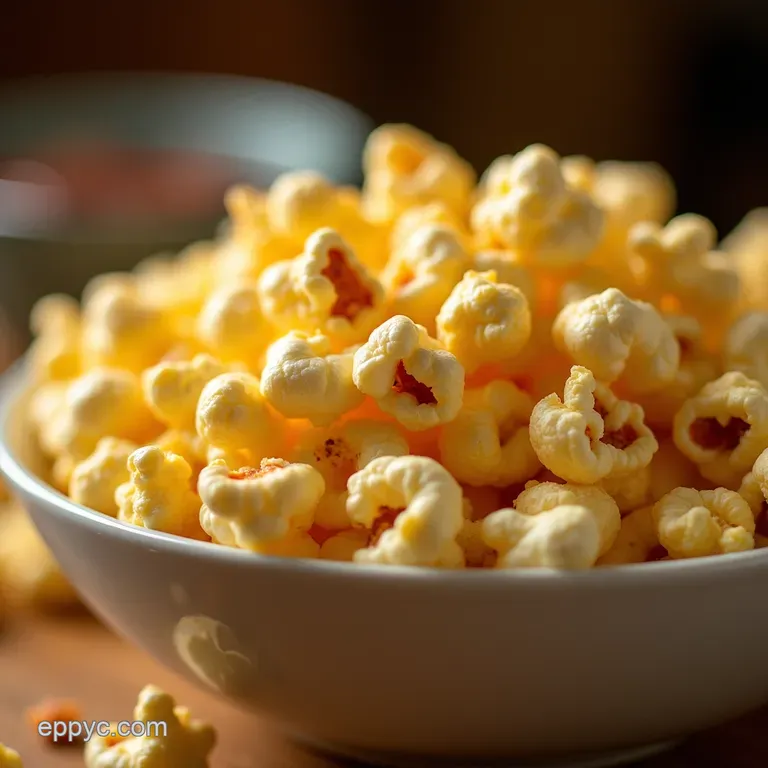
The three pillars of great popcorn are the fat, the seed, and the seasoning. Skimping on any of these translates directly to a mediocre result. We start with perfect popcorn kernels —ensure they are fresh, dry, and specifically designated for popping, not decorative corn.
The Triple Threat: Perfect Ratios of Oil, Heat, and Kernels
For this method, the ideal ratio balances sufficient oil for heat transfer without creating a greasy final product. We use 3 tablespoons of high-heat oil for every 1/2 cup of kernels.
This ratio ensures that when the kernels are added, they are immediately submerged and coated, ready to absorb the required temperature boost. Heat control, as we will discuss, dictates when and how to introduce the main batch after initial temperature testing.
Choosing the Right Medium: Coconut Oil vs. High-Heat Alternatives
While many oils can work, coconut oil is a favourite among enthusiasts because it imparts a subtle, satisfying richness reminiscent of old-school theatres. If you prefer a neutral taste, canola or sunflower oil are excellent, reliable alternatives due to their high smoke points.
Crucially, avoid low smoke-point oils like standard olive oil, as they will break down and smoke before your kernels even begin to swell.
Beyond Table Salt: Seasoning Tools for Optimal Adhesion
Once popped, seasoning needs help sticking to the irregular surfaces of the corn. Simply sprinkling dry salt onto the mound often results in the salt all pooling at the bottom. The key to even flavour distribution is applying a liquid carrier, usually melted butter (2 tablespoons works well for our batch size), right after the corn is removed from the heat.
For maximum adhesion, use fine sea salt or specialty popcorn salt, as the smaller crystals adhere much more readily than large flakes.
Mastering the Heat Curve: The Foolproof Popping Sequence
This section is where technique separates the novice from the master. The entire process, from first heat application to the final pop, should take less than 10 minutes. Patience during the heating phase is rewarded tenfold during the popping phase.
The Crucial Test Pop: Ensuring Optimal Oil Temperature
Before adding your main half-cup of kernels, you must confirm the oil is primed. Add 3 kernels to the 3 tablespoons of oil in your large pot and cover it. Place the pot over medium-high heat. You are waiting for these three kernels to pop.
When they do, the oil has reached the necessary temperature, usually around 350° F ( 175° C), to initiate a quick, comprehensive eruption.
Phase One: The Oil Warming Ritual for Full Expansion
Once those three test kernels pop, immediately remove the pot from the heat source. Remove and discard those three popped testers. Now, add the remaining 1/2 cup of kernels to the hot oil. Cover the pot immediately and gently shake it vigorously for about 10 to 15 seconds.
This crucial rest period, known as "tempering," allows the heat absorbed by the oil to spread evenly across all the un-popped seeds.
The Shake Technique: Keeping Kernels Moving for Even Cooking
Return the covered pot to the medium-high heat. As soon as you hear the first pop, you must begin shaking. Use small, constant circular motions, lifting the pot slightly off the burner every few seconds.
This prevents the kernels sitting on the bottom from scorching while ensuring the un-popped ones cycle up into the hotter oil zones. Maintain this gentle shake throughout the entire popping process.
When to Cover Up: Timing the Final Eruption of Popcorn
Listen carefully. The popping will intensify rapidly and then begin to slow down. The moment the pops decrease to 2 or 3 seconds between individual pops, immediately remove the pot from the heat. Keep the lid slightly ajar, just enough to allow steam to escape.
Steam is the enemy of crunch, and allowing it to vent preserves the airy crispness you worked so hard to achieve.
Next-Level Flavor Infusions: Moving Past Simple Salting
While the classic butter and salt combination is timeless, once you master the base technique, you gain the canvas for extraordinary gourmet popcorn flavors .
The melted butter or oil used as a binder should be applied immediately after the corn is transferred to the serving bowl to maximize coating surface area before the kernels cool down. This is when you introduce creative additions.
Troubleshooting and Texture Management for Consistent Results
Even with the best intentions, hiccups occur. Knowing how to adjust seasoning or salvage texture guarantees future success when preparing this easy popcorn recipe .
Glazed Glory: Crafting a Unique Brown Sugar Cinnamon Topping
For a sweet departure, melt 2 tablespoons of butter with 2 tablespoons of packed brown sugar and 1/2 teaspoon of cinnamon in a small saucepan over low heat until smooth. Drizzle this mixture over the hot, lightly salted popcorn.
Toss quickly and spread onto parchment paper to cool slightly before serving; this prevents the sugar from clumping into large, rock-hard masses. This variation transitions beautifully into structures like popcorn balls recipe components if you decide to bind them together later.
Storage Secrets: Maintaining Maximum Crunch Longevity
The primary reason homemade popcorn loses its appeal is moisture absorption. Store cooled, fully dried popcorn in a container that allows minimal air exchange, such as a large zip-top bag with most of the air pressed out, or an airtight cookie tin.
Avoid clear plastic containers in humid environments. If your popcorn does go slightly soft, refresh it by spreading it on a baking sheet and warming it in a 300° F ( 150° C) oven for about 5 minutes; this drives out residual moisture.
Savory Swaps: Spicy Chili Powder and Herbaceous Dustings
To move into savory realms, consider mixing finely ground seasonings directly into your melted butter carrier. Smoked paprika, onion powder, and a pinch of cayenne create a smoky, spicy profile that adheres beautifully.
For an herbal twist, finely crush dried rosemary or thyme between your fingers before mixing it into the melted fat. These complex profiles make the snack truly memorable for any gathering.
Fixing the Few: What to Do with Unpopped Kernels
If you followed the heat testing correctly, you should have very few un-popped kernels ("old maids"). Do not attempt to eat these, they are hazardous to teeth! Collect them at the bottom of the bowl.
They can be safely discarded, or, if you wish to salvage them, place them back into the pot with a fresh teaspoon of hot oil and try popping them again over high heat.
Recipe FAQs
Why is my stovetop popcorn still chewy instead of crispy?
This is usually down to steam, the arch-nemesis of good popcorn! Make sure you slightly crack the lid immediately after removing the pot from the heat. This lets the moisture escape, ensuring that beautiful, airy crunch you’re after. Also, using fresh kernels makes a huge difference.
What's the secret to getting every single popcorn kernel to pop?
The secret lies in the temperature control, we call it the '3-Kernel Test'! By testing just three kernels first, you ensure the oil is at the absolute perfect heat (about 375°F or 190°C).
Once those pop, remove the pot from the heat for 30 seconds before adding the rest; this equalizes the temperature so they all cook evenly.
Can I use olive oil instead of coconut or canola oil for making popcorn?
Honestly, mate, I wouldn't recommend it. Standard olive oil has a relatively low smoke point, meaning it will start to burn and smoke before your kernels have a chance to fully pop. Stick to high-heat oils like refined coconut, canola, or peanut oil for the best results.
How should I store leftover popcorn to keep it fresh?
Popcorn is best eaten right away, but if you must store it, use an airtight container at room temperature. Avoid the fridge, as that dries it out too quickly! If it goes a bit stale the next day, you can try quickly tossing it in a dry skillet over low heat for a minute to refresh the crunch.
I’m trying to keep things healthy; how can I make this popcorn less calorific?
If you're watching your calories, the biggest win is ditching the butter drizzle; the oil used for popping already provides good fat. For flavour, try swapping butter for a light spray of olive oil mist and season heavily with fine salt and nutritional yeast instead of relying on heavy toppings.
The Best Stovetop Popcorn Recipe Foolproof Movie Night Snack