The Proper Bake Chefs Signature Creamy Threecheese Macaroni Cheese
- Elevating Comfort Food: Why This Baked Macaroni & Cheese Recipe Dominates
- The Secret Trio: Unpacking the Flavour Profile of Our Signature Sauce
- Assembling Your Components: The Essential Shopping List
- Phase One: Crafting the Luxurious Béchamel Base
- Phase Two: Combining Elements for Optimal Richness
- The Grand Finale: Baking to Golden Perfection
- Troubleshooting Common Creaminess Catastrophes in Your Mac and Cheese
- Customizing Your Comfort: Variations and Flavor Boosters
- Storage Secrets: Keeping Leftovers Glorious
- Recipe FAQs
- 📝 Recipe Card
Elevating Comfort Food: Why This Baked Macaroni & Cheese Recipe Dominates
There are dishes, and then there are experiences . Mac and Cheese firmly belongs in the latter category. It’s the ultimate anchor for any collection of comfort food recipes , capable of soothing the soul with its warm embrace.
But let’s be honest: not all cheese and pasta combinations are created equal. We aren't aiming for the thin, often gluey stovetop sludge that can sometimes plague lesser attempts.
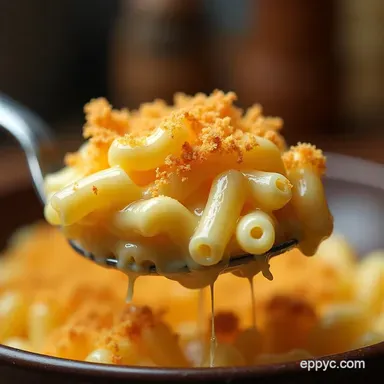
Our goal, and the focus of this guide, is to produce the best mac and cheese you’ve ever tasted, one with a complex, velvety interior and a shattering, golden top layer.
This definitive Mac and Cheese recipe transforms humble ingredients into a sophisticated, deeply satisfying main course, proving that homemade mac and cheese is miles ahead of the boxed alternative.
The Secret Trio: Unpacking the Flavour Profile of Our Signature Sauce
The heart of any magnificent Mac and Cheese lies not just in the cheese itself, but in how that cheese is married to the dairy base. Our signature approach hinges on building layers of flavour within the béchamel, ensuring we achieve a supremely creamy mac and cheese .
We rely on a three-cheese blend: the assertive tang of sharp Cheddar for that classic bite, the earthy, nutty notes of Gruyère to add depth, and a touch of smoked Gouda to introduce a subtle, lingering smokiness that elevates the entire dish beyond the ordinary.
This careful selection ensures that every spoonful offers both sharpness and richness.
Moving Beyond the Stovetop: The Magic of the Oven Finish
While a perfect stovetop sauce is the prerequisite, the true transformation happens in the heat of the oven. Adding a baking step transforms the texture entirely. The sauce thickens slightly further as it bakes, bonding beautifully with the pasta, resulting in a sturdy yet still luxuriously gooey interior.
On top of that,, baking sets the stage for the crust, creating that essential contrast between soft filling and crunchy exterior, a hallmark of excellent oven-baked mac and cheese .
A Culinary Promise: What Makes This Recipe Fail-Proof
Achieving true creaminess can feel intimidating, often leading to grainy or separated sauces. This recipe minimizes that risk through precise technique, particularly regarding the initial creation of the roux and the incorporation of the milk.
By warming the milk beforehand and adding it slowly to the cooked flour and fat base, we ensure a seamless emulsification. This method, combined with specific cheese choices, guarantees that your finished product will possess that coveted, silky texture, making this a truly reliable Mac and Cheese recipe even for novice cooks.
Meet the Cheeses: Our Expert Blend for Maximum Melt and Depth
The flavour foundation rests on these three stars. You will need a pound of pasta combined with roughly 3.5 cups of cheese total. Start with 2 cups of freshly grated sharp Cheddar, its acidity cuts through the richness. Add 1 cup of Gruyère for stretch and its superior melting quality.
Finally, incorporate half a cup of smoked Gouda. This trio delivers unparalleled texture and a flavour profile that hints at complexity without overwhelming the simple joy of melted cheese and pasta.
Remember, grating your own cheese is the single most important step for achieving a smooth mac and cheese sauce .
Assembling Your Components: The Essential Shopping List
Preparing for this dish is half the battle won. Since this is a from-scratch preparation, gathering your specific components beforehand prevents frantic searching mid-sauce making. We are looking to yield 6 to 8 hearty servings, so ensure you have enough high-quality components to match that volume.
Selecting the Perfect Pasta Shape for Sauce Adherence
While the classic choice is elbow macaroni, we recommend seeking out bronze-cut pasta, such as cavatappi or penne rigate, if possible. The slightly rougher exterior of bronze-cut pasta provides microscopic crevices for the rich mac and cheese sauce to cling to, ensuring that every bite is coated perfectly.
You'll boil 1 pound (450g) of your chosen shape, but note this crucial detail: it must be cooked until noticeably underdone, or very al dente .
The Dairy Lineup: Measuring Fats and Liquids Precisely
The foundation of our sauce relies on 6 tablespoons of unsalted butter and 6 tablespoons of all-purpose flour to form the roux, followed by 4 cups of whole milk. Using whole milk is vital; the higher fat content provides the body needed to support the weight of the cheese without breaking down.
Crucially, this milk must be gently warmed before it meets the roux, a step that prevents lumps and ensures a velvety smooth base.
Building the Crunch: Panko and Seasoning Ratios for the Topper
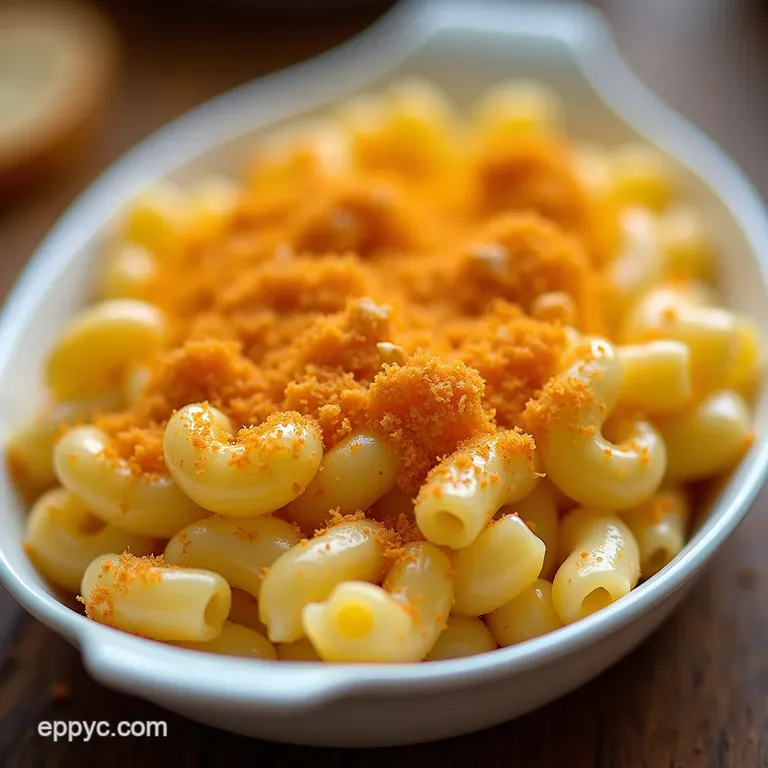
The crowning glory of any baked mac and cheese is the crust. We opt for 1 cup of Panko breadcrumbs, tossed with 3 tablespoons of melted butter and a dash of paprika for colour.
Panko, being flakier than traditional breadcrumbs, absorbs the butter perfectly while baking up to an incredible crispness, providing textural variety that elevates this dish above standard mac and cheese bites concepts.
Phase One: Crafting the Luxurious Béchamel Base
The first significant technical hurdle in mastering this homemade mac and cheese is nailing the béchamel. This foundational white sauce sets the stage for everything that follows.
Achieving the Roux: A Smooth Start is Non-Negotiable
In a heavy-bottomed saucepan, melt your 6 tablespoons of butter over medium heat. Once shimmering, gradually whisk in the 6 tablespoons of flour. This mixture is your roux. You must stir constantly for approximately two full minutes until it smells slightly nutty and achieves a pale blonde colour.
This cooking time is essential; it eliminates the raw flour taste. Do not rush this step, as a poorly cooked roux leads directly to a pasty, unpleasant sauce later.
Tempering the Milk: Avoiding Lumps in Your Cheese Sauce
Once the roux is perfectly cooked, it’s time for the milk. Ensure your 4 cups of whole milk have been gently warmed, this is non-negotiable for lump prevention. Remove the pan from direct heat briefly, then begin whisking in the warm milk, adding only a half-cup at a time.
Wait until the first addition is completely smooth and incorporated before adding the next. Continue whisking steadily as you return the pan to low heat. Allow the mixture to simmer very gently until it thickens enough to coat the back of a spoon completely.
Pasta Prep: Al Dente is the Only Way to Go
While your sauce is simmering and thickening, attend to the pasta. Boil the 1 pound of macaroni in heavily salted water until it is truly two minutes shy of the package instructions. It must retain significant resistance.
Overcooked pasta will disintegrate into mush once mixed with the hot sauce and baked, undermining the structure of the final baked mac and cheese . Drain it immediately and toss it aside while you finish the sauce.
Related Recipes Worth Trying
- The Golden Standard Crispy Oven French Fries from Scratch — Ditch the deep fryer Learn the secret to truly crispy oven French fries using corn starch and a quick parboil for that perfect golden crunch
- The Best Homemade Creamy Macaroni and Cheese Recipe — Ditch the box This stovetop macaroni and cheese recipe builds a foolproof velvety béchamel sauce topped with crispy panko Your definitive guide to comfort...
- The Perfect Baked Beef and Rice Stuffed Peppers Recipe — A foolproof classic Stuffed Peppers Recipe baked in the oven Tender peppers filled with savoury beef and rice for ultimate comfort food Full recipe inside
Phase Two: Combining Elements for Optimal Richness
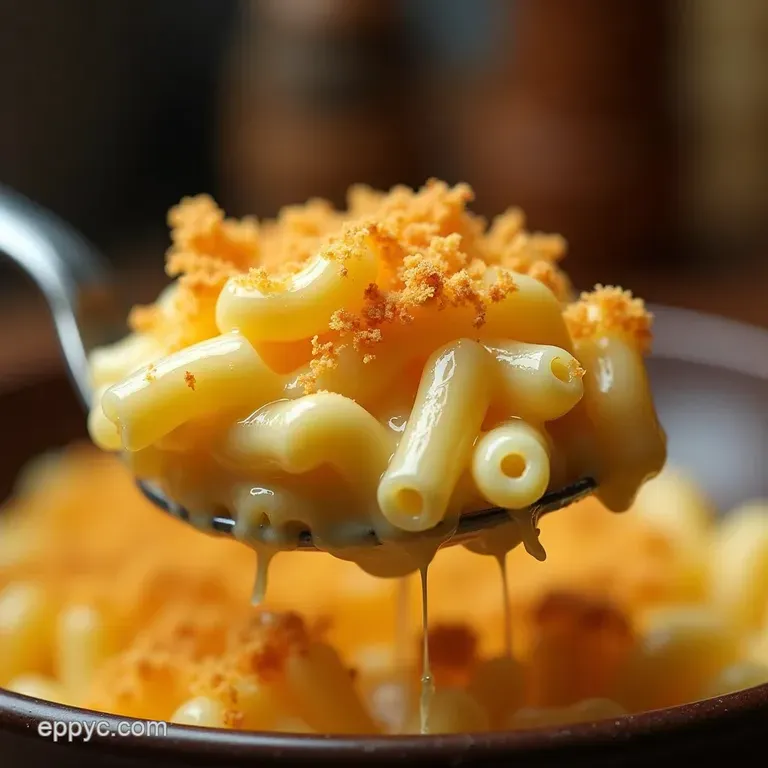
With a smooth béchamel established, we transition from a classic French sauce to the cheesy marvel that defines Mac and Cheese .
Once the béchamel coats the back of a spoon, remove the pan entirely from the heat source. This is critical: high heat damages the proteins in cheese, causing them to seize and separate, resulting in graininess.
Whisk in your seasoning, 1 teaspoon of dry mustard powder (which magically enhances the cheese flavour) and 1/2 teaspoon of black pepper. Then, introduce the grated Cheddar, Gruyère, and Gouda in batches. Stir gently until each addition is completely melted and incorporated before adding the next.
Finally, taste and adjust the salt levels cautiously.
Layering Strategy: Ensuring Even Distribution Before the Oven
Once the sauce is glossy, rich, and velvety smooth, gently fold in the slightly undercooked pasta. Use a large spatula to ensure every noodle is thoroughly enveloped in the creamy mac and cheese sauce .
Transfer this entire glorious mixture into your greased 9x13 inch baking dish, spreading it evenly. Now, prepare your topping by tossing the Panko with melted butter and paprika, scattering it generously over the surface.
The Grand Finale: Baking to Golden Perfection
This final stage is where patience rewards you with textural contrast.
Preheat your oven to 375° F ( 190° C). Place the assembled dish into the hot oven and bake for 30 to 35 minutes. You are looking for the edges to bubble vigorously and the sauce to be deeply integrated.
The Panko topping should achieve a deep golden-brown hue. If, after 30 minutes, the topping looks pale but the interior is molten, switch the oven to the broiler setting for 60 to 90 seconds, watching hawk-like to prevent scorching.
Remove the dish from the oven and allow it to rest for a mandatory 10 minutes; this short respite allows the sauce to settle and solidify slightly, preventing it from turning soupy when served.
Troubleshooting Common Creaminess Catastrophes in Your Mac and Cheese
If, despite your best efforts, your sauce looks grainy or separated, the culprit is almost always overheating after the cheese was added. The goal is a gentle melt, not a boil.
Preventing Graininess: The Role of Starch and Heat Control
Graininess often occurs when the cheese is added to sauce that is too hot, or if the cheese itself contained too many anti-caking agents. If you suspect separation, rapidly whisking in a teaspoon of cold water or a splash of milk off the heat can sometimes shock the emulsion back together.
For future attempts, strictly adhere to grating your own cheese and always remove the sauce from direct heat before adding dairy solids.
Customizing Your Comfort: Variations and Flavor Boosters
While this classic blend is fantastic, the beauty of homemade mac and cheese lies in customization. Think of this recipe as a robust template for culinary exploration.
Spice It Up: Recommended Add-ins for Next-Level Flavor
To transform this from classic to bold, consider integrating spices directly into the béchamel. A teaspoon of smoked paprika or a half-teaspoon of cayenne pepper offers a pleasant background warmth. For a funkier, deeper profile, stir in a tablespoon of Dijon mustard along with the dry mustard powder.
If you are aiming for a sophisticated starter, these flavour boosters are excellent paths toward unique mac and cheese bites precursors.
Storage Secrets: Keeping Leftovers Glorious
Leftovers are inevitable when making a dish this beloved. Storing and reheating properly ensures that the richness remains intact.
Make-ahead Timelines: Planning Your Dinner Party Schedule
This dish is perfect for making ahead. You can assemble the entire oven-baked mac and cheese —sauce mixed with pasta, topped with panko, and cover it tightly. Refrigerate for up to 24 hours.
When ready to bake, pull it from the fridge about 30 minutes before putting it in the oven, increasing the baking time by 10 to 15 minutes to ensure it heats through completely.
Reheating Wisdom: Restoring That Just-Baked Texture
When reheating leftovers, avoid the microwave if possible, as it tends to dry out the pasta unevenly. Instead, reheat portions in a covered, oven-safe dish at 350° F ( 175° C).
To combat any slight drying, stir in a tablespoon or two of fresh milk or cream per serving before reheating. This simple addition reintroduces necessary moisture, restoring that just-made, creamy mac and cheese consistency beautifully.
Recipe FAQs
Why is my Mac and Cheese sauce grainy or separating after I add the cheese?
This is a classic kitchen kerfuffle! The culprit is usually either adding the cheese too quickly or boiling the sauce after the cheese is incorporated. Always add grated cheese gradually off the heat, allowing each batch to melt fully before adding more.
Also, remember that pre-shredded cheese contains anti-caking agents that prevent smooth melting, so grating your own sharp cheddar is key for that velvet texture.
Can I make this Creamy, Three-Cheese Macaroni & Cheese ahead of time, and if so, how long does it keep?
Absolutely, it’s perfect for prepping for a dinner party. You can assemble the entire dish, cover it tightly with foil, and store it in the fridge for up to two days. When ready to bake, let it sit on the counter for about 30 minutes to take the chill off, then add about 10-15 minutes to the total baking time to ensure it heats through properly.
What's the secret to getting that perfect crunchy topping on the Baked Mac and Cheese?
It’s all down to the breadcrumbs, we use Panko for superior crunch! Make sure you toss them generously with melted butter until they are evenly coated, which helps them toast rather than burn.
For an extra golden finish, pop the dish under a medium broiler for the last minute or two, but keep a very close eye on it, as Panko burns faster than you can say 'Sunday Roast'.
My pasta always gets mushy when baked. How can I stop my macaroni from turning into complete sludge?
That mushy texture happens when the pasta continues cooking in the oven for too long. The key here is to undercook the macaroni significantly, pull it out of the boiling water at least 2 minutes before the package suggests for 'al dente'.
It will firm up beautifully while absorbing the rich sauce during the 35-minute bake.
I don't have Gruyère or Smoked Gouda. What are the best cheese substitutes for this recipe?
If you can't source those specific cheeses, don't fret; we can improvise! For the Gruyère, try Emmental or even a high-quality Monterey Jack for similar meltiness. For the Gouda, a small amount of smoked Provolone or even a dash of smoked paprika mixed into the cheddar will give you that deep, smoky undertone we are aiming for.
The Proper Bake Ultimate Creamy Baked Mac and Cheese Recipe