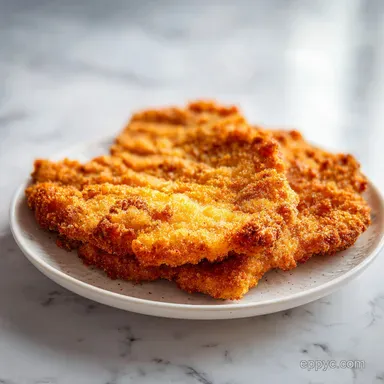
Bobby Flay Chicken Fried Steak: Crispy and Golden
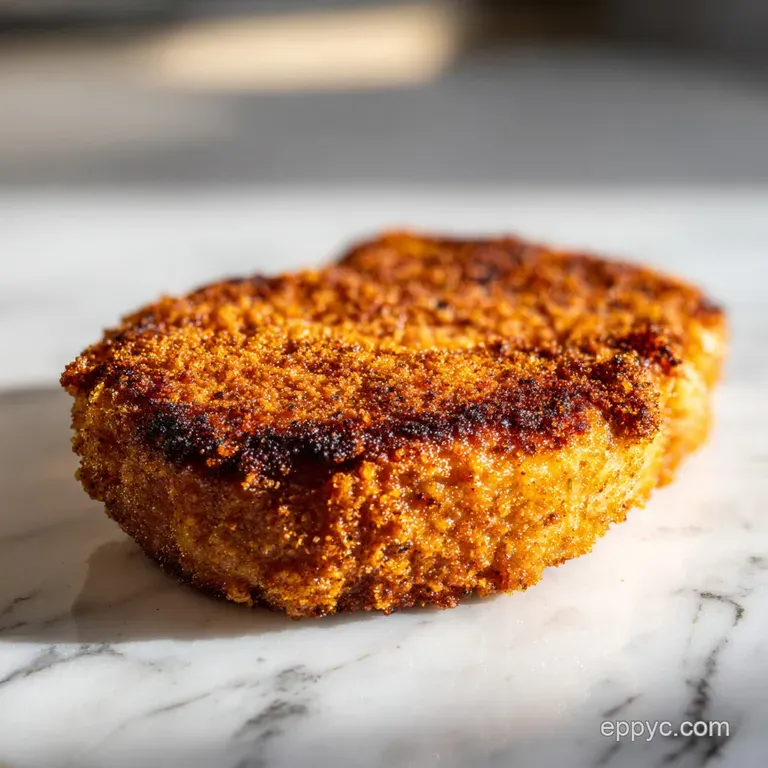
- Time:15 minutes active + 10 minutes cook = Total 25 minutes
- Flavor/Texture Hook: Velvety turkey gravy over a deep gold, shatter crisp crust
- Perfect for: A high impact comfort dinner that doesn't require a kitchen full of gear
- Forget the Deep Fryer: Rethinking the bobby flay chicken fried steak recipe
- The Quick Breakdown: Timing and Texture Specs
- The Secret to the Crunch
- Choosing Your Cooking Method
- Component Analysis: The Breading Logic
- The Pantry Loadout: Essential Ingredients
- Minimal Tool Kit: Gear for a Shatter Crisp Finish
- From Mallet to Plate: Step-by-Step Frying Guide
- Saving the Sizzle: Fixing Common Frying Fails
- Customizing the Crunch: Swaps and Flavor Twists
- Adjusting for Different Crowd Sizes
- Debunking Frying Myths
- Leftover Love: Storage and Zero Waste Hacks
- The Perfect Plate: Pairing Your Fried Steak
- High in Sodium
- Recipe FAQs
- 📝 Recipe Card
Forget the Deep Fryer: Rethinking the bobby flay chicken fried steak recipe
Sizzle. That's the sound of a cast iron skillet hitting the sweet spot, where the oil is shimmering but not smoking. I used to think you needed a commercial deep fryer or a huge vat of lard to get that restaurant style crunch.
I spent years thinking my home stove just wasn't "heavy duty" enough to handle a proper southern fry, so I'd settle for oven baked versions that tasted more like cardboard than comfort food.
But here's the truth: you don't need a professional kitchen. You just need the right ratio of starch and a bit of patience with your oil temp. The first time I tried this bobby flay chicken fried steak recipe, I realized the secret wasn't in the equipment, but in the dredging process.
When that steak hits the pan and the edges start to bubble and brown instantly, you know you've won.
This isn't about spending four hours marinating or using fancy tools. It's about a few smart shortcuts like the cornstarch addition that empower any home cook to get a professional result.
We're talking about a crust that actually stays crisp under the gravy, and meat that's tender enough to cut with a butter knife. Trust me, once you see that deep gold color emerge, you'll never go back to the "easy" oven versions.
The Quick Breakdown: Timing and Texture Specs
Right then, let's get the logistics out of the way. This is a fast paced recipe. Because we're using cube steaks, which are already mechanically tenderized, we aren't waiting around for hours of marinating. The buttermilk does the heavy lifting in minutes, and the fry time is incredibly short.
The goal here is a specific contrast: a velvety, smooth turkey gravy sitting on top of a crust that feels like a thin, crisp shell. If the breading is too thick, it feels like eating a piece of fried dough. If it's too thin, it disappears into the gravy.
This version hits that middle ground shatteringly crisp but light.
Since we're aiming for minimal tools, we use the same pan for the steak and the gravy. It saves on cleanup and, more importantly, it keeps all those brown bits (the fond) in the pan to flavor the sauce. It's an efficient way to cook that doesn't sacrifice the classic southern soul of the dish.
The Secret to the Crunch
I'm always curious about why some breading peels off like a wet blanket while others stay locked to the meat. It's not magic; it's just a few simple reactions happening in the pan.
Starch Strength: Adding cornstarch to the flour prevents too much gluten from forming. This is what creates that "shatter" effect rather than a chewy, bread like crust.
The Buttermilk Bridge: The lactic acid in buttermilk tenderizes the meat fibers, while the thick consistency acts as a glue, ensuring the flour mixture actually sticks to the steak.
Temperature Control: Frying at exactly 175°C ensures the exterior browns quickly before the interior overcooks. If the oil is too cold, the breading just absorbs the fat and becomes greasy.
The Fond Factor: Leaving a bit of oil and steak residue in the pan for the gravy creates a flavor base that you can't get from starting with a clean pot.
Choosing Your Cooking Method
Depending on how much time you have or what gear you're rocking, you might want to tweak the approach. While the skillet is king, here's how it stacks up against other ways.
| Method | Time | Texture | Best For |
|---|---|---|---|
| Cast Iron Skillet | 25 mins | Shatter crisp edges | Classic taste & minimal cleanup |
| Deep Fryer | 20 mins | Uniformly crunchy | Large batches/party crowds |
| Air Fryer | 35 mins | Drier, less "fried" | Healthier alternative |
If you're looking for something equally comforting but with a different vibe, you might enjoy a Cheesy Chicken Casserole, which trades the fry pan for a cozy bake. But for today, we're sticking to the sizzle.
Component Analysis: The Breading Logic
Not every ingredient in the bowl is just for flavor. Some are there to do a specific job in the pan.
| Ingredient | Science Role | Pro Secret |
|---|---|---|
| Cornstarch | Crispness Agent | Keeps the crust from getting "bready" |
| Buttermilk | Tenderizer & Binder | Dip quickly; don't let it soak for hours |
| Smoked Paprika | Color & Depth | Gives that "deep gold" look without overcooking |
| Turkey Stock | Gravy Body | Richer and more savory than standard beef broth |
The Pantry Loadout: Essential Ingredients
For this to work, you need specific items. Don't bother with low-fat buttermilk or "light" stocks this is comfort food, and the fat is where the flavor lives.
For the Steak
- 4 boneless cube steaks (5 oz each) Why this? Pre tenderized for fast cooking
- 1 tsp kosher salt (such as Diamond Crystal)
- 1 tsp freshly ground black pepper
For the Breading
- 1 cup all purpose flour
- 1/2 cup cornstarch Why this? Essential for the shatter crisp texture
- 1 tsp smoked paprika
- 1 tsp garlic powder
- 1/2 tsp cayenne pepper
- 1 cup buttermilk Why this? Adds tang and helps flour adhere
- 1 tbsp hot sauce (any vinegar based brand)
For the Bobby Flay Turkey Gravy Recipe
- 3 tbsp unsalted butter
- 3 tbsp all purpose flour
- 2 cups turkey stock Why this? Creates a more velvety finish than beef stock
Ingredient Swaps
| Original Ingredient | Substitute | Why It Works |
|---|---|---|
| Buttermilk (1 cup) | Milk + 1 tbsp Lemon Juice | Similar acidity. Note: Slightly thinner consistency |
| Turkey Stock (2 cups) | Beef or Chicken Stock | Similar savory profile. Note: Beef is heavier; chicken is lighter |
| Cornstarch (1/2 cup) | Rice Flour | Very crisp. Note: Can make the crust slightly harder |
| Cube Steak | Pork Tenderloin (sliced thin) | Similar texture. Note: Leans and cooks faster than beef |
Right then, let's make sure you've got your gear ready before we start the heat.
Minimal Tool Kit: Gear for a Shatter Crisp Finish
You don't need a kitchen full of gadgets. I've found that keeping it simple actually prevents mistakes.
- Cast Iron Skillet (like Lodge): This is non negotiable. Cast iron holds heat better than stainless steel, meaning the temp won't drop when you drop the steak in.
- Meat Mallet: Even with cube steaks, they can be uneven. A quick pound ensures they cook at the same rate.
- Digital Thermometer: To hit that 175°C oil mark. Guessing is how you get greasy steak.
- Wire Cooling Rack: If you put fried steak directly on a plate, the bottom steams and gets soggy. A rack keeps the air flowing.
- Whisk: For a lump free gravy.
From Mallet to Plate: step-by-step Frying Guide
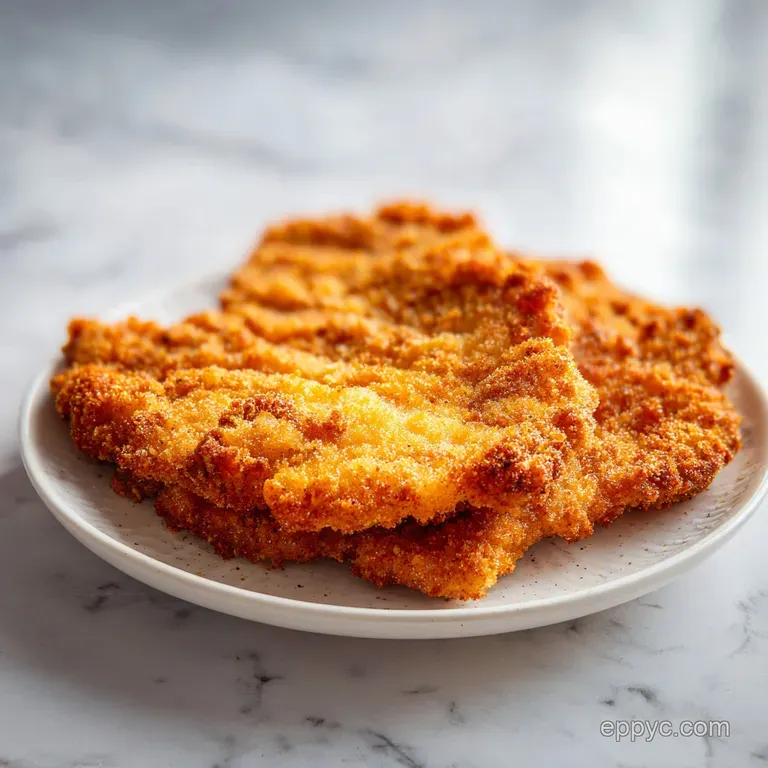
Let's crack on. Follow these steps closely, and pay attention to the sensory cues.
- Prep the meat. Use a meat mallet to pound the cube steaks to an even 1/2 inch thickness. Note: This prevents some parts from being raw while others burn. Season both sides generously with salt and pepper.
- Build the wet wash. Whisk buttermilk and hot sauce in one bowl. The hot sauce doesn't make it "spicy" as much as it adds a vinegary tang that cuts through the fat.
- Mix the dry dredge. In a separate shallow dish, combine flour, cornstarch, smoked paprika, garlic powder, and cayenne pepper. Stir it well so the spices are evenly distributed.
- The coating process. Dip each steak into the buttermilk, let the excess drip off for a second, and press firmly into the flour mixture until fully coated. Note: Pressing is key; don't just toss it in.
- Heat the oil. Pour oil into your skillet and heat to 350°F (175°C). Wait until the oil is shimmering and a pinch of flour sizzles immediately upon contact.
- The fry. Carefully lay steaks in the pan. Fry for 3-4 minutes per side until the crust is deep gold and the meat feels firm to the touch.
- Rest the steak. Remove and place on a wire cooling rack. Let them sit for 2-3 minutes to allow the juices to redistribute.
- Clear the pan. Drain most of the oil from the pan, leaving exactly 3 tbsp.
- Create the roux. Whisk in 3 tbsp flour over medium heat for 2 minutes until it smells slightly nutty and looks golden.
- Finish the gravy. Slowly pour in the turkey stock, whisking constantly until the gravy thickens into a smooth, velvety consistency.
Saving the Sizzle: Fixing Common Frying Fails
Even for seasoned cooks, frying can go sideways. Usually, it's a temperature or moisture issue.
The Soggy Breading Problem
If your crust feels soft or peels away from the meat, it's usually because the steak was too wet when it hit the flour, or the oil wasn't hot enough. The buttermilk should be a coating, not a bath.
The Lumpy Gravy Struggle
Lumps happen when the stock is added too quickly or the roux wasn't cooked enough. If you see lumps, don't panic you can whisk them out with a bit more stock or, in a pinch, run it through a fine mesh strainer.
| Problem | Root Cause | Solution |
|---|---|---|
| Crust peels off | Poor adhesion/excess buttermilk | Press flour firmly into meat; drip off excess liquid |
| Meat is tough | Overcooked/not pounded thin | Use a mallet to hit 1/2 inch; check temp at 3 mins |
| Gravy is too thick | Too much roux/reduced too far | Whisk in 1-2 tbsp of additional turkey stock |
Common Mistakes Checklist
- ✓ Pat steaks dry before seasoning to ensure salt sticks
- ✓ Preheat oil for at least 5 minutes before frying
- ✓ Don't overcrowd the pan fry in batches if needed to keep oil temp high
- ✓ Use a wire rack for resting, never a paper towel or plate
- ✓ Whisk stock into the roux slowly to prevent clumps
Customizing the Crunch: Swaps and Flavor Twists
Once you've nailed the basic bobby flay chicken fried steak recipe, you can start playing with the flavors.
The Spicy Texan: Double the cayenne and add a pinch of chipotle powder to the flour. Pair this with a drizzle of honey over the finished steak for a sweet heat combo.
The Herbed Crust: Mix in 1 tsp of dried thyme and 1 tsp of oregano into the flour. This gives it a more "country style" aromatic profile that pairs beautifully with mashed potatoes.
The dairy-free Swap: Replace buttermilk with a mix of unsweetened soy milk and lemon juice. Use vegan butter or oil for the roux. You'll lose a tiny bit of the richness, but the crunch remains.
The gluten-free Alternative: Use a 1:1 gluten-free flour blend and ensure your cornstarch is pure. The texture will be slightly more brittle, but just as satisfying.
If you're in the mood for a different kind of savory sauce, you can swap the turkey gravy for something with a bit more kick, like a Piquant Chicken Sauce, which adds a tangy contrast to the fried crust.
Adjusting for Different Crowd Sizes
Scaling a fried recipe is trickier than scaling a soup. You can't just double everything and throw it in one pot.
Cutting it down (½ batch): If you're just cooking for two, use 2 steaks and half the breading. Be careful with the buttermilk you'll still need enough to dip, so you might not be able to halve it perfectly. Reduce the gravy stock to 1 cup and the butter/flour to 1.5 tbsp each.
Scaling up (2x-4x batch): Don't try to fry 8 steaks at once. Your oil temperature will plummet, and you'll end up with greasy, soggy meat. Work in batches of 2. For the breading, you can double the flour/cornstarch, but only increase the spices to 1.5x; too much cayenne or garlic powder can become overpowering in large quantities.
For the gravy, you can make a larger batch in one go, but keep the heat medium low to avoid scorching the bottom.
Debunking Frying Myths
There are a lot of "old wives' tales" in Southern cooking. Let's clear a few up.
Myth: Searing seals in the juices. This is the biggest lie in the kitchen. Searing creates a crust (flavor), but it doesn't create a waterproof seal. Moisture loss happens regardless of how hard you sear. The real secret to juicy steak is the mallet work and not overcooking the center.
Myth: You must use lard for authentic taste. Lard is great, but any neutral oil with a high smoke point (like canola or peanut) works perfectly. The "authentic" flavor actually comes from the buttermilk and the brown bits in the gravy, not the fat used for frying.
Myth: Double dredging is always better. Double dredging (flour milk flour) creates a thicker crust, but it often leads to the breading separating from the meat. A single, firm press into the cornstarch flour mix is enough for a professional result.
Leftover Love: Storage and Zero Waste Hacks
Fried food is best fresh, but we've all had leftovers. The trick is avoiding the microwave, which turns the crust into a sponge.
Storage Guidelines: Store leftovers in an airtight container in the fridge for up to 3 days. Keep the gravy in a separate container to prevent the steak from getting soggy.
Reheating for Crunch: Use an air fryer at 180°C (350°F) for 3-5 minutes. If you don't have one, use a dry skillet over medium heat. This re crisps the oil in the crust without adding more grease.
- Buttermilk Leftovers
- Use any remaining buttermilk for pancakes or as a marinade for chicken breasts.
- Gravy Scraps
- If you have extra gravy, freeze it in ice cube trays. Pop a cube into a future pan sauce to add instant depth.
- Flour Bin
- Don't reuse the flour you used for dredging (it's contaminated with raw meat juices), but you can use any unused portion of the spice mix for seasoning roasted vegetables.
The Perfect Plate: Pairing Your Fried Steak
This dish is heavy, so you need sides that provide acidity or lightness to balance the richness.
The Classic Route: Pair it with garlic mashed potatoes and buttered corn. The creaminess of the potatoes mirrors the gravy, while the corn adds a pop of sweetness.
The Bright Route: Try a crisp coleslaw with a vinegar based dressing or sautéed garlicky kale. The acid in the slaw cuts through the fried crust, refreshing your palate between bites.
The Bold Route: If you want to go full out, serve it with a side of honey glazed carrots. The sweetness of the glaze complements the smoked paprika in the breading and the savory turkey stock in the gravy.
High in Sodium
1100 mg 1,100 mg of sodium per serving (48% 48% of daily value)
The American Heart Association recommends a daily limit of 2,300 mg of sodium for most adults to maintain heart health.
Tips to Reduce Sodium
-
Swap Turkey Stock-30%
Replace the standard turkey stock with low-sodium or no-salt added turkey stock to significantly lower the overall sodium content.
-
Reduce Added Salt-25%
Cut the 1 tsp of kosher salt in half or omit it entirely, as the other seasonings and stock provide plenty of flavor.
-
Low-Sodium Hot Sauce-20%
Use a low-sodium hot sauce alternative or replace it with a squeeze of fresh lemon or lime for a similar acidic kick.
-
Enhance with Aromatics
Increase the smoked paprika and garlic powder, or add fresh cracked black pepper and parsley to boost flavor without adding sodium.
Recipe FAQs
Why use cornstarch instead of just all-purpose flour?
It creates a shatter crisp texture. Cornstarch reduces gluten development and absorbs less oil, ensuring the crust stays crunchy even under the gravy.
Is it true that I need a deep fryer to get a professional crust?
No, this is a common misconception. A cast iron skillet heated to 350°F provides the same deep gold crunch without the need for bulky equipment.
How to prevent the breading from falling off during frying?
Press the steak firmly into the flour mixture. Let the excess buttermilk drip off before dredging to ensure the coating adheres tightly to the meat.
Why is a flour and butter mixture used for the gravy?
It creates a roux to thicken the turkey stock into a smooth sauce. If you enjoyed mastering this thickening technique here, see how the same principle works in our creamy roux recipe.
How to tell when the steaks are fully cooked?
Fry for 3-4 minutes per side. The meat should feel firm to the touch and the exterior should be a deep gold color.
Why is my gravy turning out lumpy?
Whisk the turkey stock in slowly. Pour the liquid in a thin, steady stream while whisking constantly to prevent flour clumps from forming.
How to keep the steaks crisp while preparing the gravy?
Place the fried steaks on a wire cooling rack. This prevents steam from trapping underneath the meat, which would otherwise make the bottom crust soggy.
Bobby Flay Chicken Fried Steak