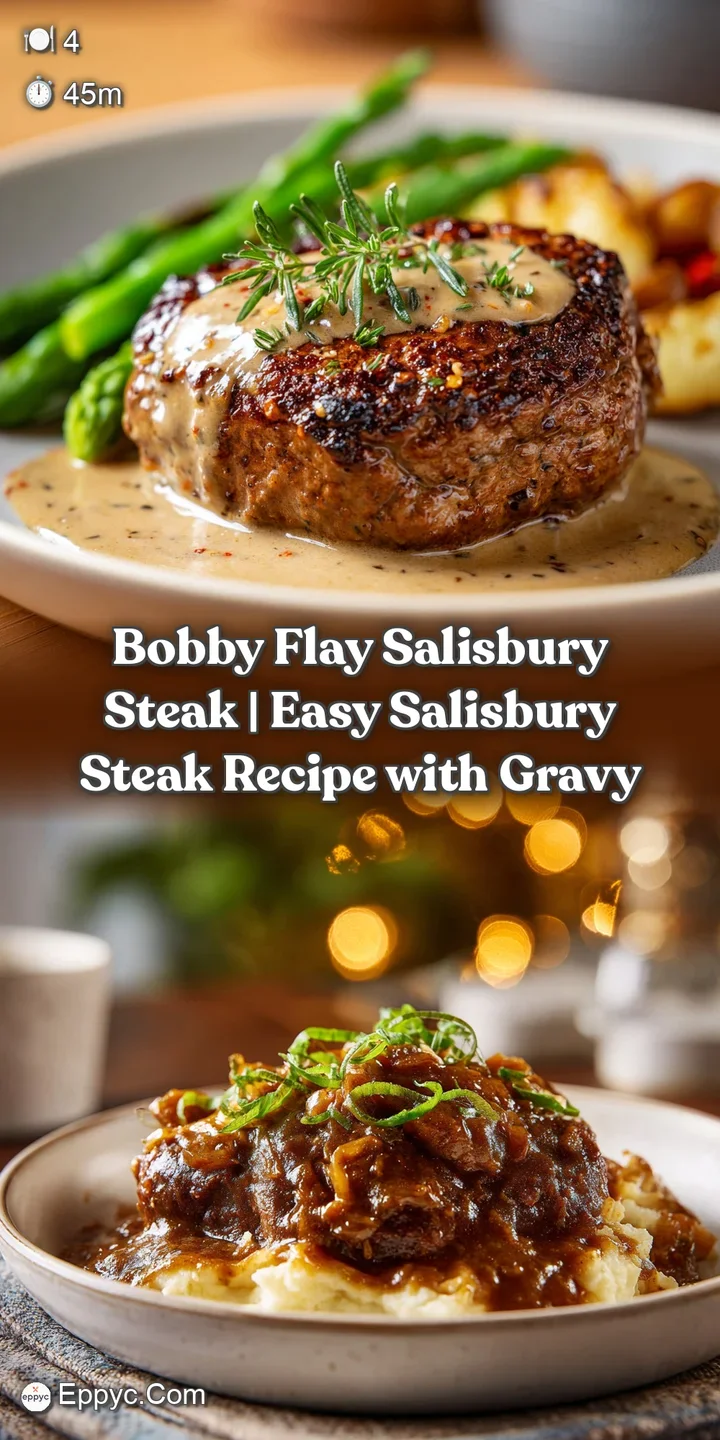
Bobby Flay Salisbury Steak: Juicy and Rich
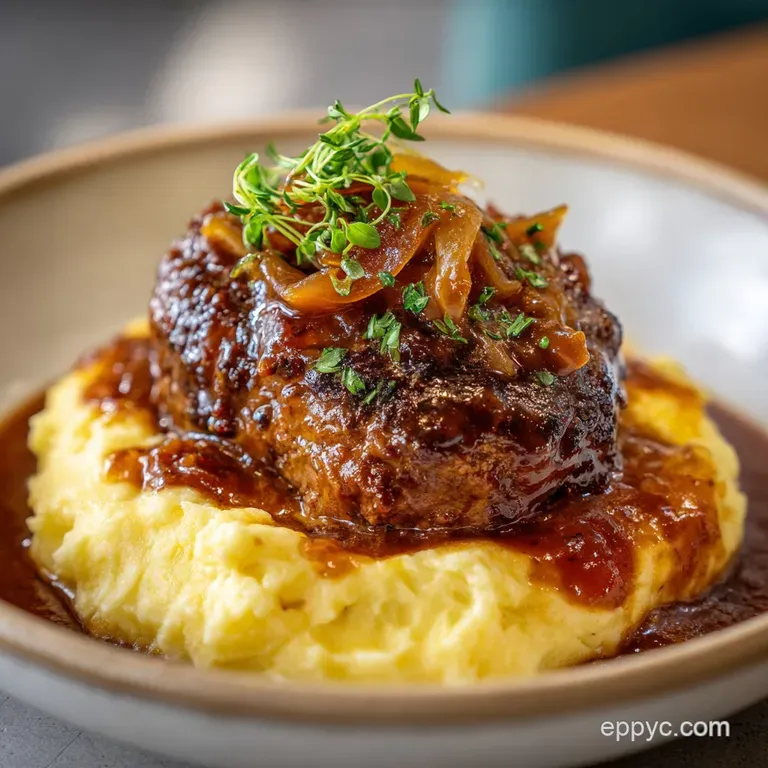
- Time:15 minutes prep + 30 minutes cooking = 45 minutes total
- Flavor/Texture Hook: Savory mahogany crust with a silky mushroom onion gravy
- Perfect for: High protein weeknight dinners and family comfort food sessions
- Perfecting Bobby Flays Salisbury Steak Recipe for a Heartfelt Dinner
- Measuring the Success of Your Skillet Performance
- The Alchemy of Umami: Selecting Your Elements
- Digital and Physical Tools for Precision Cooking
- Bringing It Together: The Seamless Culinary Workflow
- Avoiding Kitchen Disasters with Preventive Technical Checkpoints
- Make It Your Own with Flavor Modifications
- Make-Ahead and Leftover Tips for Busy Lifestyles
- My Skillet Myths Debunked
- How to Serve and Enjoy This Skillet Classic
- Very High in Sodium
- Recipe FAQs
- 📝 Recipe Card
Perfecting Bobby Flays Salisbury Steak Recipe for a Heartfelt Dinner
We’ve all been there: you sit down for a nostalgic meal, expecting a succulent beef patty, but instead, you get a rubbery, gray puck that tastes more like a cafeteria mistake than a home cooked triumph.
The primary failure most people face is the "burger bias" - treating Salisbury steak like a regular hamburger and skipping the binders, which leads to a dry, crumbly texture that can’t stand up to the gravy.
This recipe is the targeted fix for those lackluster dinners, using a precise panade and umami heavy seasonings to empower your kitchen with consistent, restaurant quality results.
I remember the first time I tried to make a version of this without a recipe; it was a disaster. The patties literally disintegrated into the gravy, turning my dinner into a weird beef soup because I hadn't respected the ratio of binders to protein.
That’s when I turned to the technology of a proper panade, a simple mix of breadcrumbs and milk that acts as a moisture locking shield. By using this technique, we ensure the meat stays tender even after it’s been seared and simmered, providing that heartfelt comfort we’re all looking for.
This isn't just about mixing beef and onions; it’s about a seamless workflow that builds layers of flavor. From the initial sizzle of the beef in a hot heavy skillet to the final simmer where the patties soak up that velvety mushroom sauce, every step is designed to maximize the mahogany crust and the deep, savory "fond" left in the pan.
We are going to use digital precision with our cooking times and heat levels to ensure your steak is never overcooked and always succulent.
Measuring the Success of Your Skillet Performance
To get this right every single time, you need to understand the milestones of a successful sear and simmer. This isn't a "set it and forget it" dish; it’s a quick moving process where timing is everything. If you pull the meat too early, you lose that mahogany color that provides the base for the gravy.
If you rush the onions, you miss out on the natural sugars that balance the saltiness of the beef stock.
| Method | Total Time | Texture | Best For |
|---|---|---|---|
| Cast Iron Skillet | 45 minutes | Crispy mahogany crust, silky sauce | Maximum flavor and traditional feel |
| Stainless Steel | 45 minutes | Excellent fond development | Building a deeply complex brown gravy |
| Non Stick Skillet | 40 minutes | Softer exterior, easy cleanup | Quick weeknight meals with less mess |
The magic happens when the heat from your stovetop transforms the raw ingredients into something greater than the sum of its parts. The 15 minutes of prep you put in at the beginning, carefully measuring your spices and forming the patties, sets the stage for the 30 minutes of active cooking.
Using a heavy bottomed skillet is the best piece of hardware for this job because it holds heat more effectively, preventing the temperature from dropping when the cold patties hit the surface.
Temperature Precision: Ensuring your skillet is medium high before adding the oil is the one step most people skip. If the oil doesn't shimmer, the meat will stick and steam rather than sear.
We want that immediate "crackling" sound the moment the beef touches the pan, which signals that the Maillard reaction is starting to build that savory crust.
The Alchemy of Umami: Selecting Your Elements
When we look at the components of this dish, we see a heavy focus on umami - that "fifth taste" that makes beef and mushrooms so satisfying. Every ingredient in this specific version of the recipe has a technical job to do.
We aren't just adding ketchup or mustard for the sake of it; we're using them as acidic catalysts to balance the heavy fats of the 80/20 ground chuck.
- Moisture Shield: The panade (milk and panko) prevents muscle fibers from tightening too much during the cook.
- Fat Balance: Using 80/20 ground chuck provides enough fat to keep the meat succulent without making the gravy overly greasy.
- Flavor Bridge: Worcestershire sauce connects the earthy notes of the mushrooms with the savory profile of the beef.
- Gravy Foundation: All purpose flour binds with the butter and beef fat to create a stable emulsion that thickens the stock.
| Ingredient | Science Role | Pro Secret |
|---|---|---|
| 80/20 Ground Chuck | Primary fat and protein | Use cold beef to keep the fat from melting too early |
| Panko Breadcrumbs | Moisture retention | Let them soak in milk for 2 mins to form a paste |
| Cremini Mushrooms | Umami depth | Don't crowd them in the pan or they will steam |
Choosing the right beef is the most important decision you'll make at the grocery store. Lean beef will result in a dry, tough patty that feels like cardboard in your mouth. The 80/20 ratio is the sweet spot because it provides the lubrication needed for a velvety mouthfeel. If you want to dive deeper into how different cuts of meat behave under heat, you might find my guide on Grilled Flank Steak useful for understanding protein denaturation and grain direction.
Digital and Physical Tools for Precision Cooking
To empower your cooking, you need the right arsenal of tools. This recipe moves fast once the patties are in the pan, so having everything "mise en place" (in its place) is vital. I always recommend using a digital kitchen scale if you want to be precise, especially when measuring the 1.5 lb of beef to ensure your four patties are exactly the same size.
This consistency means they will all finish cooking at the same time, preventing the "one is raw, one is burnt" scenario.
You'll need a large mixing bowl to combine your base ingredients. Avoid overworking the meat; you want to use your hands like a digital processor - quick and light. A heavy 12 inch skillet, preferably cast iron or a high-quality stainless steel like All Clad, is non negotiable for that mahogany crust.
You also need a flat edged wooden spoon or a sturdy spatula to scrape the "fond" off the bottom of the pan after searing.
Chef's Tip: Use a 1/2 cup measuring cup to portion out the meat mixture before shaping. This ensures all 4 patties are equal in weight, which guarantees even cooking across the skillet.
For the gravy, a balloon whisk is your best friend. It allows you to incorporate the beef stock into the flour and butter mixture without leaving lumps. If you find yourself struggling with lumpy sauces, the technology of a whisk combined with a slow pour of liquid is the foolproof solution.
Finally, have a digital meat thermometer ready; we're looking for an internal temperature of 160°F for the beef to be safely and perfectly cooked.
Bringing It Together: The Seamless Culinary Workflow
Now, let's get into the heart of the process. We are going to follow a specific timeline to ensure everything finishes at the same time and stays hot.
The Patties (Prep: 15 minutes)
- Hydrate the panko. In your large bowl, mix 0.5 cup panko breadcrumbs with 3 tbsp whole milk. Let it sit for 2 minutes Note: This creates a paste that keeps the beef moist.
- Combine the flavors. Add 1.5 lb ground chuck, 1 lightly beaten egg, 1 tbsp dijon mustard, 1 tbsp Worcestershire sauce, 1 tbsp ketchup, 1 tsp garlic powder, 1 tsp onion powder, 1 tsp kosher salt, and 0.5 tsp black pepper.
- Mix gently. Use your hands to combine until just incorporated. Over mixing leads to tough meat.
- Shape and indent. Form 4 oval patties, about 3/4 inch thick. Press a thumbprint into the center of each.
The Sear and Sauce (Cook: 30 minutes)
- Heat the oil. Add 2 tbsp neutral oil to your 12 inch skillet over medium high heat.
- Sizzle and sear. Place patties in the pan and cook for 4-5 minutes per side until a deep mahogany crust forms. Remove and set aside.
- Sauté vegetables. Melt 2 tbsp butter in the same pan. Add 8 oz sliced cremini mushrooms and 1 sliced yellow onion. Cook for 8-10 minutes until onions are golden and translucent.
- Create the roux. Sprinkle 2 tbsp all purpose flour over the veggies. Stir for 2 minutes to cook out the raw flour taste.
- Build the gravy. Slowly whisk in 2 cups low sodium beef stock and 1 tsp Worcestershire sauce. Scape the bottom of the pan to release the brown bits.
- Final Simmer. Return the patties to the pan. Spoon the gravy over the meat and simmer for 2-3 minutes until the sauce is thick and velvety. Garnish with 1 tsp fresh thyme.
Avoiding Kitchen Disasters with Preventive Technical Checkpoints
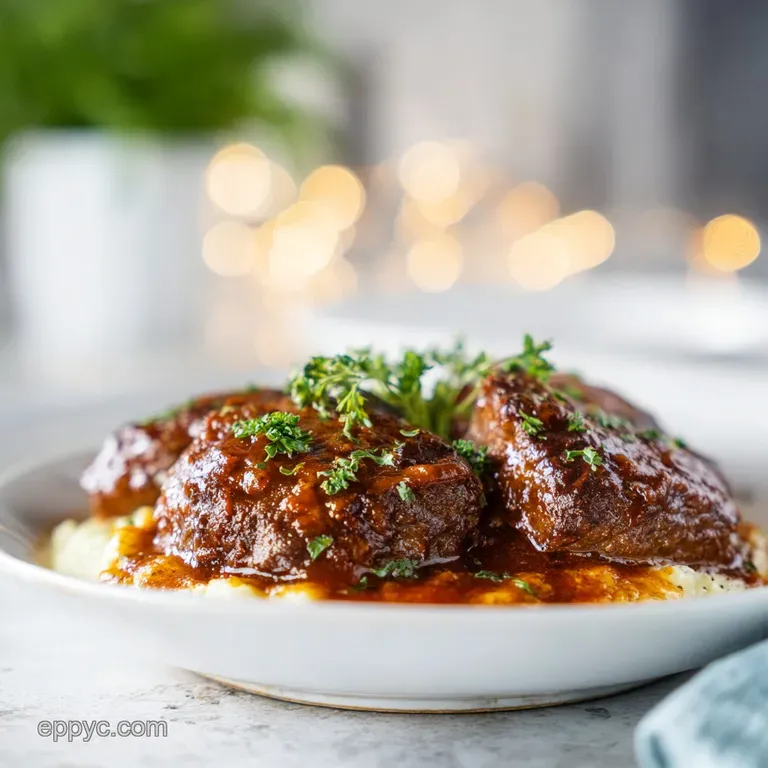
Even the most heartfelt home cooks can run into trouble if they don't watch the technical cues. One common mistake is overcrowding the pan during the searing phase. If the patties are touching each other, the moisture they release will trap steam, and you’ll end up with gray, boiled meat instead of a crispy crust.
If your skillet isn't large enough, sear in two batches to maintain the heat.
| Problem | Root Cause | Solution |
|---|---|---|
| Patties falling apart | Insufficient binding or over handling | Ensure panko paste is hydrated; don't flip too early |
| Lumpy gravy | Adding liquid too fast | Whisk constantly while slowly drizzling in stock |
| Bland flavor | Not enough "fond" or salt | Sear longer for better crust; season beef and sauce separately |
Another potential disaster is "puffy" steaks. As the meat proteins contract, they tend to dome up in the middle. This is why the thumbprint trick is essential it offsets that contraction so the patties stay flat and cook evenly.
If you forget this, you'll have a steak that is burnt on the edges and raw in the middle.
Common Mistakes Checklist
- ✓ Pat the mushrooms dry before adding to the pan to ensure they brown instead of stew.
- ✓ Preheat the skillet for at least 3 minutes; the oil should shimmer but not smoke.
- ✓ Use low sodium stock so you can control the final salt level of the gravy.
- ✓ Don't skip the 2 minute "flour cook" step or your gravy will taste like raw dough.
- ✓ Let the meat rest for 2-3 minutes before serving to allow the juices to redistribute.
Make It Your Own with Flavor Modifications
While this Bobby Flay inspired version is a classic, the technology of the recipe allows for some creative flexibility. If you want to change the protein profile, you can swap the beef, though you must account for fat content changes.
For example, using ground turkey requires an extra tablespoon of oil or butter because turkey is much leaner than chuck and will dry out faster.
If you are looking for a side dish that matches the intensity of this meal, I highly recommend pairing it with my Cheesy Twice Baked Potatoes. The creamy texture of the potatoes acts as a digital equalizer to the salty, savory gravy of the Salisbury steak.
| Original Ingredient | Substitute | Why It Works |
|---|---|---|
| Cremini Mushrooms | White Button Mushrooms | Similar texture, though slightly less earthy flavor |
| Panko Breadcrumbs | Crushed Crackers | Adds a buttery note; use same volume as panko |
| Beef Stock | Mushroom Broth | Keeps the umami high for those who want less meat flavor |
- Decision Shortcut
- If You Want X, Do Y
- If you want a deeper color
- Add 1/2 tsp of instant espresso powder to the gravy.
- If you want a spicy kick
- Add 1/2 tsp of cayenne pepper to the beef mixture.
- If you want it richer
- Stir in 2 tbsp of heavy cream at the very end of the simmering process.
make-ahead and Leftover Tips for Busy Lifestyles
One of the best things about this dish is that it actually improves with a little bit of time, making it a digital era meal prepper's dream. The flavors in the gravy continue to meld as it sits, so the leftovers often taste better the next day.
You can store the cooked Salisbury steak and gravy in an airtight container in the refrigerator for up to 4 days.
For freezing, this recipe is a total winner. The gravy acts as a protective barrier, preventing freezer burn on the meat. Place the patties and sauce in a freezer safe bag or container and keep for up to 3 months.
To reheat, thaw in the fridge overnight and then warm it up in a skillet over low heat with a splash of water or beef stock to loosen the gravy.
Zero Waste Tip: Don't throw away those mushroom stems! Even if you don't slice them into the dish, you can simmer them in your beef stock for 10 minutes before starting the gravy to extract even more umami flavor.
Also, if you have leftover gravy but no meat, it makes an incredible topping for a breakfast poutine or over a piece of toasted sourdough.
My Skillet Myths Debunked
Many people believe that searing meat "seals in the juices." This is a total myth that has been passed down for generations. Searing is actually about the Maillard reaction creating hundreds of new flavor compounds through heat.
Moisture loss actually happens more rapidly at high heat, which is exactly why we use the panade (panko and milk) to provide a secondary moisture source.
Another misconception is that you need to use lean ground beef to make the dish "healthier." In reality, using 90/10 or 93/7 beef for Salisbury steak is a mistake because there isn't enough fat to emulsify with the flour for a rich gravy. You’ll end up with a thin, watery sauce and a dry patty.
Stick to the 80/20 chuck for the heartfelt, velvety result the recipe intends.
Finally, some think that you shouldn't salt the meat until right before it hits the pan. While this is true for steaks, for a ground meat mixture like this, you want the salt incorporated throughout. The salt helps the proteins bond together, ensuring your patties don't crumble the moment you try to flip them.
It’s about empowering the structure of the meat, not just seasoning the surface.
How to Serve and Enjoy This Skillet Classic
Presentation is the final step in empowering your home cooking. To truly enjoy this dish, you need something to soak up that incredible gravy. While mashed potatoes are the gold standard, you could also serve this over wide egg noodles or even a bed of fluffy white rice.
The contrast between the mahogany meat and the bright green of a garnish like fresh thyme or parsley makes the dish pop on the plate.
Think about the texture of your sides. A crisp green bean or a roasted broccoli provides a necessary "crunch" to offset the soft, velvety nature of the steak and gravy. This balance is what makes a meal feel complete and professional.
When you spoon that final bit of gravy over the top, make sure it’s hot enough to release the aroma of the fresh thyme.
Cooking is a form of technology where you are the processor, and your ingredients are the data. By following these steps with precision and a heartfelt approach, you’re not just making dinner; you’re creating an experience that brings people to the table.
Enjoy the sizzle, appreciate the aroma, and most importantly, enjoy every succulent bite of your homemade Salisbury steak.
Very High in Sodium
885 mg 885 mg of sodium per serving (38% 38% of daily value)
The American Heart Association recommends limiting sodium intake to no more than 2,300 mg per day, with an ideal limit of less than 1,500 mg per day for most adults.
Tips to Reduce Sodium
-
Switch to Low-Sodium Broth-30%
Replace the 2 cups of regular beef stock with low-sodium beef stock. This is a significant source of sodium and a simple swap can make a big difference.
-
Halve the Kosher Salt-25%
Reduce the 1 tsp of kosher salt by half. You can always add more salt at the table if needed, but starting with less is key.
-
Reduce Sauces and Condiments-20%
Decrease the amount of Worcestershire sauce and ketchup used. Consider using reduced sodium versions if available, or simply use less of the regular ones.
-
Boost Flavor with Herbs and Spices
While not directly reducing sodium, increase the use of fresh thyme, garlic powder, onion powder, and black pepper. These ingredients add depth of flavor without adding sodium.
-
Be Mindful of Onion and Mushroom Prep-5%
Ensure the yellow onion and cremini mushrooms are fresh and not canned or pre-seasoned, which can add hidden sodium. Sautéing them in unsalted butter is a good start.
Recipe FAQs
How to ensure the patties develop a deep, mahogany crust?
Preheat your skillet for at least 3 minutes before adding the beef. The oil should shimmer visibly, creating a high heat environment that triggers the Maillard reaction necessary for that dark, flavorful sear.
Is it necessary to use a panade for these patties?
Yes, the Panko and milk paste is essential for texture. This mixture keeps the ground chuck moist during the high heat searing process, preventing the meat from becoming tough or dry.
Why is there a thumbprint indentation in the center of the patty?
Pressing an indentation prevents the meat from puffing up while it cooks. This ensures an even thickness across the patty, which promotes uniform searing and prevents the center from remaining raw while the edges overcook.
How to avoid a raw flour taste in the mushroom gravy?
Cook the flour with the vegetables for 1 to 2 minutes before adding the beef stock. This short sautéing process toasts the flour, removing the starchy, raw flavor that would otherwise ruin the final sauce.
Is it true I can substitute ground turkey for the ground chuck?
No, this is a common misconception. This recipe specifically requires the fat content of 80/20 ground chuck to maintain the necessary moisture and flavor profile; lean meats like turkey will result in a dry, crumbly texture.
How to get the best color on the sautéed mushrooms?
Pat your sliced cremini mushrooms dry with a paper towel before they hit the butter. If you enjoy the precise control of browning meats and fungi demonstrated in our other recipes, you know that removing surface moisture is the secret to achieving a deep golden sear instead of steaming them.
Should the meat be served immediately after the gravy finishes?
No, let the patties rest for 2 to 3 minutes before serving. This short rest period allows the internal juices to redistribute throughout the meat, resulting in a much more tender bite.
Bobby Flay Salisbury Steak
Ingredients:
Instructions:
Nutrition Facts:
| Calories | 468 kcal |
|---|---|
| Protein | 33 g |
| Fat | 29 g |
| Carbs | 18 g |
| Fiber | 2 g |
| Sugar | 5 g |
| Sodium | 885 mg |
