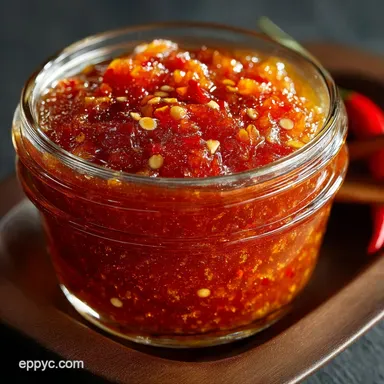
The Gaffers Fiery Classic a Simple Vibrant Cayenne Hot Sauce
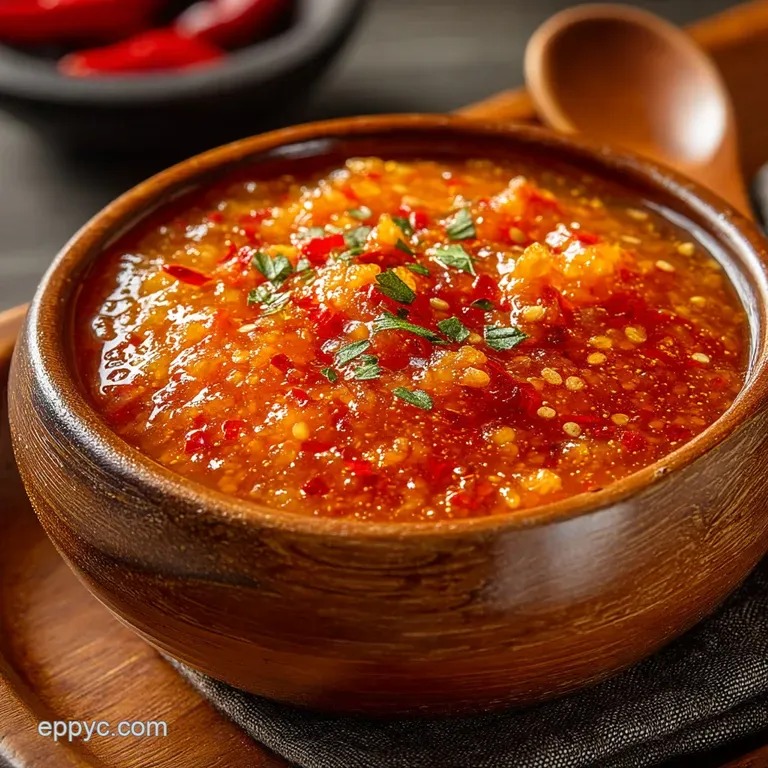
- Why Every Kitchen Needs a Bottle of the Gaffer's Fiery Classic
- Unlocking the Perfect Balance: Heat Without the Headache
- Gathering Your Arsenal: Essential Ingredients for the Best Cayenne Hot Sauce
- Tools of the Trade: Equipment for Blending and Bottling
- Mastering the Simmer: Step-by-Step Directions
- The Final Transformation: Blending, Straining, and Bottling
- Troubleshooting and Tailoring Your Homemade Hot Sauce
- Shelf Life and Safe Storage Practices
- Recipe FAQs
- 📝 Recipe Card
Why Every Kitchen Needs a Bottle of the Gaffer's Fiery Classic
If you’ve ever felt underwhelmed by the selection of sauces lining the supermarket shelves, you’re ready for a game-changer. Mass-produced condiments often sacrifice complexity for sheer heat or sugar content, resulting in a flavor profile that is aggressive but hollow.
This simple hot sauce recipe , which we call The Gaffer’s Fiery Classic, is different. It’s a genuine workhorse, built to complement everything from morning eggs to grilled chicken wings, delivering bright acidity and satisfying warmth rather than blinding pain.
Mastering this homemade hot sauce is surprisingly straightforward, proving that the best flavors always come from the kitchen, not the factory. Once you learn how to make hot sauce with this balance, you’ll never look back.
Unlocking the Perfect Balance: Heat Without the Headache
The secret to any truly great hot sauce recipe lies in achieving equilibrium. We aren't aiming for novelty; we want intensity and brightness. This balance is managed through careful selection of peppers, controlled cooking, and, most importantly, the strategic use of acid.
The resulting vibrant hot sauce should enhance your meal, lifting heavy flavors and adding a clean, sharp finish.
What Defines a Traditional Louisiana-Style Hot Sauce?
Our recipe takes inspiration from the classic Louisiana-style methodology. This style is characterized by a few key features: a high vinegar content (typically 5% acidity distilled white vinegar), a relatively thin, pourable consistency, and a clean, straightforward pepper base.
Unlike thicker, chunky sauces, the traditional Louisiana method emphasizes a smooth, often strained texture and a dominant acidic note that ensures excellent preservation and exceptional brightness on the palate.
Is Cayenne the Right Pepper for Your Hot Sauce Base?
Absolutely. Choosing the right pepper is the first crucial step in developing a balanced flavor. While you could certainly use habanero or ghost peppers, fresh cayenne hot sauce peppers provide the perfect medium heat, warm and persistent, but not overwhelming.
We use 150 grams of rough-chopped cayennes, including the seeds and membranes, guaranteeing enough capsaicin for a significant kick while allowing the aromatic qualities of the garlic and onion to shine through.
The Essential Difference Between Fermented and Simmered Sauces
The world of homemade hot sauce generally splits into two categories: fermented and simmered. Fermented sauces involve aging peppers in a salt brine for days or weeks, developing deep, complex, and slightly funky flavors. Our method, however, is a simmered sauce.
We cook the peppers and aromatics down in vinegar and water for about 25 minutes. This technique is much quicker, safer for novice makers, and results in a cleaner, more immediate pepper flavor, perfect for replicating that highly desired classic hot sauce recipe profile.
Our Secret Weapon: The Key Vinegar-to-Pepper Ratio
Acidity is the lifeblood of this recipe. Not only does distilled white vinegar contribute essential tang, but it acts as the primary preservative, extending the shelf life of your DIY hot sauce .
We use a generous 240 ml (1 cup) of vinegar combined with 120 ml (1/2 cup) of water, creating a ratio that ensures the final pH is low enough for long-term refrigeration (3–4 months). We also include a tablespoon of sugar or honey specifically to soften the vinegar's sharp edge, achieving perfect harmony.
Gathering Your Arsenal: Essential Ingredients for the Best Cayenne Hot Sauce
Achieving depth of flavor requires quality ingredients and understanding the role each one plays. We need more than just cayenne; we rely on aromatics and body builders to round out the flavor profile. Beyond the 150g of cayenne, we incorporate 200g of rough-chopped red bell pepper.
This addition is key, adding body and rich red color without contributing significant heat, making the sauce visually appealing and texturally satisfying. The aromatic base of 75g of chopped white onion and 4 large cloves of fresh garlic provides the savory foundation that distinguishes this sauce from pure pepper heat.
Tools of the Trade: Equipment for Blending and Bottling
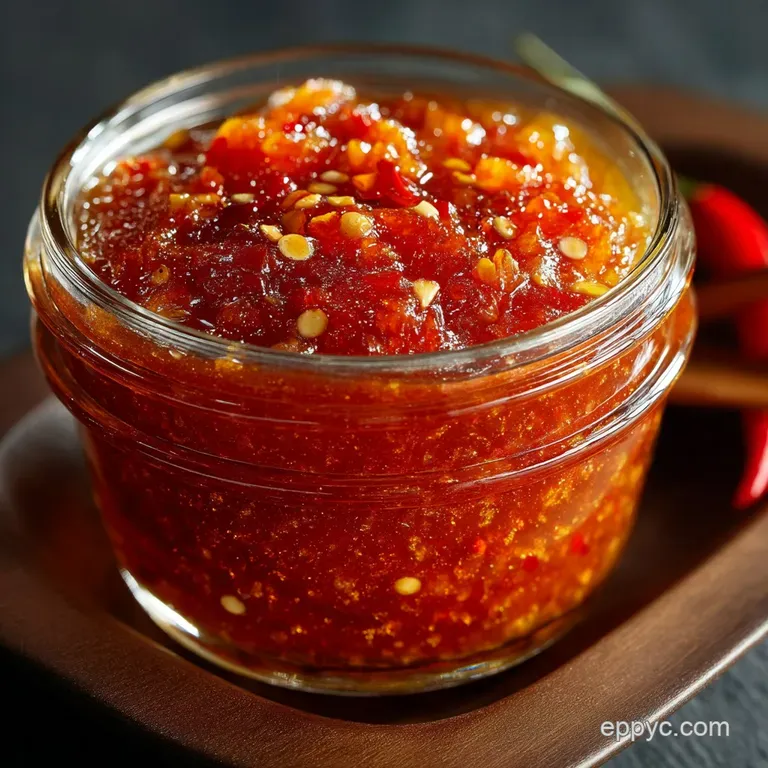
While the ingredient list is straightforward, the right equipment ensures both safety and the final professional texture of your homemade hot sauce . The crucial items include a sturdy saucepan, disposable gloves, and a high-speed blender.
Selecting the Freshest Cayenne Peppers
For the most vibrant hot sauce , select peppers that are firm, bright red, and free of soft spots or wrinkles. Freshness directly translates to color retention and maximum flavor intensity during the short simmering process.
Preparing the Aromatics: Onion, Garlic, and Salt
The 75g of onion and 4 cloves of garlic only require a rough chop, as they will be thoroughly pulverized later. We sauté them first in one tablespoon of neutral oil to gently sweeten them and remove any raw sharpness.
The 5 grams (1 tsp) of sea salt added during the simmer is essential for flavor enhancement and helps draw moisture from the vegetables.
The Role of Vinegar in Preserving Color and Zing
Distilled white vinegar is preferred here because its clean acidity doesn't compete with the pepper flavor, allowing the characteristic heat of the cayenne hot sauce to shine.
Its high acidity level is the main factor responsible for maintaining the sauce’s bright red color and allowing for extended refrigerated storage.
Choosing the Right Blender or Food Processor
To achieve a consistency smooth enough for the required straining, a high-speed blender or powerful food processor is necessary. Attempting to blend the cooked peppers in a low-powered machine will leave you with a gritty texture, which is difficult to strain properly.
Safety First: Handling Hot Peppers Without the Sting
This cannot be stressed enough: when preparing the 150g of cayenne peppers, you must wear disposable nitrile or rubber gloves. Capsaicin is an oil that is easily transferred and difficult to remove, and a single rub of the eyes or sensitive skin can cause hours of painful irritation.
Wear the gloves from the initial chopping until the peppers are safely in the saucepan.
Related Recipes Worth Trying
- The Classic Hot Toddy A 5Minute Comfort Cure for Chilly Nights — Need a proper warm up This classic hot toddy recipe is an absolute doddle We share the secret to dissolving the honey for a perfectly balanced soulsoothing...
- The Best Authentic Fettuccine Alfredo Sauce Recipe No Cream — Ditch the heavy cream Learn how to make a truly authentic silky Fettuccine Alfredo Sauce using only butter Parmesan and pasta water A foolproof classic
- The Ultimate Piquant Chicken Sandwich Sauce Tangy Creamy — Ditch the dull jarred stuff This homemade Chicken Sandwich Sauce is tangy creamy and ready in minutesthe secret ingredient for your best lunchtime sarnie
Mastering the Simmer: step-by-step Directions
This classic hot sauce recipe involves simple cooking steps, but precision is key to ensuring the peppers achieve maximum softness before blending.
The Final Transformation: Blending, Straining, and Bottling
The final phases are where the magic happens, turning soft cooked vegetables into a silky, professional-grade condiment.
Phase 1: Sautéing the Vegetables to Release Flavor
Begin by heating your tablespoon of oil over medium heat. Add the chopped onion and garlic, sautéing for 3 to 5 minutes until they become translucent and fragrant. Next, add the chopped cayenne and red bell peppers, continuing to cook for another 5 to 7 minutes.
This initial sautéing step develops depth and sweetness, locking in the savory undertones before we introduce the liquid.
Phase 2: Achieving Optimal Tenderness During the Simmer
Once the vegetables are softened, pour in the 240 ml of vinegar and 120 ml of water, along with the salt and sugar. Bring the mixture to a low, gentle simmer. Maintain this simmer, uncovered, for 15 to 20 minutes.
The mixture should reduce slightly, and the peppers must become exceptionally soft, almost mushy, which is vital for achieving a smooth final texture.
The Crucial Rest Period Before Processing
This step is mandatory for safety when you are learning how to make hot sauce . After removing the pan from the heat, the mixture must cool completely to room temperature. This takes at least 30 minutes.
Blending hot liquids creates immense pressure and steam inside the blender jug, which can forcefully eject the lid and spray extremely hot, spicy liquid, causing severe burns. Do not skip this cooling time.
Methodically Straining Your Hot Sauce for a Silky Texture
Once cooled, transfer the mixture to your blender and process on high speed until completely smooth (about 2–3 minutes). For the signature clear, refined texture of a vibrant hot sauce , pass the blended liquid through a fine-mesh sieve set over a clean bowl.
Use a spatula or the back of a spoon to press firmly against the pulp, extracting all the liquid. Discard the remaining fibrous material (skins and seeds).
Adjusting Consistency: When to Add Extra Liquid
After straining, if your homemade hot sauce appears too thick, perhaps due to slightly longer simmering time, you can easily adjust the viscosity. Stir in hot water or reserved vinegar, one teaspoon at a time, until the sauce coats the back of a spoon lightly but still pours freely.
Troubleshooting and Tailoring Your Homemade Hot Sauce
Even a simple hot sauce recipe can present minor challenges, but most are easily rectified with minor tweaks. The beauty of DIY hot sauce is the ability to adjust the flavor profile to your personal preference immediately.
Shelf Life and Safe Storage Practices
Thanks to the generous incorporation of vinegar (240 ml), the acidity level in this sauce is high enough to offer excellent natural preservation. Once bottled in clean, sterilised glass containers, this cayenne hot sauce should be stored tightly sealed in the refrigerator, where it will maintain its quality for 3 to 4 months.
Flavor Variations: How to Adjust Heat and Acid Levels
If the sauce is too intense, reduce the heat in future batches by deseeding up to half of the cayenne peppers. For more heat, replace 50 grams of the cayenne with a hotter variety like bird’s eye chili. To adjust acidity, taste the strained sauce; if it lacks "pop," add a small splash of additional vinegar.
If it’s too tart, blend in a half teaspoon more sugar or honey to balance the acid.
Making It Thicker: Achieving that Perfect Viscosity
If your strained sauce is thinner than you desire, remember that viscosity is largely controlled during the simmering and straining phases. For a thicker consistency in future batches, slightly reduce the amount of water (use 1/3 cup instead of 1/2 cup), or skip the straining step entirely and embrace a rustic, pulpy texture.
If you must thicken an already finished sauce, you can gently simmer it again very briefly to evaporate excess water, or blend in a small amount of the strained pulp for body.
Common Mistakes When Making Hot Sauce (And How to Fix Them)
The most common mistake amateur cooks make when preparing a hot sauce recipe is insufficient cooling, leading to dangerous blending incidents. Always wait the required 30 minutes or more.
Another frequent error is inadequate simmering, which results in hard pepper skin fragments that make the straining process nearly impossible. Ensure the peppers are truly soft before moving on.
Nutrition Facts and Dietary Information
As a condiment, this classic hot sauce recipe is exceptionally lean. Based on an estimated 30 ml serving size, it clocks in at a very low 10 to 15 calories, with minimal fat and protein.
The majority of the carbohydrates (2–3g) come from the natural sugars in the vegetables and the added sweetener. Note that due to the seasoning requirements, the sodium content is moderate (120–150 mg per serving).
Creative Serving Suggestions for The Gaffer’s Fiery Classic
The beauty of this vibrant hot sauce is its versatility. It’s fantastic drizzled over breakfast classics, think scrambled eggs, crispy hash browns, or avocado toast.
For lunch or dinner, use it as the backbone of a spectacular chicken wing sauce: mix it with melted butter and a dash of Worcestershire. For a simple upgrade, stir a few teaspoons into plain Greek yogurt or mayonnaise to create a fiery dipping sauce for chips or grilled shrimp.
Recipe FAQs
Why can't I just blend the peppers straight after they finish simmering?
Blending hot liquids is a real kitchen catastrophe waiting to happen, mate! Steam builds up pressure incredibly quickly inside the blender jug, which can then blow the lid off, spraying scalding hot sauce everywhere, a proper health and safety nightmare.
You must let the mixture cool completely to room temperature first, or at least for the mandatory 30 minutes, to avoid that explosive pressure.
Right, how long will my homemade hot sauce keep once it’s in the fridge?
Because we've used such a generous amount of vinegar (the Gaffer's secret weapon!), this hot sauce is highly acidic, which is brilliant for preservation. Provided you’ve bottled it in a sterilised jar or bottle and kept it tucked away in the fridge, it will happily last you 3 to 4 months, easy.
Think of the acidity as your natural, culinary insurance policy.
I'm a bit of a heat fiend. How can I make this cayenne hot sauce recipe even spicier?
If you’re craving a proper kick that wakes up the taste buds, the easiest change is swapping out the heat source. Try replacing 50g of the milder cayenne peppers with the same weight of Scotch bonnet or habanero peppers for serious fire.
Just remember to keep the bell pepper in there, as its body is crucial for texture, and please, keep those gloves on, don't be a hero!
My hot sauce is a bit runny, like water. How do I thicken it up without cooking it again?
If your sauce looks a bit too watery, don't fret; it's often caused by excess moisture not fully evaporating during the simmer. The best solution is to return the strained sauce to the pan and simmer gently, uncovered, for another 5 to 10 minutes to reduce the liquid content further.
For a quick fix without heat, you can blend in a tiny pinch (1/4 tsp) of xanthan gum to achieve that perfect, glossy consistency.
Is distilled white vinegar the only vinegar I can use, or can I swap it out?
While distilled white vinegar provides the cleanest, sharpest acidity and the best preservation profile, you definitely have options if you fancy a different flavour. Apple cider vinegar is a great swap, offering a slightly fruitier, mellower tang that works wonders, especially if you plan to use the sauce on pork.
However, ensure any substitution is at least 5% acidity to maintain that crucial long shelf life.
The Gaffers Fiery Classic Simple Cayenne Hot Sauce Recipe at Home