Brine Turkey Recipe: Ultimate Succulence
- Time: Active 20 mins, Passive 27 hours, Total 27 hours 20 mins
- Flavor/Texture Hook: Shattering crispy skin with herb infused, succulent meat
- Perfect for: Thanksgiving dinner, festive gatherings, and beginner cooks
- Achieving Juicy Results with This Brine Turkey Recipe
- Why This Smart Salt Technique Actually Works
- Essential Timing and Temperature Specs for Success
- Gathering the Best Ingredients for Your Budget
- Technology and Tools for the Ultimate Roast
- Step by Step Method for a Velvety Bird
- Avoiding Common Kitchen Disasters and Dry Meat
- Clever Flavor Variations for Every Holiday Season
- Scaling the Recipe for Larger Crowds
- Debunking Some Common Roasting Myths
- Storing Your Leftovers to Prevent Food Waste
- Serving Your Masterpiece for a Heartfelt Feast
- Brine Turkey Recipe FAQs
- 📝 Recipe Card
Achieving Juicy Results with This Brine Turkey Recipe
I still remember the first Thanksgiving I hosted in my tiny apartment. I was so nervous that I checked the oven every ten minutes, and by the time the bird hit the table, it had the texture of an old wool sweater. It was heartbreaking to see all that effort result in something so dry.
I realized then that roasting a turkey isn't just about heat; it's about the technology of preparation. That failure drove me to experiment with the science of hydration, and that's how I discovered the magic of a wet brine.
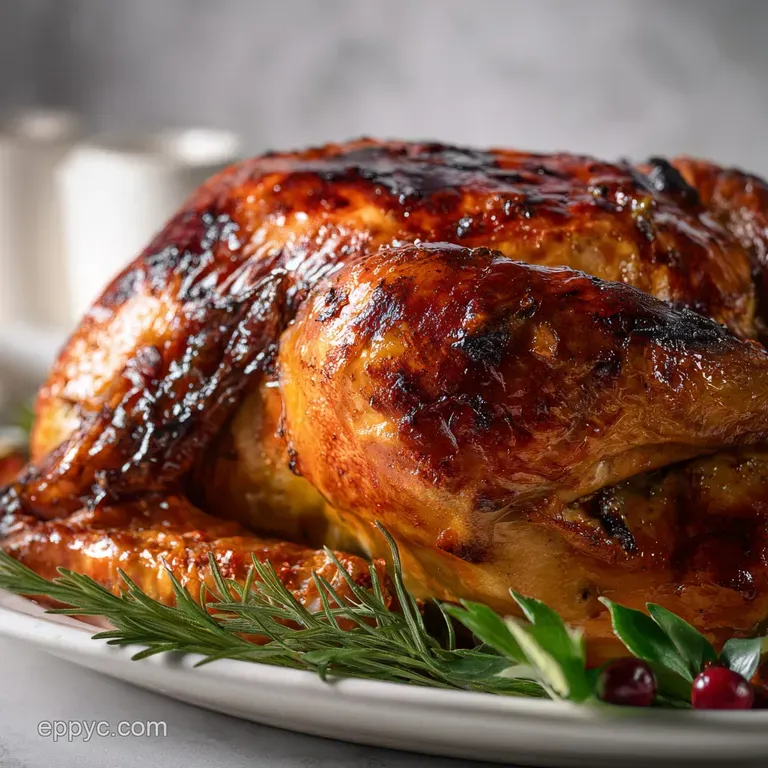
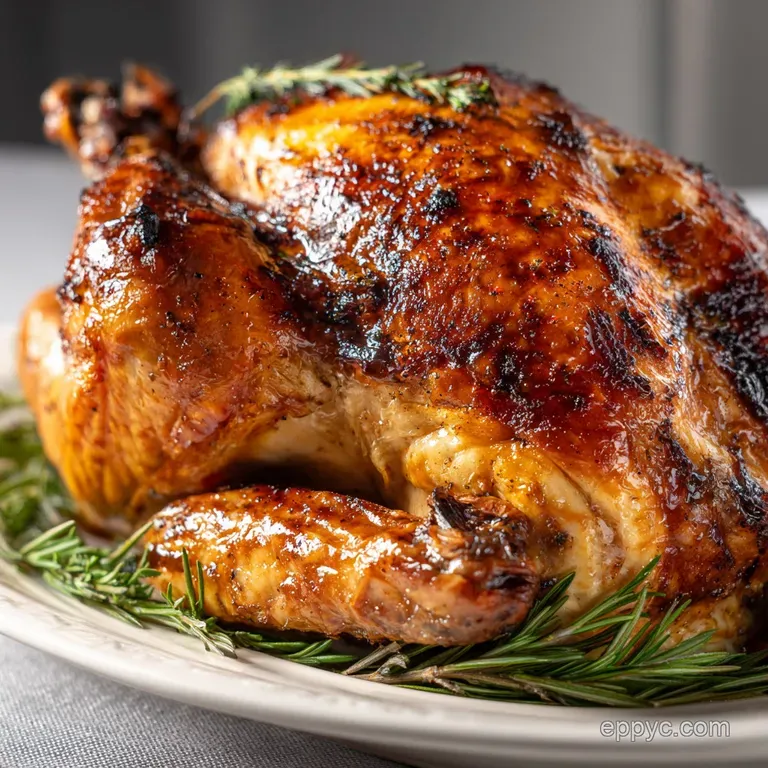
When you pull a bird out of the oven and the skin crackles with a loud shatter while the inside remains glistening and wet, you know you've won. This recipe isn't just a list of ingredients; it's a heartfelt method designed to empower you in the kitchen.
We're using smart, budget friendly swaps like unsweetened apple cider to add a natural sweetness that balances the salt without needing expensive specialty kits. You'll feel the difference the moment your knife glides through the breast meat without any resistance.
The aroma of sage, rosemary, and sliced oranges simmering in the brine concentrate will fill your home long before the actual roasting begins. It's a sensory signal that something special is happening.
I’ve refined this process over years of digital logging and trial and error, moving away from overly salty mixtures to this balanced, cider infused version. Trust me, once you see that first velvety slice fall onto the platter, you'll never go back to the "dry and pray" method again.
Why This Smart Salt Technique Actually Works
Before we get into the kitchen, let's talk about the physics of the juicy bird. Brining is essentially a way to use salt to change the structure of the meat.
- The Osmosis Effect: Salt moves from the high concentration brine into the low concentration cells of the turkey, bringing water and aromatics along for the ride.
- Protein Denaturation: The salt solution breaks down the tightly wound muscle fibers, which prevents them from tightening up and squeezing out moisture during the roasting phase.
- Sugar Caramelization: Using 100g of light brown sugar doesn't just add flavor; it lowers the evaporation point of the skin, helping it brown faster before the meat overcooks.
- Thermal Buffering: The extra liquid absorbed by the bird acts as a thermal buffer, giving you a wider margin of error if you accidentally leave it in the oven for ten minutes too long.
The Physics of the Juicy Bird
Salt dissolves a part of the protein structure that normally contracts during cooking. By relaxing these fibers, the turkey can hold onto 10% more moisture even after the heat is applied.
| Bird Weight | Internal Temp | Rest Time | Visual Cue |
|---|---|---|---|
| 5.5 - 6.5 kg | 74°C (165°F) | 30 minutes | Juices run clear when poked |
| 7.0 - 8.0 kg | 74°C (165°F) | 45 minutes | Leg moves easily in socket |
| 9.0+ kg | 74°C (165°F) | 60 minutes | Skin is mahogany and tight |
It is essential to use a digital meat thermometer to track these numbers in real time. Technology is our best friend here; guessing by the "pop up" timer that comes with the bird is a recipe for disaster.
Those timers are notoriously inaccurate and usually go off far too late, leaving you with the dry meat we are trying to avoid.
Essential Timing and Temperature Specs for Success
Managing a large meal requires a bit of digital style precision, especially when you're working with a 13 lb turkey. You need to plan your timeline backward from the moment you want to eat. Since this is a wet brine, the bird needs to submerge and stay cold, which means clearing out a significant shelf in your fridge.
If you don't have space, a sanitized cooler with ice packs works brilliantly as a "cold storage hack."
The thermal mass of a large turkey takes time to change. We aren't just heating the outside; we're waiting for the core to reach that safe 74°C mark. I always suggest starting your brine turkey recipe overnight so the salt has at least 12 to 18 hours to work its way through the thickest part of the breast.
Any less, and you're only seasoning the surface. Any more than 24 hours, and the texture can start to turn mushy, which is definitely not the goal.
Component Analysis
| Ingredient | Science Role | Pro Secret |
|---|---|---|
| Kosher Salt (270g) | Muscle Relaxant | Use Diamond Crystal; it dissolves faster than table salt. |
| Apple Cider (950ml) | Acidic Tenderizer | The malic acid in cider breaks down tough connective tissue. |
| Garlic (1 head) | Aromatic Depth | Halve it crosswise to expose all cloves for maximum infusion. |
| Unsalted Butter (115g) | Fat Barrier | Smear it under the skin to baste the meat from the inside out. |
When selecting your bird, look for one that hasn't been "pre brined" or "enhanced" with a salt solution at the factory. If you use a pre salted turkey with this 270g salt brine, the result will be far too salty to enjoy.
Check the label for terms like "sodium phosphate" or "saline solution." If it’s there, reduce the salt in this recipe by half to keep the flavors balanced.
Gathering the Best Ingredients for Your Budget
To make this brine turkey recipe, you don't need a massive budget. We are using smart swaps to get premium results. For example, instead of buying expensive pre mixed poultry seasoning, we're using fresh sprigs of rosemary and sage which are often cheaper when bought in bulk or grown in a windowsill garden.
- 13 lb whole turkey: Ensure it's thawed completely. Why this? A frozen core will not absorb the brine properly.
- 2 gallons (approx 7.5L) cold water: Use filtered if your tap water tastes strongly of chlorine.
- 270g Diamond Crystal Kosher Salt: This is our primary seasoning tool. (Sub: 135g Table Salt - Note: Table salt is denser, so use half by volume.)
- 100g light brown sugar: Adds sweetness and aids browning. (Sub: White sugar with a tablespoon of molasses.)
- 950ml unsweetened apple cider: Adds fruitiness and acidity. (Sub: Unsweetened apple juice.)
- 3 tbsp whole black peppercorns: Provides a slow heat. Why this? Whole berries release flavor slowly without turning the brine grey.
- 5 bay leaves: Adds a subtle herbal background note.
- 1 head garlic, halved crosswise: No need to peel, the skins add color.
- 4 sprigs fresh rosemary: The piney scent is essential for that "holiday" smell.
- 4 sprigs fresh sage: Pairs perfectly with the turkey's natural flavor.
- 1 large orange, sliced into rounds: The citric acid brightens the heavy fats.
- 115g unsalted butter, softened: This is for the roasting phase.
- 2 tsp fresh thyme, minced: For the herb butter rub.
If you find yourself with extra oranges or herbs, don't let them go to waste. You can use the leftover peels and stems to create a beautiful Tomato Bruschetta recipe topping later in the week by finely dicing them with tomatoes and garlic.
Technology and Tools for the Ultimate Roast
You don't need a high tech kitchen to pull this off, but a few specific tools will empower you to cook with confidence. The most important is a large, non reactive vessel. A 5 gallon food grade bucket or a very large stockpot is ideal.
Avoid using aluminum pots, as the salt and acid in the cider can react with the metal and give your turkey a metallic "off" flavor.
Chef's Tip: If you're struggling for fridge space, use a heavy duty brining bag. Place the bag inside a pot for support, then squeeze out all the air before sealing. This ensures the bird is fully submerged with less liquid needed.
A digital instant read thermometer is your second most important tool. I like to use one that has a probe you can leave in the meat while it's in the oven. It connects to a digital display on your counter and beeps the second it hits 74°C. This takes all the anxiety out of the process.
You can also use a heavy duty roasting pan with a rack. The rack is crucial; it allows the heat to circulate under the bird, preventing a soggy bottom and ensuring the skin is crispy all the way around.
step-by-step Method for a Velvety Bird
1. Prepare the brine concentrate
In a large pot, combine 1 quart (about 1 liter) of the water with the 270g kosher salt, 100g brown sugar, 950ml apple cider, peppercorns, bay leaves, garlic, rosemary, and sage. Bring this to a simmer over medium heat, stirring until the salt and sugar are completely dissolved.
Note: Heating the aromatics "blooms" their oils, making the brine much more potent.
2. Chill the brine safely
Remove the pot from the heat and add the sliced orange rounds. Pour in the remaining cold water to cool the mixture down quickly. Until the brine is room temperature or colder, do not add the turkey. Putting a raw bird into warm water is a safety hazard and will start to "cook" the outside of the meat.
3. Submerge the turkey
Remove the neck and giblets from the turkey (save them for a Turkey Neck Gravy recipe). Place the bird breast side down in your brining vessel. Pour the cold brine over the turkey, ensuring it is completely covered. If it floats, weigh it down with a heavy plate.
4. Brine the turkey overnight
Cover the vessel and place it in the refrigerator for 24 hours. The salt needs this time to penetrate the deep tissue of the 13 lb bird.
5. Dry the skin thoroughly
Remove the turkey from the brine and discard the liquid. Pat the bird extremely dry with paper towels inside and out. Note: Moisture is the enemy of crispy skin; any water left on the surface will steam rather than sizzle.
6. Apply the herb butter
Mix the 115g softened butter with the 2 tsp minced thyme. Carefully loosen the skin over the breast and thighs with your fingers, then smear the herb butter directly onto the meat under the skin. Rub the remaining butter all over the outside.
7. Roast the turkey
Preheat your oven to 165°C (325°F). Place the turkey on a rack in a roasting pan. Roast for approximately 3 hours until the internal temperature reaches 74°C (165°F) in the thickest part of the thigh.
8. The essential rest
Remove the turkey from the oven and transfer it to a cutting board. Tent it loosely with foil and let it rest for at least 30 to 45 minutes. Note: This allows the juices to redistribute so they don't all run out when you carve it.
Avoiding Common Kitchen Disasters and Dry Meat
The biggest mistake people make with a brine turkey recipe is not drying the bird enough after it comes out of the liquid. If the skin is wet, the oven's energy goes into evaporating that water instead of rendering the fat and crisping the skin. You end up with "rubbery" skin, which is a tragedy.
Why Your Turkey Skin Is Rubbery
If your skin doesn't have that satisfying shatter, it’s usually due to residual moisture or a low starting oven temperature.
| Problem | Root Cause | Solution |
|---|---|---|
| Skin is pale and soft | Too much moisture on surface | Pat dry and let air dry in fridge for 2 hours before roasting. |
| Meat is too salty | Brined for too long (over 24 hrs) | Rinse the bird under cold water before roasting to remove excess salt. |
| Turkey is cooking unevenly | Bird was too cold when it went in | Let the turkey sit at room temperature for 30 mins before roasting. |
Another common issue is the bird being partially frozen in the center. Even if the outside feels soft, a frozen core will act like an ice cube, preventing the internal temperature from rising at the same rate as the outside. This leads to the outside being overcooked while the inside is raw.
Common Mistakes Checklist
- ✓ Always use a non reactive container (plastic, glass, or stainless steel) to avoid metallic flavors.
- ✓ Never reuse brine; once the raw turkey has touched it, it must be discarded for safety.
- ✓ Don't skip the rest period; 30 minutes is the minimum for a 13 lb bird.
- ✓ Check the calibration of your meat thermometer in a glass of ice water (it should read 0°C).
- ✓ If the skin browns too fast, tent the breast loosely with foil to prevent burning.
Clever Flavor Variations for Every Holiday Season
While this apple cider version is my favorite, you can easily adapt this brine turkey recipe for different cooking methods. For example, if you are looking for a brine turkey recipe for smoking, you might want to swap the apple cider for a dark beer like a stout.
The bitterness of the hops pairs beautifully with the smokiness of hickory or applewood.
For those who want a Thanksgiving turkey brine recipe with a more traditional profile, replace the oranges with lemons and add two tablespoons of poultry seasoning to the boil. This gives that classic, savory "stuffing" flavor that everyone craves in late November.
If you're short on time and can't do a full wet soak, you can use these same flavors to create a dry brine turkey recipe by mixing the salt, sugar, and dried herbs and rubbing them directly onto the skin 24 hours in advance.
| Method | Time | Texture | Best For |
|---|---|---|---|
| Traditional Oven | 3 hours | Crispy & Classic | Big family dinners |
| Smoker | 5-7 hours | Deep & Woody | Backyard gatherings |
| Spatchcock (Oven) | 80 mins | Evenly Browned | Quick holiday meals |
If you have leftovers after the big day, you are in luck. The flavor profile of this turkey makes it perfect for a Turkey Ala King recipe, where the subtle hints of apple and sage add depth to the creamy sauce.
Scaling the Recipe for Larger Crowds
If you are cooking a massive 20 lb bird, you'll need to increase the brine volume. However, don't just double everything. Salt and spices don't scale linearly.
- Scaling Up (2x): Increase the water and cider, but only increase the salt and sugar by 1.5x. For a 20 lb bird, use about 400g of salt. Increase your roasting time by about 15 minutes per additional pound.
- Scaling Down (½): If you're just roasting a turkey breast, halve the brine ingredients. You can use a smaller 2 quart pot to boil the concentrate. Reduce the roasting time significantly; a breast usually takes only 1 hour to 1 hour 30 mins.
- Batching: If you're doing two turkeys, don't try to cram them into one bucket. They need space for the liquid to circulate. Use two separate vessels to ensure even seasoning.
Debunking Some Common Roasting Myths
One myth that refuses to die is that you must baste the turkey every 30 minutes. Every time you open that oven door, the temperature drops by 25 degrees, and it takes several minutes to recover. This actually dries the bird out by extending the cook time.
With our wet brine and the butter under the skin, the bird is self basting. Leave the door shut!
Another misconception is that "searing" the meat at high heat at the start "seals in the juices." Science tells us that's simply not true. Searing creates a Maillard reaction, which adds flavor and color to the skin, but it doesn't create a waterproof barrier.
The real secret to juicy meat is the salt in the brine and not overcooking the protein.
Storing Your Leftovers to Prevent Food Waste
Once the feast is over, it’s heartening to know nothing has to go to waste. Carve all the remaining meat off the bones as soon as the bird is cool enough to handle.
- Fridge: Store meat in airtight containers for up to 4 days.
- Freezer: Turkey freezes exceptionally well. Wrap it tightly in plastic wrap and then foil; it will stay fresh for 3 months.
- Zero Waste: Never throw away the carcass! Put the bones, the neck, and any leftover veggie scraps into a slow cooker with water. Simmer for 12 hours to create a rich stock that you can use for an & Rich How recipe or as a base for soups.
Serving Your Masterpiece for a Heartfelt Feast
When it's finally time to serve, remember that presentation is part of the experience. I love to garnish the platter with fresh sprigs of rosemary and the remaining sliced oranges from the brine (rinse them first!). It tells the story of the flavors inside.
Carve the turkey in the kitchen rather than at the table. It allows you to slice against the grain more accurately, which keeps those velvety fibers intact. Arrange the slices on a pre warmed platter to keep the meat hot.
There's nothing worse than all that work resulting in cold turkey because the platter was sitting in a drafty dining room. Empower yourself to take your time the rest period gave you a 45 minute window, so use it to finish your sides and enjoy a glass of cider.
You've mastered the brine, and your guests are going to be talking about this meal for years.

Brine Turkey Recipe FAQs
What is the best thing to brine your turkey in?
A balanced saltwater solution with aromatics. The best brine typically includes kosher salt, sugar (like brown sugar or cider), water, and flavorings such as herbs, garlic, and citrus. This mixture uses osmosis to tenderize and moisten the meat, enhancing overall flavor and juiciness.
How long should I brine turkey?
For a 13 lb bird, typically 24 hours is ideal. Smaller birds may require less time (12-18 hours), while larger birds might benefit from up to 48 hours, but be cautious of the texture becoming too mushy. Always ensure the turkey is kept at a safe, cold temperature during brining.
What are the three main ingredients in turkey brine?
Salt, water, and sugar are the foundational trio. Kosher salt is crucial for breaking down proteins and tenderizing the meat. Water acts as the carrier for the salt and other flavors, while sugar balances the saltiness and helps with browning and moisture retention.
Does brining a turkey really make a difference?
Yes, a significant difference in moisture and flavor. Brining helps the turkey retain more moisture during cooking, resulting in a juicier, more tender bird. It also infuses the meat with seasonings, leading to a more flavorful outcome compared to an unbrined turkey.
Can I substitute apple cider in my brine?
Yes, unsweetened apple juice is a good substitute for apple cider. Both provide a touch of acidity and sweetness that complements the savory flavors of the turkey. If you enjoyed mastering the flavor balancing in this brine, you might also appreciate how we balance sweet and tart in our The Ultimate Piquant Chicken Sandwich Sauce Tangy Creamy.
What if I don't have a large enough container for brining?
Use a heavy duty brining bag or a cooler. Brining bags are designed to hold large birds and liquids securely, often fitting inside a pot for added support. A clean cooler filled with ice packs can also serve as an excellent cold storage solution for brining if refrigerator space is limited.
How do I ensure my turkey skin gets crispy after brining?
Thoroughly dry the turkey skin before roasting. After removing the turkey from the brine, pat it completely dry inside and out with paper towels. Letting the skin air dry in the refrigerator for an hour or two before cooking can also significantly improve crispiness.
Brine Turkey Recipe
Ingredients:
Instructions:
Nutrition Facts:
| Calories | 546 kcal |
|---|---|
| Protein | 71.4 g |
| Fat | 27.2 g |
| Carbs | 2.1 g |
| Fiber | 0.2 g |
| Sugar | 1.4 g |
| Sodium | 632 mg |
