Butternut Squash Casserole: Velvety & Crispy

- Time: Active 15 minutes, Passive 30 minutes, Total 45 minutes
- Flavor/Texture Hook: Velvety squash base with a buttery, shattering pecan topping
- Perfect for: Holiday side dish, meal prep, or a cozy weeknight dinner
- Modern Techniques for the Best Butternut Squash Casserole
- Essential Specs for Your Next Dinner Success
- The Component Analysis for Maximum Flavor Impact
- Sourcing the Elements for a Velvety Base
- Minimalist Tools for a High Tech Kitchen
- Strategic Steps to Achieve the Perfect Shatter
- Proactive Solutions for Common Texture Challenges
- Creative Adaptations for Every Diet and Palate
- Smart Guidelines for Scaling Your Recipe
- Debunking Common Squash Misconceptions
- Smart Storage for Maintaining That Silky Texture
- Complementary Pairings for a Balanced Holiday Table
- Recipe FAQs
- 📝 Recipe Card
Modern Techniques for the Best Butternut Squash Casserole
The first time I tried making a squash side dish, it was a literal swamp. I’d boiled the cubes until they were waterlogged, mashed them into a sad gray paste, and topped them with soggy crackers. It was the kind of kitchen failure that makes you want to delete your food blog and order pizza.
But then I heard that unmistakable sizzle of fresh sage hitting hot butter in a friend’s kitchen, and I realized where I went wrong.
Roasting is the technology of flavor. When you toss those 2 lbs of butternut squash cubes in extra virgin olive oil and hit them with a over high heat roast, you aren't just cooking them. You’re triggering a chemical transformation.
The kitchen fills with that nutty, caramel like aroma, and the edges of the squash turn deep amber. That is the Maillard reaction at work, and it’s the secret to why this specific recipe actually tastes like autumn instead of just orange mush.
We’ve all seen those overly sweet versions laden with marshmallows, but we're doing something different here. This is a savory, sophisticated take that feels heartfelt and modern.
We’re going to empower your inner chef with a few digital era shortcuts and science backed tricks to ensure your casserole has a shattering crust and a silky interior every single time. Trust me, once you hear that first crunch of the pecan topping, you’ll never go back to the old way.
Essential Specs for Your Next Dinner Success
Before we get into the flow of the kitchen, let's look at the data. Successful cooking is often about precision and understanding the variables before you even turn on the stove. This Butternut Squash Casserole is designed to be efficient, using minimal tools while maximizing the output of flavor.
The Molecular Bond of Greek Yogurt: Using 1/2 cup of plain Greek yogurt instead of heavy cream provides acidity that cuts through the starch. The proteins in the yogurt create a stable emulsion that keeps the purée from weeping liquid during the second bake.
| Method | Time | Texture Outcome | Best For |
|---|---|---|---|
| Oven Roast (Recommended) | 30 minutes | Concentrated sweetness, charred edges | Maximum flavor depth |
| Stovetop Steam | 15 minutes | Mild flavor, very soft texture | Quick weeknight prep |
| Air Fryer Roast | 18 minutes | Extreme crispy edges, firm center | Small batch portions |
Whether you are prepping for a big holiday spread or just a quiet Tuesday, knowing your method changes the game. If you’re looking for a lighter option to pair with this, my Winter Salad Recipe uses similar squash prep techniques but keeps things fresh and raw for a different texture profile.
The Component Analysis for Maximum Flavor Impact
Understanding why we use specific ingredients helps you become a more intuitive cook. It isn't just about following a list, it is about understanding the role each element plays in the final architecture of the dish.
| Ingredient | Science Role | Pro Secret |
|---|---|---|
| Butternut Squash | Structural starch and sugar base | Roast until the edges look "burnt" for deep caramel notes |
| Greek Yogurt | Acidic emulsifier and fat source | Use full fat for a silkier mouthfeel and better heat stability |
| Pecan Halves | Lipid rich textural contrast | Toast them slightly in the pan before topping to release oils |
| Fresh Sage | Volatile aromatic compound | Fry the minced leaves in the butter for 30 seconds to infuse the fat |
The interaction between the earthy sage and the sharp Parmesan cheese creates a savory "umami" profile that balances the natural sugars in the squash. It is a digital level precision in flavor balancing that makes this dish stand out from the crowd.
Sourcing the Elements for a Velvety Base
You don’t need a pantry full of exotic items to make this Butternut Squash Casserole. We are focusing on high-quality basics that work hard.
- 2 lbs butternut squash: Peeled and cut into 1 inch cubes. Why this? Uniform cubes ensure even roasting and a consistent mash texture later.
- 2 tbsp extra virgin olive oil: For roasting. Why this? High smoke point and adds a subtle fruity note to the squash.
- 1/2 cup plain Greek yogurt: The creamy binder. Why this? Adds tang and protein without the heaviness of traditional cream.
- 1 cup raw pecans: Roughly chopped for the topping. Why this? Provides a fatty, earthy crunch that mimics a traditional crust.
- 1/2 cup panko breadcrumbs: For the shatter effect. Why this? Panko has more surface area than regular crumbs, making it crispier.
- 1/4 cup shredded Parmesan cheese: For salt and umami. Why this? Melts into the panko to create a lattice like, crispy structure.
- 3 tbsp unsalted butter: Melted for the topping. Why this? Butter carries the flavor of the sage and browning crumbs.
- 1 tsp fresh sage: Finely minced. Why this? Sage is the quintessential autumn herb that pairs perfectly with winter squash.
- 2 cloves garlic: Microplaned. Why this? Microplaning creates a paste that distributes evenly through the mash.
- 1/2 tsp smoked paprika: For depth. Why this? Adds a hint of "charred" flavor even if your oven is running cool.
- 1 tsp kosher salt and 1/2 tsp pepper: Essential seasoning.
If you find yourself short on panko, you can use crushed buttery crackers like in the Buttery Squash recipe, which provides a slightly saltier and more nostalgic finish.
Minimalist Tools for a High Tech Kitchen
We want to empower you to cook without needing every gadget in the catalog. For this Butternut Squash Casserole, a few reliable tools will get the job done efficiently.
- Large Rimmed Baking Sheet: Essential for the initial roast. A crowded pan will steam the squash rather than roast it, so give those cubes room to breathe.
- Large Mixing Bowl: You'll need this to toss the squash in oil and later to combine the roasted cubes with the yogurt and spices.
- Potato Masher or Fork: Since we want a slightly textured mash (not a baby food purée), a manual tool is better than a food processor.
- 9x9 inch Casserole Dish: This size provides the ideal ratio of topping to filling.
- Microplane: I swear by this for the garlic. It turns the cloves into a fine mist that melts into the yogurt base.
Chef's Tip: If you don't have a microplane, sprinkle a little salt over your minced garlic and use the side of your knife to scrape it into a paste against the cutting board.
Strategic Steps to Achieve the Perfect Shatter
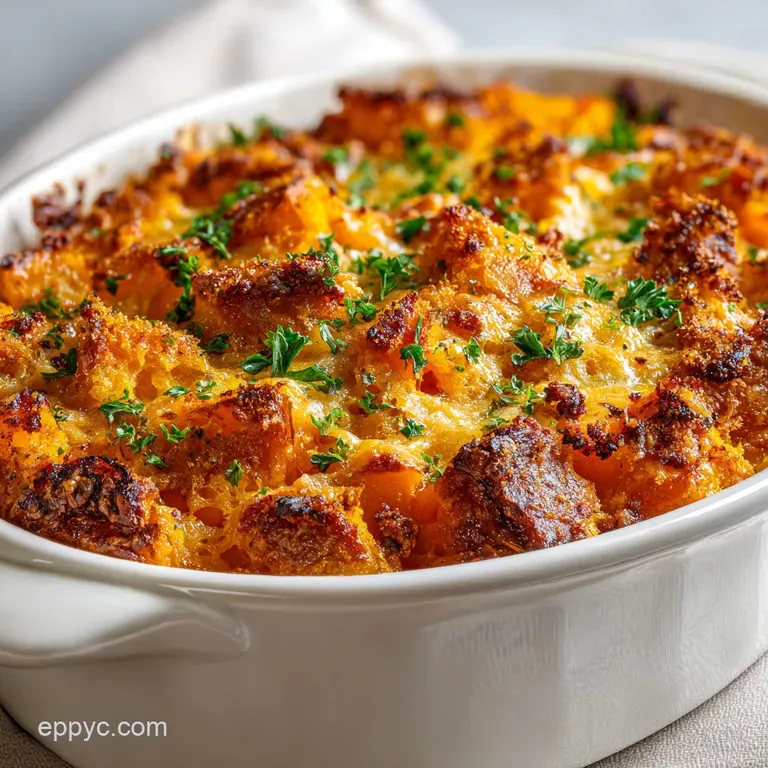
- Preheat your oven to 400°F (200°C). This high temp is non negotiable for the first roast.
- Toss the 2 lbs of squash cubes with 2 tbsp olive oil, 1 tsp salt, and 1/2 tsp pepper directly on the baking sheet.
- Roast for 20-25 minutes until the edges are browned and the centers are tender.
- Transfer the hot squash to a bowl. Add 1/2 cup Greek yogurt, 2 microplaned garlic cloves, and 1/2 tsp smoked paprika.
- Mash the mixture roughly. Stop when it's mostly smooth but still has some small, velvety chunks.
- Spread the squash mixture into a greased casserole dish, smoothing the top with a spatula.
- In a small bowl, combine 1 cup chopped pecans, 1/2 cup panko, 1/4 cup Parmesan, and 1 tsp minced sage.
- Drizzle 3 tbsp melted butter over the topping mixture and toss until it looks like wet sand.
- Scatter the topping evenly over the squash. Don't press it down; keep it airy for the best crunch.
- Bake at 375°F for 15-20 minutes until the pecans are fragrant and the panko is golden brown.
To Achieve Maximum Caramelization
The secret is not moving the squash. Once you put that tray in the oven, leave it alone for at least 15 minutes. Every time you open the door or stir the cubes, you lose heat and interrupt the browning process. Let the heat work its magic.
To Create the Golden Finish
If the topping isn't browning as fast as you'd like, pop the broiler on for the last 60 seconds. But stay right there! Pecans go from "perfectly toasted" to "bitter charcoal" in the blink of an eye.
Proactive Solutions for Common Texture Challenges
Even with the best technology, things can go sideways in the kitchen. The key is to catch the error before it hits the table.
Why Your Squash Is Watery
If your casserole seems loose or watery, it's usually because the squash was steamed instead of roasted. High moisture content in the squash can also be an issue if it’s a particularly large, young vegetable.
| Problem | Root Cause | Solution |
|---|---|---|
| Soggy Topping | Added topping too early | Only add the panko mixture for the final 15 minutes of baking |
| Bland Base | Under seasoning the raw squash | Season both during roasting and after mashing taste as you go |
| Oily Surface | Butter wasn't incorporated | Mix the melted butter thoroughly with the dry panko and pecans |
Common Mistakes Checklist ✓ Pat the squash cubes dry with a paper towel if they feel damp after peeling. ✓ Ensure the oven is fully preheated; a cold oven leads to mushy vegetables. ✓ Don't over process the mash. A few chunks provide a much better mouthfeel.
✓ Use fresh sage if possible; dried sage can sometimes taste dusty in this application. ✓ Let the casserole sit for 5 minutes after baking to allow the base to set.
Creative Adaptations for Every Diet and Palate
This Butternut Squash Casserole is a fantastic canvas for your own culinary experiments. While the base recipe is solid, sometimes you want to pivot based on what's in your pantry or who is coming to dinner.
For a Spicy Autumn Twist
Add a pinch of cayenne pepper or a teaspoon of chopped chipotle in adobo to the squash mash. The heat pairs beautifully with the creamy yogurt and sweet squash.
For Better make-ahead Stability
If you are prepping for a big event, roast and mash the squash, then store it in the fridge. When you're ready to eat, let the dish come to room temperature for 20 minutes before adding the topping and baking. This prevents the topping from getting soggy while the cold center tries to heat up.
If you want a heartier version that can serve as a full meal, you might consider the techniques used in a Chicken Casserole recipe, where protein is folded directly into the velvety sauce.
Smart Guidelines for Scaling Your Recipe
Whether you're cooking for two or twenty, the math matters.
- To Scale Down (1/2 batch): Use a smaller 1 quart baking dish. You don't need to adjust the roasting time for the squash cubes, but the final bake with the topping might only take 10-12 minutes.
- To Scale Up (2x batch): Use two separate baking sheets for the roasting phase. If you crowd them onto one, they won't brown. For the spices, use 1.5x the salt and pepper first, then adjust to your taste. You don't always need to double the salt.
- For Large Crowds: Bake in a standard 9x13 inch pan. Increase the topping by 25% to ensure every inch of that larger surface area gets a satisfying crunch.
| Servings | Squash Needed | Pan Size | Total Bake Time |
|---|---|---|---|
| 4 People | 1 lb | 8x8 inch | 40 mins |
| 8 People | 2 lbs | 9x9 inch | 45 mins |
| 16 People | 4 lbs | 9x13 inch | 55 mins |
Debunking Common Squash Misconceptions
One of the biggest myths is that you have to boil squash to make it tender enough for a casserole. Boiling actually leaches out the natural sugars and vitamins, leaving you with a bland, watery product. Roasting keeps the nutrients inside and intensifies the flavor through evaporation.
Another myth is that "fat free" is always better for a healthy side. In reality, the vitamins in butternut squash (like Vitamin A) are fat soluble. You actually need the olive oil and the fat in the Greek yogurt or butter for your body to absorb the nutrients effectively. Plus, it tastes significantly more velvety!
Smart Storage for Maintaining That Silky Texture
Storage: Keep leftovers in an airtight container in the fridge for up to 4 days. The topping will lose its "shatter" after the first day, but you can revive it! To reheat, put a portion in the toaster oven or air fryer at 350°F for 5 minutes.
This will crisp up the pecans and panko again.
Freezing: You can freeze the squash base (roasted and mashed) for up to 3 months. I don't recommend freezing the casserole with the topping already on, as the pecans can become soft and the panko will get mushy upon thawing.
Thaw the base in the fridge overnight, then proceed with the topping and final bake.
Zero Waste Tip: Don't toss those squash seeds! You can roast them just like pumpkin seeds with a little salt and smoked paprika for a high protein snack. Also, if you have leftover topping, it's incredible sprinkled over roasted broccoli or even a simple pasta dish the next day.
Complementary Pairings for a Balanced Holiday Table
This Butternut Squash Casserole is a star on its own, but it plays well with others. Its creamy, savory profile is the perfect foil for salty meats like roast chicken or pan seared pork chops.
If you're building a full holiday spread, this pairs beautifully with How to Make recipe for those who want a double dose of comfort. The tang of the Greek yogurt in the squash also cleanses the palate between bites of richer, heavier dishes like a traditional gravy or stuffing.
For a lighter weeknight meal, serve a large scoop of this casserole alongside a simple arugula salad dressed with lemon and parmesan. The peppery greens balance the sweetness of the squash, making it feel like a complete, sophisticated dinner that didn't take all day to prepare.
Enjoy the process, and remember the crunch is the goal!
Recipe FAQs
What are some common mistakes in squash casserole?
Over boiling the squash is the most common mistake. Boiling leaches out flavor and nutrients, resulting in a watery and bland dish. Additionally, adding the topping too early will make it soggy, and under seasoning at every stage can lead to a bland final product.
What is Jackie Kennedy's casserole?
There isn't one definitive "Jackie Kennedy casserole" widely known by that name. However, Eleanor Roosevelt was famously a fan of a broccoli casserole made with cream of mushroom soup, and it's possible this is what's sometimes conflated.
Many historical figures enjoyed comforting, creamy casseroles that were staples of mid-century American cuisine.
What flavors pair well with butternut squash?
Savory and aromatic herbs, spices, and cheeses are excellent pairings. Sage, rosemary, thyme, garlic, and Parmesan cheese complement butternut squash's natural sweetness. For a touch of warmth, consider nutmeg, cinnamon, or a pinch of cayenne. If you enjoyed mastering the flavor balance here, see how we use similar sweet savory techniques in our Creamy Gruyère Spinach Casserole Proper Comfort Food.
Is butternut squash a good or bad carb?
Butternut squash is considered a good carbohydrate. It's a complex carbohydrate, rich in fiber, vitamins (especially A and C), and minerals. This means it provides sustained energy and beneficial nutrients rather than a quick spike and crash.
How do I prevent my squash casserole topping from getting soggy?
Add the topping only during the final stage of baking. For this recipe, the pecan and panko mixture is added for the last 15-20 minutes to ensure it becomes golden brown and crispy. If you are making this ahead, keep the topping separate until just before you're ready to bake.
Can I use frozen butternut squash?
Yes, but you'll need to drain it well. Frozen butternut squash can release excess moisture when thawed, which can make your casserole watery. Thaw it completely, then press out as much liquid as possible before using it in the recipe.
What's the best way to make the squash casserole creamy without heavy cream?
Greek yogurt is an excellent creamy binder that adds tang. Its protein content helps create a stable emulsion that prevents weeping, and the acidity cuts through the starch. If you're looking for other dishes that utilize creamy bases, consider the methods in Chicken Pot Pie Filling The Ultimate Rich Creamy Roux Recipe.
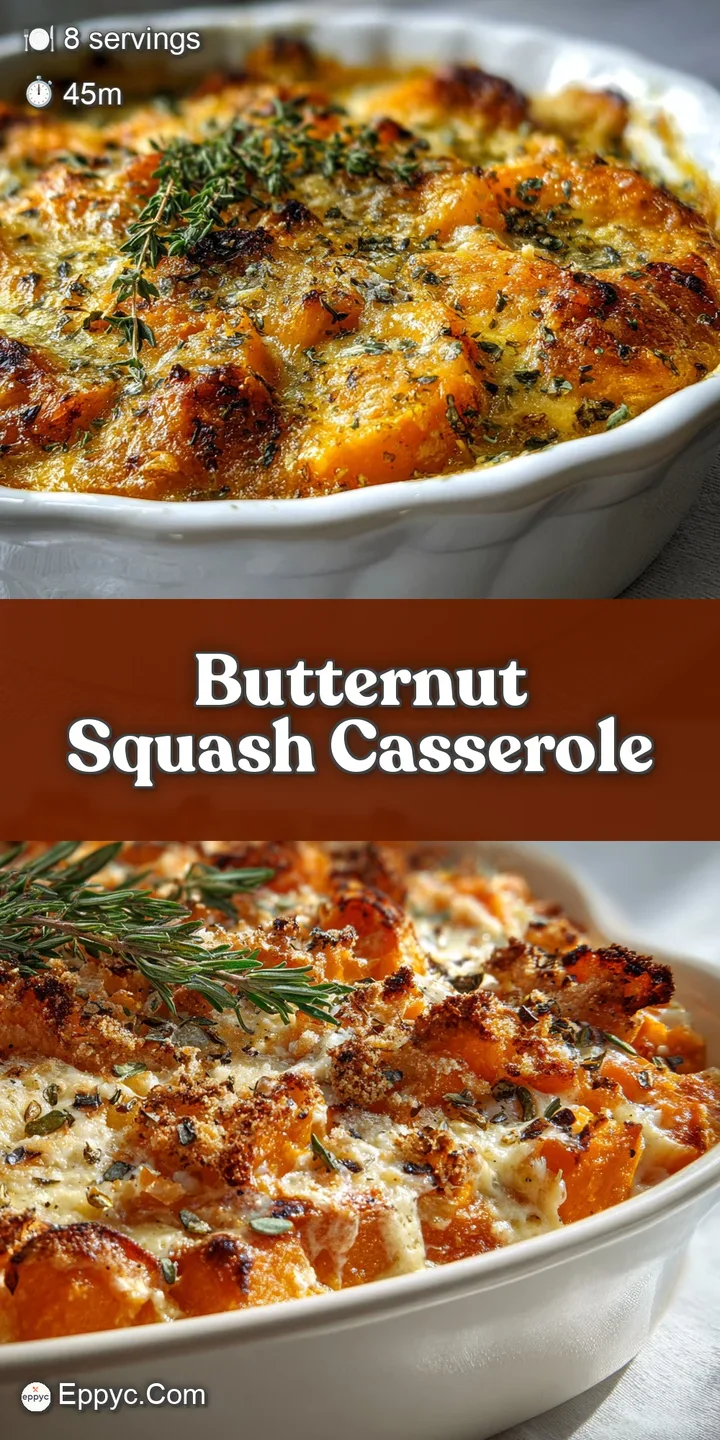
Butternut Squash Casserole
Ingredients:
Instructions:
Nutrition Facts:
| Calories | 262 kcal |
|---|---|
| Protein | 6 g |
| Fat | 19 g |
| Carbs | 20 g |
| Fiber | 4 g |
| Sugar | 5 g |
| Sodium | 338 mg |
