The Ultimate Creamy Butternut Cheddar Squash Casserole
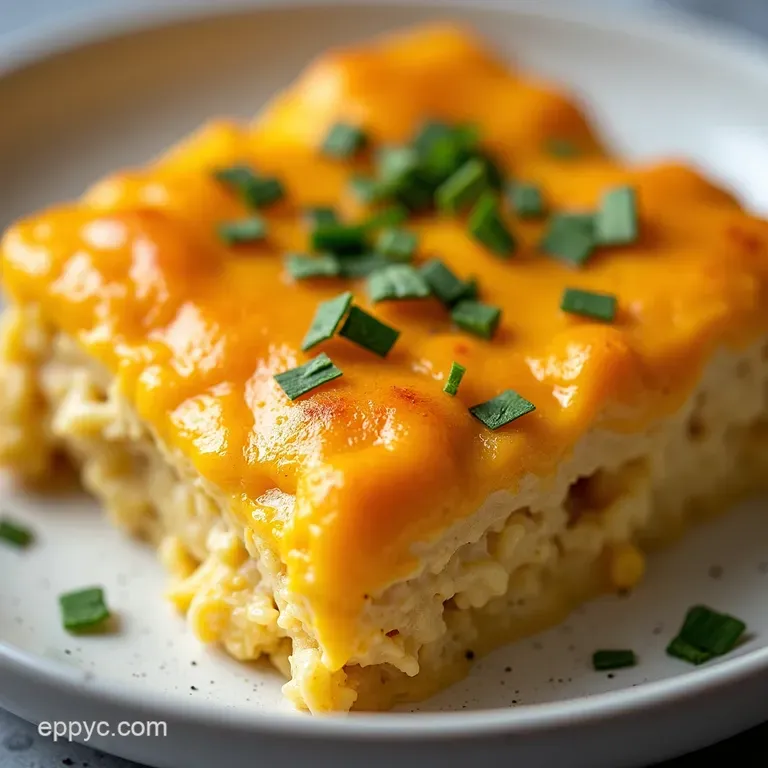
- Crafting the Definitive Comfort: Why This Squash Casserole Reigns Supreme
- Decoding the Magic: What Makes This Bake So Exceptionally Creamy
- Gathering the Building Blocks for Supreme Flavor
- The Step-by-Step Journey to Golden Brown Glory
- Variations on the Theme: Customizing Your Baked Squash Casserole
- Frequently Asked Questions
- 📝 Recipe Card
Crafting the Definitive Comfort: Why This Squash Casserole Reigns Supreme
Forget those watery, bland squash bakes of yore! This recipe elevates the humble squash into a rich, savoury triumph. We roast the squash first to bring out its natural sweetness, no mush here, thank you very much, then bind it in a silky, cheesy Mornay-style sauce, topped with a gloriously crunchy cracker crust.
This is more than just a side dish; it’s the culinary equivalent of a lovely, warm jumper on a chilly autumn evening. This Squash Casserole Recipe is designed to be your new favourite autumnal bake, delivering that deeply satisfying flavour profile everyone craves.
Decoding the Magic: What Makes This Bake So Exceptionally Creamy
The inherent beauty of a truly great Southern Squash Casserole lies in its texture. It needs to hold its shape when sliced but melt seductively on the fork.
Achieving this creamy, luxurious mouthfeel requires careful attention to two main areas: preventing excess moisture and building a stable, velvety sauce structure.
The Unforgettable Texture: Achieving Buttery Perfection
Our journey to optimal texture begins with the primary vegetable. We are using Butternut Squash, approximately 3 lbs worth, peeled, seeded, and cubed into 1-inch pieces. Instead of simply boiling or steaming, we opt to toss these cubes with 1 tablespoon of olive oil, salt, and pepper, and roast them in a 400° F ( 200° C) oven for 25–30 minutes.
This critical roasting step concentrates the squash's natural sugars, lending a slight caramelization, but more importantly, it drives off excess water that plagues inferior bakes.
Once roasted until tender, a light mash is applied, we aim for texture, ensuring some delightful chunks remain rather than achieving a baby-food consistency. This careful preparation ensures our Buttery Squash Casserole is deeply flavoured and never watery.
Beyond Bland: Elevating Simple Squash Flavor Profiles
The roasted squash provides the sweet foundation, but the flavour complexity comes from the sauce binder. This is not a simple mix-and-bake scenario; we construct a light Mornay sauce, which is essentially a Béchamel enriched with cheese.
Starting with 4 tablespoons of unsalted butter, we sauté half a cup of finely minced yellow onion until soft. Then, we create a roux by whisking in 1/4 cup of all-purpose flour, cooking it for a minute to eliminate any raw taste.
Gradually, 2 cups of slightly warmed whole milk (or half-and-half for extra decadence) are whisked in until the sauce thickens to coat the back of a spoon. Off the heat, we introduce 1 1/2 cups of freshly grated Sharp Cheddar cheese, a teaspoon of Dijon mustard for tang, and a crucial pinch of fresh nutmeg.
The combination of sharp cheese and aromatic nutmeg transforms the simple squash into something truly sophisticated.
Your New Go-To Holiday Side Dish Masterpiece
Given its richness, superb flavour integration, and visually appealing golden topping, this preparation transcends a simple weeknight side. It is undeniably the Best Squash Casserole Recipe for Thanksgiving, Christmas, or any gathering where indulgence is encouraged.
The use of Squash Casserole with Sour Cream substitutes (or in our case, rich dairy in the sauce) ensures a holiday-worthy richness that stands up beautifully next to roasted turkey or ham.
Related Recipes Worth Trying
- Easy French Toast Casserole Wake Up to Brunch Bliss — This easy french toast casserole is THE makeahead breakfast Perfect for lazy weekends or a holiday brunch Custardy cinnamonspiced goodness awaits Get the recipe
- MaplePecan Baked Acorn Squash My Cozy Autumn Treat — Looking for the ultimate baked acorn squash recipe This roasted squash with maplepecan crumble is pure comfort Easy and delicious the perfect fall side dish...
- Silky Butternut Squash Puree My Autumn Sunshine Recipe — Need an easy butternut squash puree recipe This ones luxuriously smooth flavourful and perfect as a side or soup base A touch of nutmeg makes it sing Get...
Gathering the Building Blocks for Supreme Flavor

To ensure success with this Easy Squash Casserole , precision in ingredient quality matters significantly, particularly when dealing with dairy and toppings. Having all components ready ensures the assembly process flows smoothly after the squash is roasted.
Essential Kitchen Arsenal: Tools for Flawless Execution
The necessary tools are standard for most home cooks, but a few items are non-negotiable for the texture we seek. You will require a large roasting tray for the initial vegetable preparation, a large saucepan or Dutch oven for constructing the sauce base, a reliable whisk (essential for lump-free sauce), and a 9x13 inch baking dish for the final presentation.
While a food processor can expedite the crushing of crackers, a sturdy rolling pin and a large zip-top bag work just as effectively for creating the fine crumb topping.
Selecting the Perfect Squash Varieties for Depth
While traditional Southern recipes often rely on yellow summer squash, we elevate this experience by employing Butternut Squash (around 1.4 kg total weight). Butternut offers a denser, less watery flesh and a naturally sweeter, more nutty profile when roasted, which contrasts wonderfully with the sharp cheese.
If time is extremely limited, acorn squash can be substituted, though it may require slightly longer roasting times to reach full tenderness.
Decoding Dairy Choices: Milk, Cream, and Cheese Selections
The creamy binder depends heavily on the dairy used. We call for 2 cups of Whole Milk, suggesting that Half-and-Half can be used for a richer outcome. The absolute most critical dairy component, however, is the cheese.
For the Cheesy Squash Casserole aspect, you must use 1 1/2 cups of freshly grated Sharp Cheddar. Pre-shredded cheese contains cellulose or starch designed to prevent clumping in the bag; these additives inhibit smooth melting, resulting in a grainy sauce.
Always grate your own cheese for maximum melt factor.
Pro-Tip Ingredient Substitutions (Handling Allergens)
For those navigating dietary restrictions, thoughtful substitutions are key to maintaining the spirit of this Comfort Food Squash Casserole . If managing a gluten intolerance, the topping can be easily adapted by swapping the Saltine crackers for panko breadcrumbs or gluten-free crisp crackers, binding them with the 4 tbsp of melted butter just the same.
For dairy-free needs, a high-quality cashew cream or oat milk blend can substitute the whole milk, though a vegan cheese substitute may not deliver the same sharpness as true Cheddar.
Precise Measurements for a Consistent Casserole Outcome
Consistency in a baked dish hinges on accurate ratios, especially between the thickener (flour) and the liquid (milk). For our base, 1/4 cup of flour to 2 cups of milk creates the correct consistency for the Béchamel before cheese addition.
On top of that,, the topping ratio is crucial: approximately 2 cups of finely crushed Saltine crackers paired with 4 tablespoons of melted butter ensures adequate coverage without becoming a heavy, bready layer.
The step-by-step Journey to Golden Brown Glory
Once the squash is roasted and the cheese sauce is formed, the assembly requires attention to detail to ensure the final product bakes evenly and achieves that signature crisp top.
Pre-Baking Preparation: Roasting vs. Steaming the Squash
As detailed earlier, the initial step involves preheating your oven to 400° F ( 200° C) to roast the cubed squash for 25–30 minutes until tender and slightly browned. Once slightly cooled, these pieces are lightly mashed.
This roasting technique is far superior to boiling, as it actively manages moisture content, ensuring the final casserole texture is robust rather than soft and yielding. Remember to reduce the oven temperature to 375° F ( 190° C) once the squash is done and you prepare for the final bake.
Whipping Up the Velvety Cheesy Binder (Mornay Base)
The sauce construction follows classic technique. After sautéing the onion in 4 tbsp of butter, the 1/4 cup of flour is whisked in to form the roux. Slowly whisk in the 2 cups of warm milk until the sauce thickens into a smooth Béchamel. The key here is patience; a steady whisk prevents lumps.
After removing the pan from the heat, the 1 1/2 cups of grated Cheddar, Dijon, nutmeg, salt, and pepper are incorporated until completely smooth. Gently fold the lightly mashed squash into this luxurious base.
The Crucial Topping Layer: Achieving Maximum Crunch
The contrasting crunch provided by the topping separates a good bake from an excellent one. For this Squash Casserole with Ritz Crackers , we need 2 cups of crushed crackers. These crumbs are tossed thoroughly with 4 tbsp of melted unsalted butter and 1/4 cup of freshly grated Parmesan cheese.
This mixture is then scattered in an even layer over the squash mixture, which has been poured into the lightly greased 9x13 inch baking dish. The Parmesan adds an extra layer of nutty flavour and crispness.
Baking Times and Temperature Adjustments for Ideal Doneness
The final casserole is baked at 375° F ( 190° C). The goal is not to cook the ingredients further, but to heat everything through until the edges bubble invitingly and the cracker topping turns a beautiful, uniform golden brown.
This usually takes between 25 and 30 minutes. It is imperative to allow the finished Squash Casserole Recipe to rest for 10 to 15 minutes after removing it from the oven.
This resting period allows the structure to fully set, preventing it from collapsing into a soupy mess when served.
Variations on the Theme: Customizing Your Baked Squash Casserole
While the established recipe yields a sublime result, adaptability is the hallmark of great home cooking. A few minor tweaks can significantly alter the character of this dish.
Savory Twists: Incorporating Herbs and Spices Beyond the Basics
To introduce a smoky dimension, consider adding 1/2 teaspoon of smoked paprika and a quarter teaspoon of chipotle powder directly into the cheese sauce mixture; this creates a flavour profile that pairs brilliantly with Monterey Jack cheese instead of Cheddar.
Alternatively, for a fresher, brighter taste, fold in two tablespoons of chopped fresh chives or thyme along with the mashed squash before topping. This simple addition makes the dish feel much more complex.
Reader Q&A: Troubleshooting Common Casserole Complications
Q: My casserole separated slightly after baking; what went wrong? A: This usually means the cheese was overheated during the sauce-making phase, causing the fats and solids to break apart. Always add the cheese off the heat, whisking gently until just melted.
Overcooking the final bake can also contribute.
Q: How can I make this a more robust vegetarian main dish? A: To increase substance, fold in a cup of cooked quinoa or sautéed mushrooms along with the roasted squash. This adds texture and protein, making it satisfying enough to serve solo for a light lunch.
Maximizing Your Leftovers: Storage and Reheating Secrets
This Easy Squash Casserole keeps wonderfully. Once completely cooled, cover the baking dish tightly with foil or transfer portions to an airtight container. It will retain optimal quality in the refrigerator for up to four days.
Reheating is best done slowly in the oven at 325° F ( 160° C) covered with foil until warm through, then removing the foil for the last five minutes to crisp the topping slightly.
If microwaving individual portions, cover loosely to prevent the topping from turning leathery.
Freezing Guidelines: Can You Successfully Freeze This Dish?
Yes, this casserole freezes well, particularly because of the roasting step which minimizes free water content. Bake as directed, allow it to cool completely, then cover the dish securely with plastic wrap followed by aluminum foil. It freezes safely for up to three months.
Thaw overnight in the refrigerator before reheating using the lower oven temperature method described above.
Nutritional Insights: Understanding the Macros of This Indulgence
As a richly flavoured, dairy-forward side dish, this recipe is certainly indulgent. Estimated per serving (1/8th of the recipe), expect approximately 350–380 calories, with a moderate amount of fat derived primarily from the butter and cheese necessary for that creamy texture.
It offers about 5 grams of dietary fibre thanks to the butternut squash, making it a satisfying component of any large meal.
Frequently Asked Questions
Why is my Squash Casserole watery?
Wateriness usually comes from too much moisture in the squash itself. To avoid this, you absolutely must roast the butternut first, as the recipe suggests; this concentrates the flavour and drives off excess water.
Also, be sure to properly mash the squash without letting any liquid from the pan drain into your casserole mix.
Can I make this Squash Casserole ahead of time for a dinner party?
Absolutely, this is a cracker of a make-ahead dish! You can assemble the entire casserole, including the topping, cover it tightly, and refrigerate it for up to 24 hours. Just remember to allow it to sit on the counter for about 30 minutes before baking, and you might need to add 5–10 minutes to the bake time.
What kind of cheese works best in this recipe?
For the best flavour and texture, stick with sharp Cheddar, it provides the necessary bite to balance the sweetness of the squash. If you’re feeling fancy, try a 50/50 mix of sharp Cheddar and Gruyère for a nuttier, more complex flavour profile.
My topping isn't crispy, what did I do wrong?
The topping needs fat and a hot oven to crisp up nicely! Ensure you thoroughly mix the cracker crumbs with the melted butter, and don't skimp on the Parmesan, as that browns well too. If the centre is cooked but the top is pale, put it under the grill (broiler) for the last two minutes, keeping a very close eye on it!
How long will leftover Squash Casserole keep in the fridge?
Leftovers are brilliant, often tasting even better the next day once the flavours have properly married! Store cooled leftovers in an airtight container in the fridge for up to four days. Reheat gently in the oven at 350°F (175°C) until warmed through to keep that topping from getting soggy.
Can I freeze this casserole?
Yes, freezing is definitely an option, though the texture of the topping might change slightly after thawing. Assemble and bake the casserole completely, let it cool fully, then wrap it tightly in plastic wrap and foil.
It will keep well in the freezer for up to three months; thaw overnight in the fridge before reheating.
The Best Buttery Squash Casserole Recipe with Ritz Topping