Tomato Bruschetta: the Classic Italian Summer Essential Recipe
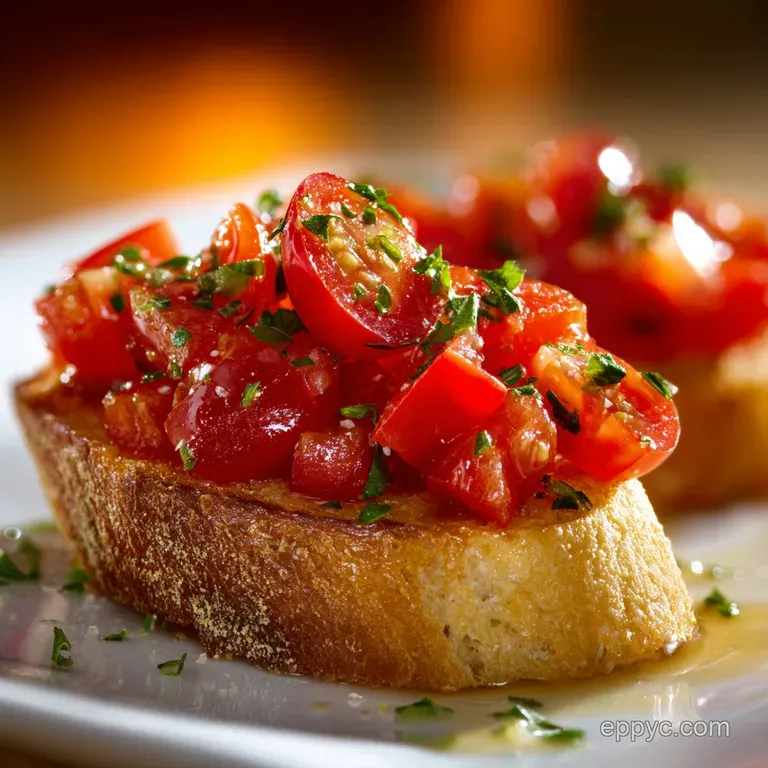
- The Classic Italian Tomato Bruschetta: A Sun-Kissed Starter
- Decoding Bruschetta: History, Pronunciation, and the Perfect Summer Bite
- Why This Tomato Bruschetta Recipe Works: The Science of Texture and Flavour
- Essential Components for the Ultimate Tomato Bruschetta: Ingredients Breakdown and Swaps
- Step-by-Step Method: Preparing and Assembling the Classic Tomato Bruschetta
- Chef’s Golden Rules: Troubleshooting and Elevating Your Bruschetta
- Prep Ahead, Store Safely: Practical Guide to Storage and Shelf Life
- Pairing Perfection: What to Serve Alongside Tomato Bruschetta
- Recipe FAQs
- 📝 Recipe Card
The Classic Italian Tomato Bruschetta: A Sun-Kissed Starter
Decoding Bruschetta: History, Pronunciation, and the Perfect Summer Bite
Seriously, is there any summer smell better than garlic rubbed toast meeting fresh basil and ripe tomatoes? That initial crunch, followed by the juicy, tangy burst of the topping? It’s pure magic on a plate, truly.
I’m talking about the best classic tomato bruschetta recipe you will ever make, the kind that transports you straight to a sunny piazza.
This isn't just an appetizer; it’s my emergency party trick, the absolute lifesaver when unexpected guests show up. It’s crazy fast, ridiculously cheap when tomatoes are in season, and always makes people think you slaved for hours perfecting an Italian masterpiece.
It gives you maximum flavour payoff for minimal effort, which is the definition of smart cooking, right?
But here’s the thing: making good bruschetta is about two non-negotiable steps maximizing the tomato flavour and perfecting that toast base. We are leaving the watery, bland, soggy versions of the past firmly behind us. Let’s make the real deal right now.
The Secret History of Stale Bread and Olive Oil
Bruschetta ( broo SKET-tah ) is the ultimate testament to Italian culinary resourcefulness. Historically, it was essentially a simple peasant dish, originating in central Italy, particularly Tuscany, designed to make use of stale bread.
Farmers would toast the old bread over a fire and rub it with garlic and fresh olive oil before topping it with whatever produce was available. It was humble food, totally brilliant.
How to Pronounce Bruschetta Like a Native
Please, I beg you, stop saying "broo SHET-tah." That ‘ch’ sound in Italian is pronounced like a hard ‘k’ sound, so you should be aiming for broo SKET-tah .
Pronouncing it correctly is half the battle won, instantly making you sound like a sophisticated human who actually understands Italian food.
The Essential Qualities of the Perfect Summer Starter
Perfect summer tomato bruschetta is a balance of textures and temperatures. You need the base to be warm, crusty, and intensely garlicky, contrasting sharply with the cold, bright, acidic tomato topping. It’s the interaction between these elements that makes it such an addictive appetizer.
Why This Tomato Bruschetta Recipe Works: The Science of Texture and Flavour
Balancing Acidity: Why Balsamic is Non-Negotiable
Tomatoes, especially those grown outside of peak summer, can sometimes lack that essential zing . A tiny splash of good quality balsamic vinegar isn’t just an optional extra; it’s a necessary tool to balance the sweetness of the ripe tomatoes and the fatty richness of the olive oil.
It adds depth and a crucial acidic punch that cuts through everything else.
The Crucial 'Crunch-to-Topping' Ratio
Nobody wants a soggy bottom, and bruschetta is famous for quickly developing one. This recipe works because we drain the tomatoes slightly after resting, and we ensure the bread base is robust and thick enough (about half an inch) to handle the juicy topping.
We are aiming for a solid crunch when you bite in, not a sad, yielding chew.
The Maillard Reaction: Achieving the Perfect Toast Base
We toast the bread at a high temperature (400°F/200°C) after generously brushing it with good Extra Virgin Olive Oil. This ensures we achieve the Maillard reaction that magical chemical process that turns bread golden brown, nutty, and infinitely more flavourful than just plain dry toast.
My worst mistake? I once tried to rush the toasting and ended up with pale, doughy bread that instantly dissolved under the tomatoes; never again.
Essential Components for the Ultimate Tomato Bruschetta: Ingredients Breakdown and Swaps
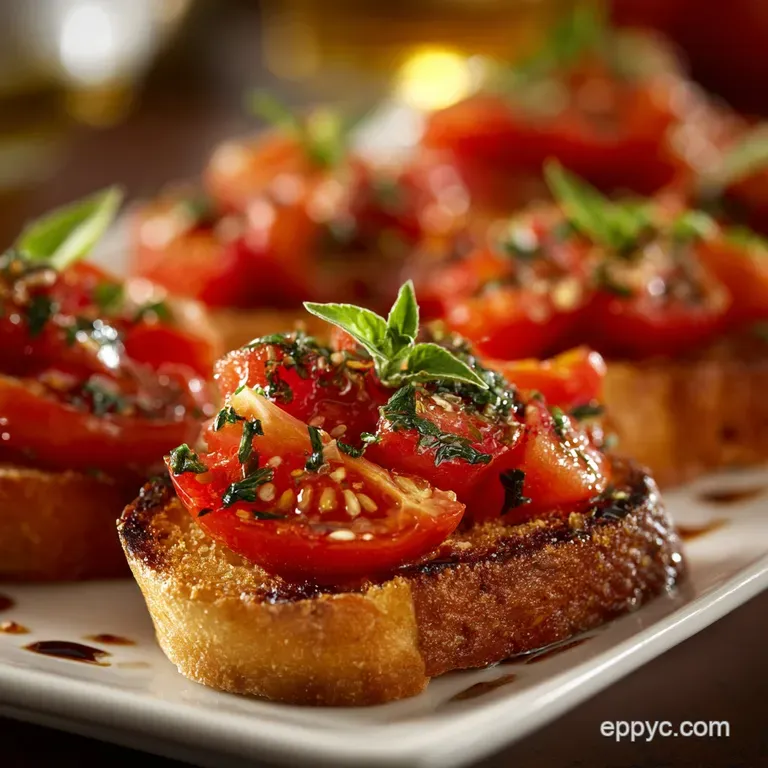
Selecting the Ripe Tomato: Best Varieties for Maximum Flavour
When it comes to classic tomato bruschetta , the tomato is the star, so please use the absolute best you can find. Roma or on-the-vine varieties are fantastic because they hold their shape well and aren't overly watery.
If it’s winter and decent tomatoes are impossible to find, switch entirely to sweet, concentrated grape or cherry tomatoes; they usually have far better flavour year round.
The Role of high-quality Extra Virgin Olive Oil
This is not the time to be frugal; use the really good stuff. We use EVOO both in the tomato topping for flavour and to brush the bread for that perfect, crisp crust. If you absolutely cannot afford a high-quality finishing oil, use a basic light olive oil for toasting, but ensure the oil mixed into the raw tomatoes is robust and flavourful.
Basil Brilliance: Fresh vs. Dried Herbs
You must use fresh basil here; there is genuinely no substitute that delivers the same level of aroma and bright, anise like flavour. Basil is the perfect partner for tomato and garlic.
If you are in a complete pinch and fresh basil is unavailable, you can try using a tiny pinch of dried oregano instead, but be warned, the final result will lack that signature summer punch.
Toast Alternatives: Choosing the Right Bread Base
A medium sized artisan loaf ciabatta or a sturdy sourdough works beautifully because they are dense enough to hold up to the moisture. They also get gloriously chewy when toasted. If you can't find those, a good quality French baguette is your next best bet.
Avoid soft, pre-sliced sandwich bread at all costs; it will turn into a catastrophe of mush within seconds.
| If you don't have... | You can use... |
|---|---|
| Balsamic Vinegar | A splash of good quality Red Wine Vinegar, or a squeeze of fresh Lemon Juice for acidity. |
| Fresh Basil | 1 tsp (5 ml) of high-quality dried oregano (fresh is 100x better though). |
| Ciabatta/Sourdough | A sturdy French baguette or good artisan multigrain loaf. |
step-by-step Method: Preparing and Assembling the Classic Tomato Bruschetta
Marinating the Tomatoes: The 30 Minute Flavour Infusion Rule
First, dice your tomatoes small, about 1/4 inch, and combine them with the basil, oil, vinegar, salt, and pepper. You must let this topping sit for at least 30 minutes, or even an hour if you have time. This rest is non-negotiable.
The salt draws out the sweet moisture from the tomatoes, creating a concentrated, gorgeous, flavour packed juice that we absolutely want to spoon over our toast.
Preparing the Crisp Garlic Crostini Base
Slice your bread about half an inch thick and brush both sides with olive oil. Toast them on a baking sheet at 400°F (200°C) for 8 to 10 minutes until they are golden brown and you smell a wonderful, nutty aroma. They should be crunchy but still have a tiny bit of give in the centre.
The Art of Draining: Avoiding Soggy Bruschetta
After your 30 minute rest, you will notice a delightful puddle of seasoned tomato juice at the bottom of the bowl. We definitely want to include some of this liquid for flavour, but we don't want to dump the whole bowlful of water on the bread.
Use a slotted spoon or gently tilt the bowl to discard any excessive watery juice before assembly.
Final Assembly and Plating Techniques
Immediately upon removing the hot bread from the oven, rub the cut surface of the warm toast fiercely with a peeled, whole garlic clove. This is the true secret to great bruschetta. The heat of the bread slightly melts the raw garlic, giving you deep flavour without that harsh, raw garlic sting.
Spoon the topping generously onto the warm, rubbed toast and serve immediately.
Chef’s Golden Rules: Troubleshooting and Elevating Your Bruschetta
The Most Common Bruschetta Mistakes (And How to Fix Them)
People usually fail by using old, dry spices or rushing the toasting process, resulting in bland mush. The biggest flaw, however, is being afraid to use enough salt, which prevents the tomato flavours from properly releasing.
Another common mistake is prepping too far ahead and ending up with a sad, soggy piece of toast.
Seasoning Strategy: When and How to Add Salt
Salt is crucial for unlocking tomato flavour, so add the salt and pepper to the diced tomatoes before the 30 minute rest. This initial seasoning helps the resting process. After the tomatoes have rested, taste the topping again and only then adjust the salt or add a tiny bit more balsamic if needed.
Quick Fixes for Under Ripe Tomatoes
If your tomatoes are slightly bland, you have two options. You can add a pinch of sugar to the mixture to mimic ripeness, or you can lean heavily on acidity by adding an extra teaspoon of balsamic or fresh lemon juice. This sharp flavour can mask the lack of inherent sweetness in the fruit.
Crucial Chef’s Note: Never store the finished bruschetta assembled. The marriage of warm toast and cold, wet topping is a fleeting moment of perfection. Assemble them right before your guests walk in the door.
Prep Ahead, Store Safely: Practical Guide to Storage and Shelf Life
Storing Marinated Topping Separately
You can absolutely prepare the tomato topping mixture up to 4 hours in advance. Keep it covered in an airtight container in the refrigerator. Just remember to pull it out about 15 minutes before serving so it loses its refrigerator chill and the flavours really pop.
How Long Does Fresh Bruschetta Last?
If assembled, bruschetta needs to be eaten within an hour. After that, the toast rapidly starts absorbing the moisture from the topping, leading to the dreaded soggy bread texture. This is not a make-ahead finger food.
Freezing the Components (Is It Possible?)
Freezing the tomato topping is a terrible idea; the tomatoes will thaw into a mushy, watery mess. However, you can absolutely toast and rub the bread base a few hours ahead of time! Store the garlic rubbed toast in an airtight container at room temperature.
When ready to serve, pop them in a warm oven for 3 minutes to crisp them up again.
Pairing Perfection: What to Serve Alongside Tomato Bruschetta
This tomato bruschetta appetizer is light and zesty, making it ideal for starting a heavier meal, or serving as part of a summer spread. I love using it as a starting point before digging into something comforting like the Ultimate Comfort: How to Bake Beef Lasagna with Rich Tomato Sauce .
For a complete appetizer course, serve the bruschetta alongside another fresh Italian starter. It pairs beautifully with a simple salad, like my recipe for Tomato Mozzarella Salad My Easy Insalata Caprese Recipe . If you are hosting a fall dinner party, serving this before a warm bowl of Velvety Roasted Tomato Red Pepper Soup RecipesPerfect for Fall Comfort is a wonderful transition from fresh to cozy.
A dry Italian white wine like Pinot Grigio, or even a chilled rosé, complements the acidity of the tomatoes perfectly. Just keep it simple and fresh, like the bruschetta itself!
Recipe FAQs
How do I prevent the toasted bread from becoming soggy too quickly?
The key is to toast the bread until it is fully crisp and ensure it has been adequately rubbed with oil and garlic to create a moisture barrier. Also, make sure to thoroughly drain any excess liquid from the diced tomatoes before mixing the topping, or keep the topping separate and only assemble immediately before serving.
What are the best types of tomatoes to use for classic bruschetta?
The best tomatoes are those with low water content and high flavor, such as heirloom varieties, Roma, or small cherry/grape tomatoes. Avoid large, watery slicing tomatoes, as they will quickly dilute the topping and lead to soggy bread. Always choose ripe, peak-of-the-season fruit for the most vibrant flavor.
Can I prepare the tomato topping mixture ahead of time?
Yes, you can prepare the tomato mixture up to 4 hours in advance, but it is crucial to skip adding the basil and salt until the last 30 minutes of preparation. Salt draws moisture out of the tomatoes, which creates a watery pool at the bottom of the bowl if left for too long.
If you must prep further ahead, make sure to thoroughly drain the mixture right before serving.
Why is it important to rub the toast with raw garlic after toasting?
Rubbing the toasted, still warm bread with a raw garlic clove adds a sharp, fresh aromatic punch that is absolutely essential to the authentic flavor profile. The rough texture and heat of the freshly toasted bread help release the garlic oils, infusing the toast far better than simply brushing on garlic oil beforehand.
My bruschetta tastes a little bland. How can I boost the flavor?
If the flavors are falling flat, the usual culprits are insufficient seasoning and lack of acid. Ensure you are using enough salt, which enhances the tomato's natural sweetness, and increase the amount of balsamic vinegar or a squeeze of fresh lemon juice.
Never underestimate the importance of using good quality olive oil.
I don't have balsamic vinegar. What is a good substitute?
Balsamic vinegar adds crucial acidity and a deep, complex sweetness. If you don't have it, a small splash of good quality red wine vinegar works well to provide the necessary tang. Alternatively, you can use a touch more fresh lemon juice mixed with a pinch of brown sugar to replicate the rounded flavor profile.
Can I add cheese to this classic bruschetta recipe?
While traditional Italian bruschetta is inherently dairy-free, many popular variations incorporate fresh cheese. Adding small, fresh mozzarella pearls (bocconcini) or crumbled goat cheese adds a wonderful creaminess and complexity. If adding cheese, toss it gently with the tomato mixture right before serving.
Classic Tomato Bruschetta Appetizer
Ingredients:
Instructions:
Nutrition Facts:
| Calories | 329 kcal |
|---|---|
| Protein | 6.2 g |
| Fat | 25.6 g |
| Carbs | 24.1 g |
