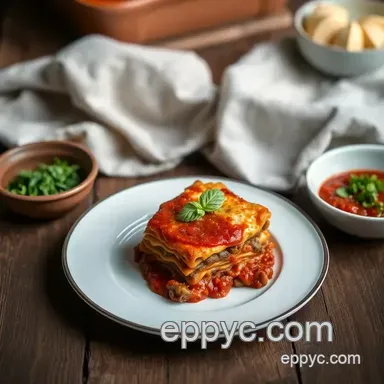
Classic Beef Lasagna: Rich Tomato Sauce
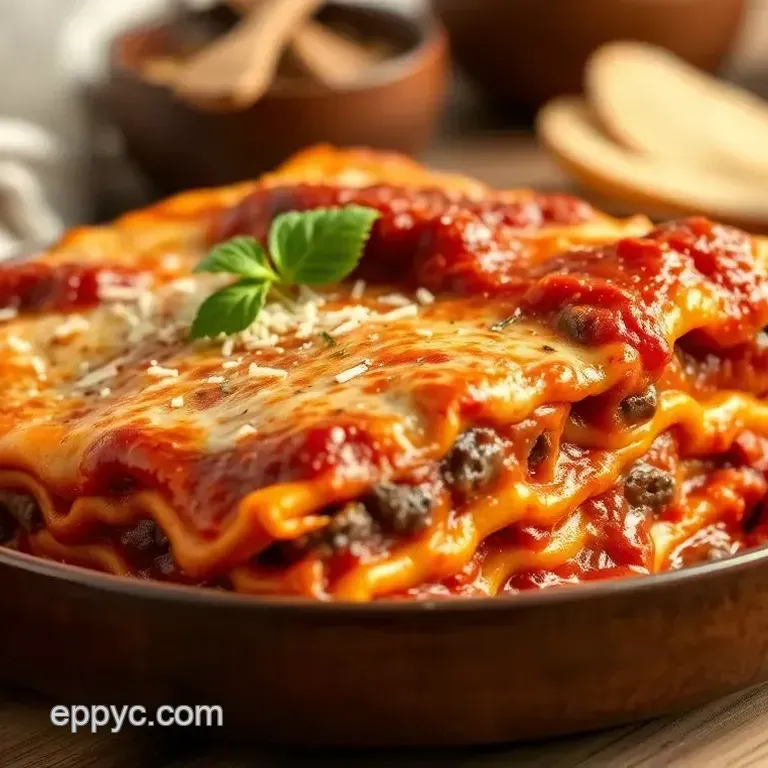
- Time: 45 min active + 60 min baking
- Flavor/Texture Hook: Deep mahogany beef with bubbling, browned cheese
- Perfect for: Sunday family dinners or high protein meal prep
That specific sound of ground beef hitting a hot Dutch oven, that aggressive sizzle, is where the magic starts. Ever wonder why some lasagnas feel like a wet cake while others have those distinct, hearty layers?
I used to struggle with "lasagna soup" until I realized the issue wasn't the cheese, but the moisture in the sauce.
This is the ultimate recipe for Savory Layers Classic Beef Lasagna with Rich Tomato Sauce. It focuses on a thick, reduced meat sauce and a ricotta mixture that actually holds its shape. You'll get a dish that's sturdy enough to slice cleanly but stays juicy in the middle.
We're keeping things budget friendly here by using part skim cheeses and lean beef. You don't need expensive imported ingredients to get that deep, savory profile. A few smart steps with the vegetables and a little patience during the simmer do all the heavy lifting.
Why These Layers Work
- Vegetable Base: Sautéing carrots and celery provides a natural sweetness. This cuts the tomato acidity without needing a spoonful of sugar.
- Egg Stabilizer: Beating an egg into the ricotta binds the cheese. It prevents the filling from leaking out when you cut a slice.
- Sauce Reduction: Simmering the sauce until it's thick ensures the noodles absorb flavor rather than getting soggy. If you love a different base, my roasted tomato sauce works well for lighter versions.
For more on the cheese filling, I've shared a classic ricotta mixture that adds a bit more herb depth.
| Goal | What to change | Impact |
|---|---|---|
| Leaner Meal | Use 93% lean beef | Lower fat, slightly drier |
| More Veggies | Double the carrots | Sweeter, more nutrients |
| Extra Tang | Add 1 tsp lemon juice | Brighter sauce flavor |
Tools For the Job
You'll need a large Dutch oven or a deep skillet for the sauce. A 9x13 inch baking dish is non negotiable here, or the layers will be too thin and dry out. I also recommend a meat thermometer to check the center temperature.
| Method | Time | Texture | Best For |
|---|---|---|---|
| Stovetop Sauce | 45 mins | Thick & Concentrated | Layering |
| Oven Baking | 60 mins | Melded & Bubbling | Final Setting |
Ingredients and Budget Swaps
For the Meat Sauce: 1 lb lean ground beef (90% lean) Why this? Great flavor balance with less grease to drain 2 tbsp extra virgin olive oil 1 medium onion, finely diced 2 medium carrots, finely diced 2 stalks celery, finely diced 4 cloves garlic, minced 28 oz crushed
Tomatoes 6 oz tomato paste Why this? Deepens the tomato flavor 1 tsp dried basil 1 tsp dried oregano 1/2 tsp salt 1/4 tsp black pepper 1/2 cup beef broth
For the Cheese Filling: 15 oz part skim ricotta cheese Why this? Prevents the filling from becoming too watery 1 large egg, lightly whisked 1/2 cup fresh parsley, chopped 1/4 cup grated Parmesan cheese 1/2 tsp salt
For Assembly: 12 lasagna noodles 3 cups shredded part skim mozzarella cheese 1/2 cup grated Parmesan cheese
| Component | Purpose | Substitute Notes |
|---|---|---|
| Lean Beef | Main protein | Ground turkey: Lighter, requires extra salt |
| Ricotta | Creamy contrast | Cottage cheese: Puree first for smooth consistency |
| Beef Broth | Depth & deglazing | Water + soy sauce: Mimics the umami flavor |
| Mozzarella | Binding & crust | Provolone: More pungent, similar melting point |
Time and Yield
- Prep time:45 minutes
- Cook time:60 minutes
- Total time:105 minutes
- Yield: 8 servings
Step by step Assembly
- Warm olive oil in a Dutch oven over medium high heat. Brown the ground beef until the vegetables become tender.
- Mix in the minced garlic and tomato paste. Cook for 2 minutes until the sauce is thick enough to coat a spoon.
- In a large bowl, combine the ricotta, beaten egg, parsley, 1/4 cup Parmesan, and salt. Whisk until the cheese is bubbly and golden. Use a thermometer to ensure the center reaches 165°F.
Chef Note: Let the lasagna rest for 15 minutes before slicing. If you cut it immediately, the layers may shift and the sauce will run.
Fixing Common Issues
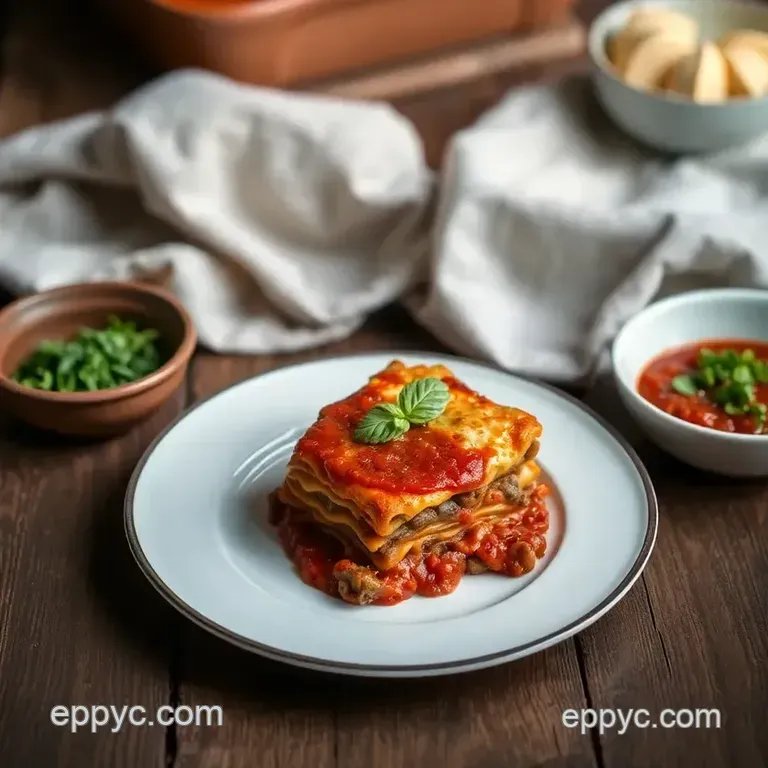
Fixing Watery Lasagna
Watery layers usually happen if the sauce didn't reduce enough or if the ricotta was too wet. If you see a pool of liquid, simmer your sauce longer next time. For an immediate fix, you can dab the top with a paper towel before serving, but preventing it in the pan is the only real way.
Preventing Burnt Edges
The edges of the noodles often dry out and turn hard. To stop this, make sure the sauce reaches all the way to the edges of the pan. If you notice the cheese browning too fast, cover the dish loosely with foil for the first 30 minutes of baking.
Solving Sticking Noodles
If your noodles clump together during boiling, rinse them in cold water immediately and toss them with a drizzle of oil. Better , use "no boil" noodles, but add an extra 1/2 cup of beef broth to the sauce to provide the necessary hydration.
Keeping it Fresh
Keep remaining portions in a sealed glass container in the fridge for 3-4 days. For freezing, let the lasagna cool completely, wrap individual slices in foil, and transfer them to a freezer bag; they will remain fresh for about 3 months.
For the best texture, avoid the microwave when reheating. Place a slice in a small baking pan, add a bit of water or extra sauce, cover with foil, and warm at 325°F (160°C) for 20 minutes.
To minimize waste, use your carrot and onion scraps to create a simple vegetable stock. Any extra ricotta can be mixed into scrambled eggs or spread onto grilled toast with a touch of honey.
Tweaking the Dish
For a Veggie Boost: Add a layer of sautéed spinach or thinly sliced zucchini. Serious Eats' testing shows that salting and draining zucchini first prevents a gummy crumb in baked pasta.
Lowering the Fat: Use 95% lean beef and replace the mozzarella with a part skim version. You can also swap the ricotta for a blend of Greek yogurt and Parmesan for a tangier, higher protein filling.
Adding Heat: Stir 1/2 tsp of red pepper flakes into the meat sauce during the garlic step. This provides a subtle warmth that cuts through the richness of the cheese.
Best Side Pairings
Because this dish is so rich, pairing it with something zesty or light creates a better balance. A crisp salad of rocket with a citrusy dressing provides a sharp contrast to the savory beef.
For extra heartiness, toasted garlic bread is the traditional accompaniment. Brush a sourdough loaf with garlic butter and parsley, then broil for 2 minutes.
If you prefer a more substantial side, I often choose roasted broccoli or sautéed kale. The bitterness of these greens helps cleanse the palate between bites of the rich tomato sauce.
Common Kitchen Myths
Searing meat doesn't actually lock in moisture; water loss occurs regardless of the temperature. However, that brown crust is essential for adding a deep, savory flavor.
High end cheese doesn't always guarantee a better outcome. In a baked dish, the heat fuses everything together. Part skim mozzarella often offers a more satisfying "pull" and less excess oil than expensive artisanal options.
Now that the preparation is complete, it's time to bake. Stick to the method, allow the sauce to reduce, and remember to let it rest for 15 minutes before serving. It's the key to achieving a polished result rather than a mess.
High in Sodium
840 mg 840 mg of sodium per serving (37% 37% of daily value)
The American Heart Association recommends a limit of 2,300 mg of sodium per day for most adults to maintain heart health.
Tips to Reduce Sodium in Your Lasagna
-
Swap the Broth-30%
Replace the standard beef broth with low-sodium beef broth or an unsalted beef stock alternative.
-
Eliminate Added Salt-25%
Omit both 1/2 tsp salt measurements; the cheeses and canned tomatoes already provide significant sodium.
-
Choose No-Salt Added Canned Goods-20%
Use no-salt added crushed tomatoes and tomato paste to avoid the hidden sodium found in processed cans.
-
Reduce Parmesan Cheese-15%
Decrease the grated Parmesan cheese amount by half or substitute with a small amount of nutritional yeast.
-
Modify Ricotta and Mozzarella-10%
Use a lower sodium ricotta or reduce the amount of shredded mozzarella cheese used in the layers.
-
Boost Aromatic Herbs
Increase the dried oregano, basil, and fresh parsley to enhance flavor profiles without relying on salt.
Recipe FAQs
What is the best sauce for beef lasagna?
A thick, reduced tomato sauce with beef broth. Simmering crushed tomatoes and beef broth ensures the layers stay stable and flavor dense. If you like this rich base, our spaghetti sauce uses a similar aromatic foundation.
Which order is correct for layering the ingredients?
Spread meat sauce on the bottom first. Layer the noodles, ricotta mixture, and mozzarella cheese, repeating the process before finishing with a final layer of mozzarella and Parmesan.
Why do lasagna layers often slide?
Excessive ricotta mixture per layer. Overloading the cheese can cause the structure to fail when sliced. Ensure you distribute the mixture evenly to maintain stability.
Can crushed tomatoes alone provide enough depth?
No, you need tomato paste. Sautéing the paste until it darkens creates a concentrated, savory base that crushed tomatoes alone cannot provide.
Is it true that jarred sauce is more flavorful than homemade?
No, this is a common misconception. Building a sauce from scratch with onion, carrots, and celery creates a sophisticated flavor profile that far surpasses pre-made options.
Bake Beef Lasagna With Rich Tomato Sauce