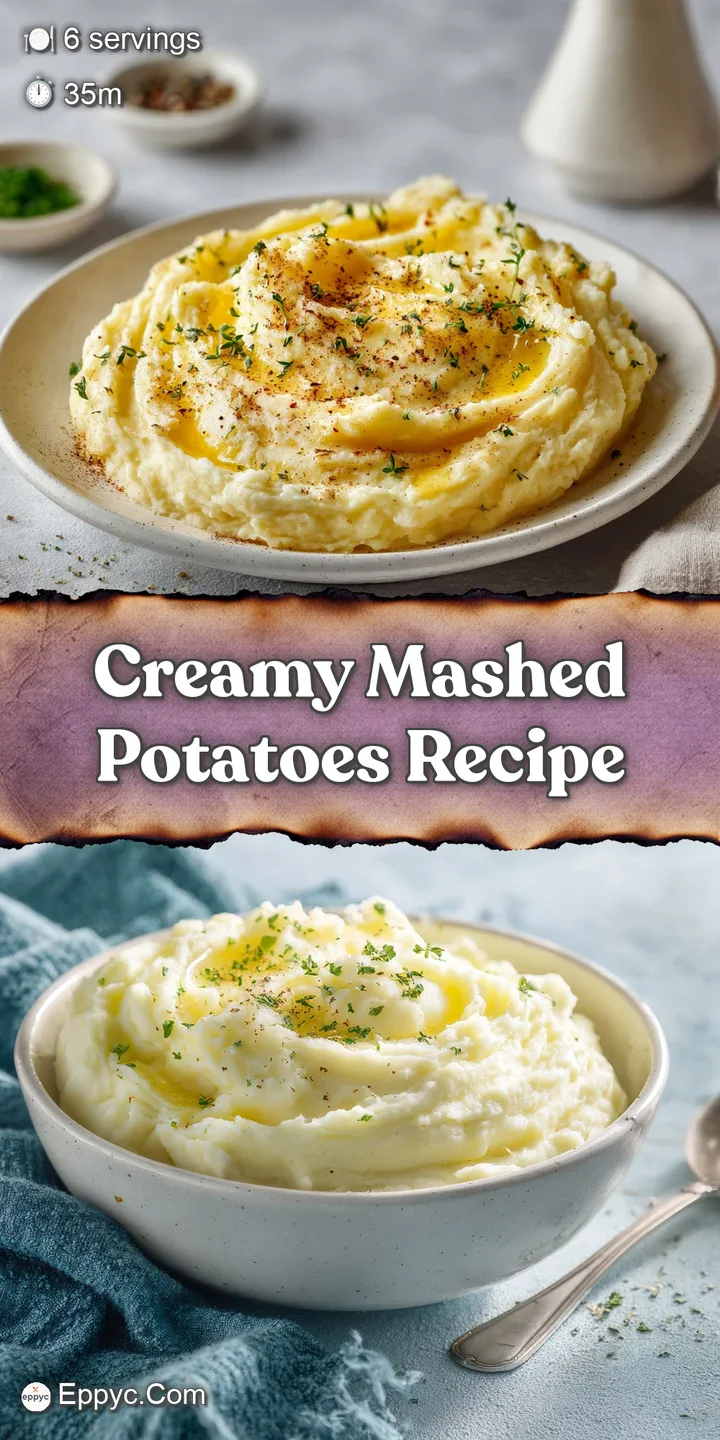
Creamy Mashed Potatoes Recipe
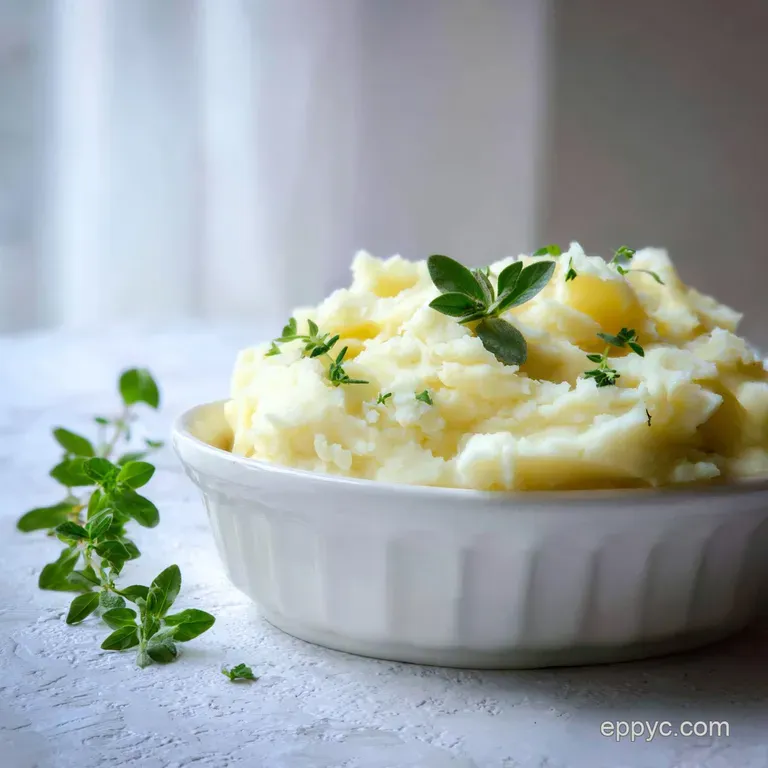
- Time: Active 15 minutes, Passive 20 minutes, Total 35 minutes
- Flavor/Texture Hook: Velvety, garlic kissed fluff with a rich, tangy finish
- Perfect for: Holiday feasts, Sunday roasts, or budget-friendly weeknight comfort
- The Secret to Creating an Irresistible Creamy Mashed Potatoes Recipe
- The Molecular Dance of Potato Starch
- Comparison of Speed vs Classic Methods
- Performance Specs for Your Perfect Holiday Side Dish
- Ingredient Deep Dive
- Smart Ingredient Selection for Flavor and Savings
- The Essential Digital and Analog Kitchen Tools
- Step by Step from Cold Water to Velvety Finish
- Solving Texture and Temperature Issues with Ease
- Scaling for Large Groups or Solo Meals
- Creative Flavor Tweaks for Every Palate
- Debunking Kitchen Folklore
- How to Store and Refresh Your Leftover Potatoes
- What to Serve Alongside These Decadent Spuds
- Creamy Mashed Potatoes Recipe FAQs
- 📝 Recipe Card
The Secret to Creating an Irresistible Creamy Mashed Potatoes Recipe
I’ll never forget the first time I tried to make "fancy" potatoes for a dinner party. I was so focused on making them rich that I dumped in nearly a pint of heavy cream and used a hand mixer on high speed. The result? A bowl of sticky, gray wallpaper paste.
I was devastated, but that failure sparked my obsession with the technology of a potato. I spent the next three months testing starch ratios and dairy temperatures until I cracked the code on how to get that steakhouse silkiness on a home cook budget.
Right then, let's get into why this specific method works so well. We aren't just boiling tubers; we're managing starch cells. When you understand how to empower your ingredients through proper heat management and moisture control, you stop guessing and start creating.
This creamy mashed potatoes recipe is the culmination of those kitchen experiments, designed to give you that heartfelt, "hug in-a bowl" feeling every single time you serve it.
Trust me on this one the combination of Russets for fluff and Yukon Golds for that buttery color is a total game changer. We've all seen recipes that call for expensive artisanal butters or infused oils, but we're going to use smart pantry staples like light cream cheese and sour cream to build layers of flavor that feel incredibly decadent without breaking the bank.
The Molecular Dance of Potato Starch
Starch Retrogradation: Allowing the potatoes to steam dry after boiling forces excess moisture out, preventing a watery mash and allowing the starch cells to better absorb the added fats. This creates a velvety emulsion rather than a heavy, saturated mess.
Comparison of Speed vs Classic Methods
| Method | Total Time | Texture Outcome | Best For |
|---|---|---|---|
| Quick Boil (Small cubes) | 20 minutes | Softer, slightly watery | Weeknight rush |
| Classic Cold Start (Quartered) | 35 minutes | Fluffy, structural integrity | This specific recipe |
| Pressure Cooker | 25 minutes | Dense, very smooth | Large batches |
Performance Specs for Your Perfect Holiday Side Dish
Before we hit the stove, we need to talk about the "how" behind the heat. Most people make the mistake of dropping potatoes into already boiling water. That's a recipe for uneven cooking the outside turns to mush before the center is even tender.
We always start with cold water to ensure the temperature rises gradually, allowing the heat to penetrate to the core of those 1.5 lbs of Russets and 1.5 lbs of Yukon Golds at the same rate.
If you're looking for a different spin on spuds, you might also love my & Decadent Recipe which takes these flavors to a whole new level of crispy skin goodness. But for a pure, side dish staple, this mash is the gold standard. We’re aiming for a specific internal temperature of about 205°F for the potatoes themselves; that’s the "sweet spot" where the starch is fully hydrated but the cells haven't burst into a gluey disaster.
Chef's Tip: Freeze your 4 tbsp of butter for 10 minutes before cubing it. Adding ice cold butter to hot potatoes creates a more stable emulsion than melted butter, resulting in a significantly more velvety texture.
Ingredient Deep Dive
| Ingredient | Science Role | Pro Secret |
|---|---|---|
| Yukon Gold Potatoes | Medium starch/High sugar | Provides the natural "buttery" yellow hue and creamy base |
| Russet Potatoes | High starch/Low moisture | Creates the "loft" and fluffy texture that lightens the dish |
| Light Cream Cheese | Stabilizing Emulsifier | Adds tang and fat while keeping the mash thick and stable |
| Whole Milk | Hydration Agent | Provides the liquid necessary to transform solids into a smooth puree |
Smart Ingredient Selection for Flavor and Savings
- 1.5 lbs Yukon Gold potatoes: Peeled and quartered Why this? Offers a naturally creamy texture and rich color.
- 1.5 lbs Russet potatoes: Peeled and quartered Why this? Essential for that classic, light and fluffy mouthfeel.
- 4 cloves fresh garlic: Peeled and smashed Why this? Boiled with the potatoes for a mellow, integrated flavor.
- 1/2 cup light cream cheese: Softened Why this? budget friendly way to add incredible richness and body.
- 1/4 cup low-fat sour cream: Why this? Provides a necessary acidic "pop" to cut through the fat.
- 3/4 cup whole milk: Why this? The primary liquid for adjusting your desired consistency.
- 4 tbsp unsalted butter: Cubed Why this? Controls the salt level while adding essential silkiness.
- 1 tbsp sea salt: Why this? Enhances every other flavor; use half for the water.
- 1/2 tsp white pepper: Why this? Provides warmth without the black specks for a clean look.
| Original Ingredient | Substitute | Why It Works |
|---|---|---|
| Whole Milk | Unsweetened Almond Milk | Works well, but reduce amount by 10% as it's thinner. |
| Light Cream Cheese | Greek Yogurt (Full Fat) | Adds even more tang. Note: Mash will be slightly less stiff. |
| Sea Salt | Table Salt | Use 20% less by volume as table salt is finer/saltier. |
The Essential Digital and Analog Kitchen Tools
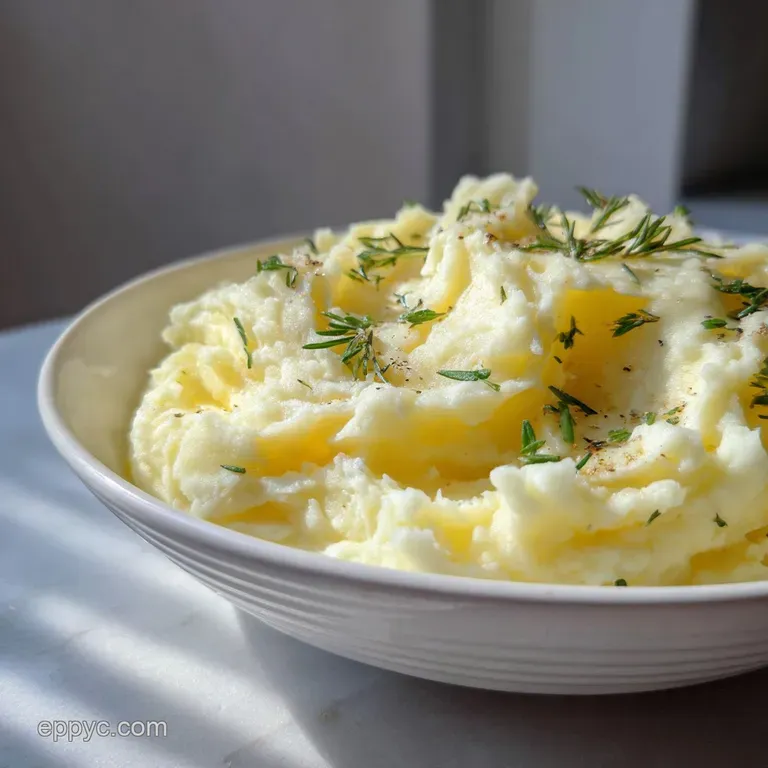
To truly empower your cooking, you need the right gear. While a simple hand masher works, using a potato ricer or a food mill is the real digital age upgrade for your kitchen. It's the difference between "good enough" and "restaurant quality." A ricer ensures that no large lumps remain, but more importantly, it doesn't overwork the starch.
If you're trying to keep things simple and budget friendly, a sturdy whisk can actually be your best friend for the final folding stage. Just avoid the temptation of the food processor unless you're looking to make literal glue.
I also recommend using a digital kitchen scale to weigh your potatoes; 1.5 lbs of Russets can look very different depending on their size, and precision is the heartbeat of consistency.
step-by-step from Cold Water to Velvety Finish
- Prepare the tubers. Peel and quarter 1.5 lbs of Yukon Golds and 1.5 lbs of Russets into uniform 2 inch chunks. Note: Uniformity ensures they all finish cooking at the exact same moment.
- Start the cold soak. Place potatoes and 4 smashed garlic cloves in a large pot, covering with cold water by at least an inch.
- Season the water. Add half of the sea salt to the water until the water tastes like a mild salt broth.
- Simmer steadily. Bring to a boil, then reduce heat to a simmer. Cook 20 minutes until a knife slides in with zero resistance.
- The steam dry phase. Drain the potatoes thoroughly, then return them to the hot pot over low heat for 1 minute, shaking gently until the surface looks matte and powdery.
- Warm the dairy. While potatoes dry, whisk 3/4 cup whole milk and 4 tbsp butter in a small saucepan over low heat until the butter is just melted and milk is steaming.
- Rice or Mash. Press the hot potatoes and garlic through a ricer into a large bowl, or mash thoroughly with a hand masher until no visible lumps remain.
- Incorporate the "tang". Fold in 1/2 cup softened cream cheese and 1/4 cup sour cream using a spatula until the white streaks disappear into the gold.
- Stream in the liquid. Slowly pour the warm milk mixture into the potatoes, folding gently until the texture becomes silky and light.
- Final Seasoning. Add the remaining salt and 1/2 tsp white pepper, tasting one last time until the flavors sing.
Solving Texture and Temperature Issues with Ease
Why Your Mash Is Gluey
This is the most common heartbreak. It usually happens because the potatoes were overworked (too much mashing) or cooked too fast. When starch cells break, they release amylose, which turns into a sticky paste.
Why Your Mash Is Grainy
Grainy potatoes are usually the result of undercooking or using old potatoes that have started to convert their starch back into sugar. Always check the thickest piece of potato before draining.
| Problem | Root Cause | Solution |
|---|---|---|
| Sticky/Gluey Texture | Overworking or using a blender | Fold in a little extra butter; don't stir anymore. |
| Watery/Thin Mash | Too much milk or poor draining | Add a spoonful of instant potato flakes or simmer to reduce. |
| Lumpy Consistency | Uneven cutting or undercooking | Pass through a fine mesh sieve or ricer while still hot. |
Common Mistakes Checklist ✓ Always start with cold water to prevent "mushy outside, raw inside" syndrome. ✓ Never skip the steam dry step; moisture is the enemy of a rich, creamy texture. ✓ Use a ricer if you want that "cloud like" consistency without the effort of hand mashing.
✓ Warm your milk and butter before adding them to keep the potatoes from seizing. ✓ Don't over salt the water; you can always add salt at the end, but you can't take it out.
Scaling for Large Groups or Solo Meals
If you're hosting a massive family gathering, you can easily double this recipe. Just be mindful that a 3 lb total batch of potatoes (which this recipe is) fits perfectly in a standard 5 quart pot. If you go up to 6 lbs, you'll need a stockpot to ensure the water can circulate.
For doubling, I suggest only increasing the salt and pepper to 1.5x the amount initially, then seasoning to taste at the end.
When scaling down for two people (using about 1 lb of potatoes total), reduce the cook time by about 5 minutes since the smaller volume of water will reach a boil faster. You can also use this smaller batch technique to prep for a Silky Smooth How recipe if you prefer a slightly different flavor profile for a solo dinner.
Creative Flavor Tweaks for Every Palate
Creamy Garlic Mashed Potatoes
For a more intense kick, roast an entire head of garlic in the oven with olive oil while the potatoes boil. Squeeze the softened cloves directly into the mash during the folding phase for a sweet, caramelized depth.
Tangy Herbed Mash
Finely mince fresh chives, parsley, and a hint of dill. Fold these into the finished mash right before serving. The heat of the potatoes will release the herb oils without wilting them into nothingness.
- For Ultra Light Fluff
- Use 100% Russet potatoes and an extra 1/4 cup of sour cream.
- For Dense & Rich
- Swap the milk for half and half and use 100% Yukon Golds.
- For a Budget Boost
- Replace the butter with a high-quality margarine and add a dash of nutritional yeast for a cheesy flavor.
Debunking Kitchen Folklore
One common myth is that you need to peel potatoes after boiling to keep the flavor. In reality, peeling them beforehand and quartering them allows the salt in the water to penetrate the potato throughout the cooking process.
Another myth is that adding salt to the water makes them boil faster while technically true in chemistry, the amount of salt we use is so small that the time difference is barely measurable.
How to Store and Refresh Your Leftover Potatoes
Storage: These potatoes will keep beautifully in an airtight container in the fridge for up to 4 days. Because of the cream cheese and sour cream, they stay remarkably stable compared to basic butter and milk recipes.
Freezing: Yes, you can freeze them! The high fat content from the cream cheese acts as a protector against ice crystals. Freeze in freezer bags for up to 3 months. Thaw in the fridge overnight before reheating.
Zero Waste: Don't throw away those potato peels! Toss them with a little oil and salt and air fry them at 400°F for 10 minutes for a crispy, nutritious snack. Also, if you find yourself with a cup of leftover mash, it makes the world's best thickener for an Instant Pot Potato Soup recipe.
What to Serve Alongside These Decadent Spuds
This creamy mashed potatoes recipe is a versatile powerhouse. It’s heavy enough to stand up to a thick ribeye steak but light enough to pair with a delicate roasted chicken. If you’re looking for a classic pairing, nothing beats a rich brown gravy or a simple mushroom sauce poured right into a "well" made in the center of the scoop.
For a complete meal, try serving these alongside some balsamic glazed Brussels sprouts or honey roasted carrots. The acidity in the vegetables perfectly balances the creamy, garlic infused profile of the potatoes.
Whether it's a holiday centerpiece or a Tuesday night rescue, these potatoes bring a heartfelt touch to any plate they land on. Stay curious, keep experimenting with your digital tools and kitchen gadgets, and most importantly, enjoy the process!
Creamy Mashed Potatoes Recipe FAQs
How to make the creamiest mashed potatoes?
Start with the right potatoes and use a ricer. A combination of starchy Russets for fluffiness and waxy Yukon Golds for creaminess works best. Ricing the potatoes instead of mashing prevents overworking the starch, which leads to a gluey texture. If you enjoyed mastering texture control here, see how the same principle applies to achieving a perfect crust in our How to Make Crispy Baked Chicken with Parmesan Crust: An Easy Delight.
What's the secret to creamy mashed potatoes?
It's all about managing starch and moisture. Ensure potatoes are cooked through but not overdone, then allow them to steam dry in the pot for a minute before adding dairy. This prevents waterlogging and helps the starches absorb fat for a velvety result. If you liked learning about ingredient science here, explore the flavor balancing in our How to Cook with Pie Pumpkin: Creamy Savory Risotto Recipe.
Is it better to use milk or heavy cream for mashed potatoes?
Whole milk is generally preferred for balance, with a touch of cream cheese or sour cream for richness. Heavy cream can make them too dense and greasy on its own. Using whole milk provides necessary hydration without overwhelming the potato flavor, while additions like cream cheese offer creaminess and a slight tang.
What makes mash creamier?
Fat content and avoiding overworking the starch. Incorporating ingredients like butter, cream cheese, or sour cream adds essential fats for a smooth mouthfeel. Using a potato ricer or food mill and gently folding in warm liquids helps maintain that creamy texture without making them gluey.
Can I use a food processor for mashed potatoes?
No, absolutely not. A food processor will overwork the potato starch, breaking it down too much and turning your mash into a sticky, gummy paste. It's best to use a masher, ricer, or food mill for the perfect creamy texture.
How do I avoid watery mashed potatoes?
Drain thoroughly and steam dry the potatoes. After boiling, drain all excess water, then return the hot potatoes to the empty pot over low heat for a minute, shaking gently. This step removes residual moisture, preventing a watery mash and creating a better base for the dairy.
What type of potato is best for creamy mashed potatoes?
A blend of starchy and all-purpose potatoes works best for optimal creaminess. Russet potatoes provide a fluffy texture due to their high starch content, while Yukon Golds offer a buttery flavor and smooth, creamy consistency. Using both ensures you get the best of both worlds.
Creamy Mashed Potatoes Recipe
Ingredients:
Instructions:
Nutrition Facts:
| Calories | 315 kcal |
|---|---|
| Protein | 7.7 g |
| Fat | 12.2 g |
| Carbs | 43.8 g |
| Fiber | 3.3 g |
| Sugar | 2.3 g |
| Sodium | 175 mg |
