Easy Chicken Piccata with Lemon Caper Sauce
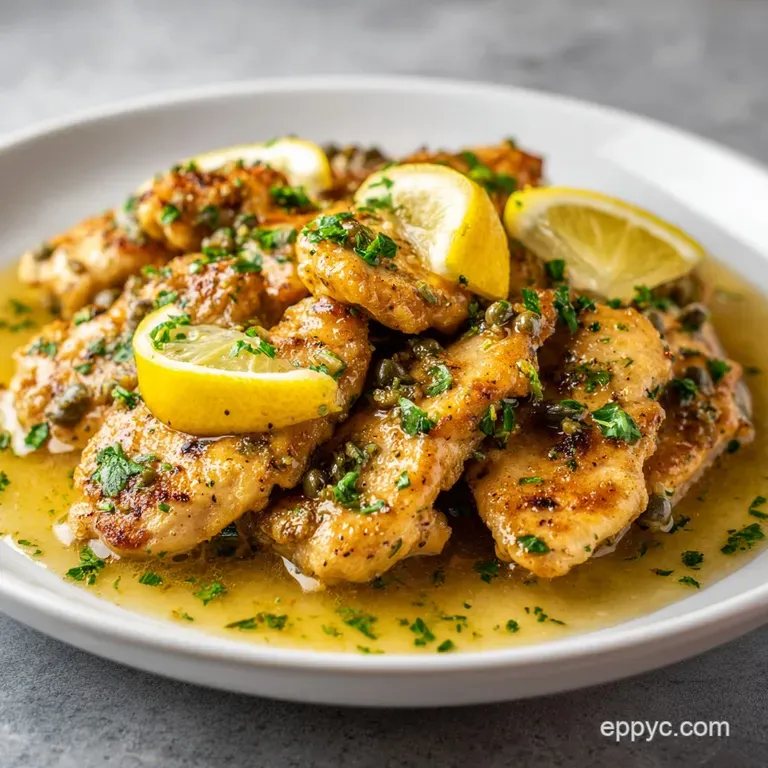
- Time: Active 10 minutes, Passive 10 minutes, Total 20 minutes
- Flavor/Texture Hook: Zesty, buttery sauce with a shatter crisp chicken exterior
- Perfect for: High speed weeknight dinners or empowering your first "fancy" date night meal
- Master the Ultimate Golden Chicken Piccata
- Essential Specs for Kitchen Success
- The Alchemy of Zesty Ingredients
- Precision Tools for Perfect Results
- Step-by-Step Culinary Execution
- Solving Common Sauté Struggles
- Flavor Adaptations and Variations
- Preserving Texture and Taste
- Perfect Pairings for Your Plate
- HIGH in Sodium
- Recipe FAQs
- 📝 Recipe Card
Master the Ultimate Golden Chicken Piccata
The first time I tried making this, the kitchen was a disaster of flour clumped chicken and a sauce that looked more like oily soup than a velvety reduction. I remember the sharp, citrusy aroma filling the air, but the texture was all wrong the chicken was tough, and the coating just slid right off into the pan.
It was a heartfelt effort that taught me my first big lesson in culinary technology: temperature control and physical preparation are everything.
Since that soggy chicken incident, I’ve refined the process using a few digital tools and precise techniques that empower even the busiest home cook. You want to hear that aggressive sizzle the moment the meat hits the oil, followed by the sight of the white wine deglazing the browned bits (the fond) from the bottom of your pan.
It’s a sensory experience that turns a simple Tuesday into something special.
We are going to walk through exactly how to get that signature piquant flavor profile without the stress. This isn't just about following a list; it's about understanding the "why" so you can cook with confidence every single time.
Trust me on this, once you nail the emulsion, you’ll never look at a lemon the same way again.
Essential Specs for Kitchen Success
The Science of the Emulsion: Whisking chilled, cubed butter into a hot reduction creates a stable fat in-water emulsion. The cold temperature allows the fat to incorporate slowly, preventing the sauce from breaking into a greasy mess.
- Chef Tip: Freeze your cubed butter for exactly 10 minutes before adding it to the sauce to ensure the temperature differential is high enough for a silky finish.
- Chef Tip: Use a digital meat mallet or even a heavy rolling pin to ensure your chicken is a uniform 1/4 inch thickness; uneven meat is the number one cause of dry edges.
- Chef Tip: Don't rinse your capers too thoroughly; that residual brine contains concentrated flavor that deepens the piquant profile of the sauce.
| Thickness | Internal Temp | Rest Time | Visual Cue |
|---|---|---|---|
| 1/4 inch | 165°F (74°C) | 3 minutes | Opaque white throughout |
| 1/2 inch | 165°F (74°C) | 5 minutes | Slight resistance when pressed |
| 1 inch | 165°F (74°C) | 8 minutes | Not recommended for Piccata |
When you're aiming for that golden brown finish, remember that the stovetop provides the most immediate feedback. While an oven can be helpful for bulk cooking, the direct heat of a skillet is what creates the Maillard reaction we need for a truly professional result. If you're looking for a different creamy profile after mastering this, try the Chicken Carbonara recipe for a similar lesson in emulsification.
The Alchemy of Zesty Ingredients
Selecting the right components is where the digital precision of a scale meets the heartfelt intuition of a cook. We are using 2 large boneless, skinless chicken breasts (approx. 500g) as our canvas.
The quality of your wine and lemon juice will dictate the final vibrance of the dish, so don't reach for the bottled juice fresh is non negotiable here.
| Ingredient | Science Role | Pro Secret |
|---|---|---|
| All Purpose Flour | Starch barrier | Dust off 90% of the flour; you want a veil, not a blanket. |
| Dry White Wine | Solvent/Acid | Use a Sauvignon Blanc for its high acidity to cut through the butter. |
| Chilled Butter | Emulsifier | Adding it at the very end (off heat) ensures a velvety, glossy sheen. |
Component Analysis and Substitutions
- Chicken Breasts (500g): The primary protein. Why this? They pound flat easily and cook in under 4 minutes total.
- Substitute: Chicken thighs (boneless); they'll be juicier but take 2 mins longer.
- All Purpose Flour (1/2 cup): Creates the crust. Why this? Provides enough starch for the sauce to cling to.
- Substitute: Rice flour; creates a lighter, even crispier gluten-free shatter.
- Dry White Wine (1/3 cup): Deglazing agent. Why this? Lifts the fond and adds complex fruity acidity.
- Substitute: Extra chicken stock with a splash of white wine vinegar.
- Non pareil Capers (3 tbsp): Salt and texture. Why this? They provide "flavor bombs" that contrast the rich butter.
- Substitute: Chopped green olives (pitted) for a similar briny punch.
- Fresh Lemon Juice (1/4 cup): The bright highlight. Why this? Citric acid balances the heavy fats of the butter.
- Substitute: Lime juice (though it shifts the profile significantly).
Precision Tools for Perfect Results
To truly empower your cooking, you need a few essential pieces of technology. First, a heavy bottomed 10 inch or 12 inch stainless steel skillet is vital. Cast iron works too, but stainless steel allows you to see the color of the fond more clearly, which prevents burning the sauce base.
Next,, a digital instant read thermometer is your best friend. Chicken Piccata moves fast one minute you're golden, the next you're dry. Pulling the chicken at exactly 160°F and letting carryover cooking take it to 165°F ensures the most succulent results.
You'll also need a meat mallet for thinning the cutlets and a fine mesh strainer for rinsing your capers to control the salt levels.
step-by-step Culinary Execution
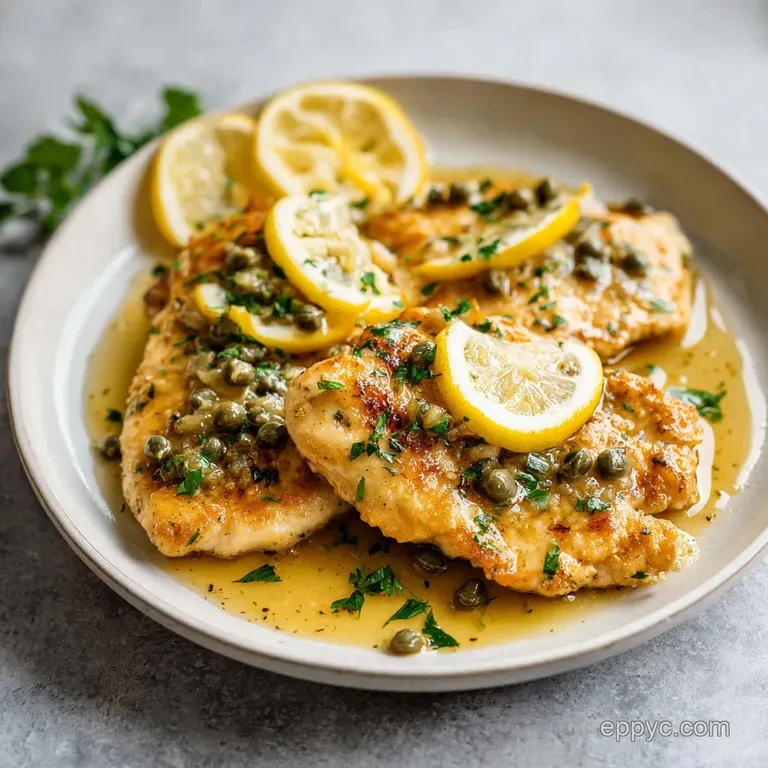
- Prep the chicken. Halve the 500g chicken breasts horizontally and pound them between plastic wrap to a uniform 1/4 inch thickness. Note: This ensures the edges don't dry out before the center cooks.
- Season and coat. Whisk the 1/2 cup flour with 1 tsp sea salt and 1/2 tsp black pepper; dredge the chicken until lightly coated and shake off excess.
- Heat the fats. Add 2 tbsp olive oil and 2 tbsp butter to the skillet over medium high heat until the butter foam subsides and begins to shimmer.
- Sear the cutlets. Work in batches to avoid crowding; cook the chicken for 2-3 minutes per side until deep golden and mahogany crusted.
- Rest the meat. Remove chicken to a warm plate. Note: This allows the juices to redistribute while you build the sauce.
- Deglaze the pan. Pour in 1/3 cup white wine, scraping the bottom with a wooden spoon until the liquid reduces by half.
- Simmer the base. Add 1/2 cup chicken stock, 1/4 cup lemon juice, and 3 tbsp capers; boil for 3-5 minutes until the aroma is sharp and concentrated.
- Mount the sauce. Turn the heat to low and whisk in the 3 tbsp chilled, cubed butter one piece at a time until the sauce is glossy and velvety.
- Finish the dish. Return chicken to the pan for 30 seconds to coat; sprinkle with 2 tbsp fresh parsley until the green is vibrant against the sauce.
For a different vibe, my Classic Chicken Piccata Recipe shows how to keep things traditional if you want to compare methods.
Solving Common Sauté Struggles
The "Soggy Coating" Trap
If your chicken coating is sliding off or feels gummy, it’s usually a moisture issue. If the pan isn't hot enough, the chicken steams instead of searing. Also, if you dredge the chicken too far in advance, the flour absorbs moisture from the meat and turns into a paste before it hits the oil.
| Problem | Root Cause | Solution |
|---|---|---|
| Greasy Sauce | Butter added too hot | Whisk in chilled butter off heat or on very low. |
| Tough Chicken | Not pounded thin enough | Use a mallet to achieve a uniform 1/4 inch thickness. |
| Bitter Aftertaste | Burned lemon/garlic | Add lemon juice at the very end and don't over reduce. |
Common Mistakes Checklist
- ✓ Pat the chicken completely dry with paper towels before dredging in flour.
- ✓ Ensure the oil butter mixture is shimmering before adding the first cutlet.
- ✓ Don't overcrowd the pan; if the cutlets touch, the temperature drops and they won't crisp.
- ✓ Always use "non pareil" capers; larger capers can be tough and overly floral.
- ✓ Use a cold whisk for the butter to help maintain the emulsion stability.
Flavor Adaptations and Variations
While the classic version is hard to beat, sometimes you need to work with what you have in the pantry. If you are avoiding alcohol, you can still achieve a fantastic result. Using a high-quality chicken stock with a teaspoon of sugar and a tablespoon of white wine vinegar mimics the complex profile of a dry wine without the ABV.
If you are looking for a more hearty, "set it and forget it" style, the easy chicken piccata slow cooker method is a great alternative. You won't get the same shatter crisp crust, but the chicken becomes incredibly tender.
Simply place the chicken and all sauce ingredients (except the butter and parsley) in the crockpot for 4 hours on low, then whisk in the cold butter at the very end before serving.
| Premium | Budget | Flavor Impact | Savings |
|---|---|---|---|
| Veal Cutlets | Chicken Breast | Leaner, more neutral flavor | Save $15-20 |
| Fresh Parsley | Dried Parsley | Less "grassy" freshness, more muted | Save $1-2 |
| Sauvignon Blanc | Cooking Wine | Cooking wine is saltier/less refined | Save $10 |
Preserving Texture and Taste
Storing Chicken Piccata requires a bit of care because the lemon butter sauce can separate when reheated. Store leftovers in an airtight container in the fridge for up to 3 days. When you're ready to eat, don't use the microwave; it will turn the chicken rubbery and break the sauce.
Instead, place everything in a small skillet over low heat with a splash of chicken stock to loosen the emulsion.
Freezing is possible but not ideal for the sauce. If you must freeze, do so for no more than 1 month. To reheat from frozen, thaw completely in the fridge overnight and follow the skillet method mentioned above. For zero waste, save your lemon rinds!
I toss them into a jar of white vinegar for two weeks to create a natural, citrus scented kitchen cleaner it's a great way to empower your home's sustainability.
Perfect Pairings for Your Plate
This dish is quite acidic and bright, so it needs a base that can soak up that liquid gold sauce. Traditionally, a bed of angel hair pasta or linguine is the go to. However, if you're looking for something lower in carbs, a cauliflower mash or roasted asparagus works beautifully. The Piquant Chicken recipe sauce is actually quite versatile if you want to try it over grilled salmon too!
- The Classic Pairing: Serve over buttered noodles with a side of crusty sourdough bread to mop up every drop of the lemon caper reduction.
- The Low Carb Alternative: Zucchini noodles (zoodles) are fantastic here, as they provide a crunch that mimics the snap of the capers.
- The Mediterranean Twist: Add halved cherry tomatoes and a handful of baby spinach to the sauce in the final minute of simmering for a boost of color and vitamins.
Right then, you're officially ready to conquer the kitchen! This recipe is more than just food; it's a way to empower yourself through precision and flavor. Let's crack on and get that pan heating!
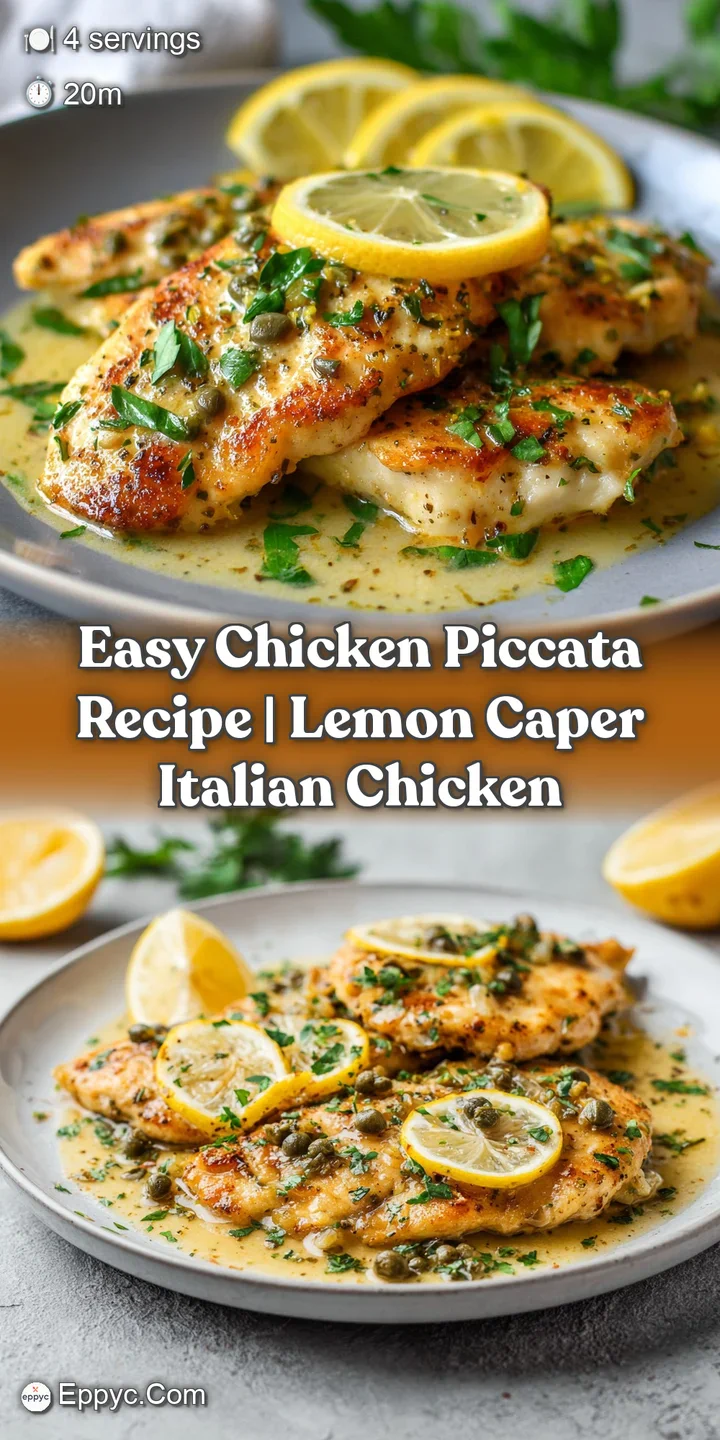
HIGH in Sodium
845 mg mg of sodium per serving (37% of daily value)
The American Heart Association recommends limiting sodium intake to no more than 2,300mg per day for most adults. Lowering sodium intake can help reduce blood pressure.
Sodium Reduction Tips for Chicken Piccata
-
Low-Sodium Broth-30%
Replace the regular low-sodium chicken stock with a no-salt added chicken broth or homemade broth. This simple swap can significantly lower the sodium content.
-
Reduce Added Salt-25%
Omit the 1 tsp of fine sea salt. Taste the dish after cooking, and only add a pinch if absolutely necessary. The capers and lemon juice provide ample flavor.
-
Rinse Capers Thoroughly-15%
Rinse the capers under cold water for at least 30 seconds to remove excess salt before adding them to the recipe. This helps to reduce their sodium contribution.
-
Enhance with Lemon-10%
Increase the amount of fresh lemon juice slightly (e.g., from 1/4 cup to 1/3 cup) to enhance the dish's acidity and brightness. This will help to compensate for the reduction in salt.
-
Fresh Herbs & Spices
Experiment with fresh herbs like oregano, thyme, or basil, and spices like garlic powder (not garlic salt!) or onion powder to boost flavor without adding sodium.
Recipe FAQs
What are some common mistakes to avoid when making chicken piccata?
Yes, overheating the pan is the most critical mistake. If the oil/butter shimmers too aggressively before searing, the flour coating will burn, leading to a bitter taste and a stuck pan. Also, avoid overcrowding the skillet, as this steams the chicken instead of crisping it.
What gives chicken piccata its characteristic flavor?
The flavor comes from the sharp contrast between rich butter and high acidity. This is achieved by the piquant combination of fresh lemon juice and briny capers, deglazed with dry white wine. Mastering this sweet tart balance is key to restaurant quality results; if you loved the balance here, see how we apply similar acid techniques in our Classic Chicken Cordon Bleu recipe.
What is chicken piccata sauce made of?
The sauce base is a reduction of dry white wine, chicken stock, and fresh lemon juice. This base is then emulsified off the heat by whisking in cold, cubed butter at the very end to create a glossy, velvety texture.
How to ensure the chicken cutlets are cooked evenly?
Pound the chicken breasts to a uniform 1/4 inch thickness before dredging. Uneven thickness is the main cause of dry edges while the center is undercooked. If you enjoyed learning about precise texture control here, apply the same principle of fat-to-liquid ratio management when working on a stable emulsion in our Creamy Dreamy Chicken Enchiladas with White Sauce Recipe.
Is it necessary to use fresh lemon juice instead of bottled?
Yes, fresh lemon juice is highly recommended for the best outcome. Bottled juice lacks the volatile oils and bright acidity found in fresh lemons, resulting in a duller, sometimes metallic, sauce profile.
What can I substitute for white wine in the sauce reduction?
Use high-quality, low-sodium chicken stock augmented with white wine vinegar. Use about 1/2 cup of stock mixed with one teaspoon of vinegar to mimic the acidity and complexity the wine provides when deglazing the pan.
What is Julia Child's famous chicken dish?
Julia Child is most famous for Poulet Rôti (Roast Chicken) and Chicken Fricassee. While she popularized many French techniques, Piccata is generally considered an Italian American adaptation, not one of her signature French masterpieces.
Easy Lemon Chicken Piccata
Ingredients:
Instructions:
Nutrition Facts:
| Calories | 418 calories |
|---|---|
| Protein | 39.2g |
| Fat | 26.2g |
| Carbs | 7.4g |
| Fiber | 0.6g |
| Sugar | 0.9g |
| Sodium | 845mg |
