Proper Sautéed Kale with Lemon and Parmesan No More Bitter Greens
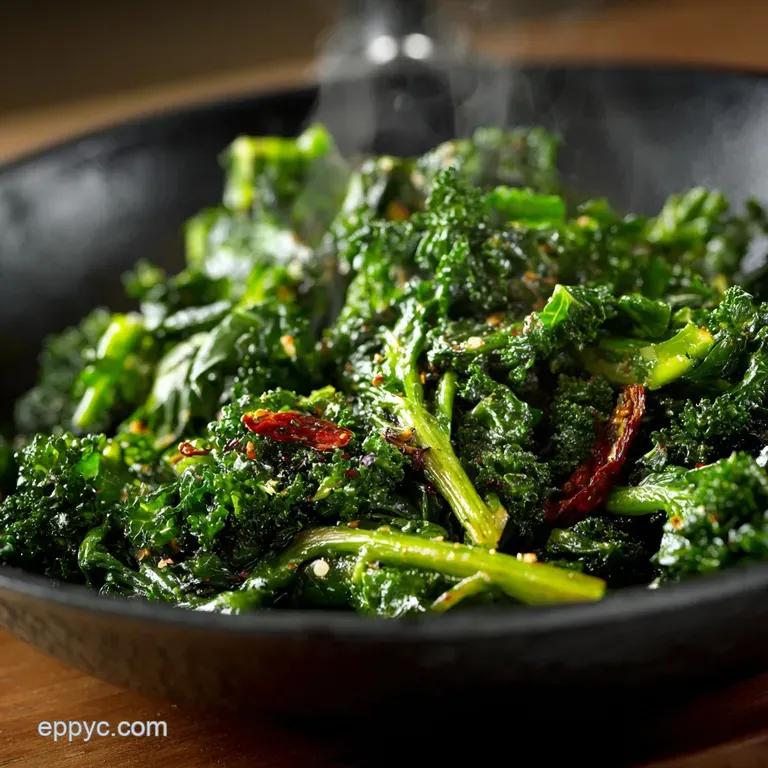
The Culinary Redemption of Tough Greens: A Kale Revelation
From Boot Sole to Side Dish: Why Your Previous Attempts Failed
The historical problem with Kale is that many cooks treat this robust brassica like delicate spinach. Improperly prepared kale is notoriously coarse due to its high cellular fiber content. This leads to dishes that require aggressive chewing and often taste unpleasantly bitter.
Learning how to cook kale properly involves understanding that physical manipulation is required before heat application. Treating the leaves gently but firmly transforms the tough texture into an appealing kale side dish .
This simple shift turns a dense green into a satisfyingly cooked kale component of any meal.
The Essential 'Massage' Technique Explained
The crucial step in achieving truly tender kale is the pre-cook massage technique, applied directly after destemming and chopping. This simple physical action intentionally breaks down the rigid cellulose structure of the leaf walls.
This mechanical tenderization mimics the effects of very long cooking, but crucially without sacrificing the vibrancy or nutritional content of the greens.
We use a small amount of fine salt during this process, which acts as a gentle abrasive and helps draw out excess moisture. After two to three minutes of kneading, the leaves should visually shrink, darken slightly, and feel soft and velvety to the touch.
Achieving the Perfect Umami Balance
Great Sautéed Kale demands careful construction of the flavour base to balance the green's earthy, mineral notes. We rely on the synergy of fat, acid, and salt to create a complex depth often referred to as umami.
This turns a simple, healthy green into a deeply savory and satisfying easy kale recipe .
The Parmesan and quickly softened garlic provide the essential foundational savoriness. Meanwhile, the addition of fresh lemon juice cuts through the richness and eliminates any residual bitterness. This contrast elevates the greens beyond a basic preparation.
Gathering Your Arsenal: Essential Components for Flavour Packed Kale
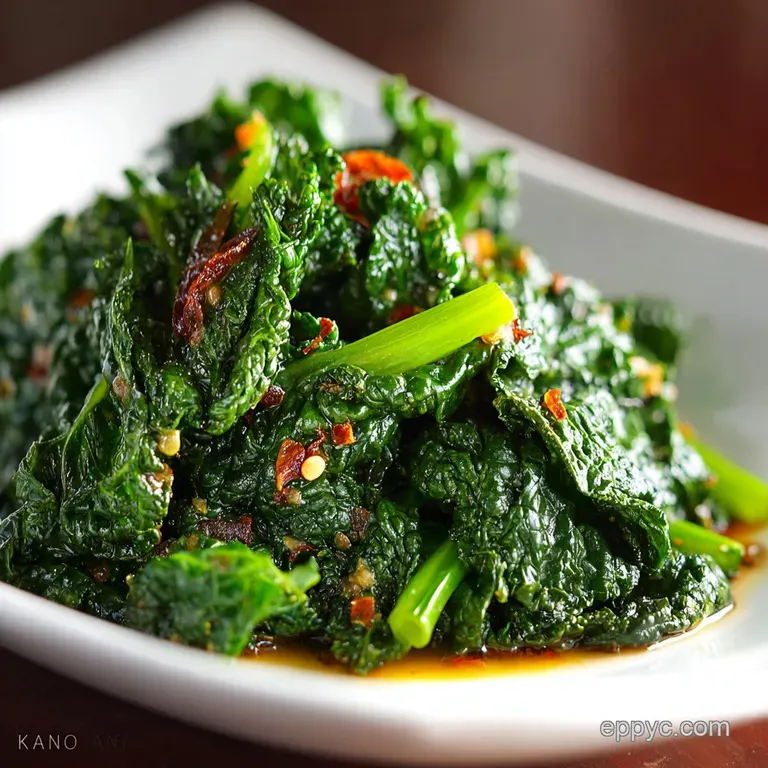
Selecting the Best Kale: Curly Versus Lacinato
Choosing the right variety profoundly impacts the final texture and flavour of your cooked kale . Curly kale, with its ruffled edges, is generally more robust and tougher, making it perfectly suited for extreme dehydration like Kale Chips .
Lacinato, also known as Dinosaur or Tuscan kale, is flatter and tends to wilt faster, absorbing flavour more readily.
We specifically recommend Lacinato for this quick sauté recipe due to its naturally smoother texture. This variety requires less aggressive massaging and results in a more desirable kale side dish .
| Kale Variety | Best Use Case | Key Preparation Note |
|---|---|---|
| Curly | Roasting/Chips, Long Braises | Requires heavy massage or blanching. |
| Lacinato | Quick Sauté, Salad | Requires gentle massage; quicker to wilt. |
A Study in Synergy: Garlic, Chilli, and Acid
The aromatic base must be built carefully to maximize flavour extraction without succumbing to burning. Finely sliced fresh garlic provides the necessary robust pungency that softens beautifully when gently infused into the olive oil.
Red pepper flakes add a necessary layer of heat that beautifully enhances the overall brightness of this preparation.
The fresh lemon juice applied at the end is non-negotiable for lift and contrast. This acidic punch activates the existing savoury flavours and prevents the richness from becoming overly heavy. This is a critical component of truly excellent healthy vegetable recipes .
The Single Most Important Tool You Need (Hint: It’s the Skillet)
The ideal cooking surface for quick sautéed kale is a wide, heavy bottomed skillet or sauté pan. A pan measuring at least 12 inches is necessary to prevent overcrowding the greens. This ensures that the kale hits a hot surface and wilts quickly, rather than steaming itself into mush.
A quality stainless steel or cast iron pan provides the necessary even heat distribution to properly char the edges slightly. This rapid, hot cooking method is vital for developing rich flavour in an easy kale recipe .
Related Recipes Worth Trying
- Sunshine Citrus Kale Salad A Caesar Twist on Kale Salad Ideas — Looking for fresh kale salad ideas This Sunshine Citrus Kale Caesar is your answer Crispy chickpeas bright citrus make it a healthy delicious twist Get the...
Mastering the Proper Cook: The Three Minute Sauté Strategy
Prep Phase: Stripping the Ribs and the Initial Wash
Thorough preparation begins by ensuring the Kale leaves are meticulously washed to remove any potential grit or sand. Crucially, the tough, highly fibrous central ribs must be stripped away entirely before the leaves are chopped.
These stems retain excessive bitterness and will remain stubbornly tough, even in a quick sauté.
After washing, the leaves are roughly chopped into bite sized pieces and moved directly into the bowl for the essential tenderizing massage. This prep work guarantees your subsequent cooking steps will yield fully tender kale .
The Moment of Transformation: High Heat and Fast Results
The actual cooking of the massaged kale is remarkably swift, relying primarily on medium high heat. Once the garlic is fragrant, the pre-massaged Kale must be tossed immediately into the hot oil and stirred constantly using tongs.
This intense, quick application of heat forces the leaves to wilt dramatically and turn a vibrant dark green within three to four minutes.
The final two tablespoons of liquid are then added to the pan to briefly create a steam bath to finish the cooking process. This steam sauté ensures the cooked kale achieves a soft, buttery texture and prevents the bottom of the pan from scorching.
The Final Garnish: Acid and Salt Elevation
The final flavour profile is established once the sautéed kale is removed completely from the heat source and the finishing components are introduced. The fresh lemon juice must be added at this stage to preserve its bright, volatile oils and prevent them from dissipating due to heat.
This crucial step provides the dynamic complexity that elevates the dish.
Flavour Tip: If you desire more heat, now is the perfect time to add a final tiny pinch of fresh red pepper flakes. The residual heat of the kale will warm the spice just enough to bloom its flavour without overpowering the dish.
Customizing Your Dish: Variations, Storage, and Quick Troubleshooting
Making it Vegan: Substituting the Parmesan
Transforming this delicious kale side dish into a fully vegan preparation is easily accomplished without sacrificing depth of flavour. The classic savory, nutty profile of Parmesan is best replaced with two to three tablespoons of nutritional yeast.
For an even more complex, salty umami finish, stir in a small teaspoon of white miso paste during the final minute of cooking.
These substitutes ensure the finished dish remains robust and satisfying, easily meeting the demands of healthy vegetable recipes . The overall texture remains exactly the same while adhering to plant based diets.
Extending the Life: Proper Storage for Leftover Greens
Leftover Sautéed Kale stores beautifully, making it an excellent component for easy meal preparation throughout the week. Once the greens have fully cooled to room temperature, they should be transferred immediately to an airtight container.
When properly sealed and refrigerated, the kale remains delicious and viable for use within three to four days.
To reheat, simply warm gently in a pan or microwave, or simply toss the cold greens directly into grain bowls or lunch salads for a substantial textural boost.
Troubleshooting Dry Kale: When to Add a Splash of Broth
If you notice your kale appearing overly dry or developing a leathery texture halfway through the sauté, it is a sign the heat may be too high or your initial massaged leaves were too dry. The quick fix is to introduce an extra tablespoon or two of vegetable broth or water.
This additional moisture creates a brief burst of steam that helps hydrate and tenderize the tough fibers. This technique immediately returns the greens to a state where you can achieve truly tender kale .
Recipe Amplification: Turning a Side into a Supper
This versatile Easy Kale Recipe transitions beautifully from a supporting role to the main course with minimal extra effort. For a satisfying supper, simply stir in additions like toasted pine nuts, crumbled sausage, or a can of drained and rinsed white beans during the final minute of cooking.
Alternatively, use the finished kale as a vibrant base for a quick weeknight pasta dish or fold it into a cheesy baked polenta.
Recipe FAQs
Why is my kale always so tough and bitter, even when I cook it?
Toughness is due to the robust cellulose structure, and bitterness comes from compounds like oxalic acid; our recipe conquers this as the crucial massage step tenderises the cell walls, while the acid (lemon) and fat (oil/Parmesan) perfectly balance and mask the bitterness.
Can I prep the Kale ahead of time for a speedy dinner later?
Absolutely; you can destem, chop, and even complete the essential salt massage up to 24 hours in advance, storing the tenderized leaves in an airtight container in the fridge until you’re ready for a speedy sauté.
Is the massage step for this Proper Sautéed Kale really necessary?
Yes, it's the absolute game changer! Think of it as giving the vegetable a bit of necessary elbow grease; this quick step tenderizes the leaves, making them softer and easier to digest in the short cooking time, transforming your greens from tough to velvety.
I can't eat dairy; what's a good vegan swap for the Parmesan cheese?
For that essential cheesy, umami punch without the dairy, stir in two tablespoons of nutritional yeast and, if you have it, a small spoonful of white miso paste at the very end of cooking.
What if I want to use different greens, like spinach or chard?
Swiss chard or collard greens are excellent alternatives, but skip the salt massage entirely for these, and be prepared to cook them for two to four minutes longer until they are appropriately tender.
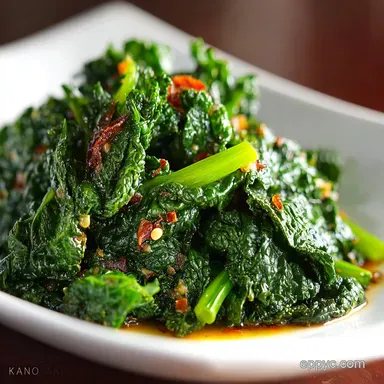
Easy Sauteed Kale With Parmesan
Ingredients:
Instructions:
Nutrition Facts:
| Calories | 837 kcal |
|---|---|
| Protein | 7.8 g |
| Fat | 6.5 g |
| Carbs | 35.2 g |
| Fiber | 10.1 g |
| Sugar | 7.4 g |
| Sodium | 109 mg |
