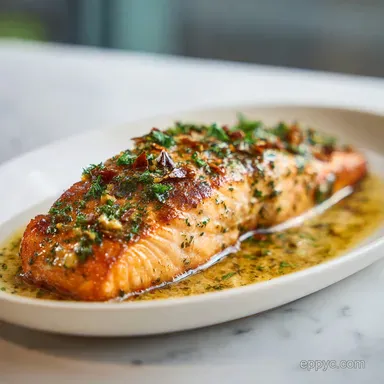
Dijon Baked Salmon: Flaky and Velvety
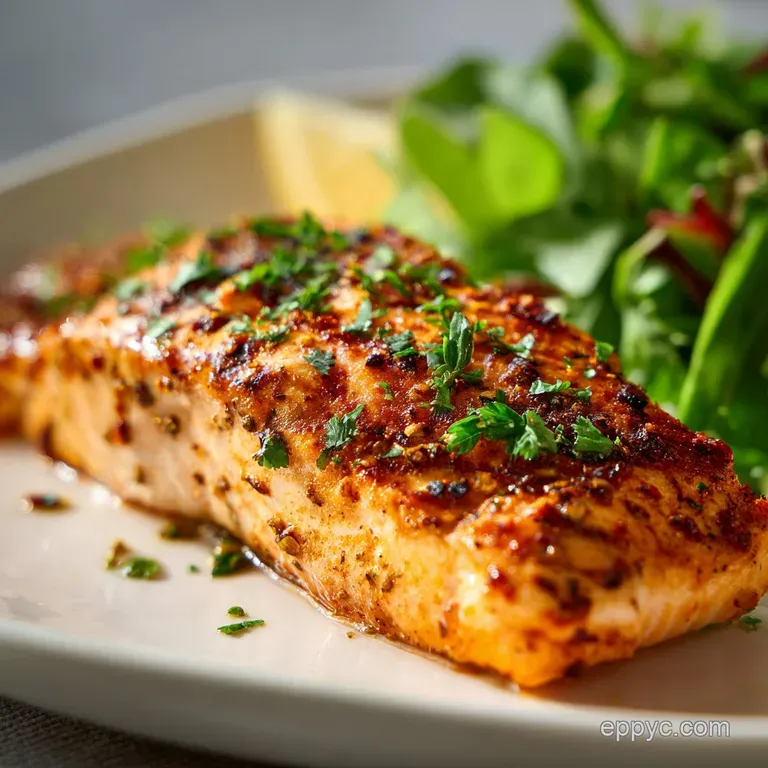
- Time: Active 5 minutes, Passive 15 minutes, Total 20 minutes
- Flavor/Texture Hook: Zesty, velvety glaze over flaky, melt in-your mouth fillets.
- Perfect for: Busy weeknight dinners or an impressive but low effort date night.
- My Go To Easy Dijon Baked Salmon
- Why This Specific Recipe Works Well
- Timing Your Fish for Flaky Perfection
- Selecting Your Fresh Flavor Components
- Essential Tools for Better Baking Results
- Detailed Steps for a Golden Finish
- Solving Your Common Cooking Mistakes
- Simple Swaps for Every Budget Kitchen
- Storing Leftovers for Maximum Freshness
- Perfect Sides for Your Salmon Dinner
- Myths About Baking Salmon
- Recipe FAQs
- 📝 Recipe Card
My Go To Easy Dijon Baked Salmon
You know that sound when you pull a tray out of the oven and the juices are still bubbling around the edges of a perfectly opaque fillet? That’s the sound of victory. I remember the first time I tried to cook fish for my family; I was so terrified of undercooking it that I ended up serving something with the texture of a pink eraser.
It was devastating. But after years of trial, error, and a lot of dry fish, I realized that the secret isn’t some complicated technique. It’s all about the glaze and the timing.
The aroma of sharp Dijon hitting a hot pan is one of my favorite kitchen triggers. When you whisk that mustard with a bit of honey and smoked paprika, something magical happens. It isn’t just a sauce, it’s a protective barrier.
This Dijon Baked Salmon recipe is my ultimate "I have no time to cook" secret weapon because it looks like you spent an hour prepping when it actually took five minutes. We’ve all been there, staring at a pack of fish wondering how to make it not boring. Trust me, this is the answer.
We're going to use simple, budget-friendly ingredients to get a result that tastes like a fifty dollar bistro plate. I’ve learned that you don't need expensive wild caught King salmon to have a great meal; even the basic frozen fillets from the grocery store turn into something special with this method.
It's all about how we treat the protein. Let's get into the details so you can nail this tonight without any stress.
Why This Specific Recipe Works Well
- Acidic Denaturation: The lemon juice and Dijon mustard slightly break down the tough protein fibers on the surface, allowing the flavors to penetrate deeper than a standard dry rub.
- Thermal Protection: The thick layer of mustard and honey acts as an insulator, slowing down the heat transfer to the delicate fats so the fish stays moist even if your oven runs a little hot.
- Sugar Caramelization: Honey contains natural sugars that undergo the Maillard reaction at a lower temperature, creating a deeply savory and golden crust without overcooking the center.
- Emulsified Coating: The mustard acts as a natural emulsifier, binding the olive oil and honey together into a stable glaze that won't slide off the fish during the baking process.
| Salmon Thickness | Internal Temp | Rest Time | Visual Cue |
|---|---|---|---|
| 0.5 inch | 145°F | 2 mins | Flakes easily with fork |
| 1.0 inch | 145°F | 3 mins | Opaque through the center |
| 1.5 inches | 145°F | 5 mins | Juices run clear/white |
The difference between a "classic" slow roast and this "fast" bake is all about the texture of the crust. While slow roasting gives you a silky, almost buttery interior, the higher heat used here ensures the glaze sets into a tacky, concentrated punch of flavor that contrasts perfectly with the soft fish.
It's the best way to get dinner on the table in under twenty minutes without sacrificing that gourmet feel.
Timing Your Fish for Flaky Perfection
The Science of the Sizzle
The magic happens when the honey and mustard reach 325°F. At this specific point, the sugars begin to brown, creating a complex flavor profile that moves from simple sweetness to a toasted, nutty depth. This is why we don't just "paint" the fish; we layer it.
| Component | Science Role | Pro Secret |
|---|---|---|
| Dijon Mustard | Protein Binder | Use smooth Dijon for a more velvety, even crust. |
| Honey | Hygroscopic Agent | Absorbs moisture from the air to keep the glaze tacky. |
| Smoked Paprika | Phenolic Compounds | Adds a "grilled" depth even when using a standard oven. |
Choosing the right fish is the first step toward success. I always look for fillets that are uniform in thickness. If you have one side that is very thin and another that is thick, the thin part will turn to cardboard before the center is done.
If you're working with a whole side of salmon, I usually tuck the thin tail end underneath itself to create a more even shape. It’s a small trick that makes a massive difference in the final result.
Selecting Your Fresh Flavor Components
For this recipe, we are keeping things focused. You'll need 4 center cut salmon fillets, roughly 6 oz each. This is the standard size you'll find at most butcher counters. To season, grab 1 tsp of kosher salt and 0.5 tsp of coarse black pepper.
These are the foundations of flavor, so don't skip them even though we're adding a glaze later.
For the star of the show, the glaze, you’ll need 1 tbsp of olive oil, 3 tbsp of Dijon mustard, and 1.5 tbsp of honey. We'll also toss in 2 cloves of minced garlic, 1 tsp of fresh lemon juice, and 0.25 tsp of smoked paprika for that subtle warmth.
Finally, a sprinkle of 1 tbsp of fresh chopped parsley at the end adds that pop of color and freshness that tells your brain "this is a high-quality meal."
| Original Ingredient | Substitute | Why It Works |
|---|---|---|
| Dijon Mustard | Whole Grain Mustard | Similar acidity. Note: Adds a crunchy, rustic texture to the crust. |
| Honey | Maple Syrup | Same sugar content. Note: Adds a distinct woody sweetness; watch for faster browning. |
| Fresh Parsley | Dried Oregano | Herbaceous notes. Note: Use half the amount; add before baking rather than after. |
| Salmon Fillets | Steelhead Trout | Nearly identical fat profile. Note: Slightly thinner, so reduce bake time by 2 minutes. |
Essential Tools for Better Baking Results
You don't need a kitchen full of gadgets, but a couple of items make this much easier. A large rimmed baking sheet is non negotiable. I personally love using a heavy duty aluminum pan because it distributes heat evenly.
If you use a thin, cheap pan, you might find the bottom of the fish overcooks before the top is glazed.
Another essential is parchment paper or a silicone baking mat. The honey in this glaze is delicious, but it’s a nightmare to scrub off a pan once it's been baked on. Trust me, I’ve spent way too many evenings soaking pans in the sink because I forgot this step.
A small whisk or even just a fork for mixing the glaze is all you need for the prep work. If you have an instant read thermometer, keep it handy. It is the only way to be 100% sure your fish is done without cutting into it and letting all the juices escape.
Chef's Tip: Freeze your lemon for 10 minutes before zesting or juicing. It firms up the membranes and makes it much easier to get every last drop of juice out without the fruit turning into a mushy mess in your hand.
Detailed Steps for a Golden Finish
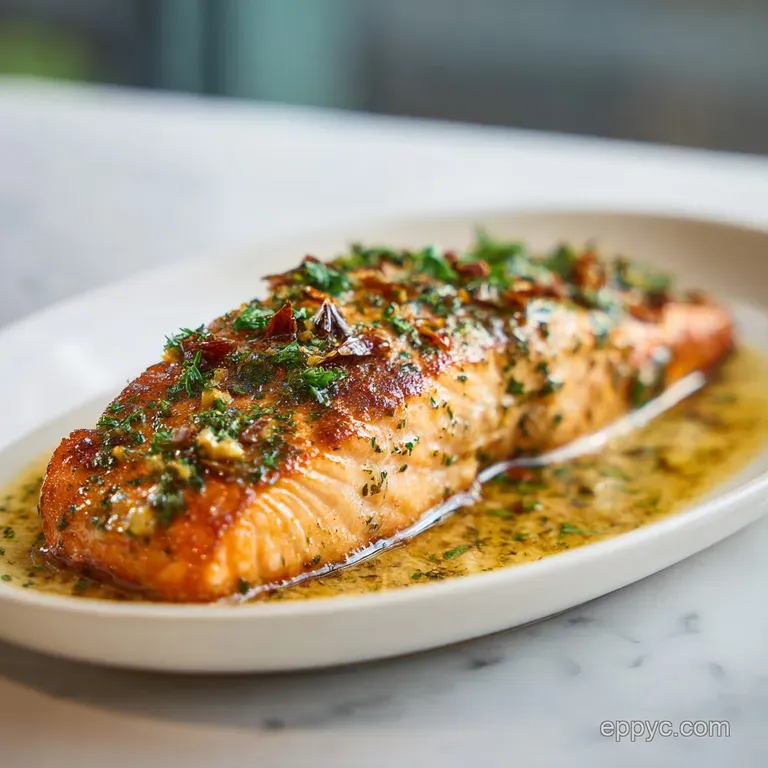
Preparation and Seasoning Phase
First, preheat your oven to 400°F (200°C). While that's heating up, take your salmon fillets and pat them completely dry with paper towels. This is the step most people skip, but it's the most important.
If the surface is wet, the fish will steam rather than bake, and your glaze will slide right off. Season the fillets generously with 1 tsp of kosher salt and 0.5 tsp of coarse black pepper.
Building Your Zesty Glaze
In a small bowl, whisk together the 1 tbsp of olive oil, 3 tbsp of Dijon mustard, 1.5 tbsp of honey, 2 cloves of minced garlic, 1 tsp of lemon juice, and 0.25 tsp of smoked paprika. You want it to be a smooth, thick emulsion. It should look like a rich, golden paste.
If it feels too thin, add another teaspoon of mustard to help it bind.
The Precision Baking Phase
Place the seasoned salmon on your lined baking sheet. Spread the glaze evenly over the top of each fillet, making sure to cover the edges. Place the pan in the center rack of the oven. Bake for 12 to 15 minutes until the glaze is bubbling and the fish flakes easily with a fork.
Check the internal temperature at the 12 minute mark; you are looking for 145°F. If you like your salmon a bit more medium, pull it at 135°F and let the carryover heat do the rest of the work. Once out of the oven, let it rest for 3 minutes.
This allows the fibers to relax and reabsorb the juices. Sprinkle with the fresh parsley right before serving for that professional look.
Solving Your Common Cooking Mistakes
Why Your Salmon is Dry
The most common culprit is simply leaving it in the oven too long. Salmon is lean compared to beef, and once it passes that 145°F mark, the proteins tighten up and squeeze out all the moisture.
If you see a lot of white stuff (albumin) oozing out of the fish, that’s a sign it's being cooked too fast or too long.
| Problem | Root Cause | Solution |
|---|---|---|
| Glaze is runny | Surface was too wet | Pat fish dry with paper towels before glazing. |
| Bottom is burnt | Dark baking sheet | Use parchment paper or move rack to a higher position. |
| Fish is rubbery | Overcooked | Pull from oven when center is still slightly translucent. |
The key to preventing these issues is active monitoring. Every oven is different, and a "15 minute" recipe might take 12 in yours. I always start checking at the 10 minute mark just to be safe. It's much easier to add two minutes of cooking than it is to fix a dry fillet.
Common Mistakes Checklist:
- ✓ Forgot to pat the fish dry (this leads to a soggy, sad glaze).
- ✓ Using "salad" mustard instead of Dijon (the flavor profile is too sharp and lacks depth).
- ✓ Overcrowding the pan (this drops the oven temp and steams the fish).
- ✓ Skipping the resting period (cutting in immediately lets the delicious juices run all over the plate).
- ✓ Not lining the pan (you will spend 20 minutes scrubbing burnt honey).
Simple Swaps for Every Budget Kitchen
If you’re watching your wallet, you can definitely make some adjustments here. Salmon can be pricey, so feel free to use frozen fillets that have been thawed overnight in the fridge. They work beautifully with this glaze. You can also swap the honey for brown sugar if that's what you have in the pantry.
It creates a slightly more "molasses" flavored crust that is equally fantastic.
For those who want to change the flavor profile, try adding a teaspoon of soy sauce to the glaze. It adds a saltiness that mimics a teriyaki style while still keeping that Dijon kick. If you want a bit of crunch, you can press some panko breadcrumbs into the glaze before baking.
It creates a "Dijon crusted" effect that feels very high end.
| Variation | Change | Outcome |
|---|---|---|
| Keto Version | Sub honey for Monkfruit syrup | Low carb but still provides the necessary sweetness. |
| Extra Spice | Add 0.5 tsp cayenne pepper | Gives a "hot honey" vibe that cuts through the fat. |
| Garlic Lovers | Use roasted garlic paste | Milder, sweeter garlic flavor that permeates the meat. |
If you're looking for a heartier meal, this salmon actually works surprisingly well when served alongside a more decadent side. For instance, the acidity in the mustard balances out the richness of a The Homemade Baked recipe perfectly. It sounds like an odd pairing, but the contrast between the sharp fish and the creamy pasta is a bistro level secret.
Storing Leftovers for Maximum Freshness
Leftover salmon can be a bit tricky because reheating it often makes it tough. I recommend storing it in an airtight container in the fridge for no more than 3 days. When you’re ready to eat it again, don’t use the microwave if you can help it. It’ll turn the fish into rubber.
Instead, wrap it loosely in foil and pop it into a 300°F oven for about 10 minutes. This gently warms it through without drying it out.
If you have scraps left over, don't throw them away! Flaked cold salmon is incredible on a salad the next day. You can also mix the leftovers with a bit of mayo and green onions to make a killer salmon salad sandwich.
For zero waste, if you bought skin on salmon and removed it, you can fry the skins in a pan with a bit of salt until they are shatteringly crisp. They’re like healthy bacon bits for your salad!
Perfect Sides for Your Salmon Dinner
When thinking about what to serve with this Dijon Baked Salmon, I like to keep the "bright and fresh" theme going. A crisp green salad or some roasted asparagus is a classic choice. The lemon in the glaze naturally complements green vegetables. If you want something with a bit more of a "crunch factor" to contrast the flaky fish, a Crispy Coleslaw & recipe provides that perfect acidic snap that clears the palate between bites.
Another great option is a simple rice pilaf or some smashed fingerling potatoes. The extra glaze from the salmon pan can be drizzled over the starch, making sure not a single drop of that honey mustard goodness goes to waste.
If you’re feeling fancy, a side of sautéed spinach with a little nutmeg really rounds out the earthy tones of the smoked paprika in the fish.
Myths About Baking Salmon
Myth: You must cook salmon until it's "well done" to be safe. Actually, most chefs and health guidelines suggest 145°F, which is often considered "medium well." Cooking it until it's completely dry and opaque all the way through usually means you've surpassed the point of peak flavor and texture.
High-quality salmon is perfectly safe and much more delicious when it’s still slightly succulent in the center.
Myth: Fresh salmon is always better than frozen. This isn't necessarily true anymore. Most "fresh" fish at the counter was previously frozen anyway. "Flash frozen" salmon is often frozen right on the boat, which locks in the nutrients and flavor better than fish that has been sitting in a refrigerated truck for days.
Don't be afraid of the freezer aisle!
Myth: Searing the salmon first "seals in the juices." Searing creates flavor through the Maillard reaction (that's the browning), but it doesn't actually create an impermeable seal. Moisture is still lost during the cooking process.
For this specific recipe, we skip the sear because the oven at 400°F is hot enough to caramelize our glaze while keeping the prep work to a minimum.
Recipe FAQs
How do you cook salmon in the oven with Dijon mustard?
Pat the salmon dry, season it, then spread the Dijon glaze evenly over the top. Bake on a rimmed sheet pan at 400°F for 12–15 minutes until the internal temperature reaches 145°F. This method ensures the glaze caramelizes beautifully without overcooking the delicate flesh.
Why do people put Dijon mustard on salmon?
Yes, it creates a superior crust and tenderizes the surface slightly. Dijon mustard contains vinegar and spices that act as an acidic binder for other glaze ingredients like honey, resulting in a flavorful, tacky crust that locks moisture inside the fillet.
This technique is much faster than traditional searing.
What temperature should Dijon salmon be cooked?
The internal temperature target is 145°F. For an average 1-inch thick fillet baked at 400°F, this usually takes 12 to 15 minutes, but always rely on a thermometer for accuracy. Pulling it slightly before 145°F allows carryover cooking to reach the perfect, flaky texture.
Do you bake salmon at 350 or 400?
Bake at 400°F for this recipe for optimal crust development. The higher heat quickly sets the honey and mustard glaze, creating a delicious caramelized exterior, whereas 350°F tends to steam the glaze slightly before it browns properly.
If you prefer a very slow cook, 350°F works, but you must increase the total bake time significantly.
Is it true that the glaze will slide off the fish if I don't sear it first?
No, this is a common misconception. The mustard acts as a natural emulsifier, binding the oil and honey into a thick paste that adheres well, especially to dry fish. Patting the salmon skin-side down is key to keeping that thick glaze layer perfectly situated on top during baking.
Can I substitute regular yellow mustard for Dijon mustard in this glaze?
No, stick with Dijon for the best flavor profile. Regular yellow mustard is primarily vinegar and turmeric, lacking the complex, sharp, grainy texture and depth that real Dijon provides to the glaze. If you’re looking for other ways to build intense flavor with minimal effort, check out the technique for balancing sweet and tart in the Classic Chicken Cordon Bleu recipe.
What should I do with the leftover glaze that didn't stick to the salmon?
Don't waste it; drizzle it over your side dishes immediately after plating. That mixture of Dijon, honey, and paprika is delicious over roasted potatoes or steamed green beans. If you have a large excess, you can thicken it slightly by whisking it over low heat for a minute or two before serving, similar to finishing a sauce in the Knockout Buffalo Wings recipe for depth.
Dijon Baked Salmon for 4 Servings