Giada Tuscan White Bean and Garlic Soup
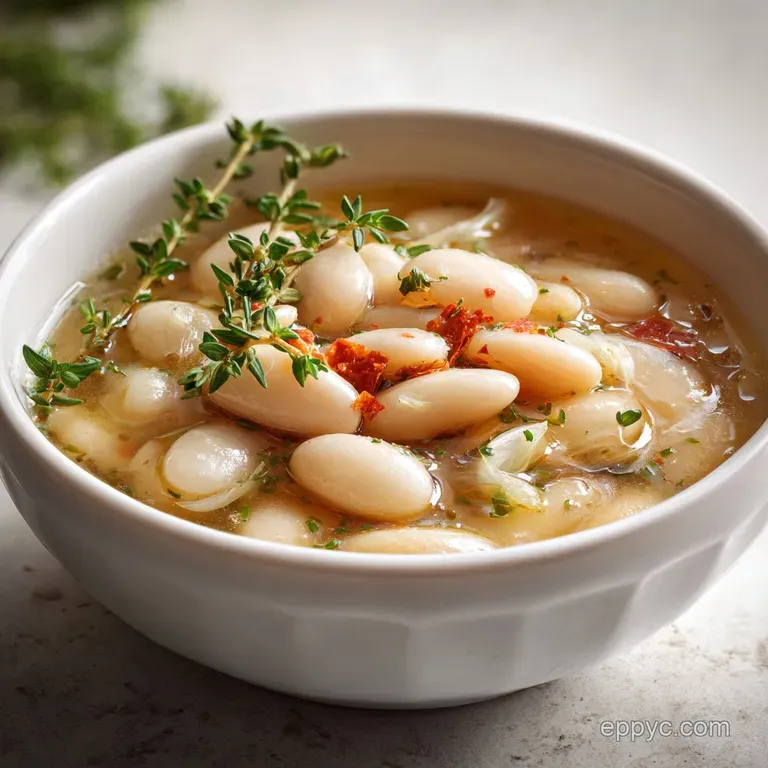
- Time: Active 10 minutes, Passive 20 minutes, Total 30 minutes
- Flavor/Texture Hook: Silky, velvety bean broth contrasted by tender, earthy Lacinato kale.
- Perfect for: A wholesome weeknight dinner or a satisfying meal prep option that tastes even better the next day.
- Mastering the Silky Giada Tuscan White Bean and Garlic
- Why This Simple Pot Works
- The Essential Component Deep Dive
- Gathering Your Essentials
- Critical Tools for Success
- Professional Stovetop Cooking Method
- Solving Common Soup Struggles
- Troubleshooting Common Issues
- Wholesome Dietary Adaptations
- Scaling for a Crowd
- Preservation Secrets and Zero Waste
- Beautiful Presentation Tips
- Debunking Common Kitchen Myths
- Recipe FAQs
- 📝 Recipe Card
Mastering the Silky Giada Tuscan White Bean and Garlic
Step into any traditional kitchen in Tuscany, and you'll find a pot of beans simmering away. It is the backbone of "Cucina Povera," the cooking of the poor that relies on simple, wholesome ingredients to create something truly inventive and satisfying.
This soup isn't just about nutrition; it is a cultural anchor that has fed generations, using whatever was at hand in the garden usually white beans and hearty greens like Lacinato kale. Discover the pure, comforting flavor of Giada's signature Tuscan White Bean and Garlic Soup.
When I first tried making this, I was struck by how such a short ingredient list could produce such a bold, complex result. The secret lies in the garlic. Instead of mincing it and risking that harsh, burnt bitterness, we're infusing the oil with smashed cloves.
It creates a mellow, nutty foundation that carries through every spoonful. It’s the kind of dish that makes your kitchen smell like a rustic Italian villa, with the scent of rosemary and olive oil wafting through the air.
You’re going to love how the textures play against each other here. You have the velvety smoothness of the blended bean base, the satisfying bite of the whole cannellini beans, and the tender, slightly crinkled leaves of the kale. It’s a contrast of bright and rich that feels restorative.
Whether you’re nursing a cold or just need a hug in a bowl after a long Tuesday, this is the pot you want on your stove. Let’s get into why this method actually works so well.
Why This Simple Pot Works
Understanding how these basic components interact is the key to moving from a "good" soup to a "brilliant" one. It isn't just about tossing things in a pot; it's about the sequence and the physics of the ingredients.
- Aromatic Infusion: By cooking the smashed garlic in oil over medium low heat for exactly 3–5 minutes, we are performing a gentle extraction. The fat soluble compounds in the garlic move into the olive oil, flavoring the entire base of the soup without the risk of small minced pieces catching and turning acrid.
- Starch Emulsification: When we use the immersion blender to puree one third of the beans, we release natural starches into the vegetable broth. These starches act as a natural thickener, binding the water based broth and the olive oil into a silky, cohesive liquid that feels luxurious on the tongue.
- Cellulose Breakdown: Lacinato kale, also known as dinosaur kale, has a sturdier structure than spinach. Cooking it for those final 2-3 minutes allows the heat to soften the tough cellulose fibers just enough so they are tender but still retain a vibrant, dark green color and a slight "snap."
- The Acid Fat Equilibrium: The final addition of lemon juice isn't just for flavor; it’s a chemical necessity. The citric acid cuts through the creamy, starchy weight of the beans and the richness of the Parmesan cheese, brightening the entire flavor profile and making the savory notes pop.
| Cook Method | Time | Texture | Best For |
|---|---|---|---|
| Stovetop | 30 minutes | Velvety broth with firm beans | Authentic texture and quick prep |
| Slow Cooker | 4 hours (High) | Very soft beans, deeply infused | Set it and forget it convenience |
| Instant Pot | 15 minutes | Creamy, almost stew like | Maximum flavor extraction in no time |
Using the stovetop method listed in this Tuscan White Bean Soup for 6 Servings allows you to monitor the garlic closely, which is the most critical step for flavor. If you over brown the garlic, the whole soup takes on a metallic, burnt tang that you just can't hide.
The Essential Component Deep Dive
Every ingredient in this recipe has a specific job to do. We aren't just filling the pot; we are building layers of satisfaction. Choosing the right version of these staples makes a massive difference in the final bowl.
| Ingredient | Science Role | Pro Secret |
|---|---|---|
| Extra Virgin Olive Oil | Flavor carrier and fat source | Use the "peppery" stuff; it mimics the traditional Tuscan finish. |
| Cannellini Beans | Texture and starch provider | Rinse them thoroughly to remove excess sodium and metallic "can" taste. |
| Lacinato Kale | Structural integrity and earthiness | Strip the woody center rib completely; it never softens properly in 3 minutes. |
| Parmesan Cheese | Umami and salt stabilizer | Grate it fresh; pre shredded cheese has cellulose coatings that prevent melting. |
The beans are the star here, and while I love the convenience of canned, if you ever have the time to soak and boil dried beans, the broth becomes even thicker. For a deeper look at managing these aromatics, check out my guide on Roasting Garlic to see how different heat levels change the flavor profile of your cloves.
Gathering Your Essentials
You'll need a handful of fresh produce and some pantry staples. Don't be tempted to swap the Lacinato kale for the curly variety if you can help it the texture of the Lacinato is much more refined for this specific soup.
- 3 tbsp extra virgin olive oil: Why this? Provides the rich, fruity base that defines Mediterranean cooking.
- 6 cloves garlic, smashed and peeled: Why this? Smashing releases oils without the bitterness of chopping.
- 1 large yellow onion, finely diced (150g): Why this? Adds foundational sweetness and body to the broth.
- 2 medium carrots, diced (100g): Why this? Provides a subtle earthiness and beautiful color contrast.
- 1 stalk celery, diced (50g): Why this? Part of the "Holy Trinity" of aromatics for savory depth.
- 1 tsp dried rosemary: Why this? Rosemary is the quintessential herb of the Tuscan countryside.
- 3 cans (15 oz each) cannellini beans, rinsed and drained: Why this? Creamy and mild, they create the perfect texture.
- 5 cups low sodium vegetable broth: Why this? Controls the salt level while adding more depth than water.
- 1 bunch Lacinato kale, stems removed and chopped: Why this? Adds a wholesome, iron rich bite and vibrant color.
- 0.5 cup freshly grated Parmesan cheese: Why this? Brings a salty, nutty umami punch to the finish.
- 1 tbsp fresh lemon juice: Why this? Wakes up the flavors and balances the starch.
- 0.5 tsp sea salt & 0.25 tsp cracked black pepper: Why this? Essential seasonings to highlight the natural ingredients.
- 1 pinch red pepper flakes: Why this? Just enough heat to provide a tiny back of-the throat tingle.
| Original Ingredient | Substitute | Why It Works |
|---|---|---|
| Cannellini Beans | Great Northern Beans | Similar size and texture; slightly thinner skins but very close. |
| Lacinato Kale | Swiss Chard | Tender leaves that wilt quickly. Note: Cook stems with the onions. |
| Vegetable Broth | Chicken Bone Broth | Adds more protein and a richer, meatier mouthfeel. |
| Parmesan Cheese | Pecorino Romano | More sheep milk tang and saltier. Note: Reduce added sea salt. |
The beauty of this dish is its flexibility. If you're out of rosemary, a little dried thyme works in a pinch, though it shifts the profile slightly from Italy toward France.
Critical Tools for Success
You don't need a kitchen full of gadgets, but a few specific items make this much easier to execute. The heavy bottom of a Dutch oven is non negotiable for that gentle garlic infusion.
- Dutch Oven (approx. 5-6 quart): A heavy duty pot like a Lodge or Le Creuset distributes heat evenly, preventing the onions from scorching.
- Immersion Blender: This is the MVP tool. It allows you to puree the beans right in the pot without the mess of transferring hot liquid to a traditional blender.
- Sharp Chef's Knife: Essential for getting that onion and carrot into a fine, uniform dice so they cook at the same rate.
- Microplane: For grating that Parmesan into a fine "snow" so it melts instantly into the broth.
Professional Stovetop Cooking Method
Follow these steps closely. The timing in the first two steps is the difference between a murky soup and a gold standard broth.
- Infuse the oil. Place the 3 tbsp olive oil and 6 smashed garlic cloves in your Dutch oven over medium low heat. Cook for 3–5 minutes until the garlic is fragrant and light mahogany. Note: Watch this like a hawk; if they turn dark brown, they are bitter.
- Sauté the aromatics. Remove the garlic cloves. Increase heat to medium and add the diced onion, carrots, and celery. Sauté for 6–8 minutes until the onions are translucent and slightly golden.
- Bloom the herbs. Stir in the 1 tsp rosemary and the pinch of red pepper flakes during the last 60 seconds of sautéing until you smell the woodsy aroma release.
- Simmer the base. Add the 3 cans of rinsed cannellini beans and 5 cups of vegetable broth. Bring the mixture to a gentle, rolling simmer.
- Create the creaminess. Insert your immersion blender and pulse 3-4 times in different spots to puree about one third of the beans until the broth looks milky and thick.
- Wilt the greens. Stir in the chopped Lacinato kale. Cook for 2-3 minutes until the leaves are limp and dark emerald.
- Brighten the pot. Remove the pot from the heat. This prevents the cheese from clumping or the lemon from losing its punch.
- The final seasoning. Stir in the 0.5 cup Parmesan, 1 tbsp lemon juice, salt, and pepper until the cheese is fully integrated.
- Rest and serve. Let the soup sit for 2 minutes before ladling into bowls to allow the flavors to marry.
Solving Common Soup Struggles
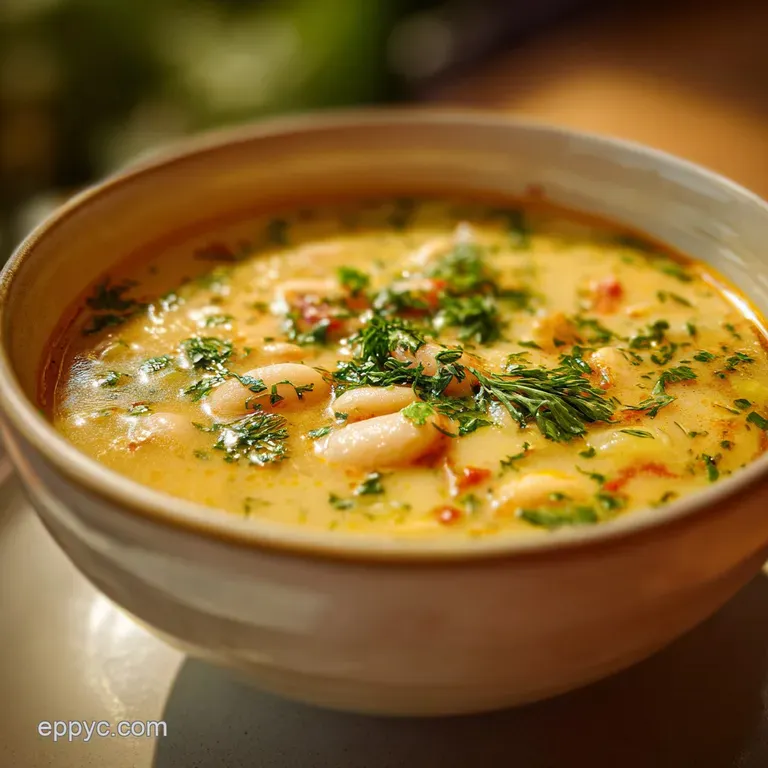
Even the simplest recipes can have hiccups. If things don't look quite right, don't panic. Most "failures" in bean soup are just a matter of adjusting the liquid or the acid.
Troubleshooting Common Issues
| Issue | Solution |
|---|---|
| Why Your Soup Lacks Depth | If it tastes "flat," you likely need more salt or acid. Beans absorb an incredible amount of seasoning. Before adding more salt, try another teaspoon of lemon juice. Often, the flavor is there; it's j |
| Why Your Kale Is Tough | If the kale feels like you're chewing on a leaf from the yard, it probably didn't have the ribs removed, or it didn't cook long enough. Lacinato kale needs that full 2-3 minutes in simmering liquid to |
| Why Your Broth Is Thin | If the soup looks more like "beans in water" than a creamy stew, you didn't blend enough of the beans. Take the immersion blender back to the pot and give it a few more pulses. The starch from the mas |
Wholesome Dietary Adaptations
This recipe is naturally quite flexible. Because the creaminess comes from the beans themselves, it’s a dream for people with various dietary needs without losing that "inventive" spirit we love.
Make It Vegan
To turn this into a plant based powerhouse, simply omit the Parmesan cheese. To keep that umami "funk" that the cheese provides, stir in 2 tablespoons of nutritional yeast or a teaspoon of white miso paste at the very end. Both provide that savory depth without the dairy.
Add Protein (Non Vegetarian)
If you have someone in the house who insists on meat, this soup is a fantastic base for Italian sausage. Brown some spicy Italian sausage in the pot before step one, remove it, then proceed with the recipe using the sausage fat instead of some of the olive oil. Add the cooked sausage back in with the kale.
Scaling for a Crowd
Feeding a large group or just cooking for yourself? The ratios here are fairly stable, but there are a few things to keep in mind when moving beyond the standard 6 servings.
- Scaling Down (1/2 Batch): Use a smaller pot so the liquid doesn't evaporate too quickly. You can still use 3-4 cloves of garlic; the flavor won't be overwhelming. Reduce the simmer time by about 5 minutes as smaller volumes heat up faster.
- Scaling Up (Double Batch): When doubling, don't just double the salt and red pepper flakes right away. Start with 1.5x and taste. Spices can become disproportionately strong in larger volumes. You will likely need a larger 8 quart pot to ensure the kale has room to wilt properly without overflowing.
- Baking Shortcut: While this is a stovetop recipe, if you double it for a potluck, you can keep it warm in a slow cooker on the "warm" setting for up to 2 hours without the kale getting too mushy.
Preservation Secrets and Zero Waste
This soup is one of those magical dishes that tastes even better on day two. As it sits, the starches continue to thicken the broth, and the rosemary flavor deepens.
- Storage: Keep leftovers in an airtight container in the fridge for up to 4 days. The soup will thicken significantly as it cools; when reheating, you might need to add a splash of water or extra broth to bring back that velvety consistency.
- Freezing: This freezes beautifully for up to 3 months. However, the kale might lose a bit of its structural integrity. For the best results, freeze the soup before adding the kale and Parmesan. When you reheat it, bring it to a simmer, drop in fresh kale, and finish with the cheese.
- Zero Waste Tip: Don't throw away those kale stems! Slice them very thinly and sauté them right along with the carrots and onions. They add a nice little crunch. Also, if you have a Parmesan rind in your fridge, toss it into the pot during step 4 while the beans simmer. It adds an incredible depth of savory flavor that you can't get any other way.
Beautiful Presentation Tips
We eat with our eyes first, and a brown/green soup can sometimes look a bit "rustic." A few quick garnishes make this look like it came out of a high end bistro.
- The Oil Drizzle: Right before serving, drizzle a tiny bit of high-quality, cold pressed olive oil over the top. It creates beautiful golden pools on the surface and adds a fresh, grassy aroma.
- Texture Toppings: Add a few homemade croutons or a side of toasted sourdough. I love rubbing a raw garlic clove over toasted bread to serve alongside the bowl it mirrors the flavors in the soup perfectly.
- Color Pop: Save a tiny pinch of red pepper flakes and some fresh parsley to sprinkle on top at the very end. The red and bright green against the creamy white beans looks spectacular.
- Cheese Dust: Instead of just stirring the cheese in, save a little bit to grate over the very top of each individual bowl. It provides a nice visual "snow" effect.
Debunking Common Kitchen Myths
There are a lot of "rules" in Italian cooking that aren't actually true. Let's clear up a few that might be holding you back in the kitchen.
"Searing the garlic at high heat locks in flavor." This is actually the opposite of what you want. High heat destroys the delicate nuances of garlic and creates bitter sulfur compounds. Low and slow is the only way to get that sweet, nutty infusion that makes this soup bold.
"You must soak canned beans to remove 'toxins'." While rinsing canned beans is a good idea to control sodium and flavor, the idea that they are "toxic" if not rinsed is a myth. Canned beans are fully cooked and safe. We rinse them here purely for the sake of a cleaner broth and better salt control.
"Kale must be massaged before going into soup." Massaging kale is great for raw salads to break down the fibers, but the heat of the boiling broth does that work for you in a soup. Save your hands the trouble; a 3 minute simmer is all the "massage" those leaves need to become tender.
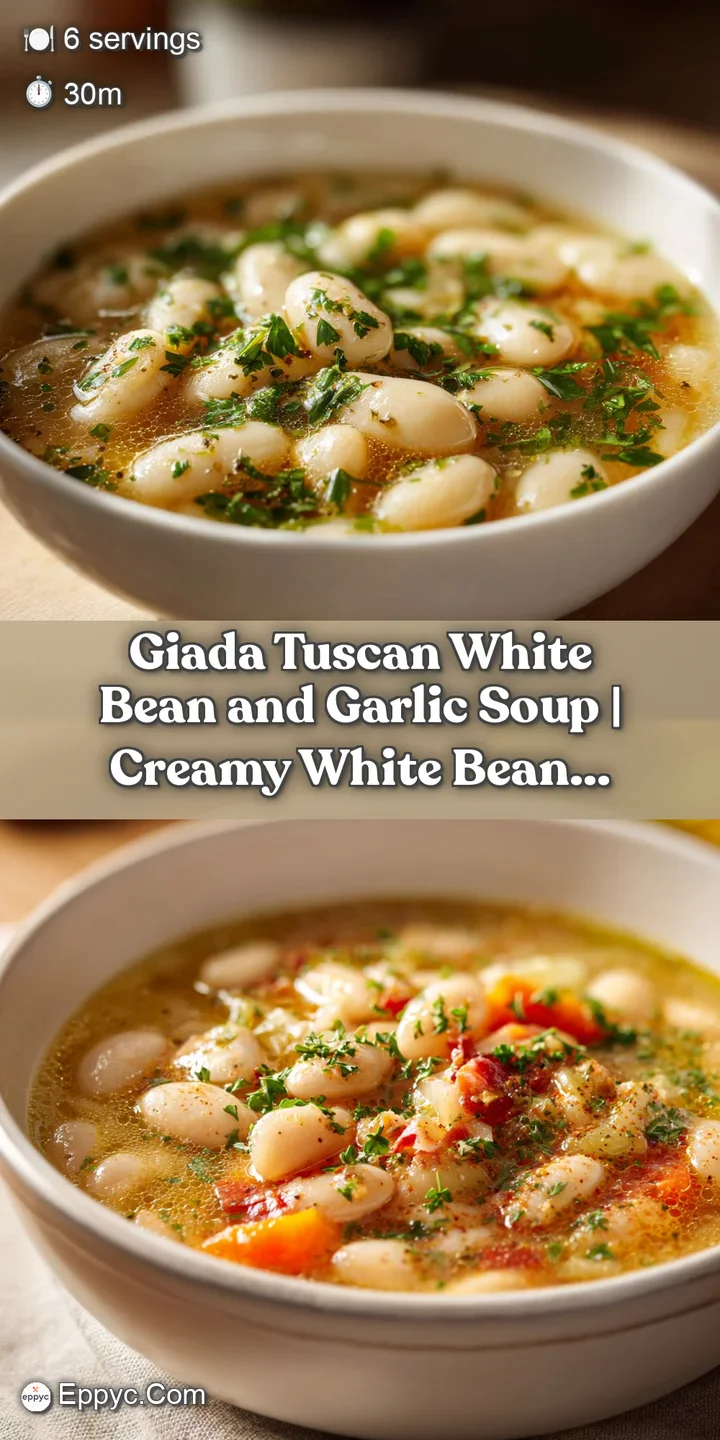
Recipe FAQs
How to achieve the perfect creamy soup consistency without adding cream?
Use an immersion blender to puree approximately one-third of the soup directly in the pot. This breaks down enough cannellini beans to thicken the broth naturally while keeping the remaining beans whole for essential texture.
Is it necessary to remove the smashed garlic cloves after the initial cook?
No, it is optional. While the recipe suggests removing them to discard or reserve, you can also mash them back into the base if you prefer a more pronounced, rustic garlic flavor.
How to prevent the kale from becoming tough or chewy?
Remove all stems before chopping the leaves. Ensure you cook the kale for the full 2 3 minutes in the simmering liquid, as this is the exact time required to wilt the leaves into a tender consistency.
What to do if the soup tastes flat after cooking?
Add a small extra splash of fresh lemon juice. Because beans absorb significant amounts of seasoning, the soup often just needs more acid to brighten the flavors before you resort to adding more salt. If you enjoy how this brightness transforms a dish, you can see how we apply similar balancing principles in our Velvety White Bean Dip.
How to ensure the vegetables are properly caramelized?
Sauté the onion, carrots, and celery over medium heat for 6 8 minutes. You are looking for the onions to reach a translucent state with visible signs of light browning to build a strong flavor foundation.
Is it possible to skip rinsing the canned beans?
No, always rinse and drain your cannellini beans thoroughly. Rinsing removes the excess starch and canning liquid, which prevents the soup from becoming murky or overly salty.
How to safely handle the garlic during the first stage of cooking?
Cook the smashed cloves in olive oil over medium low heat for 3 5 minutes. Watch closely for a light mahogany color; removing them at this exact stage ensures the garlic is fragrant without becoming bitter.
Giada Tuscan White Bean Garlic Soup
Ingredients:
Instructions:
Nutrition Facts:
| Calories | 308 kcal |
|---|---|
| Protein | 15.4 g |
| Fat | 9.2 g |
| Carbs | 42.1 g |
| Fiber | 10.8 g |
| Sugar | 4.2 g |
| Sodium | 745 mg |
