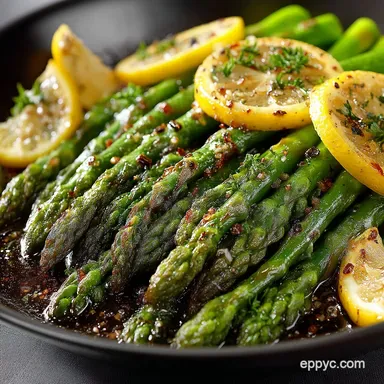
Bright Speedy Lemongarlic Stovetop Asparagus the Tendercrisp Method
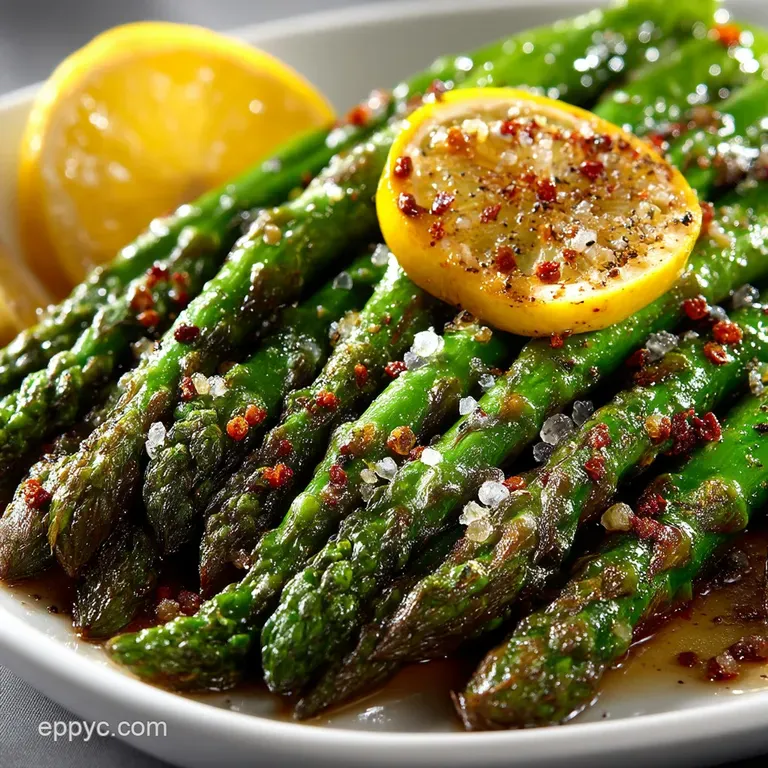
- Forget Soggy Spears: Mastering the Tender-Crisp Asparagus Texture
- The Ultimate 5-Minute Side Dish: Why This Recipe Works
- Essential Ingredients for Bright Lemon-Garlic Asparagus
- Necessary Kitchen Gear for Fast Skillet Cooking
- The Water-Sauté Method for Vibrant Color and Crispness
- Step-by-Step Guide: Cooking Asparagus to Perfection
- Expert Tips and Troubleshooting for Your Asparagus Dish
- Recipe FAQs
- 📝 Recipe Card
Forget Soggy Spears: Mastering the Tender-Crisp Asparagus Texture
For too long, asparagus has been unfairly relegated to the realm of sad, boiled side dishes. The secret to an utterly captivating plate of green spears lies not in boiling or exhaustive roasting, but in a technique that delivers that perfect, sought-after "tender-crisp" bite.
Achieving this requires precise heat and timing, which is exactly why mastering stovetop asparagus is the single best way to prepare this versatile vegetable.
When cooked correctly, the spears retain their structural integrity while their vibrant emerald green color intensifies, signaling that maximum flavor and nutrient retention have been achieved.
We are moving beyond guesswork and implementing a professional two-step method, sautéing followed by a quick steam, to guarantee exceptional texture every time.
The Ultimate 5-Minute Side Dish: Why This Recipe Works
This is my definitive guide to cooking asparagus quickly, resulting in a dish that is elegant enough for guests but fast enough for a Tuesday evening meal. The total time investment for this specific preparation, including trimming the ends, is a mere twelve minutes, with the active cooking portion lasting just seven minutes.
This stovetop asparagus recipe is highly reliable because it leverages controlled moisture and high heat to expedite the cooking process, bypassing the lengthy preheating required for roasting while maintaining superior texture over simple boiling.
Why This Is the Best Way to Cook Stovetop Asparagus
The success of this method rests entirely on the combination of initial searing and subsequent pan-steaming. A quick, high-heat sauté creates a desirable surface crispness and locks in the vegetable’s natural sugars, which translates directly into deeper flavor.
Crucially, the sealed steaming phase ensures the spears cook evenly from the inside out. This approach prevents the waterlogging that occurs when boiling, guaranteeing that elusive al dente result we are aiming for in every batch of stovetop asparagus spears .
Speed vs. Flavor: Achieving Both in Under 8 Minutes
The active cook time is structured in two rapid phases: a two-minute initial sear, followed by a two-to-four-minute pan-steam. This precise timing ensures that the asparagus is cooked through but never overdone. Flavor is introduced right at the beginning by quickly sautéing thinly sliced garlic.
We use a high-quality olive oil for heat tolerance, followed by a touch of butter, ensuring that the finished dish carries a rich, savory base layer before the final acidic finish. This focus on maximizing flavor in minimal stovetop asparagus time is key to the recipe’s overall appeal.
Simple Prep for Maximum Impact
Preparation for this dish is thankfully minimal. The main tasks are trimming the asparagus (we will cover the specific technique below) and slicing the aromatics. Instead of mincing the garlic, which is prone to burning and turning bitter, we slice two cloves thinly.
This gentle preparation allows the stovetop asparagus garlic to soften and release its fragrance without caramelizing too quickly during the initial sauté, thereby maximizing its savory contribution without risk of acridity.
Essential Ingredients for Bright Lemon-Garlic Asparagus
To execute this dish perfectly, you will need one pound (450 grams) of medium-thickness fresh asparagus spears. The quality of your finishing ingredients is paramount here, as they are added at the very end when the flavor is most potent.
We start the cooking process with one tablespoon of robust Extra Virgin Olive Oil. Once the spears are cooked, we stir in one teaspoon of unsalted butter, which melts beautifully into the hot spears, providing the base for the luxurious stovetop asparagus garlic butter finish.
The finishing touches are a teaspoon of fresh lemon juice and half a teaspoon of microplaned lemon zest, essential for the bright acidity that cuts through the richness of the butter and garlic. We also rely on a quarter cup (60 ml) of water or vegetable broth to facilitate the crucial steam phase.
Related Recipes Worth Trying
- Rich Stovetop Dark Chocolate Pudding Recipe Silky Custard — Ditch the box mixes This deeply chocolatey homemade chocolate pudding recipe uses egg yolks for a truly silky texture Pure comfort food perfection
- The Best Stovetop Popcorn Recipe Foolproof Movie Night Snack — Ditch the bag and learn how to make popcorn on stove for that cinema crunch This easy popcorn recipe guarantees perfectly popped kernels every time
- Best Brown Butter Stovetop Popcorn Recipe — Upgrade your movie night popcorn This easy popcorn recipe uses brown butter for a nutty gourmet crunch that beats any microwave bag Get the secret step here
Necessary Kitchen Gear for Fast Skillet Cooking
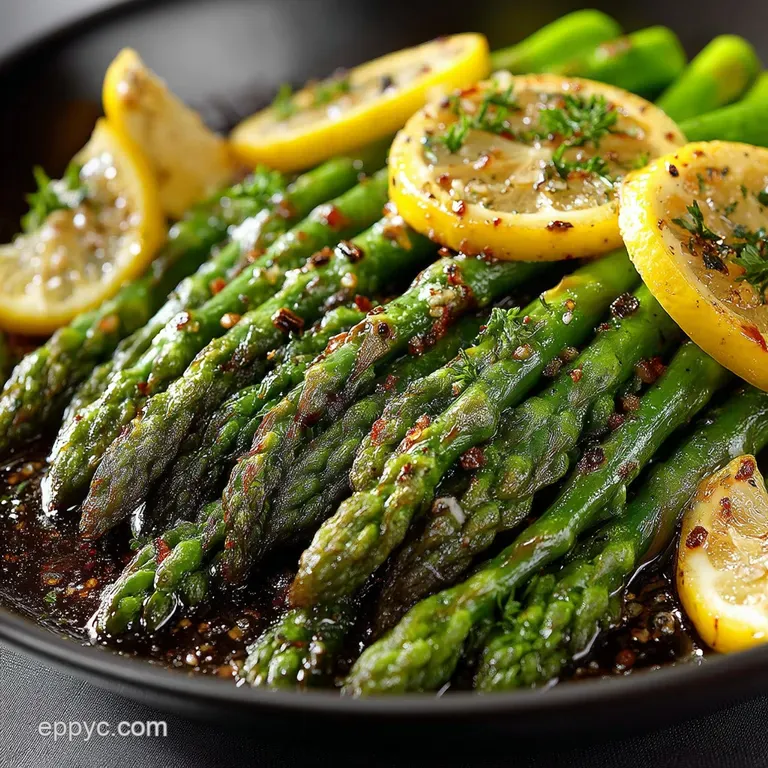
The most important piece of equipment for this recipe is a good skillet. A 10-to-12-inch non-stick or cast-iron frying pan works best, as it offers enough surface area for the spears to sear rather than pile up and steam prematurely. Crucially, you must have a tight-fitting lid for your pan.
This lid traps the steam created by the added liquid, allowing the spears to cook rapidly and evenly. Tongs are also essential for easily turning the stovetop asparagus spears during the two-minute sauté phase.
Selecting the Perfect Asparagus Bundles
When choosing asparagus, look for stalks that are uniform in thickness, which is vital for even cooking. The tips should be closed and firm, and the color should be a vibrant green, not dull or faded.
If your bundles contain very thick spears, consider using a vegetable peeler to lightly shave the bottom third of the spear to ensure it cooks at the same rate as the thinner parts.
The Secret Technique for Trimming Asparagus Ends
Ditch the knife when removing the woody ends. The most reliable method is the "snap test." Hold one spear firmly near the base and near the tip, and gently bend it until it naturally snaps. The point at which it breaks is where the tough, fibrous end meets the tender, edible stalk.
Use this snapped piece as a guide to cut the rest of the asparagus bundle to the same length, a much faster and more consistent method than snapping them all individually.
Must-Have Flavor Boosters (Lemon and Garlic)
While butter and olive oil provide texture, the lemon and garlic deliver the soul of this recipe. Garlic is introduced early to infuse the oil, while the fresh lemon zest and juice are added only after the heat is off.
This staggered introduction ensures you get both the deep savory undertones of the cooked garlic and the bright, volatile freshness of the lemon, preventing the citrus from tasting muted or cooked.
Choosing the Right Skillet Size
Using an appropriately sized skillet (10 to 12 inches for one pound) is non-negotiable. If you try to cook too many spears in a small pan, they will crowd, lowering the overall temperature of the pan and trapping moisture before you add the liquid.
This results in steaming from the beginning, leading to a limp texture rather than the desired initial sear. If you are doubling the recipe, cook it in two separate batches.
The Water-Sauté Method for Vibrant Color and Crispness
The core technical magic of this recipe is the water-sauté method. By quickly searing the asparagus in hot oil and then adding a small quantity of water or broth (just ¼ cup), we create an intense, sealed, high-humidity environment.
This brief steam flash rapidly tenderizes the core of the vegetable while the previously seared exterior retains its crispness. The instantaneous rise in temperature preserves the chlorophyll, maximizing the bright green hue and ensuring the spears are cooked al dente, perfectly tender-crisp.
Step-by-step Guide: Cooking Asparagus to Perfection
Executing this technique requires attention to timing, especially during the aromatic stage.
Preparing Your Skillet and Initial Oil Warm-Up
Place your skillet over medium-high heat. Once hot, add the tablespoon of olive oil. Immediately add your thinly sliced garlic. Sauté for just 30 to 60 seconds, stirring constantly, until the garlic is intensely fragrant.
This step must be monitored closely; if the garlic begins to brown, the flavor will become bitter, compromising the entire dish.
The Critical Sauté and Steam Timing
Add the prepared asparagus spears to the skillet. Season lightly with kosher salt and black pepper. Sauté the spears, tossing frequently with tongs, for a full two minutes. This rapid, open-pan cooking introduces that initial sear and vibrant color change. Now, pour in the quarter cup of water or broth.
It should immediately bubble and sizzle aggressively. Quickly cover the pan with the tight-fitting lid and reduce the heat slightly to medium. Allow the spears to steam for 2 to 4 minutes.
The exact time depends on your spear thickness; look for a deep emerald green and test with a fork, it should pierce the spear with slight resistance.
Final Flavor Toss: Zest and Seasoning Application
Once the spears are tender-crisp, remove the lid. If any residual liquid remains, turn the heat up to high for about 30 seconds to quickly cook off the moisture. Remove the pan completely from the heat source. Immediately stir in the teaspoon of unsalted butter, the fresh lemon juice, and the lemon zest.
Toss gently to coat every spear in the luminous, buttery sauce. Taste for final seasoning adjustments.
Serving Hot: Presentation Tips
Asparagus, when cooked using this rapid method, is best served piping hot immediately after the final flavor toss. Transfer the gleaming spears to a serving platter. For an extra layer of luxury, a final sprinkle of flaky sea salt or a shaving of fresh Parmigiano Reggiano cheese elevates the already delicious stovetop asparagus with parmesan twist.
Expert Tips and Troubleshooting for Your Asparagus Dish
Consistency is the mark of a great cook. By understanding how to adjust the heat and handle leftovers, you can ensure perfect results every time you cook this side dish.
Addressing Common Mistakes (Too Soft or Too Raw)
The primary cause of overly soft asparagus is excessive steaming time or low initial heat. If your spears are consistently soggy, reduce the steaming phase to two minutes and ensure your heat remains medium-high.
Conversely, if the spears are still too raw after four minutes, your lid likely wasn't tight enough, allowing the critical steam pressure to escape. For those aiming for the absolute brightest possible green, professional chefs often plunge the cooked asparagus into an ice bath for ten seconds after steaming to halt the cooking process instantly, then pat them dry before finishing with the butter and lemon.
Making This Recipe Ahead: Reheating Stovetop Asparagus
While this dish shines brightest when served immediately, it can be made ahead. To reheat stovetop asparagus , avoid steaming it again, as this will lead to a soft texture.
Instead, place the leftovers in a dry, lightly oiled skillet over medium heat for 60 to 90 seconds, just until warmed through, or use a quick 30-second blast in the microwave.
Nutritional Breakdown and Serving Suggestions
This method of cooking is incredibly healthy, preserving the valuable vitamins and fiber inherent in the asparagus. Each serving (based on four servings) is estimated to contain a very low 70–85 calories, making it a perfect light accompaniment.
Its bright, acidic flavor pairs beautifully with protein-forward mains like pan-seared salmon, grilled chicken, or a rich steak. For a more comforting meal, serve it over creamy polenta or alongside a lemon risotto.
Four Ways to Customize This Speedy Side Dish
The beauty of the basic stovetop asparagus recipe is its adaptability.
- Parmesan Perfection: Immediately after removing the skillet from the heat, toss the finished spears with two tablespoons of finely grated fresh Parmigiano Reggiano cheese for a rich, salty crust.
- Asian Sesame Zing: Replace the lemon juice and zest with one teaspoon of toasted sesame oil and one teaspoon of soy sauce (or tamari), finishing with a sprinkle of toasted sesame seeds.
- Spanish Smoked Paprika: Sprinkle half a teaspoon of smoked paprika (Pimentón de la Vera) and a pinch of red pepper flakes over the spears just after the lid is removed, allowing the residual heat to bloom the spices.
- Wine Infusion: Substitute the quarter cup of water/broth used for steaming with a splash of dry white wine for a deeper, more sophisticated aromatic profile.
Recipe FAQs
Why do my asparagus spears always go soggy, not tender-crisp?
Soggy asparagus is often the result of low heat or overcrowding the pan, which leads to boiling rather than a quick sear and steam. To nail that perfect al dente bite, you must start with medium-high heat and only steam for 2 to 4 minutes, no longer!
Make sure your lid is tight for the pan-steam step, trapping the heat efficiently, but don't leave it covered for too long, or you'll lose the snap.
What’s the secret to getting truly perfect, bright green stovetop asparagus every single time?
The secret is the combination of a quick sear followed immediately by the pan-steam method outlined in the recipe. The high heat in the first two minutes helps lock in the vibrant emerald colour.
Crucially, remove the pan from the heat the moment a fork pierces the base of the spear with just a little resistance, keeping that beautiful spring snap intact. If you're feeling exceptionally keen, plunge the spears into ice water after steaming to halt the cooking and keep the colour magnificent.
Oh crumbs, I'm always burning the garlic! How do I stop it turning bitter?
Burning garlic is the quickest way to ruin the whole shebang; it goes from fragrant to bitter in seconds! Make sure your garlic is sliced, not minced, as slices release their flavour more gently and are less prone to scorching.
Only sauté the garlic for 30–60 seconds, stirring constantly, until you smell it, then immediately add the asparagus to cool the pan down before it catches fire.
Can I make this stovetop asparagus a day ahead, and how should I reheat it?
Frankly, asparagus is best served immediately after cooking, as reheating tends to compromise the tender-crisp texture. If you must prep ahead, cook it until just shy of done, stop the cooking in an ice bath, and store it in the fridge.
To reheat, toss it quickly in a dry, very hot pan for about 60 seconds, do not try to microwave it, or you'll end up with sad, floppy veg.
I’ve got thick spears and thin ones, how do I cook them evenly?
Uniformity is queen when cooking quick sides like this! If you have a mixture, it’s best to cook them in two separate batches, adjusting the steam time for each. Alternatively, if your spears are very thick, you can lightly peel the bottom third using a vegetable peeler.
This subtle trick ensures the thicker, woodier part cooks at the same rate as the more delicate tips.
7Minute Stovetop Asparagus Perfectly TenderCrisp Lemon Garlic Spears