Gnocchi Pomodoro: Silky Tomato Sauce
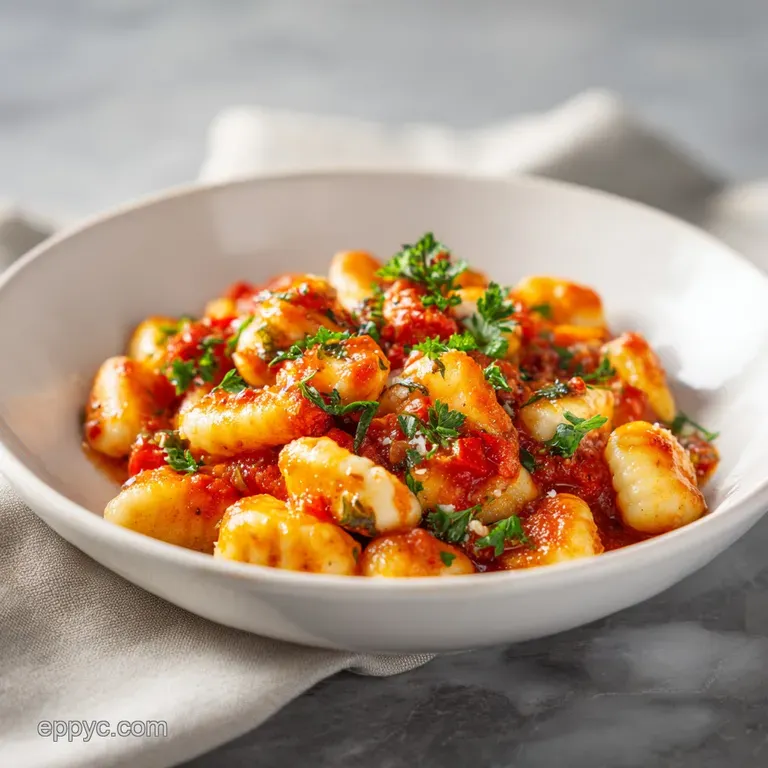
- Time: Active 10 mins, Passive 15 mins, Total 25 mins
- Flavor/Texture Hook: Silky, tangy, and bright
- Perfect for: Busy weeknights and budget-friendly dates
- Gnocchi Pomodoro
- Why This Technique Just Works
- Precise Specs for Success
- Choosing Your Best Ingredients
- Tools for the Job
- Cooking the Perfect Meal
- Troubleshooting Your Gnocchi Errors
- Adjusting the Serving Sizes
- Simple Dietary Recipe Swaps
- Storing Your Leftover Pasta
- Plating Like a Professional
- Myths About Gnocchi
- Recipe FAQs
- 📝 Recipe Card
Gnocchi Pomodoro
The sizzle of thinly sliced garlic hitting warm olive oil is the soundtrack to my favorite Tuesday nights. I remember the first time I tried making this dish after a particularly draining day at the office.
I had exactly 500g of potato gnocchi in the pantry and a single tin of tomatoes, and I honestly thought it would be a sad, lonely meal. But as the aroma of the basil sprig infused into the sauce, the kitchen started to smell like a proper Italian trattoria.
This isn't just about throwing sauce on pasta. It's about how the grated carrot melts into the background to balance the acidity of the tomatoes without using refined sugar. We're aiming for a sauce that is velvety and bright, coating the pillowy gnocchi until they look like little clouds of gold.
By the time I took my first bite that night, the stress of the day had completely evaporated, replaced by the simple, heartfelt joy of a home cooked win.
You'll find that this Gnocchi Pomodoro relies on smart techniques rather than expensive additions. We are going to use a few digital age tricks, like using the starchy pasta water to glue the sauce together, ensuring it never slides off the gnocchi.
It's practical, fast, and feels much more luxurious than the price tag suggests. Trust me, once you see how the butter transforms the texture at the end, you'll never go back to the jarred stuff.
Why This Technique Just Works
- sugar-free Balance: Grated carrot provides natural glucose that caramelizes slightly, neutralizing tomato acidity more effectively than white sugar.
- Emulsion Stability: The cold butter acts as a bridge between the watery tomato base and the fat in the oil, creating a silky coating.
- Starch Binding: Reserved pasta water contains potato starch that acts as a natural thickener, preventing the sauce from breaking.
- Infusion Depth: Sautéing the garlic and shallots together at a low temperature prevents bitterness while maximizing the aromatic oils.
| Method | Time | Texture | Best For |
|---|---|---|---|
| Traditional Stovetop | 25 mins | Pillowy and soft | Pure comfort food vibes |
| Sheet Pan Bake | 30 mins | Crispy, chewy edges | Texture lovers who want crunch |
| Air Fryer | 15 mins | Extra firm and toasted | Quick snacks or appetizers |
If you enjoy the pillowy texture here, you might also like my Gnocchi Soup Recipe which uses a similar base for a heartier meal. It is a brilliant way to use up an extra bag of gnocchi if you bought in bulk to save money.
Precise Specs for Success
The Science of the Gloss
The secret to the sheen on this Gnocchi Pomodoro is the cold butter emulsification. When you whisk cold fat into a hot, water based sauce, you create tiny droplets that get suspended in the liquid, resulting in a velvety finish.
| Component | Science Role | Pro Secret |
|---|---|---|
| Shallots | Sulfur compounds | Mince finely so they dissolve into the texture. |
| Pasta Water | Amylopectin starch | This is "liquid gold" that prevents the sauce from separating. |
| San Marzano | Low pectin, high flesh | Hand crush them for a rustic, variable texture. |
Choosing Your Best Ingredients
- 1 lb (500g) potato gnocchi: Look for high potato content (usually 70% or more) for the lightest texture. Why this? Higher potato to flour ratios prevent the gnocchi from becoming gummy during boiling.
- 28 oz (800g) San Marzano tomatoes: These are sweeter and less acidic than standard canned tomatoes. Why this? They provide a thick, naturally sweet base that doesn't need long simmering.
- 3 cloves garlic: Thinly slice them for sweet, toasted notes rather than sharp pungency.
- 1 large shallot: Mince this to add a delicate, onion like sweetness without the bite.
- 2 tbsp (30ml) extra virgin olive oil: Use a good quality oil for the base sauté.
- 1 medium carrot: Grate it finely so it disappears into the sauce.
- 1 sprig fresh basil: This infuses the oil and tomatoes with floral notes during the simmer.
- 1/2 tsp (3g) sea salt: Essential for drawing moisture out of the aromatics.
- 1/4 tsp (1g) red pepper flakes: Adds a background warmth without being spicy.
- 1 tbsp (15g) unsalted butter: Cold butter is key for the final glossy finish.
- 1/2 cup (50g) Parmigiano Reggiano: Use freshly grated for the best melt and saltiness.
- 1/4 cup (60ml) reserved pasta water: The glue for your sauce.
- 8 leaves fresh basil: Tear these at the end for a burst of fresh aroma.
| Original Ingredient | Substitute | Why It Works |
|---|---|---|
| San Marzano Tomatoes | Standard Canned Tomatoes | Add a pinch of sugar to mimic the San Marzano sweetness. |
| Parmigiano Reggiano | Pecorino Romano | Salty and sharp. Note: Reduce added sea salt if using this. |
| Shallot | Yellow Onion | Similar flavor profile, though slightly more aggressive. |
Tools for the Job
You don't need a high end digital kitchen to pull this off, but a wide skillet is essential. I prefer using a heavy bottomed stainless steel pan because it allows for even heat distribution, which prevents the garlic from scorching.
A fine grater is also vital for the carrot; you want it so fine that it basically turns into a paste.
For another decadent treat with a similar Italian soul, try my Creamy Chicken Florentine recipe which uses similar stovetop techniques to empower your weeknight cooking. It's all about using one pan effectively to save on the cleanup.
Cooking the Perfect Meal
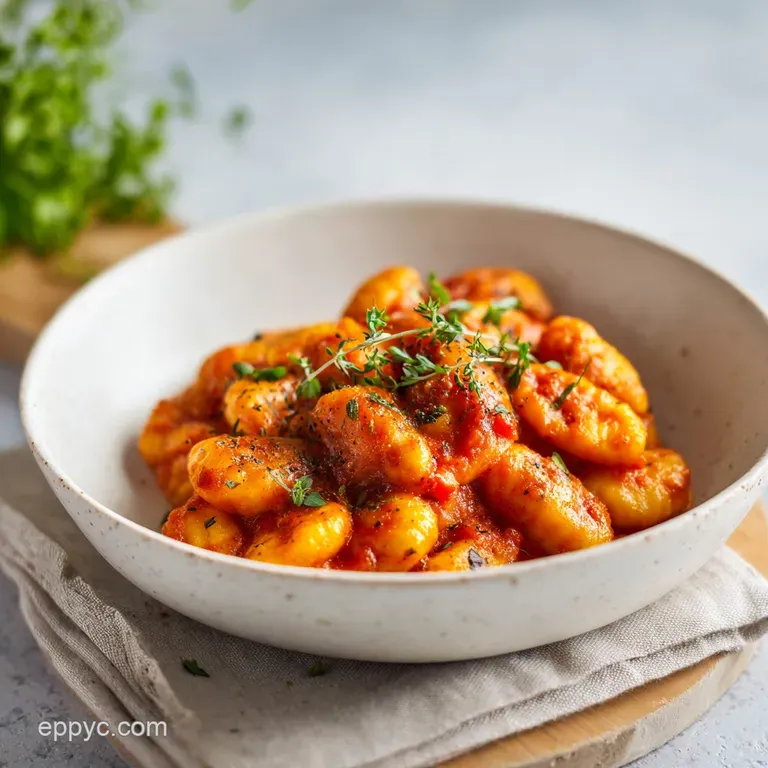
- Sauté the aromatics. Place the olive oil, sliced garlic, and minced shallot in a cold skillet, then turn the heat to medium. Note: Starting cold allows the flavors to bloom without burning the garlic.
- Add the carrot. Once the garlic begins to sizzle and turn golden, stir in the finely grated carrot and red pepper flakes for 2 minutes.
- Prepare the tomatoes. Hand crush the 800g of San Marzano tomatoes into a bowl, then pour them into the skillet with the basil sprig.
- Simmer the base. Lower the heat and let the sauce simmer for 15 minutes until it thickens and the oil separates.
- Boil the gnocchi. Bring a large pot of salted water to a boil and drop in the 500g of gnocchi.
- Monitor the float. Cook the gnocchi for about 2-3 minutes until they all bob to the surface like corks.
- Save the water. Scoop out 60ml of the cloudy pasta water before draining the gnocchi.
- Combine the elements. Add the gnocchi and the reserved water to the tomato sauce, tossing gently to coat.
- Finish with butter. Remove from heat and stir in the cold butter and half the Parmigiano Reggiano until the sauce looks glossy and thick.
- Garnish and serve. Remove the basil sprig, top with the remaining cheese and the torn fresh basil leaves.
Chef's Tip: Freeze your butter for 10 minutes before adding it to the sauce. The extreme temperature difference helps create a more stable emulsion for that "shatter glass" shine.
Troubleshooting Your Gnocchi Errors
Why Your Gnocchi Is Gummy
If the texture feels like chewing on a pencil eraser, the gnocchi were likely overcooked or sat in the water too long after they floated. Once they hit the surface, they have about 30 seconds before they start absorbing too much water and losing their structural integrity.
Balancing High Acidity
Sometimes, even with the carrot, the sauce can taste a bit sharp. This usually happens if the tomatoes were under ripe when canned. You can fix this by adding a tiny splash of heavy cream or another half tablespoon of butter to coat the tongue and mellow the acid.
| Problem | Root Cause | Solution |
|---|---|---|
| Sauce is watery | Not enough simmering | Simmer for 5 more mins until oil beads appear on top. |
| Gnocchi falling apart | Vigorous boiling | Use a gentle boil and stir carefully with a wooden spoon. |
| Garlic tastes bitter | Burned during sauté | Start aromatics in cold oil and remove from heat if browning too fast. |
Common Mistakes Checklist ✓ Never skip the pasta water; it's the difference between a dry dish and a silky one. ✓ Grate your cheese fresh; pre shredded stuff has cellulose that prevents a smooth melt. ✓ Don't overcrowd the boiling pot; cook in two batches if your pot is small.
✓ Add the fresh basil only at the very end to keep the oils from evaporating. ✓ Pat the gnocchi dry if you plan on searing them for a different texture.
Adjusting the Serving Sizes
If you are cooking for a crowd and need to double the recipe (8 servings), keep the salt and red pepper flakes to about 1.5x the original amount. Spices don't always scale linearly and can easily overwhelm the dish.
For the liquids, you can actually reduce the total tomato amount by about 10% because less moisture evaporates in a larger batch.
When scaling down to a single serving (125g gnocchi), use a much smaller pan. Using a giant skillet for a tiny portion of sauce will cause it to evaporate too quickly, leaving you with a sticky paste instead of a velvety pomodoro. In this case, reduce the simmer time to about 8 minutes.
Simple Dietary Recipe Swaps
- gluten-free: Use cauliflower gnocchi or a dedicated GF potato gnocchi. Ensure the brand uses rice flour or cornstarch as a binder.
- dairy-free: Replace the butter with a high-quality vegan butter substitute or just an extra tablespoon of extra virgin olive oil.
- Protein Boost: Stir in some cooked cannellini beans or top with a dollop of fresh ricotta cheese for extra satiety.
| Goal | Adjustment | Outcome |
|---|---|---|
| Lower Carb | Use Cauliflower Gnocchi | Softer texture, slightly nutty flavor profile. |
| Extra Spicy | Increase Red Pepper to 1 tsp | Significant heat that lingers on the palate. |
| More Savory | Add 1 tsp Anchovy Paste | Adds deep umami without a fishy taste. |
Storing Your Leftover Pasta
Gnocchi Pomodoro is best eaten fresh, but it will keep in the fridge for up to 3 days in an airtight container. The gnocchi will continue to absorb the sauce as they sit, so they might be a bit firmer the next day. I don't recommend freezing the assembled dish as the gnocchi can become quite mushy upon thawing.
To reheat, add the leftovers to a skillet with a splash of water or extra tomato juice. Heat over medium low, tossing gently until the sauce loosens up and the gnocchi are warmed through. Avoid the microwave if possible, as it tends to make the potato starch go rubbery.
If you have leftover sauce but no gnocchi, use it as a base for a shakshuka the next morning!
Plating Like a Professional
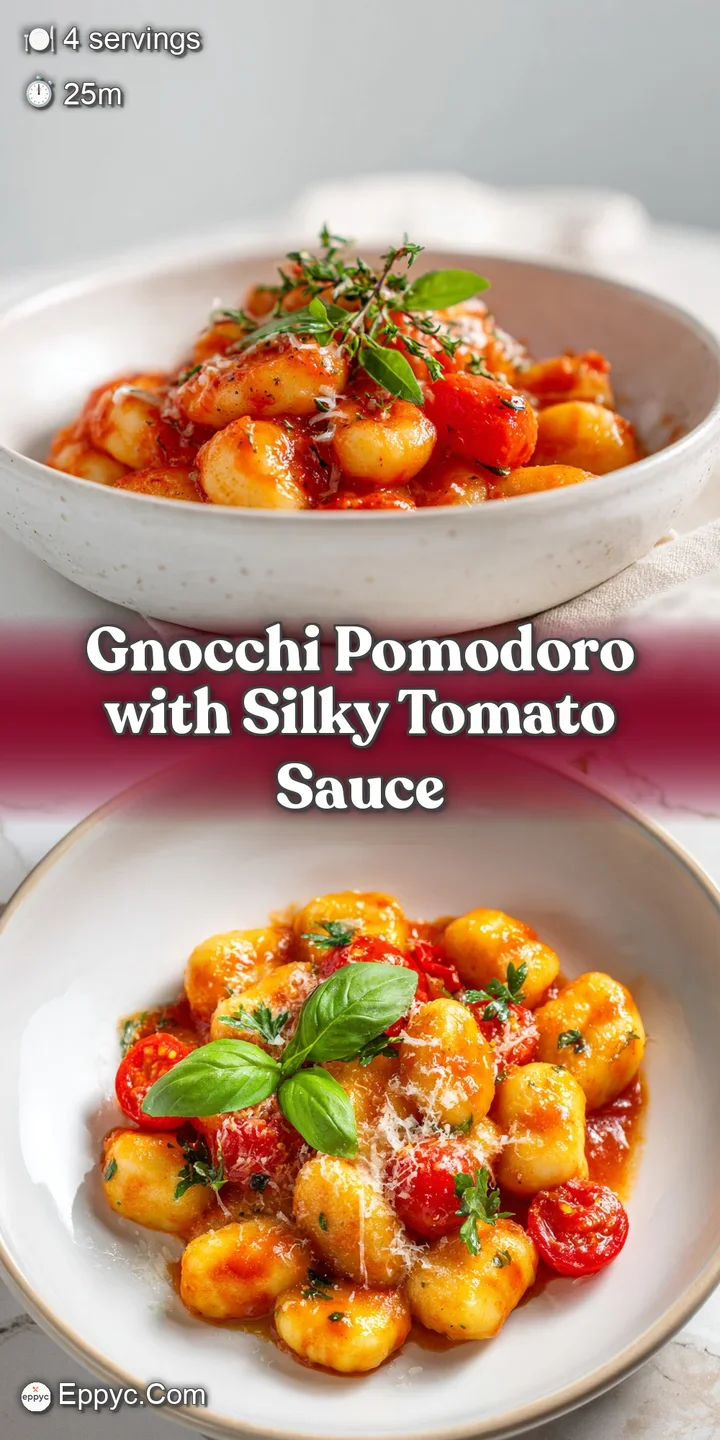
To get that "digital ready" look, use a shallow bowl rather than a flat plate. This keeps the gnocchi huddled together, which retains heat. Spoon a little extra sauce from the pan over the top of the pile, then finish with a flurry of Parmigiano Reggiano.
Instead of chopping the basil, tear it by hand. This prevents the edges from bruising and turning black, keeping that vibrant green pop against the deep red of the pomodoro. A final, tiny drizzle of your best olive oil right before serving will catch the light and emphasize the silky texture we worked so hard to create.
Trust me, it makes the whole experience feel like a heartfelt gift to yourself.
Myths About Gnocchi
The Floating Myth: Many people believe that as soon as gnocchi float, they are perfectly cooked. In reality, floating just means the density has changed because the air trapped inside has expanded. You should still taste one to ensure the center isn't still doughy.
Fresh is Always Better: While handmade gnocchi are stellar, high-quality store-bought versions are a technological marvel. They are consistent, hold their shape better for beginners, and allow you to focus on mastering the sauce. Don't feel guilty for using the vacuum sealed pack!
Rinsing the Pasta: Never rinse your gnocchi after boiling. You'll wash away the very starch that helps the pomodoro sauce cling to the surface. Go straight from the water into the skillet.
Recipe FAQs
What are pomodoro gnocchi?
They are small potato dumplings served with a simple tomato sauce. "Pomodoro" simply means tomato, focusing the flavor on fresh, bright tomato notes rather than heavy cream or meat.
What kind of sauce goes well with gnocchi?
A simple, high-quality tomato sauce is best. Because gnocchi is soft and tender, it pairs beautifully with sauces that have a good cling factor, like this emulsified pomodoro.
What is the difference between a marinara sauce and a pomodoro sauce?
Pomodoro is traditionally simpler and quicker cooked than marinara. Marinara often simmers longer and may include herbs like oregano, whereas pomodoro highlights the pure flavor of the fresh tomato, garlic, and basil.
Is gnocchi ok for diabetics?
No, standard potato gnocchi has a high glycemic load. Traditional gnocchi is made primarily of potato and white flour, causing a rapid blood sugar spike.
How do I keep my gnocchi from turning mushy when boiling?
Use a gentle boil and remove them immediately after they float. Do not overcook them once they reach the surface; they only need about 30 seconds of floating time to be done.
How do I achieve a glossy sauce without adding heavy cream?
Whisk in cold butter and starchy pasta water off the heat. This process emulsifies the fat and water, creating a velvety texture and professional level shine.
Should I add sugar to my tomato sauce for gnocchi?
No, this is a common misconception. Use a finely grated carrot during the sauté; it melts away and provides a natural, balanced sweetness to cut the tomato acidity.
Gnocchi Pomodoro In 25 Minutes
Ingredients:
Instructions:
Nutrition Facts:
| Calories | 389 kcal |
|---|---|
| Protein | 11.4 g |
| Fat | 13.8 g |
| Carbs | 54.2 g |
| Fiber | 5.1 g |
| Sugar | 6.2 g |
| Sodium | 585 mg |
