Hearty Breakfast Casserole Recipe
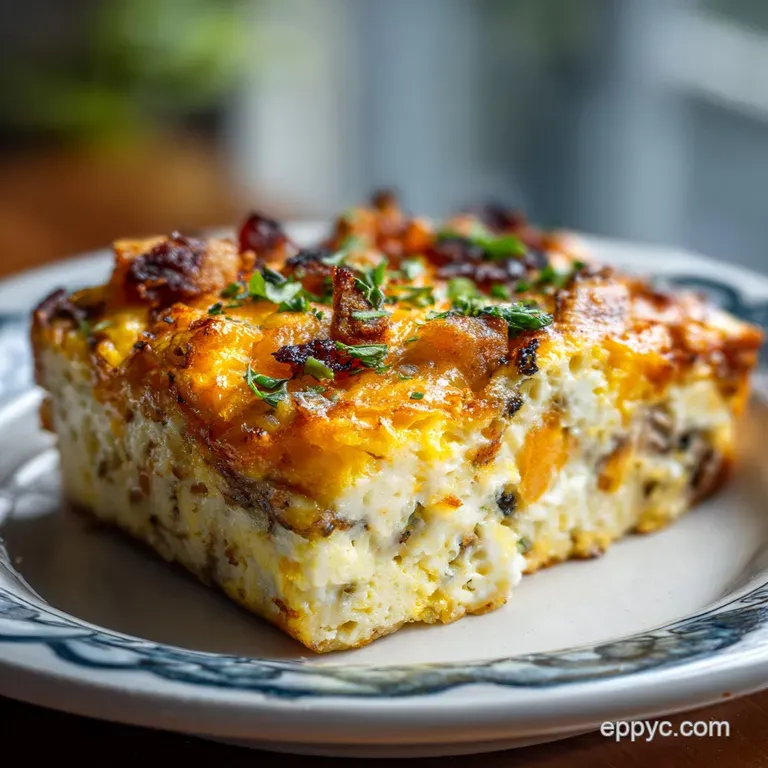
- Time: Active 15 minutes, Passive 50 minutes, Total 1 hours 5 mins
- Flavor/Texture Hook: Golden, shatter crisp hash brown edges with a silky, savory center
- Perfect for: Stress free holiday hosting or high protein meal prep
- The Reason This Breakfast Casserole Recipe Delivers Morning Joy
- Strategic Planning for Your Ultimate Breakfast Casserole Recipe Success
- The Architecture of the Custard Matrix
- Selecting Quality Elements for a Hearty Breakfast Casserole Recipe
- Kitchen Tools Needed to Empower Your Breakfast Casserole Recipe
- Executing the Step-by-Step Workflow for This Dish
- Solving Texture Problems Within Your Breakfast Casserole Recipe
- Creative Variations to Customize This Breakfast Casserole Recipe
- Smart Preservation for Your Make-Ahead Breakfast Casserole Recipe
- Complementary Pairings to Serve Alongside This Morning Meal
- HIGH in Sodium
- Recipe FAQs
- 📝 Recipe Card
The Reason This Breakfast Casserole Recipe Delivers Morning Joy
I'll never forget the first time I hosted a big family brunch. I was trying to flip individual omelets while the coffee pot hissed and everyone stared at me from the kitchen island. The result? Half cold eggs and a very stressed cook.
That's when I realized that a reliable breakfast casserole recipe isn't just a meal; it's a strategic tool for sanity. This specific version uses a layered approach that ensures every bite has that golden, crispy potato base and a custard that actually holds its shape without weeping.
We've all had those soggy, greyish casseroles at potlucks, right? The ones where the vegetables are watery and the eggs feel like rubber sponges. I spent months tweaking the moisture levels in this dish to ensure that never happens in your kitchen.
By sautéing the aromatics first and utilizing the starch in the hash browns as a structural foundation, we create a dish that feels heartfelt but performs with digital precision. You’re going to love how the smoked paprika hits the back of your palate, cutting through the richness of the sharp cheddar.
This dish is about empowering you to be present with your guests or your family. Instead of standing over a hot stove, you'll be sipping your latte while the oven does the heavy lifting. The aroma of sizzling pork sausage and toasted garlic will fill the house, acting as a natural alarm clock for anyone still sleeping.
It’s a foolproof workflow that I’ve tested in my own chaotic kitchen so you can execute it flawlessly in yours.
Strategic Planning for Your Ultimate Breakfast Casserole Recipe Success
Efficiency in the kitchen starts with understanding your timeline. This recipe thrives on a plan based execution, allowing you to move from prep to table without a single frantic moment.
The internal structure depends on the "carryover" effect meaning the eggs continue to firm up even after the pan leaves the heat. This is why we aim for a specific visual cue of "jiggle free" centers rather than waiting for it to become rock hard in the oven.
| Thickness | Internal Temp | Rest Time | Visual Cue |
|---|---|---|---|
| 2 Inches (Standard) | 160°F | 10 mins | Center doesn't wobble when shaken |
| 1 Inch (Sheet Pan) | 160°F | 5 mins | Edges pull away from the pan |
| 3 Inches (Deep Dish) | 165°F | 15 mins | Knife comes out clean from center |
Mastering the Moisture Ratio
The secret to a non soggy bake is managing the water content of your vegetables. When we dice that red bell pepper and yellow onion, we aren't just adding flavor; we're adding potential "steam" that can ruin the egg set.
By searing them with the sausage, we evaporate that excess moisture and lock in the sugars through caramelization. It's a small step that makes a massive difference in the final structural integrity of the slice.
Achieving the Perfect Maillard Crust
We want the bottom of those hash browns to do more than just sit there. They should develop a golden brown crust that provides a textural contrast to the soft eggs. This happens through the Maillard reaction a chemical dance between amino acids and reducing sugars.
To maximize this, I recommend pressing the hash browns into the pan slightly before adding the liquid, allowing the heat to conduct directly through the potato strands.
The Architecture of the Custard Matrix
Understanding the "how" behind your ingredients empowers you to make better decisions on the fly. In this breakfast casserole recipe, the eggs and milk aren't just mixed; they are emulsified to create a stable network that traps the fat from the cheese and sausage.
| Ingredient | Science Role | Pro Secret |
|---|---|---|
| Large Eggs | Protein Binder | Whisk until no streaks remain to ensure a uniform rise without "white spots." |
| Whole Milk | Hydration | The fat in whole milk coats egg proteins, preventing them from over bonding and getting rubbery. |
| Shredded Hash Browns | Starch Scaffold | Provides the surface area needed for the eggs to cling to, preventing the custard from collapsing. |
| Dry Mustard | Emulsifier | Contains mucilage which helps bridge the gap between the fats in the cheese and the water in the eggs. |
Using the right starch base is critical for the "shatter" factor. While some people prefer bread, I find that a breakfast casserole with hash browns offers a much more satisfying crunch. If you're looking for other high performing breakfast foundations, you might notice similar starch binding principles in my How to Make recipe which uses rice flour for a specific texture.
Selecting Quality Elements for a Hearty Breakfast Casserole Recipe
When you're gathering your essentials, quality matters. I always reach for a sharp cheddar because it has a lower moisture content and a more aggressive flavor profile than mild varieties. This ensures your cheesy crown is flavorful without becoming oily.
- 32 oz frozen shredded hash browns: Look for the plain variety without added onions or peppers so you can control the seasoning. Why this? Frozen potatoes are blanched, meaning they are partially cooked and ready to crisp.
- 1 lb bulk pork breakfast sausage: I prefer a "sage" or "hot" variety to add more depth to the savory profile.
- 1 medium yellow onion, finely diced: Provides the foundational sweetness once sautéed.
- 1 red bell pepper, diced: Adds a pop of color and a mild, earthy sweetness.
- 10 large eggs: Use room temperature eggs if possible for a more even emulsification with the milk.
- 2 cups whole milk: Don't swap for skim; you need the fat for a velvety mouthfeel.
- 1 tsp smoked paprika: This provides a "fire roasted" aroma that standard paprika lacks.
- 1 tsp garlic powder: Distributes more evenly through the custard than fresh minced garlic.
- 1/2 tsp dry mustard: The "secret" ingredient that makes the cheese taste more like cheese.
- 1/2 tsp salt & 1/2 tsp black pepper: Essential for waking up all the other flavors.
- 2 cups sharp cheddar cheese, shredded: Grate it yourself from a block for a better melt.
- 1 cup Monterey Jack cheese, shredded: This is your "melt factor" cheese it stays creamy.
- 2 scallions, thinly sliced: For a fresh, sharp finish after the bake.
| Original Ingredient | Substitute | Why It Works |
|---|---|---|
| Bulk Pork Sausage | Turkey Sausage | Leaner profile; add 1 tsp olive oil to the pan to compensate for lower fat. |
| Whole Milk | Heavy Cream (1 cup) + Water (1 cup) | Creates an even richer, more decadent custard. |
| Shredded Hash Browns | Frozen Tater Tots | Adds more "bite" and a higher salt content. Note: Increase bake time by 5 mins. |
Kitchen Tools Needed to Empower Your Breakfast Casserole Recipe
You don't need a spaceship to make a great breakfast, but the right digital era tools make the workflow much smoother. I personally love using a heavy 9x13 inch ceramic or glass baking dish.
Glass is excellent because it allows you to peek at the bottom of the casserole to check for that golden brown potato crust without cutting into it.
Chef Tip: If you find your casserole often sticks to the corners, use a light coating of butter instead of non stick spray. The milk solids in the butter help brown the edges of the hash browns beautifully.
A digital instant read thermometer is your best friend here. While we can use visual cues, hitting an internal temperature of 160°F is the only way to be 100% sure your eggs are safe and perfectly set. This precision based approach is exactly how I handle complex bakes, much like the temperature control required for a Sourdough Bread recipe to get that perfect crumb.
Executing the step-by-step Workflow for This Dish

- Preheat and Prep: Set your oven to 350°F (180°C). Grease your 9x13 baking dish generously with butter or oil.
- Sear the Sausage: In a large skillet over medium high heat, brown 1 lb pork sausage, breaking it into small crumbles. Note: Small crumbles ensure sausage in every single bite.
- Sauté the Aromatics: Add the diced yellow onion and red bell pepper to the skillet with the sausage. Cook for 5-7 mins until the onions are translucent and the peppers are soft.
- Drain Excess Fat: Tip the sausage mixture into a colander or onto a paper towel lined plate. Note: This prevents the casserole from becoming greasy.
- Layer the Base: Spread the 32 oz frozen hash browns into the bottom of the prepared baking dish. Top with the cooked sausage and vegetable mixture.
- Add the Cheese: Sprinkle 2 cups sharp cheddar and 1 cup Monterey Jack evenly over the sausage layer.
- Whisk the Custard: In a large bowl, vigorously whisk 10 eggs, 2 cups whole milk, smoked paprika, garlic powder, dry mustard, salt, and pepper until the mixture is bubbly and pale yellow.
- Pour and Distribute: Pour the egg mixture slowly over the layers in the dish. Use a fork to gently poke the hash browns, allowing the liquid to seep all the way to the bottom.
- Bake to Perfection: Place in the center of the oven and bake for 45-50 mins until the center is set and the top is golden and bubbling.
- Rest and Garnish: Remove from the oven and let it sit for 10 mins. Sprinkle with sliced scallions before slicing into 9 generous squares.
Solving Texture Problems Within Your Breakfast Casserole Recipe
Even the best cooks run into a "hiccup" now and then. The most common issue with an easy breakfast casserole recipe is the "weeping" effect, where water pools at the bottom of the dish after it's cut.
This usually happens because the eggs were overcooked, causing the protein structure to tighten and squeeze out the moisture.
Preventing the "Soggy Center"
If you find the middle of your casserole is still runny while the edges are burning, your oven might have hot spots. To fix this, rotate the pan 180 degrees halfway through the baking time. Also, ensure your hash browns aren't clumped together in a frozen block; break them up so the egg mixture can circulate.
| Problem | Root Cause | Solution |
|---|---|---|
| Rubbery Eggs | Overbaking | Remove from oven at 160°F; carryover heat will finish the job. |
| Greasy Surface | Sausage not drained | Always blot sautéed meat with paper towels before adding to the dish. |
| Bland Flavor | Under seasoning | Increase the smoked paprika or add a dash of hot sauce to the egg whisking stage. |
Common Mistakes Checklist
- ✓ Don't skip the sauté: Raw onions release too much water during the bake.
- ✓ Avoid pre shredded cheese: The anti caking agents (like cellulose) can prevent a smooth melt.
- ✓ Check your thermometer: Ensure it's calibrated in ice water so your 160°F reading is accurate.
- ✓ Let it rest: Slicing too early causes the custard to collapse; those 10 minutes are vital for structural integrity.
Creative Variations to Customize This Breakfast Casserole Recipe
This recipe is a canvas for your creativity. Once you master the basic custard to starch ratio, you can swap ingredients to fit your mood or the season. For instance, a vegetarian breakfast casserole can be achieved by swapping the pork for sautéed mushrooms and baby spinach.
Just make sure to cook the spinach until it's completely wilted and squeezed dry!
If you're looking for a different vibe, try the "Tater Tot Twist." Swap the hash browns for a layer of frozen tater tots on the top instead of the bottom. They’ll get incredibly crispy, almost like a "crust" on top of the eggs. For a holiday themed Christmas breakfast casserole, add diced ham and some green chilies for that festive red and green look. If you are planning a full morning spread, this savory dish pairs beautifully with something sweet, like my How to Make recipe for a gluten-free pancake option.
Scaling the Recipe Up or Down
- Cutting in Half: Use an 8x8 inch square pan. Reduce the bake time to 30-35 mins. Use 5 eggs and 1 cup of milk.
- Feeding a Crowd (2x): Use two 9x13 pans rather than one giant deep pan. This ensures the center cooks at the same rate as the edges. When baking two pans at once, increase the time by 10-15 mins and swap their positions on the oven racks halfway through.
- Baking for One: You can actually bake smaller portions in greased muffin tins! Bake at 350°F for about 20-25 mins. These are perfect for "grab and go" mornings.
Smart Preservation for Your make-ahead Breakfast Casserole Recipe
One of the best things about this dish is that it actually benefits from a bit of "hang time." An overnight breakfast casserole recipe allows the hash browns to fully hydrate in the egg mixture, leading to a more cohesive texture.
If you're prepping this for a big event, assemble it entirely (except for the scallion garnish), cover it tightly with foil, and slide it into the fridge.
- Fridge
- Store leftovers in an airtight container for up to 4 days. It’s one of those rare dishes that might actually taste better on day two as the spices meld.
- Freezer
- You can freeze the baked casserole. Slice it into individual squares, wrap each in parchment paper, and store in a freezer bag for up to 2 months.
- Reheating
- For a single slice, 60-90 seconds in the microwave usually does the trick. To reheat the whole pan, cover with foil and bake at 325°F for 20 mins to avoid drying out the eggs.
Zero Waste Tip: Don't throw away those scallion whites or the stems from your bell pepper! Throw them into a freezer bag of "veggie scraps" to make a homemade vegetable stock later. Even the grease from the sausage can be chilled and used to sauté potatoes for a different meal.
Complementary Pairings to Serve Alongside This Morning Meal
While this breakfast casserole recipe is a powerhouse on its own, a few well chosen sides can turn it into a full blown feast. I love serving this with a bright, acidic fruit salad to cut through the richness of the cheese and sausage. Think fresh grapefruit segments, berries, and a sprig of mint.
If you’re hosting a holiday brunch, consider serving this alongside a spread of my My Classic Green recipe if you're leaning into a "brunch for-dinner" vibe. For a more traditional morning, a side of thick cut sourdough toast is perfect for mopping up any leftover custard on the plate.
I’ve found that a spicy Bloody Mary or a crisp Mimosa provides the perfect counterpoint to the smoky paprika and sharp cheddar. The key is balance something light, something fresh, and something to drink.
Now that you have the full workflow, go forth and empower your morning with a meal that actually works. Trust me, once you see those golden edges and smell that toasted garlic, you’ll never go back to individual omelets again!

HIGH in Sodium
1045 mg mg of sodium per serving (45% of daily value)
The American Heart Association recommends limiting sodium intake to about 2,300mg per day for most adults.
Tips to Reduce Sodium in This Recipe
-
Choose Low-Sodium Sausage-25%
Breakfast sausage is a significant source of sodium. Opt for a low-sodium or sodium free sausage alternative. This could significantly reduce the overall sodium content.
-
Select Low-Sodium Cheese-15%
Sharp cheddar and Monterey Jack cheeses contribute to the high sodium level. Use low-sodium or reduced sodium versions of these cheeses, or substitute with a naturally lower sodium cheese like Swiss or fresh mozzarella.
-
Rinse Hash Browns-10%
Frozen hash browns can contain added sodium. Rinsing them thoroughly under cold water before using can help remove some of the excess salt.
-
Reduce Added Salt-10%
This recipe calls for 1/2 tsp of salt. Try reducing the amount to 1/4 tsp or omitting it altogether, especially if you don't use low-sodium sausage or cheese.
-
Consider Low-Sodium Milk-5%
While regular milk is generally low in sodium, some milk alternatives, like certain plant based milks, may have added sodium. Check the label and choose a low-sodium milk alternative or regular milk.
-
Flavor with Herbs and Spices
Enhance the flavor of the breakfast casserole with a variety of fresh or dried herbs and spices. Experiment with options like oregano, thyme, rosemary, or chili powder to add depth and complexity without sodium.
-
Sauté with No Salt
When sautéing the onion and bell pepper, refrain from adding salt. The natural sweetness of the vegetables will come through, and you can rely on other spices for flavor.
Recipe FAQs
What essential ingredients go into a standard breakfast casserole?
Eggs, milk, cheese, and a starch base. Typically, you'll use eggs and milk to form the custard matrix, a sharp cheese like cheddar, and a starch like frozen hash browns or cubed bread.
Is heavy cream or whole milk better for achieving a velvety breakfast casserole custard?
Heavy cream yields a richer result, but whole milk is standard for balancing richness and structure. Whole milk provides enough fat for flavor without collapsing the egg proteins like pure heavy cream might, which keeps the texture reliable.
Do you cover a breakfast casserole with foil when it bakes in the oven?
Yes, cover it loosely for the first two-thirds of the bake time. Covering prevents the top cheese and edges from burning before the center reaches the safe internal temperature of 160°F.
Why is a specific type of breakfast casserole sometimes called a John Wayne casserole?
This name generally refers to a specific regional variation using Bisquick or similar baking mix as the base. While the classic version uses eggs and dairy, the John Wayne style often incorporates Bisquick for a biscuit like texture instead of a pure custard.
How do I prevent my breakfast casserole from having a soggy bottom layer?
Pre-cook any vegetables and press the starch base firmly into a pre-heated pan. Sautéing items like sausage and onions first evaporates excess water; you can see a similar technique for moisture control when learning [How to Mix recipe] seasonings.
Can I use refrigerated pre-shredded cheese instead of grating my own for the best melt?
No, grating cheese fresh from a block yields superior melt quality. Pre-shredded cheese contains anti caking agents like potato starch, which prevent it from blending smoothly into the creamy egg matrix.
What internal temperature signals that my breakfast casserole is safely finished cooking?
Pull the casserole when the center reaches 160°F (71°C) on a digital thermometer. The eggs will continue to cook externally (carryover heat) after removal, ensuring a perfectly set, non-rubbery final slice, much like the thermal reading required for a [Cheesy Hashbrown Casserole Recipe].
Hearty Breakfast Casserole Recipe

Ingredients:
Instructions:
Nutrition Facts:
| Calories | 461 kcal |
|---|---|
| Protein | 26.4 g |
| Fat | 31.7 g |
| Carbs | 20.6 g |
| Fiber | 1.8 g |
| Sugar | 3.5 g |
| Sodium | 1045 mg |
