Cottage Cheese Pizza Bowl Recipe
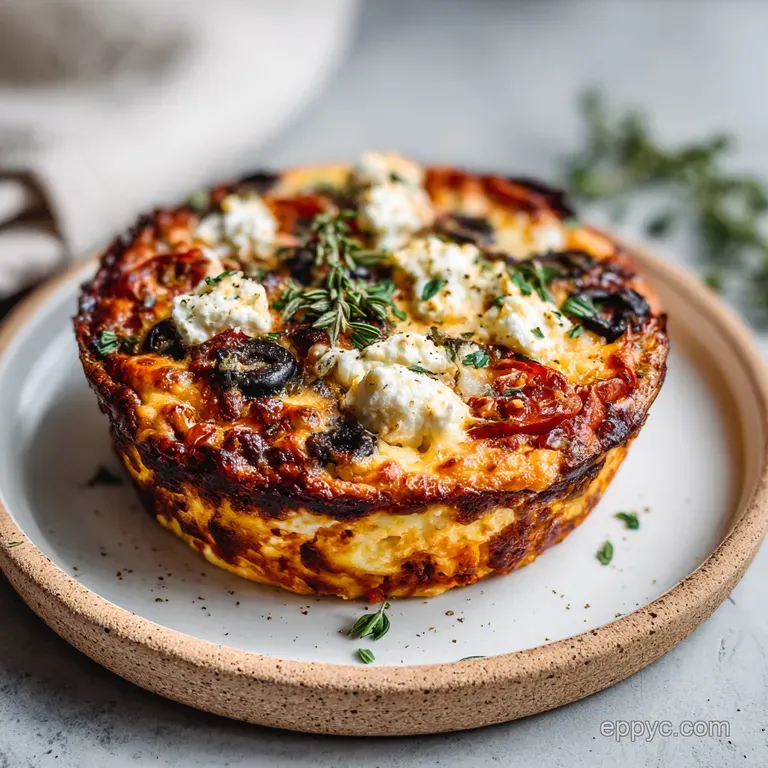
- Time: Active 5 mins, Passive 2 mins, Total 7 mins
- Flavor/Texture Hook: Savory, bubbling, and velvety
- Perfect for: High protein lunch or post workout meal
- Smart Science Behind the Bowl
- Comparison of Cooking Methods
- Essential Ingredient Deep Dive
- Affordable Items and Swaps
- Essential Kitchen Tech
- Clear Step by Step Instructions
- Troubleshooting Common Cooking Issues
- Smart Low Cost Adaptations
- Easy Portion Scaling Rules
- Busted Pizza Bowl Myths
- Safe Storage and Scraps
- Best Toppings and Sides
- High in Sodium ⚠️
- Recipe FAQs
- 📝 Recipe Card
Smart Science Behind the Bowl
Protein Denaturation: When we heat the 225g of cottage cheese, the whey and casein proteins begin to tighten, which can release water. Using a low-fat version requires precise timing to ensure it stays creamy rather than turning into a liquid pool.
Maillard Reaction: Even in a microwave or air fryer, the sugars in the low sugar marinara and the fats in the turkey pepperoni interact under heat to create those distinct, savory "browned" flavors we associate with traditional pizza.
Emulsification Stability: Adding 1 tbsp of freshly grated Parmesan cheese helps bind the slight moisture from the cottage cheese to the fat in the mozzarella, creating a cohesive, velvety sauce rather than separated layers.
Comparison of Cooking Methods
| Method | Time | Texture | Best For |
|---|---|---|---|
| Microwave | 2 minutes | Soft and gooey | Maximum speed and office lunches |
| Air Fryer | 5 minutes | Crispy pepperoni edges | Achieving that "baked" pizza feel |
| Stovetop | 4 minutes | Very creamy | Total control over sauce thickness |
If you want the fastest possible meal, the microwave is your best friend. However, if you have five minutes to spare, the air fryer creates a much better "shatter" on the pepperoni slices. For those who really dislike the texture of cottage cheese curds, you can actually use a digital blender to whip the 225g of cheese before heating, which results in a texture similar to a Classic Ricotta Cheese recipe.
Essential Ingredient Deep Dive
| Ingredient | Science Role | Pro Secret |
|---|---|---|
| Cottage Cheese | Structural base and protein | Blot with paper towels to reduce "soupiness" |
| Mozzarella | Elasticity and "cheese pull" | Use part skim for better melting without excess oil |
| Turkey Pepperoni | Flavor and fat content | Slices curl and crisp better than cubes |
Affordable Items and Swaps
The beauty of the Cottage Cheese Pizza Bowl Recipe is its flexibility. If you are watching your spending, store brand cottage cheese works just as well as the fancy organic tubs. Just look for the "small curd" variety, as it melts more evenly.
- low-fat cottage cheese (225g): Can be replaced with ricotta cheese for a denser, richer bowl. Why this? Ricotta has a similar protein profile but a more uniform, grainy texture.
- Low sugar marinara sauce (60g): Use tomato paste mixed with a splash of water and Italian seasoning. Why this? It's a fraction of the cost and keeps the carbs very low.
- Turkey pepperoni (10 slices): Cooked ground turkey or even canned mushrooms work. Why this? Turkey pepperoni is shelf stable and adds that specific pizza "zing" for fewer calories.
- Shredded mozzarella (28g): Mild provolone or even a white cheddar. Why this? These provide the necessary fat and stretch to make it feel like real pizza.
- Fresh Basil: Dried basil (use 1/3 the amount). Why this? Dried herbs are more concentrated and much cheaper for everyday use.
Essential Kitchen Tech
You don't need a professional kitchen to master this. A simple digital microwave is the most common tool, but an air fryer can empower you to get that crispy finish. I personally use a small glass ramekin because it distributes heat more evenly than plastic bowls.
If you find the texture of cottage cheese a bit weird, a small immersion blender is a game changer for smoothing out the curds before you add the toppings.
Clear step-by-step Instructions
- Prep the base. Measure 1 cup (225g) of low-fat cottage cheese into a microwave safe bowl. Note: Use a wide bowl to increase the surface area for the toppings.
- Season the cheese. Stir in 1/2 tsp dried oregano, 1/4 tsp garlic powder, and a pinch of red pepper flakes into the cheese. Note: Mixing seasonings into the cheese ensures every bite is flavorful.
- Layer the sauce. Spread 1/4 cup (60g) of low sugar marinara sauce directly over the top of the cottage cheese. Note: Do not stir the sauce in if you want distinct pizza layers.
- Add the cheese. Sprinkle 1/4 cup (28g) of shredded part skim mozzarella cheese evenly over the marinara layer.
- Position the pepperoni. Place 10 slices of turkey pepperoni on top of the mozzarella. until they cover the surface.
- Heat the bowl. Microwave on high for 1 minute 30 seconds to 2 minutes until the mozzarella is bubbling and the pepperoni is slightly curled.
- Garnish and finish. Carefully remove the bowl (it will be hot!) and sprinkle with 1 tbsp freshly grated Parmesan cheese.
- Final touch. Top with 1 tbsp fresh basil leaves until the aroma fills the kitchen.
If you ever feel like you've mastered this and want to try something with more of a "crunch," you might enjoy exploring My Secret for recipe for those days when you have more time to spend in the kitchen. But for a Tuesday at noon? This bowl is king.
Troubleshooting Common Cooking Issues
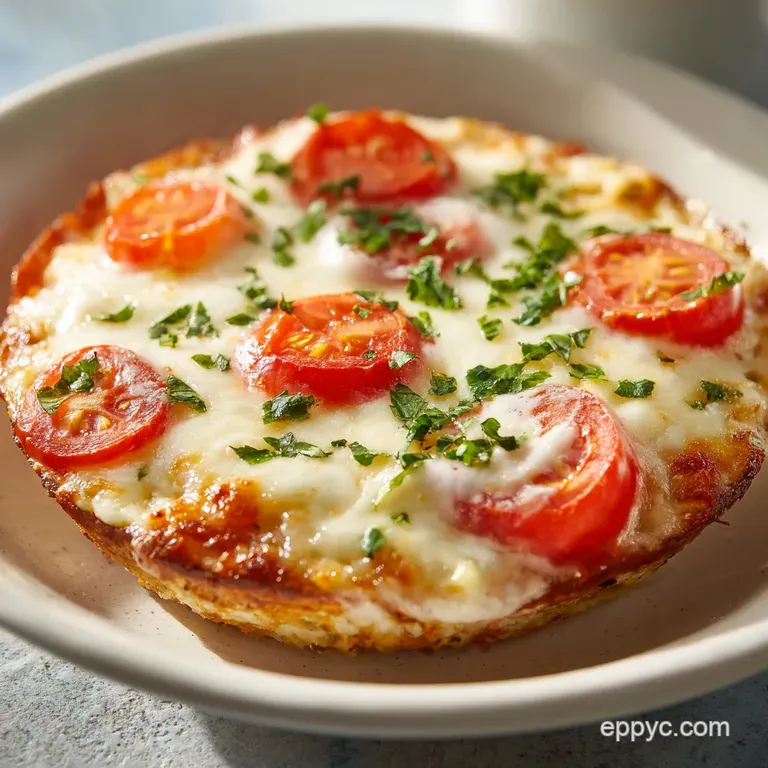
Why Your Pizza Bowl Is Watery
This is the number one complaint. low-fat cottage cheese has a high water content. When the protein structure breaks down under heat, it "weeps." To fix this, you can strain the cottage cheese through a fine mesh sieve for 5 minutes before assembling.
Another trick is to add the Parmesan cheese under the marinara to act as a moisture barrier.
Why Your Cheese Is Rubbery
If you overcook the bowl, the mozzarella will lose its moisture and become tough and chewy. This happens because the fat separates from the protein. Always start with 90 seconds in the microwave and check it. You want a "velvety" melt, not a hard plastic lid.
| Problem | Root Cause | Solution |
|---|---|---|
| Excess Liquid | Cottage cheese moisture release | Strain cheese or add 1 tsp coconut flour to thicken |
| Cold Center | Uneven microwave heating | Stir the cottage cheese/marinara layer halfway through |
| Burnt Pepperoni | Air fryer heat is too high | Place pepperoni under the mozzarella or reduce temp |
Common Mistakes Checklist:
- ✓ Always use a microwave safe glass or ceramic bowl (plastic can warp).
- ✓ Don't skip the dried oregano; it provides the "pizza" scent profile.
- ✓ Use a "low sugar" sauce to keep the High Protein Cottage Cheese Pizza Bowl within nutritional goals.
- ✓ Blot the turkey pepperoni with a paper towel if you want a crispier texture.
- ✓ Let the bowl sit for 1 minute after cooking to allow the structure to set.
Smart Low Cost Adaptations
For a Vegetarian Cottage Cheese Pizza Bowl, simply swap the turkey pepperoni for sliced olives, bell peppers, or sautéed spinach. If you are looking for a Cottage Cheese Pizza Bowl with Chicken, adding 2 ounces of canned or rotisserie chicken breast increases the protein even further without adding much cost.
The Weight Watchers Cottage Cheese Pizza Bowl is already very points friendly because we use low-fat and low sugar options. To save even more points, you can reduce the mozzarella to 1 tablespoon and increase the herbs.
If you are doing a Cottage Cheese Pizza Bowl with Ground Beef, ensure the beef is fully browned and drained of all fat before adding it to the bowl to prevent a greasy mess.
Easy Portion Scaling Rules
Scaling this recipe is incredibly straightforward since it’s designed as a single serving.
- To double the recipe: Use two separate bowls rather than one large one. This ensures the microwave waves penetrate the center of the cheese effectively. If using an oven, you can put both ramekins on a baking sheet.
- To triple or more: If you are making this for a family, treat it like a dip! Use a larger oven safe dish and bake at 375°F (190°C) for 15 minutes.
- Spice adjustments: When doubling, do not double the red pepper flakes unless you want a very spicy result; start with 1.5x and taste.
Busted Pizza Bowl Myths
One common myth is that you can't get a "crust" feel without dough. While there is no bread here, the edges of the cheese where they touch the bowl often caramelize and get slightly crispy. It's not a cracker, but it provides that savory depth you crave.
Another myth is that cottage cheese is "disgusting" when warm. This usually comes from people who have only had it cold with fruit. When heated with savory spices and marinara, it functions almost exactly like the The Homemade Creamy recipe sauce base. The curds soften and blend into the mozzarella, creating a texture that is more like a dense cheese sauce than a lumpy salad ingredient.
Safe Storage and Scraps
Storage: You can keep an assembled (but uncooked) bowl in the fridge for up to 2 days. Once cooked, it is best eaten immediately. If you do have leftovers, keep them in an airtight container for up to 24 hours.
Reheating: Reheat gently on 50% power in the microwave to avoid making the cheese rubbery. Adding a tiny splash of water before reheating can help restore the velvety texture.
Zero Waste: If you have leftover marinara, freeze it in an ice cube tray! One or two cubes are the perfect amount for your next Easy Cottage Cheese Pizza Bowl. If you have extra fresh basil that is starting to wilt, chop it up and mix it with a little olive oil to freeze it’s an instant flavor bomb for future lunches.
Best Toppings and Sides
While this bowl is a meal on its own, I love serving it with a side of crunchy cucumber salad or some roasted zucchini fries. The cooling crunch of fresh veggies balances the warm, rich cheese perfectly.
If you're feeling adventurous, you can turn this into a Cottage Cheese Pizza Bowl Microwave dip. Simply serve it with some high fiber crackers or celery sticks. It’s a fantastic way to feel empowered by your snack choices while still enjoying the flavors of a Friday night pizza party.
Honestly, don't even bother with the low-fat cheese if you really want a treat full fat cottage cheese makes this even more decadent, though it will change the calorie count. Experiment with different toppings like diced pineapple (don't judge!) or jalapeños to find your own perfect version.

High in Sodium ⚠️
1120 mg mg of sodium per serving (49% % of daily value)
The American Heart Association recommends limiting sodium intake to no more than 2,300mg per day for most adults.
Tips to Reduce Sodium
-
Low-Sodium Cheese-15%
Substitute the part skim mozzarella and Parmesan cheese with low-sodium or reduced sodium versions. Many brands offer lower sodium alternatives that can significantly reduce the overall sodium content.
-
Reduce Pepperoni-10%
Pepperoni is a significant source of sodium. Reduce the amount of turkey pepperoni or use a low-sodium variety if available. You can also consider replacing half of the pepperoni with fresh mushrooms or bell peppers for added flavor and texture without the sodium.
-
Low-Sodium Marinara-10%
Opt for no-salt added or low-sodium marinara sauce. Alternatively, make your own marinara sauce at home to control the sodium content and add fresh herbs for flavor.
-
Low-Sodium Cottage Cheese-10%
Select a low-sodium cottage cheese option. Some brands offer cottage cheese with significantly reduced sodium content.
-
Spice It Up!
Enhance the flavor with herbs and spices like black pepper, onion powder, and smoked paprika, instead of relying on salt. Experiment with different flavor combinations to create a delicious and satisfying dish.
Recipe FAQs
Why is my cottage cheese pizza bowl watery?
Strain the cheese first. low-fat cottage cheese releases whey when heated; strain it through a fine sieve for 5 minutes to remove excess liquid before assembly. Adding Parmesan under the sauce also helps absorb initial moisture.
Are cottage cheese bowls good for you?
Yes, they are generally very healthy. This bowl is exceptionally high in protein (around 38g) and low in carbohydrates compared to traditional pizza. It serves as an excellent post workout recovery meal.
Can I use cottage cheese instead of mozzarella on pizza?
No, use it as a base, not a direct mozzarella replacement. Cottage cheese provides the structure and high protein foundation, but mozzarella is essential for the classic melt and elastic pull. If you want a purely smooth base, consider blending the cottage cheese first, similar to the technique used in our Classic Ricotta Cheese recipe.
How many calories are in a cottage cheese pizza bowl?
Typically between 280 and 350 calories. This estimate uses standard measurements of low-fat cottage cheese and turkey pepperoni. Calories increase significantly if you add high fat meats or extra mozzarella.
How do I stop my pepperoni from burning in the air fryer?
Position the pepperoni under the mozzarella. The cheese layer acts as a slight insulator, preventing the small, thin pepperoni slices from crisping too quickly. If you enjoy the technique of getting crispy edges, apply the principle of heat transfer control you learn when trying to achieve an even bake in our Guide recipe for baking consistency.
How do I make the cottage cheese base smoother before heating?
Blend the cottage cheese with a little seasoning. Use an immersion blender or a small food processor to pulse the 225g of cottage cheese until the curds mostly disappear, making a texture similar to thick yogurt. This prevents that distinct curd separation when baked.
What is the best way to prepare this for meal prep?
Assemble everything except the final cheese layer. Layer the seasoned cottage cheese and marinara sauce in individual oven safe ramekins. Store covered in the refrigerator for up to 24 hours. Top with mozzarella just before you cook it to ensure the best melt and texture.
High Protein Cottage Cheese Pizza Bowl
Ingredients:
Instructions:
Nutrition Facts:
| Calories | 355 kcal |
|---|---|
| Protein | 38 g |
| Fat | 14.5 g |
| Carbs | 15.5 g |
| Fiber | 1.8 g |
| Sugar | 8.2 g |
| Sodium | 1120 mg |
