Homemade Taco Seasoning Mix
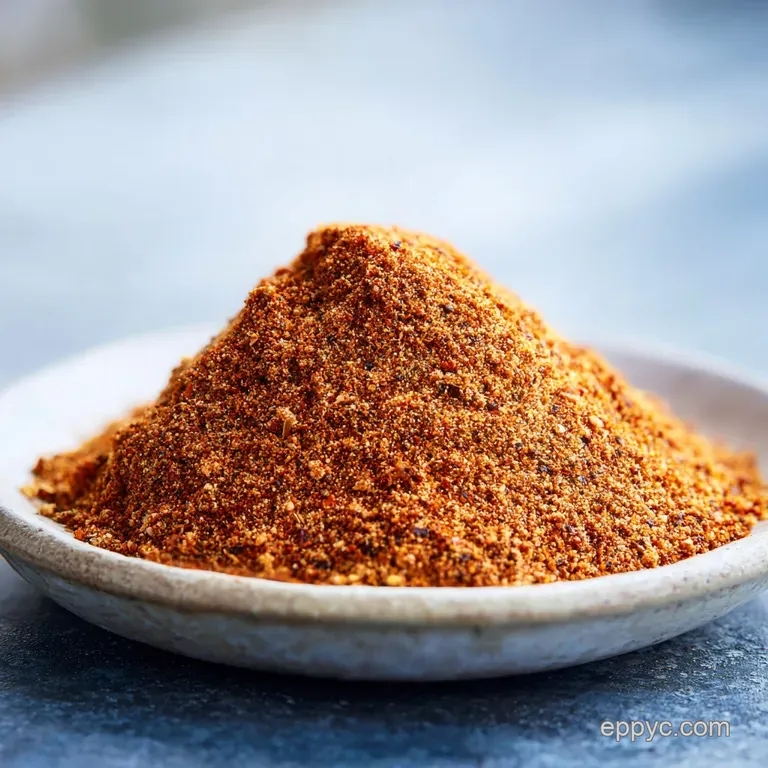
- Time: Active 5 minutes, Passive 0 minutes, Total 5 minutes
- Flavor/Texture Hook: Earthy, vibrant, and velvety
- Perfect for: Fast weeknight dinners or bulk meal prep
- Why I Love Homemade Taco Seasoning
- Flavor Science and Spice Synergy
- Component Analysis and Mixing Logic
- Essential Components and Smart Subs
- Tools for Digital Precision Mixing
- Step-by-Step Spice Blending Guide
- Fixing Common Spice Mix Issues
- Adjusting Ratios for Half Batches
- Customizing Heat and Flavor Profiles
- Storage and Zero Waste Tips
- Creative Uses Beyond Traditional Tacos
- Preparation Timeline and Flow
- Very High in Sodium
- Recipe FAQs
- 📝 Recipe Card
Why I Love Homemade Taco Seasoning
The air in my kitchen usually carries a faint, earthy hum of toasted cumin whenever Tuesday rolls around. I remember the exact moment I swore off those yellow paper packets from the grocery store. I was searing off two pounds of ground beef, tore open the foil, and a cloud of salty, dusty smelling powder hit the pan.
It didn't smell like a fiesta; it smelled like preservatives and stale starch. That was the day I decided to use my digital scale to engineer a better way to season our food.
Right then, I started playing with ratios, realizing that the "authentic" punch comes from high-quality chili powder and a specific hit of smoked paprika. When you make your own homemade taco seasoning, you aren't just mixing spices; you're building a flavor profile that actually respects the meat.
There is a specific satisfaction in seeing those vibrant reds and deep browns swirl together, knowing exactly how much sodium is going into your family's dinner.
Trust me, once you see how the cornstarch interacts with the pan drippets to create a glossy, concentrated glaze, you won't go back. This isn't just about saving a few cents at the register. It is about empowering your kitchen with better ingredients and more intense flavors.
We're going for a blend that provides a punchy kick without the metallic aftertaste of anti caking agents found in industrial mixes.
Flavor Science and Spice Synergy
- Starch Gelatinization: Cornstarch acts as a thickener that binds the rendered fats and added water into a velvety sauce that clings to the protein.
- Capsaicin Solubility: The heat from the red pepper flakes and chili powder dissolves better in fat, which is why we add the mix directly to the shimmering beef fat.
- Hygroscopic Balance: Sea salt draws out moisture from the meat initially, but the dry spices quickly absorb those juices to create a concentrated flavor paste.
- Aromatic Volatility: Grinding the black pepper fresh ensures the volatile oils provide a sharp, woody bite that cuts through the richness of the cumin.
| Method | Prep Time | Flavor Intensity | Control Level |
|---|---|---|---|
| Store Packet | 10 seconds | Muted / Salty | Zero |
| This Recipe | 5 minutes | Vibrant / Earthy | Total |
This comparison highlights that while a packet is slightly faster, the loss in quality is massive. By taking five minutes to measure your own components, you eliminate the fillers and focus purely on the spices that drive the flavor home.
Component Analysis and Mixing Logic
| Ingredient | Science Role | Pro Secret |
|---|---|---|
| Chili Powder | Base Flavor | Use a dark, roasted variety for deeper color. |
| Ground Cumin | Earthy Anchor | Toast the whole seeds before grinding for more oil. |
| Cornstarch | Binding Agent | Prevents the spices from sinking to the pan bottom. |
| Sea Salt | Flavor Enhancer | Use fine grain to ensure it dissolves instantly. |
The interaction between these four pillars creates the structural integrity of the sauce. Without the cornstarch, your tacos end up "soupy," but with it, the seasoning creates a tight, professional looking finish that stays inside the shell.
Essential Components and Smart Subs
- 4 tbsp Chili Powder (32g): The main bulk of the blend. Why this? It provides the characteristic brick red color and mild heat base.
- Substitute: Ancho chili powder for a fruitier, milder profile.
- 1 tbsp Ground Cumin (6g): Provides the essential "taco" aroma. Why this? Cumin is the backbone of Tex Mex earthy flavor notes.
- Substitute: Ground coriander (use half) for a brighter, citrusy vibe.
- 1 tbsp Sea Salt (18g): Essential for protein seasoning. Why this? Sea salt offers a cleaner taste than iodized table salt.
- Substitute: Kosher salt, but increase volume to 1.5 tbsp.
- 1 tbsp Cornstarch (8g): The secret to the sauce. Why this? It emulsifies the fat and water into a thick glaze.
- Substitute: Arrowroot powder for a grain free alternative.
- 2 tsp Smoked Paprika (4g): Adds a subtle campfire depth. Why this? It mimics the flavor of slow cooked, charred meats.
- Substitute: Sweet paprika with a drop of liquid smoke.
- 1 tsp Garlic Powder (3g): Instant savory punch. Why this? Distributes more evenly than fresh garlic in a dry mix.
- Substitute: Granulated garlic for a less dusty texture.
- 1 tsp Onion Powder (3g): Adds sweetness and depth. Why this? Provides the "cooked all day" onion flavor in seconds.
- Substitute: Shallot powder for a more sophisticated, sharp note.
- 1 tsp Dried Oregano (1g): A floral, herbal lift. Why this? Cuts through the heavy, earthy spices with freshness.
- Substitute: Dried marjoram for a sweeter, more delicate herb hit.
- 1/2 tsp Red Pepper Flakes (1g): Controllable heat source. Why this? Allows you to see and adjust the spice level visually.
- Substitute: Cayenne pepper (use 1/4 tsp) for a more intense heat.
- 1/2 tsp Freshly Ground Black Pepper (1g): A sharp finishing bite. Why this? Adds a different dimension of heat than the peppers.
- Substitute: White pepper for a fermented, funky spice note.
Tools for Digital Precision Mixing
While you can certainly eyeball this, I find that using a digital kitchen scale is a total win for consistency. If you're like me and love the technical side of cooking, weighing your spices in grams ensures that every batch tastes exactly like the last one.
You'll also want a small whisk or even a clean glass jar with a tight lid.
For the actual cooking phase, a heavy bottomed skillet is your best friend. Something like a cast iron pan or a stainless steel skillet (I often use my 12 inch All Clad) allows for better heat retention, which is vital for that initial sizzle when the spices hit the rendered fat.
step-by-step Spice Blending Guide
- Calibrate your digital scale or gather your measuring spoons. Note: Precision prevents one spice from dominating the others.
- Measure the 4 tbsp Chili Powder into a medium mixing bowl.
- Add the 1 tbsp Ground Cumin and 1 tbsp Sea Salt.
- Incorporate the 1 tbsp Cornstarch. Note: Sifting this can help avoid tiny white clumps in your sauce.
- Whisk in the 2 tsp Smoked Paprika, 1 tsp Garlic Powder, and 1 tsp Onion Powder.
- Crush the 1 tsp Dried Oregano between your palms as you add it. Continue until the herb oils are fragrant.
- Toss in the 1/2 tsp Red Pepper Flakes and 1/2 tsp Freshly Ground Black Pepper.
- Agitate the mixture thoroughly using a whisk or by shaking the jar. Mix until the color is uniform and dark red.
- Store in an airtight container away from direct sunlight.
- Label the jar with the date. Keep until the aroma begins to fade.
Fixing Common Spice Mix Issues
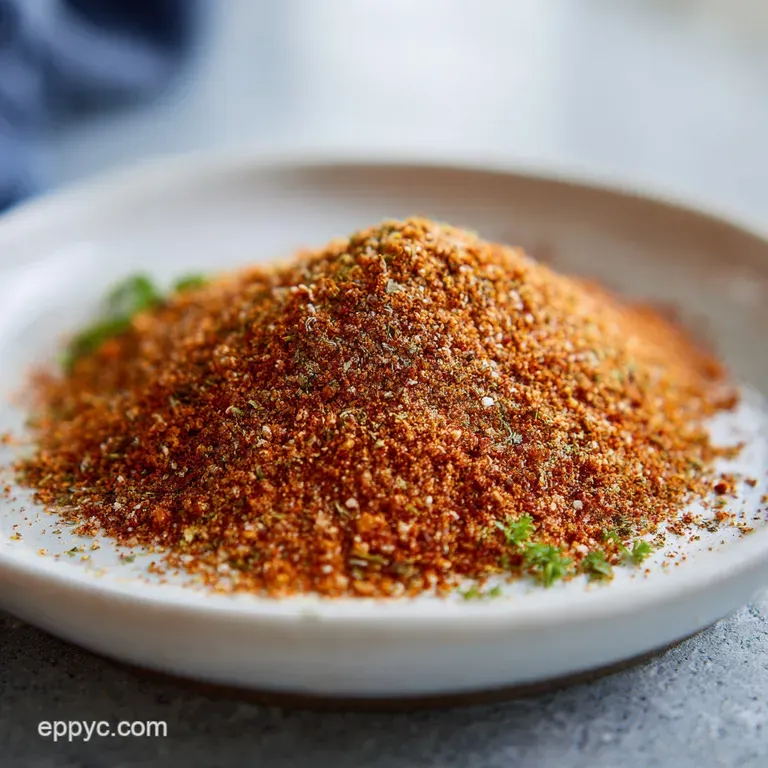
Seasoning Tastes Too Salty
If you accidentally heavy handed the salt or used a fine grain salt when the recipe called for coarse, the mix can become overwhelming. This usually happens because different salt brands have varying crystal sizes.
To fix this, increase the bulk of the other spices specifically the chili powder and cumin to dilute the sodium percentage.
Sauce Is Too Watery
A common frustration is having a pool of liquid at the bottom of the taco shell. This is typically caused by not allowing the cornstarch enough time to hydrate and thicken. You must simmer the meat with a splash of water and the seasoning for at least 3 to 5 minutes to activate the thickening power of the starch.
| Problem | Root Cause | Solution |
|---|---|---|
| Gritty Texture | Spices not bloomed | Sauté spices in fat for 30 seconds before adding water. |
| Bitter Aftertaste | Overheated Paprika | Add a pinch of brown sugar to balance the char. |
| Weak Flavor | Stale Spices | Double the amount used or buy fresh chili powder. |
Common Mistakes Checklist
- ✓ Forgetting to bloom the spices in the meat's rendered fat (reduces flavor depth)
- ✓ Using "chile" powder (pure ground chiles) instead of "chili" powder (a blend)
- ✓ Skipping the cornstarch, which results in a thin, unappetizing liquid
- ✓ Storing the mix in a clear jar on a sunny windowsill (kills the potency)
- ✓ Adding the seasoning to cold meat rather than browned, hot protein
Adjusting Ratios for Half Batches
If you only have a small amount of meat, you can easily scale this down. For a half batch (about 3.5 servings), simply divide everything by two. Since 1/2 of an egg or a tiny fraction of a teaspoon can be annoying, I recommend making the full batch and just using 2 tablespoons per pound of meat.
If you are scaling up for a party, keep the salt and red pepper flakes at 1.5x the original amount first, then taste before adding the full 2x amount to avoid over seasoning.
Customizing Heat and Flavor Profiles
I love a good technical tweak to a recipe. If you want a "chicken focused" version, try reducing the cumin slightly and adding a half teaspoon of dried thyme. It provides a more poultry friendly herbal note that works beautifully with the garlic and onion powders.
For those who want to avoid cumin entirely, increasing the smoked paprika and adding a touch of celery salt can provide that savory depth without the specific earthy aroma of cumin.
If you are looking to branch out into other regional flavors, you might find that the base techniques here are very similar to what I use in my Homemade Enchilada Seasoning recipe. That blend leans heavier on the dried chilies and less on the thickening starch, making it better for long simmered sauces.
Spice Level Adjustments
- Mild: Remove the red pepper flakes and use "Sweet" paprika.
- Extra Hot: Replace red pepper flakes with 1/2 tsp of Habanero powder.
- Smoky: Double the smoked paprika and add 1/2 tsp of ground chipotle.
Storage and Zero Waste Tips
To keep your homemade taco seasoning vibrant, store it in a cool, dark cupboard. Heat and light are the enemies of ground spices; they cause the oils to oxidize and the flavor to turn "dusty." In an airtight glass jar, this mix will stay potent for up to 6 months.
If you find you have half a jar left that's getting a bit old, don't toss it!
Use those "older" spices to season roasted pumpkin seeds or toss them with popcorn and a bit of melted butter. You can also mix a tablespoon into your breadcrumbs for a spicy chicken schnitzel.
If you have leftover onion or garlic peels from other recipes, dehydrate them and grind them into your own powders to use in the next batch for a zero waste kitchen win.
Creative Uses Beyond Traditional Tacos
This blend is incredibly versatile. I often use a tablespoon of it to season the cheese sauce when making a version of my Queens Mac Homemade recipe. It turns a standard mac and cheese into a "taco mac" that the kids absolutely lose their minds over. The cornstarch in the seasoning actually helps stabilize the cheese emulsion too, which is a neat little side effect.
You can also use this as a dry rub for grilled corn. Rub the ears with a little lime juice and butter, then sprinkle the seasoning over the top for an instant street corn vibe. It’s also a fantastic "booster" for store-bought salsa that's lacking a bit of personality.
Just a teaspoon whisked into a jar of mild salsa gives it an immediate smoky, savory lift that tastes much more "from scratch."
Preparation Timeline and Flow
- Prep (0-2 Mins): Measure all dry ingredients into a small bowl using your digital scale for accuracy.
- Combine (2-5 Mins): Whisk the ingredients until the color is a uniform, deep terracotta red with no white streaks of cornstarch.
- Finish (Store/Use): Transfer to an airtight jar or add 2-3 tablespoons directly to 1 lb of browned meat along with 2/3 cup of water.
Chef's Tip: If you want an even more intense flavor, try "toasting" the dry seasoning in a small skillet over medium heat for 60 seconds before adding it to your meat. You'll smell the spices wake up as the oils start to release!
| Serving Size | Spice Amount | Water Needed | Protein Amount |
|---|---|---|---|
| 2 People | 1.5 tbsp | 1/3 cup | 0.5 lb |
| 4 People | 3 tbsp | 2/3 cup | 1 lb |
| 8 People | 6 tbsp | 1.25 cups | 2 lbs |
This breakdown ensures you never have to guess how much to add. The starch to water ratio is the most important part of getting that velvety finish, so try to stick to these liquid measurements for the best results.
Whether you're making a quick Tuesday night dinner or prepping for a massive backyard taco bar, having this blend ready to go is a total digital age kitchen strategy that saves time and maximizes flavor. Give it a shot, and you'll see exactly why the packet is officially a thing of the past in my house!
Very High in Sodium
977 mg mg of sodium per serving (42% of daily value)
The American Heart Association recommends limiting sodium intake to about 2,300mg per day for overall health.
Sodium Reduction Tips for Your Spice Blend
-
Reduce Sea Salt-25%
The primary source of sodium is the sea salt. Reduce the sea salt from 1 tbsp (18g) to 1/2 tbsp (9g). This significantly lowers the sodium content while still providing flavor.
-
Salt Free Substitute-15%
Consider replacing some of the sea salt with a salt free seasoning blend. Look for blends that emphasize herbs and spices to maintain flavor without the added sodium.
-
Enhance Other Flavors-5%
Increase the amount of other spices like smoked paprika, garlic powder, onion powder, or red pepper flakes to compensate for the reduced salt. This will help maintain the overall flavor profile of the blend.
-
Fresh Herbs
While dried oregano is already present, consider adding finely chopped fresh herbs like cilantro or parsley to the final dish where you use this spice blend for a flavor boost without adding any sodium.
Recipe FAQs
How do you make your own taco seasoning?
Measure and whisk chili powder, cumin, salt, cornstarch, smoked paprika, garlic powder, onion powder, oregano, red pepper flakes, and black pepper. The secret is using a 1:1 ratio of chili powder to the combined earthy spices, plus cornstarch to bind the sauce when cooking.
What can I use when I don't have taco seasoning?
Yes, you can improvise with key pantry spices for a quick fix. Combine chili powder, cumin, garlic powder, onion powder, oregano, and salt in equal measure until you hit a flavor you like, omitting the cornstarch for now.
What ingredients are in taco spice mix?
The essential ingredients are chili powder, ground cumin, salt, and cornstarch as a thickener. Other crucial elements include smoked paprika, garlic powder, onion powder, oregano, and a source of heat like cayenne or red pepper flakes.
What are the ingredients in Mccormick taco seasoning mix?
McCormick typically lists chili pepper, salt, sugar, onion, paprika, cumin, and cornstarch as primary components. Commercial mixes often rely heavily on salt and sugar to boost immediate flavor, which is why homemade allows for better control over sodium levels.
Should I toast the spices before mixing them for the best flavor?
Yes, toasting the whole seeds (especially cumin) enhances their aromatic oils significantly. You can toast the whole seeds briefly in a dry pan before grinding, or gently sauté the finished ground blend in the rendered fat for 60 seconds before adding liquid.
Is it true that cornstarch is necessary if I am not making a sauce?
No, cornstarch is not strictly necessary if you are using the blend as a dry rub only. However, skipping it means the flavor won't adhere or glaze the meat well; mastering emulsion is similar to the technique used in our [Classic Macaroni Salad recipe] where binding ingredients ensures a creamy
texture.
How long can I store homemade taco seasoning safely?
Store the mix in an airtight container in a cool, dark place for up to 6 months. Flavor begins to drop off after 6 months because the volatile spice oils oxidize; if the aroma fades, it’s time to refresh your blend.
Homemade Taco Seasoning Mix
Ingredients:
Instructions:
Nutrition Facts:
| Calories | 25 kcal |
|---|---|
| Protein | 0.9 g |
| Fat | 0.9 g |
| Carbs | 4.7 g |
| Fiber | 1.2 g |
| Sugar | 0.4 g |
| Sodium | 977 mg |
