How to Cook Pasta: a Professional Guide
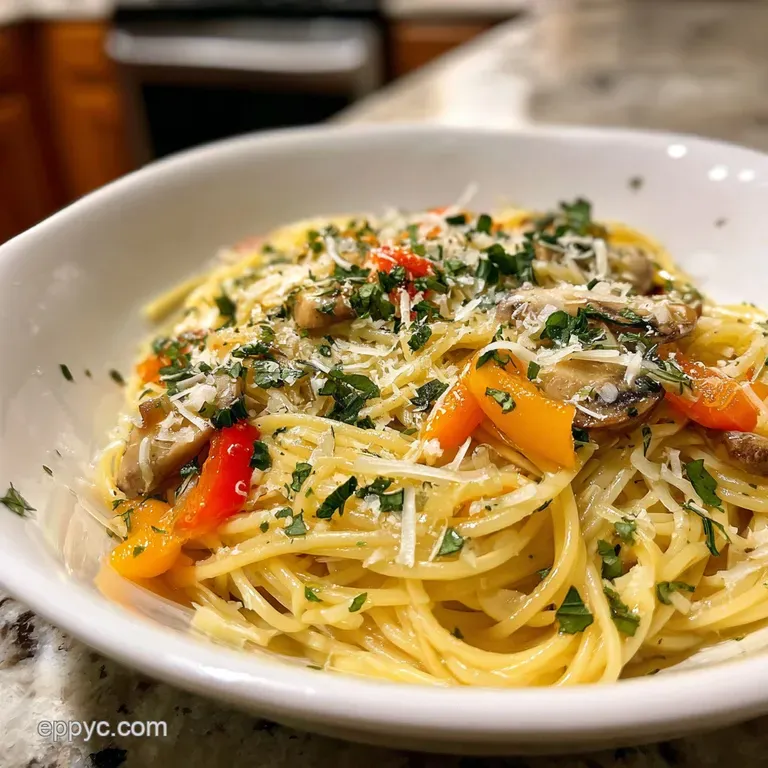
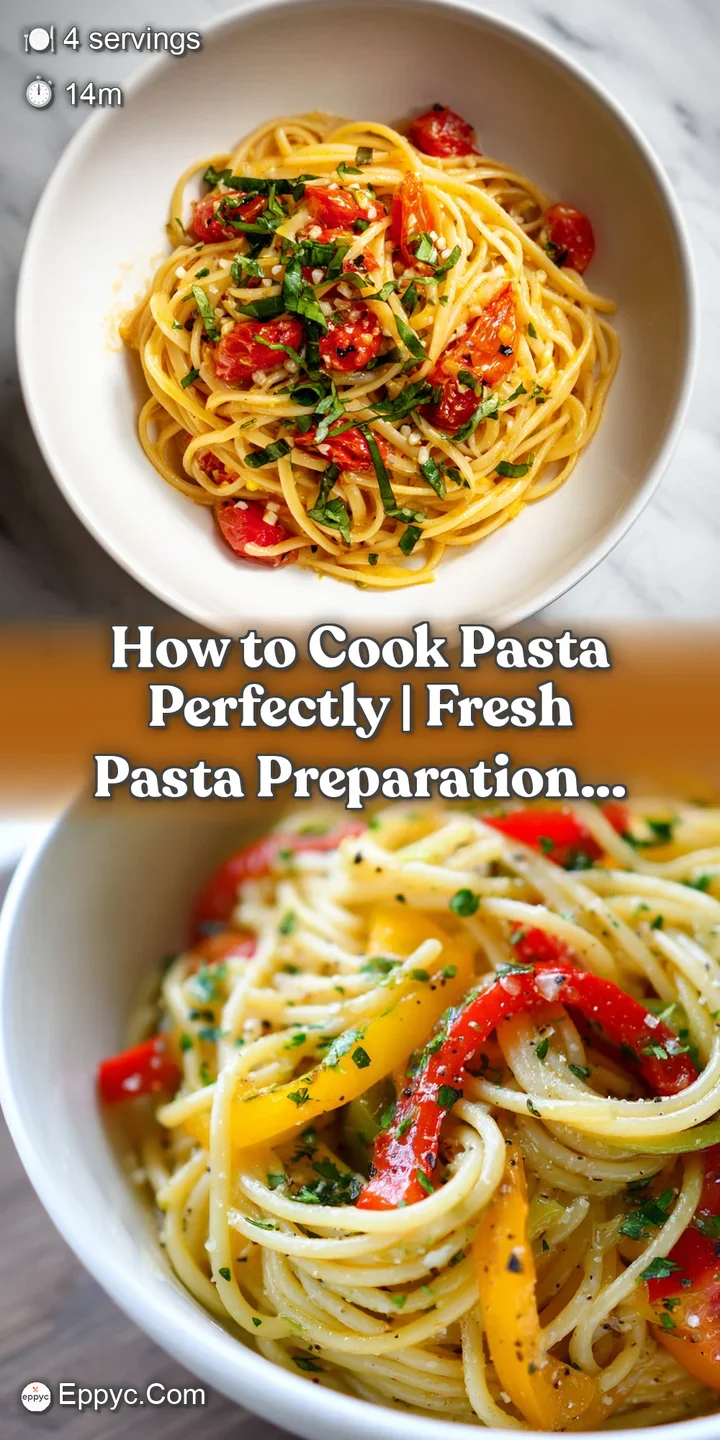
- Time: Active 2 minutes, Passive 12 minutes, Total 14 minutes
- Flavor/Texture Hook: Silky, al dente strands with a seasoned heart
- Perfect for: Busy weeknights where quality and speed must coexist
- The Practical Guide for How to Cook Pasta
- The Hidden Truth About Starch
- The Core Variables of Cooking
- Essential Components for Quality Meals
- Necessary Tools for Home Cooks
- Precise Instructions for Perfect Texture
- Solving Common Noodle Texture Issues
- Innovative Ways to Adapt Meals
- Myths About Boiling Water
- Guidelines for Storing Finished Pasta
- Enhancing Your Dish With Sides
- Very High in Sodium
- Recipe FAQs
- 📝 Recipe Card
The Practical Guide for How to Cook Pasta
Imagine the aggressive sizzle of a pan waiting for its partner, but when you bite into your noodles, they feel like damp cardboard. I remember a Tuesday night when I was so rushed I skipped the salt and didn't wait for a true boil. The result was a gummy, sad mess that even the most expensive sauce couldn't rescue.
It was a heartfelt wake up call that even the simplest tasks deserve our focus and the right digital age precision.
We are going to empower your kitchen routine by treating salt as the hero of this story. It isn't just a seasoning; it's a functional tool that changes how water interacts with wheat. When you get this right, the pasta doesn't just hold the sauce it merges with it.
You'll feel that specific "shatter" of a perfectly cooked exterior giving way to a velvety, firm center.
This isn't about fancy gadgets or hours of labor. It's about a reliable system that respects your time and your ingredients. We're using 500g of dried pasta and a specific ratio of water and salt to ensure every strand is a canvas for flavor.
Let's get into the mechanics of why this works so you can stop guessing and start cooking with total confidence.
The Hidden Truth About Starch
Hydration Control: When pasta hits boiling water, the starch granules on the surface swell and eventually burst. By maintaining a vigorous boil, we keep the noodles in constant motion, preventing them from sticking together into a gelatinous clump.
Osmotic Seasoning: Salt in the water travels into the center of the pasta through osmosis as the noodles hydrate. This ensures the flavor is built into the structure of the pasta itself, rather than just sitting on the outside.
Starch Suspension: As the pasta cooks for 12 minutes, it releases some of its starch into the 4 liters of water. This creates a cloudy liquid that acts as a natural emulsifier, which is the secret technology for a silky sauce.
Protein Network: high-quality pasta made from durum wheat has a strong protein matrix. Heat sets this protein, trapping the starch inside and giving us that sought after al dente bite instead of a mushy texture.
| Method Type | Cook Time | Texture Profile | Best Used For |
|---|---|---|---|
| One Pot Fast | 10 minutes | Softer, starchier | Creamy, heavy sauces |
| Classic Boil | 12 minutes | Firm, distinct | Light oils or marinara |
| Cold Water Start | 15 minutes | Variable results | Small soup shapes |
There's a significant difference between just "getting it done" and using the classic boil method to achieve professional results. While one pot methods save a dish, they often result in a heavier, stickier noodle that lacks the clean finish of the traditional approach.
The Core Variables of Cooking
To really understand the process, we need to look at how these three basic elements interact under heat. It's like a digital algorithm for flavor if one input is wrong, the whole output suffers.
| Ingredient | Science Role | Pro Secret |
|---|---|---|
| 500g Dried Pasta | Structural Base | Durum wheat protein ensures a firm, non mushy "snap" |
| 4 Liters Water | Heat Solvent | High volume prevents temperature drop when pasta is added |
| 30g Kosher Salt | Flavor Catalyst | Opens up the wheat’s natural nuttiness through osmosis |
By using a large volume of water, we ensure that the temperature stays as close to 212°F (100°C) as possible. If you use too little water, the temperature plunges when the cold pasta hits the pot, leading to a longer recovery time and a gummy surface.
Essential Components for Quality Meals
You don't need a pantry full of exotic items to make this work, but the quality of your foundation matters. I always reach for kosher salt because its larger flakes dissolve more predictably than fine table salt.
- 500g Dried Pasta: Why this? Durum semolina provides the best structural integrity and protein content for a firm bite.
- Substitute: Fresh pasta (Note: Reduce cook time to 2-4 minutes).
- 4 Liters Water: Why this? Provides enough space for the pasta to move and prevents the water from becoming too starchy.
- Substitute: Low sodium broth (Adds a deeper savory note to the noodles).
- 30g Kosher Salt: Why this? It seasons the pasta from the inside out and raises the boiling point slightly.
- Substitute: 15g Table salt (Note: Table salt is denser, so use half the volume).
| Original Ingredient | Substitute | Why It Works |
|---|---|---|
| Dried Pasta | Whole Wheat Pasta | Higher fiber content. Note: Needs 2-3 extra minutes and has a grainier texture |
| Kosher Salt | Sea Salt | Similar mineral profile. Note: Use slightly less as grain size varies by brand |
| Tap Water | Filtered Water | Removes chlorine or metallic tastes that can cling to the pasta |
Choosing the right noodle shape is another part of the technology. For a creamy pasta sauce, I love a shape with ridges like rigatoni to catch every drop of liquid.
Necessary Tools for Home Cooks
For this recipe, we are focusing on minimal tools that maximize efficiency. You don't need an expensive pasta cooker or a dedicated insert; a simple, large stockpot is your best friend here.
- Large Stockpot: You need something that can comfortably hold 4 liters of water with at least two inches of headspace to prevent over boiling.
- Long Handled Tongs: Essential for submerged long noodles and for testing a single strand without burning your fingers.
- Colander: Look for one with plenty of holes to ensure the water drains away quickly so the pasta doesn't continue to steam.
- Liquid Measuring Cup: You'll use this to reserve that precious starchy water before you head to the sink.
Chef's Tip: Use a wooden spoon across the top of the pot. The wood breaks the surface tension of the bubbles and prevents the starch foam from spilling over your stove.
Precise Instructions for Perfect Texture
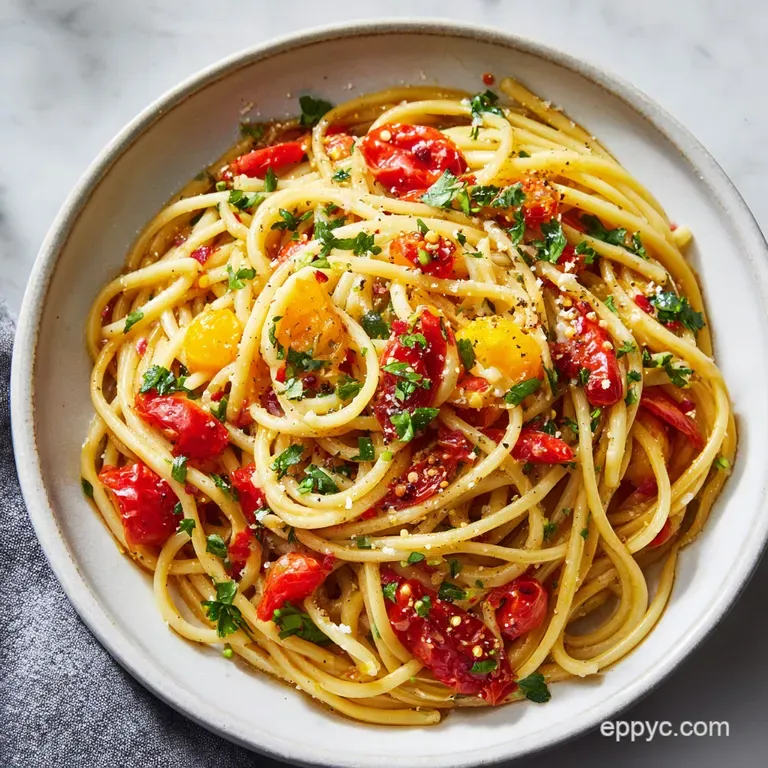
- Fill a large stockpot with 4 liters of cold water and bring to a vigorous, aggressive boil over high heat. Note: Starting with cold water avoids any dissolved minerals from your water heater.
- Add 30g of kosher salt to the boiling water and stir until fully dissolved to season the pasta foundation.
- Add 500g of pasta all at once. For long noodles, allow them to soften for 30 seconds and gently submerge with tongs without breaking.
- Stir the pasta immediately for about 15 seconds to ensure no pieces are sticking to the bottom or each other.
- Maintain a steady boil and cook according to the variety (8-12 minutes), but begin testing for al dente texture 2 minutes before the package suggests.
- Look for the "white dot" in the center of a bitten noodle; you want it to be almost gone but still visible for a true al dente finish.
- Reserve 1 cup of the starchy pasta water before draining to use for sauce emulsification. This liquid is gold for your sauce.
- Drain the pasta in a colander but do not rinse it, as you'll lose the surface starch needed for the sauce to cling.
- Immediately finish cooking in your sauce for 60 seconds to absorb flavors and achieve a velvety coating. Wait until the sauce is glossy and the noodles are perfectly coated.
Solving Common Noodle Texture Issues
Why Your Pasta Is Gummy
If your noodles feel sticky or soft on the outside but raw in the middle, you likely didn't use enough water or failed to stir at the start. The starch released in the first minute needs to be dispersed, or it will act like glue. This often happens if the water wasn't at a full, rolling boil before adding the pasta.
Why Your Pasta Lacks Flavor
Even a great sauce can't save bland pasta. If the noodles themselves taste like nothing, you didn't use enough salt in the water. Remember, most of that salt goes down the drain; only a small percentage actually makes it into the pasta.
| Problem | Root Cause | Solution |
|---|---|---|
| Clumping | Lack of initial stirring | Stir for 15-30 seconds immediately after adding to the pot |
| Excessive Foam | Too much starch, small pot | Use a larger pot or add a teaspoon of butter to break tension |
| Watery Sauce | Not enough pasta water | Add 1/4 cup of reserved starchy water to the sauce and simmer |
Common Mistakes Checklist
- ✓ Never add oil to the water; it creates a slick coating that prevents sauce from sticking.
- ✓ Wait for a "vigorous" boil, not just a few small bubbles, to maintain temperature.
- ✓ Don't break long noodles like spaghetti; let them soften and submerge naturally.
- ✓ Avoid rinsing cooked pasta unless you are making a cold pasta salad.
- ✓ Always reserve your pasta water before you tilt the pot into the colander.
Innovative Ways to Adapt Meals
Scaling this recipe for a larger group or a solo dinner requires a few adjustments to the "algorithm." If you're cutting the recipe in half for two people, use 250g of pasta and 2 liters of water. However, you should keep the salt ratio the same (about 7-8g per liter of water) to maintain the flavor profile.
For large batches (1kg or more), you'll need a much larger pot. When doubling the pasta, don't necessarily double the salt to 60g right away; start with 45g and taste the water. It should taste "like the sea." Also, keep in mind that a massive amount of pasta will drop the water temperature significantly, so use the highest heat setting possible to get it back to a boil quickly.
If you find yourself making a zesty lemon pasta sauce, the acidity in the lemon will highlight the salt, so you might want to be a bit more conservative with the seasoning in the water.
| Method | Time Adjustment | Result | Best For |
|---|---|---|---|
| High Altitude | Add 1-2 minutes | Slower hydration | Mountain cooking |
| over Low heat Simmer | Add 3-5 minutes | Softer, uneven | Not recommended |
| Lid On | Reduce 1 minute | Faster boil recovery | Energy saving |
Myths About Boiling Water
One of the most persistent myths is that adding oil to the water prevents sticking. While it might stop the water from foaming over, it actually ruins the pasta's ability to hold onto sauce. The oil coats the strands, making them slick and causing the sauce to slide right off into the bottom of the bowl.
Another common misconception is that you need to wait until the pasta is completely soft. "Al dente" literally means "to the tooth," implying a slight resistance. If you cook it until it's soft in the pot, it will become mushy the moment you add it to a hot sauce.
Always aim for that slightly undercooked stage to allow for "carry over" cooking.
Finally,, some believe that rinsing pasta in cold water is a must. Unless you're making a cold salad and want to stop the cooking process entirely, rinsing is a mistake. It washes away the starch that helps your sauce emulsify and become velvety.
Guidelines for Storing Finished Pasta
Proper Fridge Storage
If you have leftovers, toss them with a tiny bit of olive oil to prevent them from becoming one giant block of starch. They will stay fresh in an airtight container for up to 3 to 5 days.
When you're ready to eat, a quick 30 second toss in a hot pan with a splash of water will revive the texture better than a microwave ever could.
Freezing and Zero Waste
You can freeze cooked pasta for up to 2 months. Freeze it in a single layer on a baking sheet first so the strands don't stick, then move to a freezer bag. To use, just drop the frozen pasta directly into boiling water for 60 seconds.
For zero waste, if you have very small amounts of leftover noodles, chop them up and throw them into a frittata or a vegetable soup they add great body and heartiness.
Enhancing Your Dish With Sides
Cooking the pasta is only half the battle; how you present it matters just as much. I love to serve this with a simple piece of crusty bread to swipe up any remaining sauce. The texture of a crunchy baguette against the silky pasta is a heartfelt combination that never fails.
For a lighter touch, a crisp green salad with a sharp vinaigrette helps cut through the richness of a starch heavy meal. If you've mastered the pasta cooking time guide, you'll have plenty of time to whisk together a quick dressing while the noodles are doing their thing in the pot.
It’s all about empowering your dinner table with a balance of textures and flavors that make the meal feel complete.
Using these steps ensures that you aren't just making dinner; you're executing a reliable process that guarantees quality. Once you understand the technology of salt, starch, and heat, you'll never look at a box of pasta the same way again.
It’s a simple joy, but getting it right is truly transformative for any home cook.
Very High in Sodium
937 mg 937 mg of sodium per serving (41% 41% of daily value)
The American Heart Association recommends limiting sodium intake to no more than 2,300 mg per day, with an ideal limit of 1,500 mg for most adults.
Tips to Reduce Sodium in Your Pasta
-
Reduce Added Salt-25%
Significantly decrease the amount of salt added to the pasta cooking water. Start by using just 10g instead of 30g.
-
Rinse Pasta-5%
After cooking, briefly rinse the pasta under cold water. This can help remove some of the surface salt absorbed during cooking.
-
Boost Flavor with Herbs and Spices
Instead of salt, use fresh or dried herbs like basil, oregano, garlic powder, onion powder, and black pepper to add vibrant flavors.
-
Use Aromatics
Sauté garlic, onions, or shallots in a little olive oil before adding your pasta to build a complex flavor base without salt.
Recipe FAQs
How do you cook pasta step-by-step?
Fill a large stockpot with 4 liters of cold water, bring to a vigorous boil, add 30g of kosher salt, and stir until dissolved. Add 500g of pasta, submerge long noodles gently after 30 seconds, and cook while testing for al dente 2 minutes before the package timer ends.
Always reserve 1 cup of starchy water before draining, then finish the pasta in your sauce for 60 seconds.
What pasta is good for IBS?
Choose low-FODMAP options like brown rice or quinoa based pasta. These varieties are generally easier on the digestive system compared to traditional wheat based options.
Which is the best pasta for diabetes?
Select high fiber or legume based pastas. These types have a lower glycemic index, which helps prevent sharp spikes in blood sugar compared to standard refined white flour pasta.
What is the best pasta for high cholesterol?
Opt for whole grain or pulse based pastas. The extra fiber helps promote heart health, whereas refined white pasta provides less nutritional benefit for cholesterol management.
Is it true I should add oil to my pasta water to prevent sticking?
No, this is a common misconception. Adding oil creates a slick coating on the noodles that prevents your sauce from properly adhering, which is a key principle if you want to master creamy sauces later.
Should I rinse my pasta after draining?
No, never rinse pasta unless you are specifically preparing a cold dish. Rinsing removes the starches necessary to help your sauce cling to the noodles, resulting in a disconnected and bland meal.
Why is it necessary to save pasta water before draining?
Use the reserved starchy water to emulsify your sauce and create a cohesive texture. This liquid acts as a binder that ensures the sauce coats every strand of pasta perfectly instead of sliding off the plate.
How To Cook Pasta Perfectly
Ingredients:
Instructions:
Nutrition Facts:
| Calories | 464 kcal |
|---|---|
| Protein | 16.3 g |
| Fat | 1.9 g |
| Carbs | 93.8 g |
| Fiber | 3.8 g |
| Sugar | 3.3 g |
| Sodium | 937 mg |
