Chicken Stir Fry: Velvety & Snappy
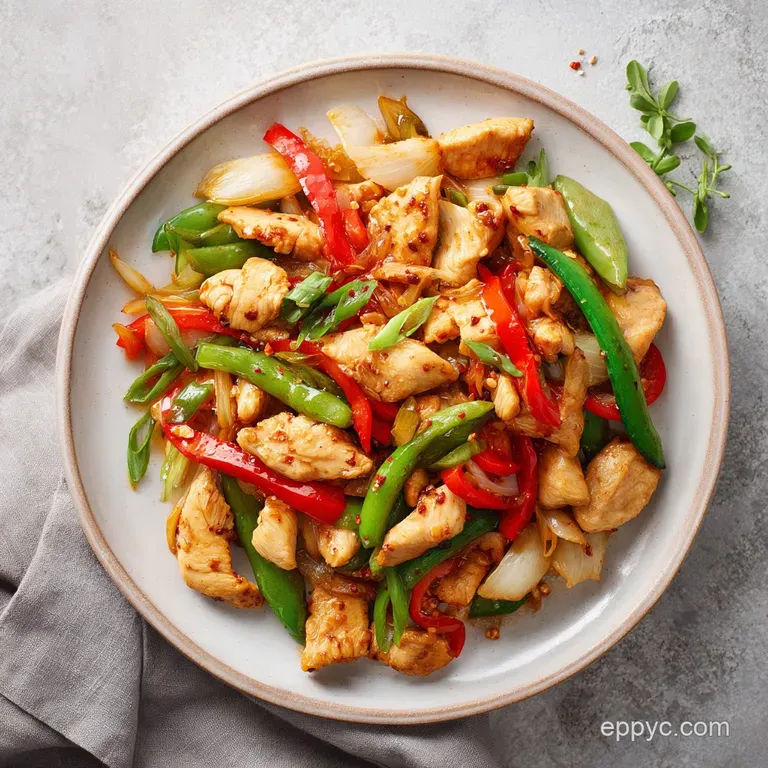
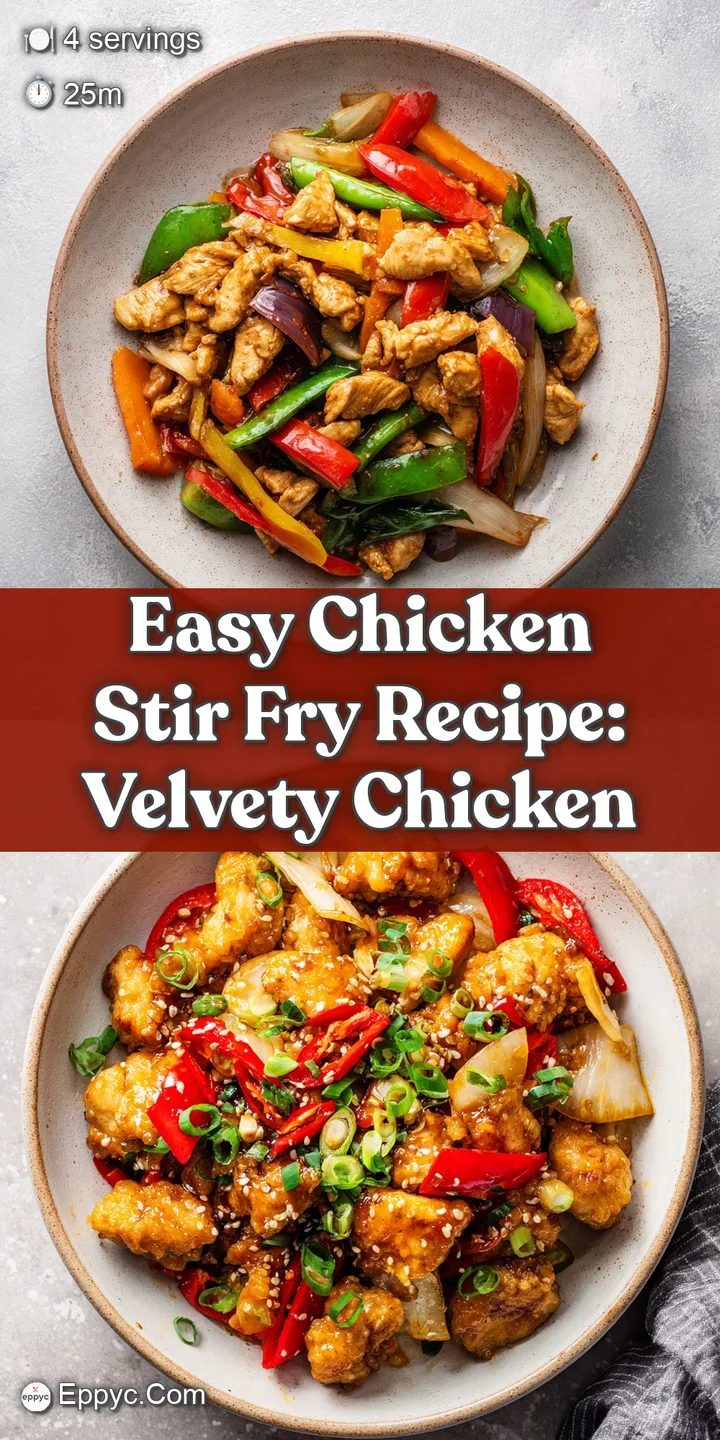
- Time: Active 15 minutes, Passive 10 minutes, Total 25 minutes
- Flavor/Texture Hook: Velvety chicken paired with a snappy vegetable shatter
- Perfect for: Busy weeknights where you need a healthy, high protein meal in under 30 minutes
- The Starch Barrier Science Secret
- Essential Workflow Specifications and Timing
- Building the Perfect Flavor Profile
- Essential Gear for High Heat
- Executing the Multi Phase Cooking Process
- Solving Texture and Sogginess Issues
- Simple Ingredient and Flavor Swaps
- Storage and Zero Waste Strategies
- Perfect Pairings and Serving Suggestions
- High in Sodium
- Recipe FAQs
- 📝 Recipe Card
Close your eyes and listen. That high pitched, aggressive hiss the moment the cold meat hits a screaming hot pan it’s the sound of a great dinner starting. I remember my first attempt at a Chicken Stir Fry; I dumped everything into a lukewarm pan at once, and instead of a sear, I got a grey, watery stew.
It was a total disaster, and I ended up eating rubbery chicken and soggy broccoli that tasted like disappointment.
But I’m a bit obsessed with the "how" of cooking, so I started digging into the digital archives of traditional techniques. I learned that the secret isn't just a hotter pan it's about preparing the meat so it can handle the heat. We're going to use a simple cornstarch coating that changes everything.
It creates a tiny protective barrier that locks in moisture, giving you that silky texture you usually only find at your favorite takeout spot.
We are going to empower your kitchen workflow today. Forget complicated gadgets; we are sticking to the basics but applying them with precision. You’ll see how a few minutes of prep and a specific order of operations turns humble ingredients into a vibrant, restaurant quality meal.
Let’s get that pan heating up and transform your weeknight routine with a dish that's as fast as it is impressive.
The Starch Barrier Science Secret
Starch Gelatinization: The cornstarch in the marinade hydrates and forms a protective gel layer around the meat fibers, shielding them from direct heat. This physical barrier prevents the protein from over tightening and squeezing out its natural juices during the over high heat sear.
Maillard Acceleration: The small amount of honey and soy sauce in the glaze provides the necessary sugars and amino acids for rapid browning at high temperatures. This creates a complex, savory depth in a fraction of the time required for traditional roasting or braising.
Emulsion Stability: Using a combination of chicken broth and cornstarch creates a stable slurry that thickens instantly upon boiling. This results in a cohesive sauce that clings to the ingredients rather than pooling at the bottom of the bowl.
| Thickness | Internal Temp | Rest Time | Visual Cue |
|---|---|---|---|
| 1/4 inch strips | 165°F | 2 minutes | Opaque center with no pink |
| 1/2 inch cubes | 165°F | 3 minutes | Golden edges and firm touch |
| Whole breast | 165°F | 5 minutes | Juices run clear when pierced |
Getting the temperature right is the difference between juicy and dry. Because we are using thin slices, the carryover cooking is minimal, but letting the meat rest for just 2 minutes while you finish the vegetables allows the fibers to relax.
This ensures every bite of your Chicken Stir Fry remains tender rather than tough.
Essential Workflow Specifications and Timing
Before we start tossing things into the pan, we need to talk about the digital precision of stir frying. This isn't a "slow cook" situation where you can walk away. Once the oil starts shimmering, the clock is ticking.
I always tell my friends to treat this like a tech launch you need everything ready to go before you hit "start."
- 1. Meat Thickness
- Exactly 1/4 inch thin strips. This ensures the chicken cooks in under 3 minutes.
- 2. Pan Temperature
- The oil should reach at least 375°F (190°C) before the first piece of chicken touches it.
- 3. Vegetable Volume
- No more than 4 cups of raw vegetables in the pan at once to avoid dropping the temperature too rapidly.
| Feature | Fresh Prep | Shortcut Version | Resulting Quality |
|---|---|---|---|
| Aromatics | Fresh minced garlic/ginger | Jarred paste | Fresh is sharper; paste is milder |
| Vegetables | Hand cut carrots/peppers | Pre cut medley bag | Hand cut is crunchier; bag is faster |
| Sauce | Homemade honey soy | Bottled stir fry sauce | Homemade is customizable; bottle is salty |
Using fresh aromatics is a heartfelt way to add depth, much like the bright citrus notes in my Classic Chicken Piccata Recipe. If you are really in a rush, a high-quality pre cut vegetable mix can save you 10 minutes of prep without sacrificing too much of that signature snap.
Building the Perfect Flavor Profile
The beauty of this Chicken Stir Fry is in the balance of the ingredients. We are going for a mix of textures the snap of the peas, the crunch of the carrots, and the silkiness of the meat. Each component plays a specific role in the final harmony of the dish.
- 1.5 lbs chicken breast, sliced into 1/4 inch thin strips Why this? Lean protein that absorbs the velvet marinade perfectly for a tender bite.
- Substitute: Chicken thighs (sliced thin) for a richer, more forgiving fat content.
- 1 tbsp low sodium soy sauce (for marinade) Why this? Provides the initial salt and umami to the meat's surface.
- Substitute: Tamari for a gluten-free alternative.
- 2 tbsp cornstarch, divided Why this? The key to velveting and thickening the final mahogany sauce.
- Substitute: Arrowroot powder (use same amount).
- 1 tsp toasted sesame oil Why this? Adds a deep, nutty aroma that defines the dish's fragrance.
- Substitute: Peanut oil if you only want the fat, not the flavor.
- 1/2 cup low sodium chicken broth Why this? The liquid base that creates the volume for our glaze.
- Substitute: Vegetable broth or even water in a pinch.
- 1/4 cup low sodium soy sauce (for sauce) Why this? The primary savory backbone of the entire recipe.
- Substitute: Liquid aminos for a soy free ish option.
- 1 tbsp rice vinegar Why this? Essential acidity to cut through the salt and honey sweetness.
- Substitute: Apple cider vinegar.
- 2 tbsp honey Why this? Provides the sugar for caramelization and a glossy finish.
- Substitute: Brown sugar or maple syrup.
- 1 tbsp fresh ginger, grated Why this? Adds a spicy, zingy heat that pre ground ginger lacks.
- Substitute: 1 tsp ground ginger (less vibrant).
- 3 cloves garlic, minced Why this? The fundamental aromatic that builds a savory foundation.
- Substitute: 1 tsp garlic powder.
- 1 tsp chili garlic sauce Why this? A subtle background hum of heat to wake up the palate.
- Substitute: Sriracha or red pepper flakes.
- 2 cups broccoli florets Why this? The "sauce sponge" that adds bulk and essential nutrients.
- Substitute: Cauliflower florets.
- 1 medium red bell pepper, thinly sliced Why this? Adds a pop of color and a mild, sweet crunch.
- Substitute: Any color bell pepper you have on hand.
- 1 cup snap peas Why this? Provides a distinct "shatter" texture when flash fried.
- Substitute: Snow peas or green beans.
- 2 large carrots, julienned Why this? Adds sweetness and a different structural shape to the mix.
- Substitute: Pre shredded matchstick carrots.
- 3 green onions, sliced Why this? Fresh finish that adds a mild onion bite at the end.
- Substitute: Chives or a tiny bit of red onion.
- 2 tbsp neutral high smoke point oil Why this? Prevents burning at the necessary high searing temperatures.
- Substitute: Avocado oil or grapeseed oil.
Essential Gear for High Heat
To empower your cooking, you don't need a thousand dollar setup. A heavy bottomed stainless steel skillet or a well seasoned cast iron pan (like a Lodge) works brilliantly if you don't own a traditional wok. The key technology here is heat retention.
You want a pan that doesn't drop 50 degrees the second you add the chicken.
I also highly recommend using a digital scale for your ingredients. While volume measurements work, weight is more accurate for things like honey and cornstarch. A simple microplane for the ginger and garlic will also save you time and produce a much finer paste, which integrates into the sauce better than chunky hand minced pieces.
Velveting Secrets for Juicy Meat
The velvet marinade is a non negotiable step. By mixing the 1.5 lbs chicken breast with 1 tbsp soy sauce, 1 tbsp cornstarch, and 1 tsp sesame oil, you are creating a microscopic shield. Let it sit for at least 10 minutes.
This allows the soy sauce to penetrate the meat while the starch binds to the exterior. It’s a low tech solution for a high stakes problem: dry breast meat.
Thermal Logic of Batch Cooking
If you overcrowd the pan, you are effectively steaming your food rather than frying it. The thermal energy of the pan gets used up trying to evaporate the moisture from all that cold meat at once. Instead, we cook in phases. Sear the chicken, remove it, then fry the veggies.
This keeps the pan hot and ensures the "sizzle" never stops.
Achieving the Glossy Sauce Finish
The 1 tbsp of cornstarch in the sauce mixture is what creates that iconic mahogany glaze. As the sauce hits the hot pan at the end, the starch granules swell and trap the liquid. This process, called gelatinization, happens at about 175°F.
Within 30 seconds of boiling, you’ll see the sauce turn from cloudy to clear and glossy.
Executing the Multi Phase Cooking Process
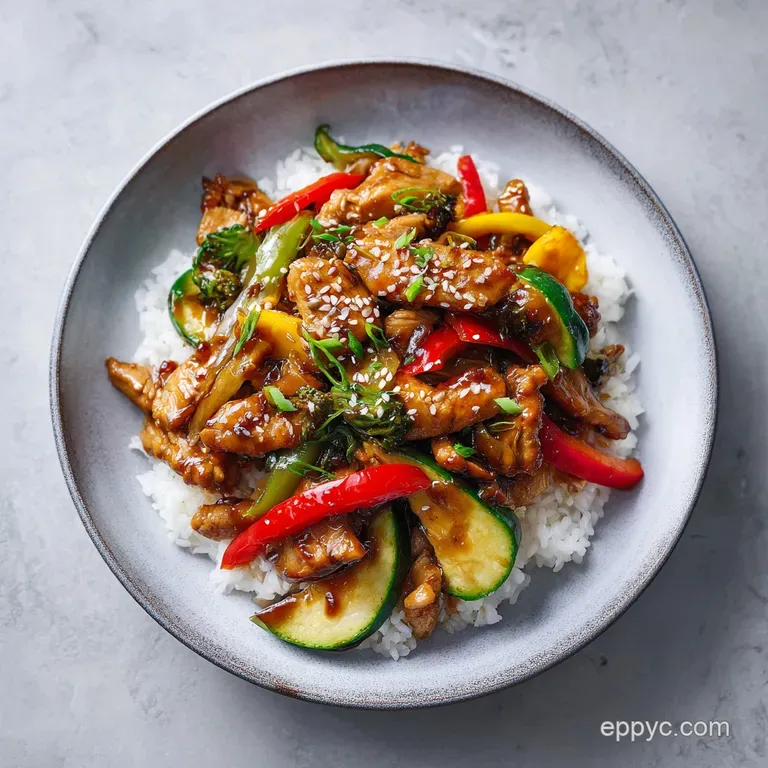
- Marinate the chicken. Combine the sliced chicken with 1 tbsp soy sauce, 1 tbsp cornstarch, and sesame oil in a bowl. Note: This "velveting" step is crucial for moisture retention.
- Whisk the sauce. In a separate digital measuring cup, mix the chicken broth, 1/4 cup soy sauce, rice vinegar, honey, ginger, garlic, chili garlic sauce, and the remaining 1 tbsp cornstarch.
- Heat the pan. Add 1 tbsp of neutral oil to your pan over high heat until it starts to shimmer and show wisps of smoke.
- Sear the chicken. Add the chicken in a single layer and cook for 2-3 minutes until golden brown and no longer pink. Note: Don't move it for the first minute to get a good crust.
- Remove and rest. Transfer the cooked chicken to a plate and set it aside.
- Flash fry the veggies. Add the remaining 1 tbsp of oil to the same pan, then toss in the carrots and broccoli with a splash of water. Cook for 2 minutes until the broccoli turns bright, neon green.
- Add remaining vegetables. Stir in the bell peppers and snap peas, frying for another 2 minutes until slightly softened but still snappy.
- Recombine the components. Return the chicken and any accumulated juices back into the pan with the vegetables.
- Emulsify the sauce. Give the sauce mixture a quick whisk (to redistribute the starch) and pour it over the chicken and veggies.
- Glaze the dish. Toss everything constantly for 1 minute until the sauce thickens and coats everything in a glossy sheen.
- Garnish and serve. Remove from heat and stir in the green onions before serving over rice or noodles.
Solving Texture and Sogginess Issues
Fixing Rubbery Chicken Results
If your chicken feels like an eraser, you likely skipped the velvet step or overcooked it. Once the meat is white and opaque, it is done. Because it's sliced so thin, it only takes a few minutes.
Next time, try using a digital thermometer on a larger piece of the chicken to ensure it hits exactly 165°F.
Correcting Watery Sauce Issues
Watery sauce usually happens if the vegetables release too much moisture or if the cornstarch wasn't mixed well. If your sauce won't thicken, whisk another teaspoon of cornstarch with a tablespoon of cold water (a "slurry") and pour it into the boiling sauce. It should tighten up within seconds.
| Problem | Root Cause | Solution |
|---|---|---|
| Soggy vegetables | Too many veggies in the pan at once | Cook in batches or use a larger pan |
| Burnt garlic | Adding aromatics too early | Add garlic/ginger in the sauce or at the very end |
| Bland flavor | Not enough acidity | Add an extra teaspoon of rice vinegar or a squeeze of lime |
A paragraph here to break up the tables is essential for a smooth reading experience. Always remember that heat is your friend in a stir fry. If the pan isn't hot enough, the vegetables will bleed water instead of searing, leading to that dreaded mushy texture we are trying to avoid.
Common Mistakes Checklist ✓ Pat the chicken strips dry with a paper towel before adding the marinade. ✓ Do not skip the 10 minute marinating time for the chicken. ✓ Ensure the pan is screaming hot; if the oil doesn't shimmer, wait.
✓ Cut all your vegetables to a uniform size for even cooking. ✓ Whisk the sauce one last time right before pouring to incorporate the settled starch.
Simple Ingredient and Flavor Swaps
One of the best things about a stir fry is how adaptable it is to what's in your fridge. If you find yourself without snap peas, use green beans. If you want something that feels a bit more traditional and comforting, like my Grandmas Chicken Pot recipe, you can lean into heavier aromatics like onion and celery.
- Protein Swap: Use thinly sliced flank steak or firm tofu cubes instead of chicken.
- Grain Choice: Serve over jasmine rice, brown rice, or even quinoa for a modern twist.
- Noodle Integration: Toss cooked udon or lo mein noodles directly into the pan during the final sauce phase.
| Original Ingredient | Substitute | Why It Works |
|---|---|---|
| Honey (2 tbsp) | Brown Sugar (2 tbsp) | Provides the same sweetness and caramelization. Note: Slightly less glossy finish |
| Rice Vinegar (1 tbsp) | Lime Juice (1 tbsp) | Provides the necessary acid. Note: Adds a distinct citrus note |
| Snap Peas (1 cup) | Frozen Peas (1 cup) | Adds green color and sweetness. Note: Will not have the "shatter" crunch |
If you want a spicy Szechuan version, double the chili garlic sauce and add a teaspoon of crushed Szechuan peppercorns to the oil before frying the chicken. This creates that signature "numbing" heat that is so addictive.
Storage and Zero Waste Strategies
Storage: This Chicken Stir Fry keeps beautifully in the fridge for up to 4 days in an airtight container. In fact, the flavors often deepen as they sit. To reheat, I suggest a quick zap in the microwave with a damp paper towel over the top to keep the chicken from drying out.
Or, for the best texture, toss it back into a hot skillet for 2 minutes with a teaspoon of water.
Freezing: You can freeze this for up to 2 months, though the vegetables will lose some of their crunch upon thawing. If you plan to freeze it, I recommend slightly undercooking the vegetables so they don't turn to mush when you reheat them.
Zero Waste: Don't throw away those broccoli stems! Peel the tough outer layer, slice the tender inner core into matchsticks, and toss them in with the carrots. They have a wonderful, sweet crunch. Also, if you have leftover sauce, it makes a fantastic marinade for grilled salmon or shrimp the next day.
Perfect Pairings and Serving Suggestions
While a bowl of fluffy jasmine rice is the classic companion, don't be afraid to experiment. If you are looking for a lower carb option, cauliflower rice works surprisingly well because it absorbs that mahogany sauce like a sponge. For a hearty weekend meal, serving this alongside a side of Turkey Dressing Recipe might sound unconventional, but the savory bread can soak up any extra glaze perfectly.
If you are feeling fancy, top the whole dish with toasted sesame seeds and a drizzle of extra chili oil. The crunch of the seeds adds a final layer of texture that bridges the gap between the soft chicken and the snappy vegetables.
Honestly, don't even bother with the low-fat options here; that tiny bit of sesame oil at the end provides the fat soluble flavor delivery that makes the ginger and garlic really sing.
Trust me, once you nail the timing and that velveting technique, you’ll never look at a takeout menu the same way again. You’ve got the technology, the tools, and the workflow now go make something heartfelt and delicious!
High in Sodium
895 mg mg of sodium per serving (39% of daily value)
The American Heart Association recommends limiting sodium intake to about 2,300mg per day.
Tips to Reduce Sodium in this Chicken Stir Fry:
-
Broth Boost-30%
Use no-sodium chicken broth instead of low-sodium. This simple swap can significantly cut down the sodium content.
-
Soy Sauce Swap-20%
Even low-sodium soy sauce contributes significantly to the sodium level. Experiment with using even less, or substitute some of it with coconut aminos, which are naturally lower in sodium.
-
DIY Chili Garlic-15%
Chili garlic sauce often contains a good amount of sodium. Consider making your own chili garlic sauce from scratch to control the sodium levels. You can find many recipes online!
-
Acidic Alternatives-10%
Enhance the flavor with more rice vinegar or a squeeze of lemon or lime juice. Acids can help balance the flavors and reduce the need for sodium.
-
Garlic & Ginger Power-5%
Increase the amount of fresh ginger and garlic in the recipe. These aromatic ingredients can boost the flavor profile and reduce the reliance on sodium.
-
Spice It Up!
Experiment with sodium free herbs and spices such as black pepper, red pepper flakes (if you like heat), garlic powder, onion powder, or dried herbs like oregano and thyme to enhance the flavor.
Recipe FAQs
What is the secret to good stir fry chicken?
Velveting the chicken with cornstarch and oil. This marinade creates a protective barrier that shields the lean protein from high heat, locking in moisture and resulting in a silky, tender texture.
What ingredients for chicken stir fry?
Chicken, soy sauce, cornstarch, ginger, garlic, honey, rice vinegar, broth, and your choice of crisp vegetables. The key is balancing savory umami from the soy sauce with acidity from the vinegar and sweetness from the honey.
How do I make a stir fry?
Sear the marinated chicken in batches in a smoking hot pan, remove it, then flash fry your vegetables until crisp tender. Whisk your sauce mixture until uniform, pour it over everything, and toss until the sauce quickly glazes the ingredients.
What is the secret ingredient in stir fry?
Cornstarch used for velveting the meat and thickening the sauce. This simple starch is the technology that separates a dry, home cooked chicken breast from the restaurant quality, glossy texture you crave.
Why does my stir fry chicken come out rubbery instead of tender?
You are likely overcooking the protein or skipping the velveting step. The meat is done as soon as it reaches an internal temperature of 165°F; because the slices are thin, this happens very fast.
How do I prevent my vegetables from becoming soggy?
Cook the vegetables in high heat batches to promote searing, not steaming. If you overcrowd the pan, the moisture released lowers the temperature rapidly, resulting in mushy texture; use a larger pan or cook in two rounds.
Can I substitute chicken breast for thighs in a stir fry?
Yes, but breast requires the velveting technique more diligently. Thigh meat has more fat and is more forgiving under high heat, similar to the way slow cooking benefits richer cuts, as seen in our How to Make Potpie recipe.
Juicy Chicken Stir Fry Secret
Ingredients:
Instructions:
Nutrition Facts:
| Calories | 388 kcal |
|---|---|
| Protein | 42.1 g |
| Fat | 11.2 g |
| Carbs | 26.4 g |
| Fiber | 3.8 g |
| Sugar | 12.5 g |
| Sodium | 895 mg |
