Mango Truffles: Silky and Tropical
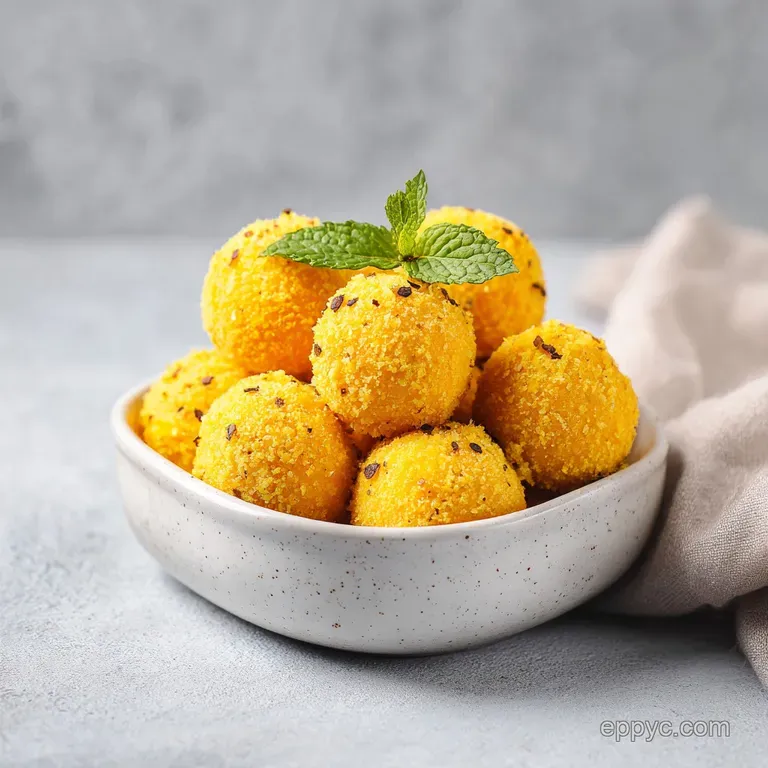
- Time:15 minutes prep + 10 minutes cook + 2 hours chilling = 145 minutes total
- Flavor/Texture Hook: Silky, sun ripened mango with a snow white, tropical coconut shatter
- Perfect for: Garden parties, festive gift boxes, or a quick artistic dessert
- Creating the Perfect No Bake Mango Truffles Recipe
- The Secret to Silky Texture
- Timing and Specs for Success
- The Elements of Tropical Artistry
- Essential Tools for Pristine Sweets
- Step by Step Artistic Execution
- Fixing Common Pastry Mistakes
- Creative Variations for Every Occasion
- Proper Storage and Zero Waste
- Garnish for a Show Stopping Look
- Recipe FAQs
- 📝 Recipe Card
Creating the Perfect No Bake Mango Truffles Recipe
The first time I stood over a pan of bubbling mango pulp, the aroma was so intense it felt like the kitchen had been transported to a tropical orchard. I remember watching the vibrant orange liquid slowly transform into a thick, glossy jam, smelling like concentrated sunshine and honey.
It is a sensory experience that stays with you, especially when you see the final result: bright, jewel like spheres that look like they belong in a high end pastry shop window.
We've all been there where a "no bake" recipe turns into a sticky, unmanageable mess that refuses to hold its shape. I once tried making these without reducing the pulp enough, and let’s just say we ended up eating "mango soup" with spoons. But that mistake taught me the secret to the perfect structure.
This no bake mango truffles recipe isn't just about mixing things together; it’s about a little bit of stovetop artistry that makes all the difference in the final texture.
Today, I want to share how you can create these show stopping treats with just a few ingredients and a bit of patience. They are naturally gluten-free, burst with authentic fruit flavor, and possess a joyful color that lights up any dessert platter.
Whether you are hosting a formal dinner or just want a sweet bite for the weekend, these truffles are a guaranteed way to bring a bit of tropical magic to your table.
The Secret to Silky Texture
The beauty of this recipe lies in how we manipulate the moisture content of the fruit to create a stable, fudge like base. It feels like magic, but it's really just a few simple principles of heat and evaporation working in your favor.
- Moisture Reduction: Simmering the pulp evaporates excess water, leaving behind concentrated sugars and pectin that act as a natural glue.
- Fat Crystallization: The saturated fats in the coconut and condensed milk solidify during the two hour chill, giving the truffles their firm, biteable structure.
- Fiber Reinforcement: Desiccated coconut provides a structural "skeleton" that holds the soft mango paste in a perfect spherical shape.
- Sugar Binding: The condensed milk acts as a humectant, keeping the truffles soft and velvety rather than dry or crumbly.
| Method | Time | Texture | Best For |
|---|---|---|---|
| Fresh Pulp Reduction | 10 mins | Intense, bright, slightly fibrous | Deep, authentic mango flavor |
| Canned Pulp Shortcut | 5 mins | Smooth, consistent, very sweet | Quick prep and uniform color |
| Thickened Puree | 15 mins | Jam like and very stable | Beginners who want easy rolling |
When you choose your mangoes, look for varieties like Alphonso or Kesar if you can find them. They have a lower fiber content and a more vibrant hue, which helps in achieving that professional finish. If you’re interested in how different fruit textures work in desserts, you might find the structure of a simply stunning Apple Tart quite a fascinating comparison to these soft, tropical truffles.
Timing and Specs for Success
Achieving the right consistency is all about watching for specific visual cues during the cooking process. You want to move past the liquid stage and into a territory where the mixture behaves more like a soft dough than a sauce.
| Component | Science Role | Pro Secret |
|---|---|---|
| Mango Pulp (250g) | Primary flavor and pectin base | Reduce until it leaves a trail with a spatula |
| Condensed Milk (150g) | Creamy binder and sweetener | Add at low heat to prevent scorching the sugars |
| Desiccated Coconut (150g) | Structural integrity | Use fine shredded coconut for a smoother mouthfeel |
Don't rush the cooling process once the mixture is cooked. The fats need time to settle before you start rolling, or you'll find the dough sticking to everything but itself. It is a test of patience, but the reward is a truffle that holds its shape beautifully even at room temperature.
The Elements of Tropical Artistry
To create these vibrant treats, you will need a few high-quality ingredients. Each one plays a vital role in both the flavor profile and the final presentation.
- 250g mango pulp: Use fresh pureed mango or a high-quality canned version. Why this? Provides the essential flavor, color, and natural pectin for setting.
- Substitute: Peach or apricot puree (note: will be less tropical and more tart).
- 150g sweetened condensed milk: Provides sweetness and a creamy, fudge like texture. Why this? It acts as a powerful binder that doesn't require extra sugar.
- Substitute: Coconut condensed milk (adds a deeper nutty flavor and makes it dairy-free).
- 150g unsweetened desiccated coconut: Use the fine variety for the base. Why this? It absorbs moisture and provides the necessary body to the truffle.
- Substitute: Almond flour (results in a denser, nuttier truffle with less "chew").
- 0.25 tsp ground cardamom: Adds a sophisticated floral note to the bright fruit. Why this? Cardamom and mango are a classic pairing that adds aromatic depth.
- Substitute: Ground ginger for a spicy, zingy kick.
- 50g desiccated coconut for coating: Reserved specifically for the final finish. Why this? Creates a beautiful snowy contrast against the orange mango center.
- Substitute: Crushed pistachios for a vibrant green color and salty crunch.
Essential Tools for Pristine Sweets
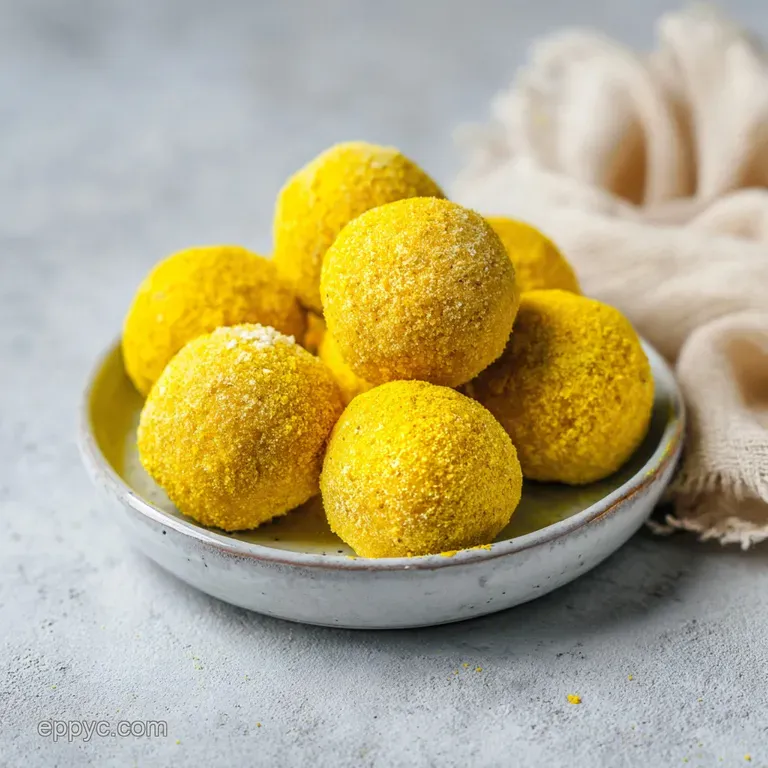
You don't need a pantry full of gadgets, but a few specific items will make your life much easier. A good non stick skillet is non negotiable here because the natural sugars in the mango and the condensed milk love to cling to the pan.
A silicone spatula is also your best friend for this recipe. It allows you to scrape every bit of that precious mango gold from the sides of the pan as it thickens. For the rolling stage, I find a small cookie scoop or a measuring tablespoon helps keep the sizes consistent, which is key if you're planning to present these as a gift or at a party.
step-by-step Artistic Execution
- Reduce the pulp. Place 250g mango pulp in a non stick skillet over medium low heat. Stir constantly for 5–7 minutes until the pulp darkens slightly and thickens to a paste like consistency. Note: Reducing the water content is crucial for a firm set later.
- Lower the heat. Turn the stove to the minimum setting to prevent the sugars from burning.
- Combine the base. Add 150g sweetened condensed milk and 150g of desiccated coconut along with 0.25 tsp ground cardamom.
- Fold the dough. Fold the mixture continuously for 3–4 minutes until it pulls away from the sides and forms a soft dough ball.
- Cool the mixture. Transfer the dough to a clean plate. Allow it to cool until safe to handle but still warm to the touch.
- Prepare your hands. Grease your palms with a tiny touch of ghee or neutral oil to prevent sticking.
- Form the spheres. Scoop one tablespoon of the mixture and roll it between your palms to create a smooth, crack free sphere. Repeat for all 15 truffles.
- Apply the coating. Immediately roll the warm spheres in the remaining 50g of desiccated coconut until fully coated and snowy in appearance.
- Set the structure. Place the finished truffles on a tray and chill for 2 hours until the fats have crystallized and the texture is firm.
Fixing Common Pastry Mistakes
Even the simplest recipes can have their quirks. If things aren't looking quite right, don't panic most issues with this mango truffles recipe can be fixed with a little extra heat or a few minutes of patience.
Handling Sticky Mango Dough
If the mixture feels more like a jam than a dough after it has cooled, it usually means there was still too much water left in the mango. You can return the mixture to the pan on very low heat and stir for another 2-3 minutes to cook off that extra moisture.
Correcting a Grainy Finish
Sometimes the coconut can feel a bit too coarse. If you prefer a smoother, more "melt in-your mouth" texture, you can pulse your desiccated coconut in a blender for 5 seconds before adding it to the pan. This breaks down the fibers while keeping the structure.
| Problem | Root Cause | Solution |
|---|---|---|
| Mixture is too runny | Under reduced mango pulp | Simmer longer until it forms a cohesive ball |
| Truffles are cracking | Dough cooled down too much | Microwave for 10 seconds to soften the fats |
| Coating won't stick | Truffles are too cold or dry | Lightly mist with water or roll while still warm |
Common Mistakes Checklist
- ✓ Ensure the skillet is non stick to prevent the sugars from caramelizing too quickly.
- ✓ Keep the heat low once the condensed milk is added to avoid a grainy, curdled texture.
- ✓ Roll the truffles while they are still slightly warm so the coating adheres perfectly.
- ✓ Do not skip the 2 hour chill; this is when the "fudge" magic actually happens.
- ✓ Pat the mango pulp dry with a paper towel if using fresh fruit pieces before pureeing.
Creative Variations for Every Occasion
While the classic mango and coconut pairing is hard to beat, there are plenty of ways to play with this base. If you want something even more indulgent, you could experiment with adding a dollop of creamy Dulce de Leche in the center of each truffle for a hidden caramel surprise.
When scaling this recipe up for a big event, remember that you don't need to double everything exactly. For a 2x batch (30 truffles), increase the mango and coconut as expected, but only use 1.5x the cardamom to prevent the spice from overpowering the delicate fruit.
If you’re scaling down for a solo treat, it’s easiest to use a small pan to ensure the pulp doesn't evaporate too quickly and burn.
For a vegan version, swap the condensed milk for a coconut based alternative. The fat content is very similar, so the set will be just as satisfying. You can also add a pinch of chili powder or lime zest to the coconut coating if you want to lean into a more "Mexican street food" flavor profile the heat against the sweet mango is absolutely incredible.
Proper Storage and Zero Waste
These truffles are quite hardy, but they do best when kept away from heat. Store them in an airtight container in the refrigerator for up to 7 days. If you want to keep them longer, they freeze beautifully for up to 2 months.
Just make sure to thaw them in the fridge for an hour before serving so they regain that velvety texture.
Don't let any leftover ingredients go to waste! If you have a bit of extra mango pulp, it makes a fantastic topping for yogurt or oatmeal. Any leftover toasted coconut can be tossed into a granola mix or used to garnish a salad for a bit of unexpected tropical crunch.
If you find yourself with extra condensed milk, it keeps for a week in a jar and is the perfect sweetener for your morning coffee.
Garnish for a Show Stopping Look
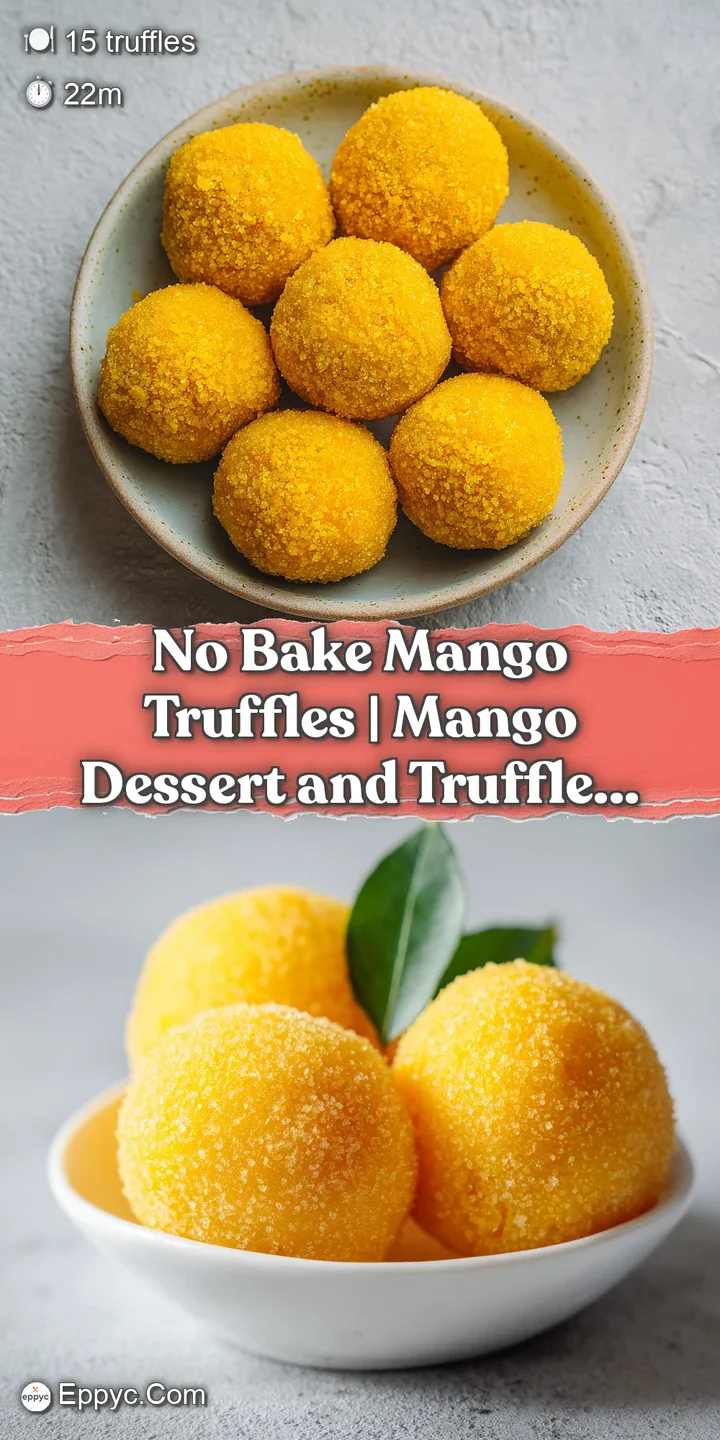
The final presentation is where you can truly show off your artistic side. While a simple roll in coconut is classic, placing each truffle in a small gold or white paper liner instantly makes them look like professional confectionery.
I love to top each one with a single sliver of bright green pistachio or a tiny piece of dried mango for a pop of color.
For a truly joyful display, arrange them on a dark slate board or a white ceramic platter. The contrast of the white coconut against a dark background makes the orange center look even more vibrant when someone takes that first bite.
If you’re feeling extra fancy, a very light dusting of edible gold leaf or a few dried rose petals can transform these simple no bake treats into a centerpiece worthy of any celebration. Trust me, the gasps of delight when you bring these out are worth every minute of stirring at the stove!
Recipe FAQs
What are the 3 main ingredients for making these mango truffles?
The primary ingredients are mango pulp, sweetened condensed milk, and desiccated coconut. These three items form the base of the truffle, with a hint of cardamom added for flavor.
Can I make these mango truffles without fresh mango?
Yes, you can use canned mango pulp as a convenient substitute. Just ensure the pulp is pureed to a smooth consistency before adding it to the skillet to maintain the correct texture.
Why are my mango truffles not firm enough to roll?
You likely did not cook the mixture long enough or used an excess of condensed milk. If you enjoyed mastering the reduction technique here, see how the same principle works in our silky crumb cake recipe to manage moisture levels.
What are the common truffle mistakes?
The most common errors are failing to reduce the mango pulp sufficiently and not chilling the finished spheres. If the pulp is not reduced to a paste like consistency, the truffles will lack the structure needed to hold their shape.
How do you make a mango dessert using condensed milk?
Combine mango pulp and condensed milk in a skillet over medium low heat. Stir constantly until the mixture thickens, add the coconut, fold until it forms a soft dough, then roll into spheres once cooled and chill for two hours.
What should I roll my truffles in?
Roll the warm spheres in fresh desiccated coconut. Rolling them while they are still slightly warm helps the coconut adhere perfectly to the surface for a clean, professional finish.
What can I do with a bunch of mangos?
Turn your surplus fruit into mango pulp for these truffles. Simply peel and blend the flesh until smooth, then proceed with the reduction steps to create a long lasting, delicious confection.
No Bake Mango Truffles
Ingredients:
Instructions:
Nutrition Facts:
| Calories | 131 kcal |
|---|---|
| Protein | 1.9 g |
| Fat | 9.5 g |
| Carbs | 11.4 g |
| Fiber | 2.4 g |
| Sugar | 8.7 g |
| Sodium | 24 mg |
