No-Bake Chocolate Peanut Butter Protein Ball Snack
- Time: Active 10 minutes, Passive 20 minutes, Total 30 minutes
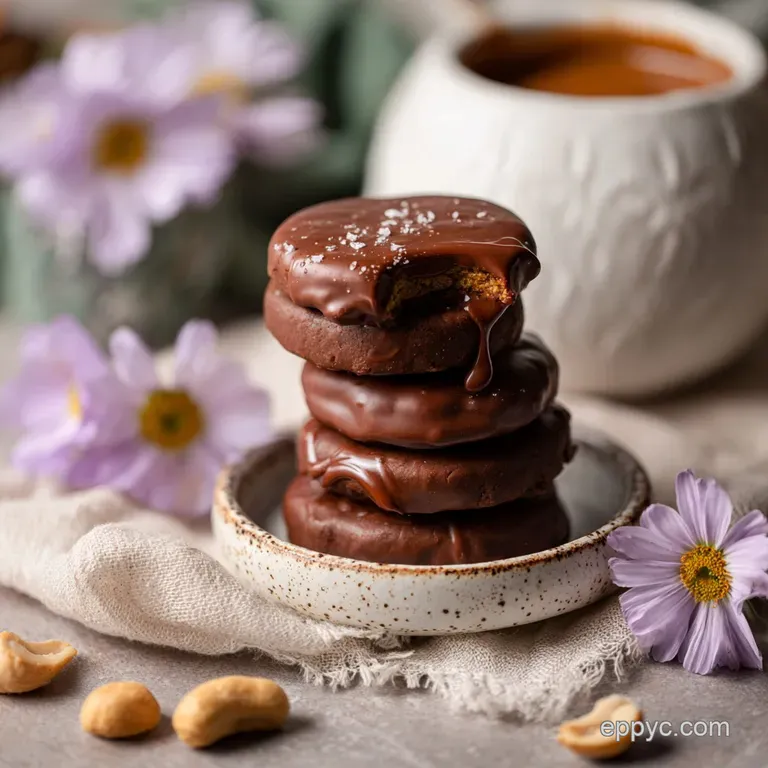
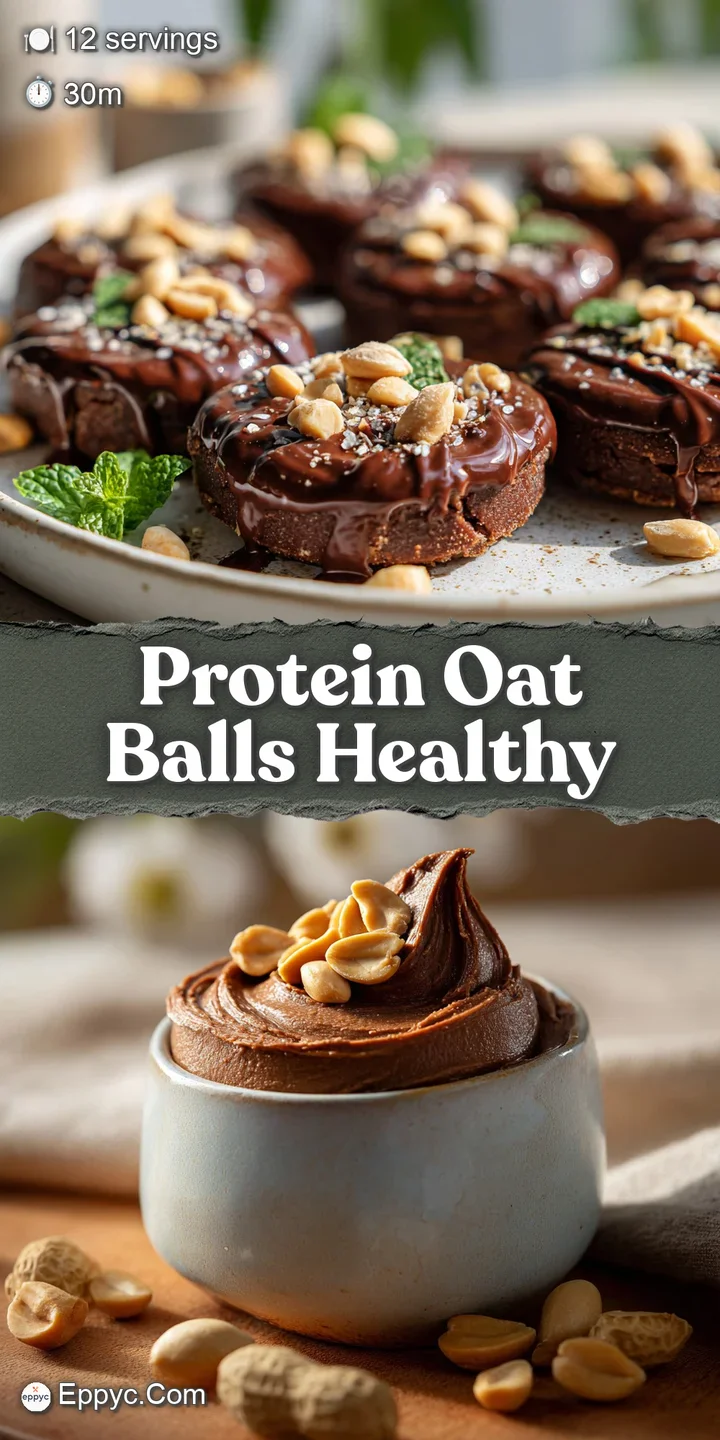
- Flavor/Texture Hook: Fudgy, velvety chocolate with a chewy oat finish
- Perfect for: Post workout fuel, mid afternoon energy slumps, or meal prep
- No Bake Chocolate Peanut Butter Protein Ball Healthy 4 Ingredient Snack
- Reasons You Will Love This Snack
- The Science of Why it Works
- Essential Metrics For Success
- Essential Pantry Staples And Substitutes
- Minimal Tools For Busy Cooks
- Step By Step Assembly Guide
- Fixing Common Texture Problems
- Creative Flavor Variations To Try
- Smart Storage And Prep Tips
- Perfect Pairing And Serving Ideas
- Recipe FAQs
- 📝 Recipe Card
Imagine biting into something that tastes like a decadent truffle but actually fuels your afternoon. You know that mid day slump where you just need something sweet but don't want the sugar crash? This article unveils the ultimate recipe for a no bake, healthy, 4 ingredient chocolate peanut butter protein ball snack.
It is a heartfelt solution for anyone who needs a quick win in the kitchen without pulling out every gadget they own.
I've tried so many versions of these that turned into dry, crumbly messes. After experimenting with ratios, I realized the secret isn't more ingredients - it's the technology of how they bond. We are looking for a specific texture that stays firm at room temperature but melts the moment you take a bite.
Right then, let's get into how we empower your snacking routine. This isn't just a mix and dump situation, though it's nearly that easy. We are using digital precision in our measurements to ensure every ball has the same macronutrient profile and satisfying "snap" when cold.
Trust me on this, once you see how these come together in 10 minutes, you'll never buy the processed store-bought versions again.
No Bake Chocolate Peanut Butter Protein Ball Healthy 4 Ingredient Snack
Reasons You Will Love This Snack
The beauty of this 4 Ingredient Snack lies in its simplicity and the way it utilizes pantry staples. We are skipping the expensive, chalky powders and focusing on whole food sources for energy. It's a reliable method that works every single time, provided you use a digital scale for your 125g of peanut butter.
The Science of Why it Works
Emulsification Stability: The natural fats in the peanut butter bind with the sugars in the maple syrup to create a tacky, stable matrix. Hygroscopic Absorption: The oats act as tiny sponges, pulling moisture from the syrup to soften while providing a structural skeleton that prevents the balls from flattening.
- No Bake Chocolate Peanut: The cocoa and peanut butter create a rich, dense flavor profile without the need for heat.
- Heartfelt Fuel: Using raw honey or maple syrup provides a more complex sugar profile than white sugar.
- Digital Accuracy: We measure by weight to ensure the oats don't overwhelm the fats.
- Empower Your Routine: These are portable, stable, and require zero oven time.
Chef's Tip: Freeze your peanut butter for 10 minutes before measuring if it's a very runny, natural brand. This makes it much easier to handle and prevents the mixture from becoming a liquid soup.
Essential Metrics For Success
Getting the texture right requires hitting a few specific numeric targets. I recommend checking your progress against these three checkpoints to ensure your protein balls have that velvety finish rather than a dry, sandy bite.
| Metric Type | Precision Target | Purpose |
|---|---|---|
| Ingredient Weight | 125g Peanut Butter | Ensures the fat to fiber ratio is balanced |
| Chilling Time | 20 minutes | Allows the oats to hydrate and the fats to set |
| Portion Size | 30mm Diameter | Creates the ideal surface area for the fudgy texture |
Even though we aren't baking these, sometimes I like to use a bit of heat to change the flavor profile of the oats. Here is a quick look at how a little heat tech can change your result.
| Method | Texture Result | Flavor Profile |
|---|---|---|
| Raw Mix (Standard) | Chewy and soft | Fresh oat, bright peanut |
| Toasted Oats (Oven) | Nutty and firm | Deeply roasted, earthy |
| Melted Base (Stovetop) | Silky and smooth | Integrated chocolate, mild |
I often use the raw mix method when I'm in a rush, but if you have an extra 5 minutes, toasting the oats in a dry pan on the stovetop adds a wonderful depth. It's similar to how I suggest toasting grains in my How to Bake recipe for extra crunch.
Essential Pantry Staples And Substitutes
We are keeping the list short to empower your cooking without a massive grocery bill. Each component serves a specific structural purpose.
- Natural Creamy Peanut Butter (125g): This is our primary fat source. Why this? Provides the creamy base and essential healthy fats for binding.
- Pure Maple Syrup or Raw Honey (78g): Our liquid sweetener. Why this? The viscosity helps hold the oats and cocoa powder together.
- Unsweetened Cocoa Powder (25g): The flavor core. Why this? Adds deep chocolate notes without extra refined sugar.
- Quick Cooking Oats (90g): The structural element. Why this? Smaller flakes absorb moisture faster than old-fashioned rolled oats.
The Binding Base
The relationship between the 125g of peanut butter and the 78g of syrup is the most important part of this healthy 4 ingredient snack. If your peanut butter is the "no stir" kind with added oils, you might find the balls stay softer. I prefer the natural stuff where the only ingredients are peanuts and salt.
The Flavor & Structure
Cocoa powder provides a "dry" hit that balances the oil in the nuts. Without it, you just have sweet peanut butter. The oats provide the bite, turning a paste into a portable snack. If you want a more intense chocolate experience, you could always serve these alongside a cup made from my Homemade Hot Chocolate Mix recipe.
| Ingredient | Science Role | Pro Secret |
|---|---|---|
| Peanut Butter | Lipid Matrix | Use "drippy" natural PB for easier mixing |
| Cocoa Powder | Solid Suspension | Sift it to prevent bitter chocolate clumps |
| Quick Oats | Structural Fiber | Pulse in a blender for 2 seconds for a smoother ball |
Minimal Tools For Busy Cooks
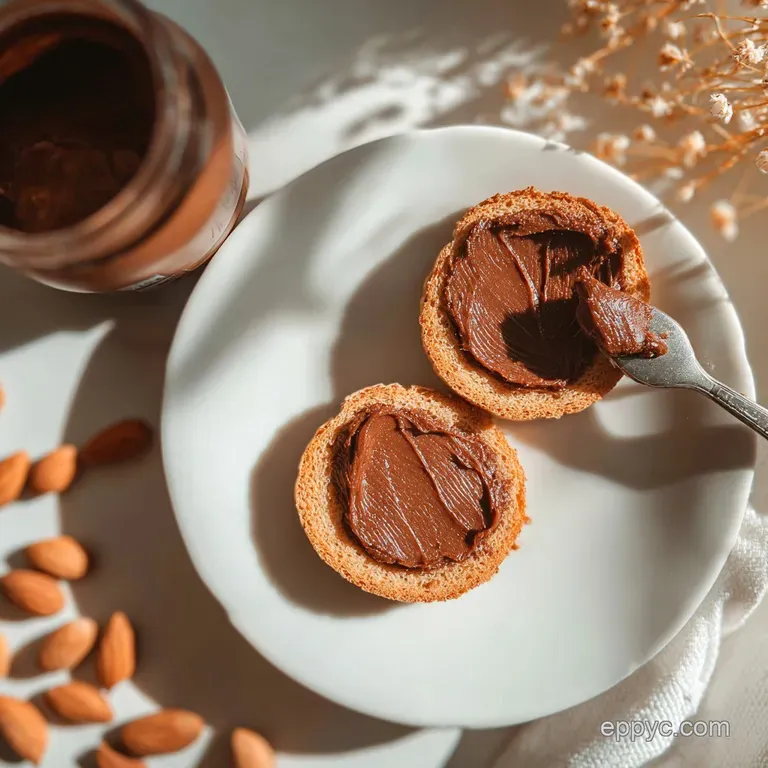
Technology in the kitchen doesn't always mean fancy gadgets. For this recipe, the most important tool is a digital scale. Measuring 125g of sticky peanut butter in a measuring cup is a nightmare, but taring a bowl on a scale is effortless.
You will also need a medium mixing bowl and a sturdy spatula. Avoid using a whisk, as the thick batter will just get stuck inside the wires. A silicone spatula allows you to scrape every bit of chocolatey goodness from the sides.
Finally, a small cookie scoop (about 1 tablespoon size) helps keep your portions consistent.
step-by-step Assembly Guide
- Measure the peanut butter. Place your bowl on a digital scale and add 125g of creamy peanut butter. Note: Accuracy here prevents the balls from being too oily.
- Add the sweetener. Pour in 78g of maple syrup or honey.
- Incorporate the cocoa. Add 25g of cocoa powder until the mixture looks like a dark, glossy paste.
- Fold in the oats. Stir in 90g of quick cooking oats. Note: Use a folding motion to ensure every oat is coated.
- Check the consistency. The dough should be thick and slightly tacky but not stick to your fingers.
- Chill the dough. Put the bowl in the fridge for 20 minutes until the mixture feels firm and holdable.
- Portion the balls. Use a scoop to create 12 even mounds.
- Roll and shape. Use your palms to roll each mound until it forms a smooth, 30mm sphere.
- Set the texture. Place the balls on a tray and refrigerate for another 10 minutes to finish setting.
Chef's Tip: Wet your hands slightly with cold water before rolling. This prevents the chocolate oils from sticking to your skin and keeps the surface of the protein balls perfectly smooth.
Fixing Common Texture Problems
Even with a simple recipe, things can go sideways. Usually, it's down to the moisture content of your specific brand of peanut butter.
If the Mix is Too Crumbly
If your balls are falling apart as you roll them, the mixture is too dry. This often happens if you use the bottom of the peanut butter jar where it's more solid. Add maple syrup one teaspoon at a time until it holds together.
If the Mix is Too Sticky
When the dough sticks to everything and won't hold a round shape, it's too wet. This is common with very runny, "drippy" nut butters. Add a tablespoon of extra oats or a teaspoon of cocoa powder to soak up the excess oil.
| Problem | Root Cause | Solution |
|---|---|---|
| Grainy texture | Un sifted cocoa powder | Sift cocoa or mix longer to dissolve clumps |
| Balls go flat | Peanut butter was too warm | Chill dough for 30 mins before rolling |
| Too sweet | Too much syrup | Add a pinch of sea salt to balance |
Creative Flavor Variations To Try
Once you've mastered the basic 4 Ingredient Snack, you can start experimenting with the "digital" add ons. It's easy to swap things out as long as you keep the ratios similar.
For a Nut Free Alternative
You can replace the 125g of peanut butter with sunflower seed butter. It has a slightly earthier taste but works perfectly for school lunches. Just be aware that sunflower butter can sometimes react with baking soda (not used here, but good to know!) and turn green, though in a no bake recipe, it stays perfectly brown.
For a Decadent Crunch
If you aren't worried about keeping it strictly to four ingredients, adding 20g of cacao nibs or mini chocolate chips provides a "shatter" texture that contrasts beautifully with the velvety base.
| Original Ingredient | Substitute | Why It Works |
|---|---|---|
| Peanut Butter (125g) | Almond Butter (125g) | Similar fat content. Note: Gives a more subtle, toasted flavor. |
| Maple Syrup (78g) | Agave Nectar (78g) | Same viscosity. Note: Slightly sweeter, so use 10% less if sensitive. |
| Quick Oats (90g) | Desiccated Coconut (60g) | High fiber. Note: Will be much softer; best kept in the freezer. |
Decision Shortcut
- If you want a fudgy texture, use honey and slightly less oats.
- If you want a protein boost, swap 15g of cocoa for chocolate protein powder.
- If you want low calorie, use a powdered peanut butter reconstituted with less water.
Smart Storage And Prep Tips
These are the ultimate meal prep item because they actually get better after a day in the fridge. The oats have more time to soften and the flavors meld into a singular, heartfelt chocolate experience.
Storage: Keep them in an airtight container in the fridge for up to 7 days. If you leave them out on the counter, they will soften but won't spoil quickly. However, the texture is best when cold.
Freezing: These freeze beautifully! Put them on a baking sheet to freeze individually for an hour, then toss them into a freezer bag. They will last for 3 months. You can even eat them straight from the freezer for a firm, candy like treat.
Zero Waste: If you have crumbs at the bottom of the bowl or some balls that didn't roll perfectly, don't throw them away. Crumble them over Greek yogurt or a bowl of oatmeal. It’s like having a chocolate peanut butter granola topper.
Perfect Pairing And Serving Ideas
While these are great on their own, I love finding ways to integrate them into a full "energy technology" routine. They are small but mighty, so a little goes a long way.
The Morning Power Pair
If you're heading out for a run or a gym session, two of these balls and a black coffee are a perfect match. The caffeine helps mobilization of fats, and the simple carbs in the honey provide immediate fuel.
The "Better Than store-bought" Comparison
The biggest myth is that you need "protein powder" to make a protein ball. Many people think "real" protein balls must have whey or soy isolate. That's simply not true. Between the peanut butter and the oats, you are getting 4.0g of protein per ball without any processed additives.
Another myth is that you need a food processor. Honestly, for this specific recipe, a food processor often over processes the oats into a paste, losing the texture we want. A simple bowl and spoon are actually the superior tools here. Empower yourself to keep it simple!
Right then, you're all set. Grab your scale, measure out that peanut butter, and enjoy a snack that actually works as hard as you do. Let me know how yours turn out!
Recipe FAQs
What is the primary binding agent in these protein balls?
The natural fats in peanut butter and the sweetness of maple syrup or honey. These ingredients create a tacky matrix that holds the oats and cocoa together, forming the structure without baking.
How do I prevent the protein balls from being too dry and crumbly?
Ensure your peanut butter isn't too solid or separated. If your natural peanut butter is very stiff, add maple syrup one teaspoon at a time until the mixture holds together when pressed.
My mixture is too sticky, what should I do?
Add a little more dry ingredient to absorb excess moisture. Stir in an extra tablespoon of quick cooking oats or a teaspoon of cocoa powder to thicken the dough until it's manageable.
Can I substitute the peanut butter with another nut or seed butter?
Yes, almond butter or sunflower seed butter work well. These offer a similar fat content for binding; almond butter provides a toasted flavor, while sunflower seed butter is a great nut-free option.
How long do these protein balls last and how should I store them?
Store in an airtight container in the fridge for up to 7 days. They actually improve in flavor and texture when chilled, as the oats soften and flavors meld.
Do I really need a digital scale to make these?
Yes, using a digital scale for the peanut butter is highly recommended. Measuring sticky ingredients by weight on a scale ensures the correct fat-to-fiber ratio, which is crucial for the right texture and prevents overly oily balls.
Is it true that I absolutely need protein powder for "protein balls"?
No, this is a common misconception. This recipe gets its protein from the peanut butter and oats, offering about 4.0g per ball without any processed protein powders, demonstrating that whole foods can provide ample protein.
No Bake Protein Balls
Ingredients:
Instructions:
Nutrition Facts:
| Calories | 111 kcal |
|---|---|
| Protein | 4.0 g |
| Fat | 6.0 g |
| Carbs | 12.7 g |
| Fiber | 2.1 g |
| Sugar | 4.9 g |
| Sodium | 46 mg |
