Homemade Cake Pops Recipe: Rich Cake Base
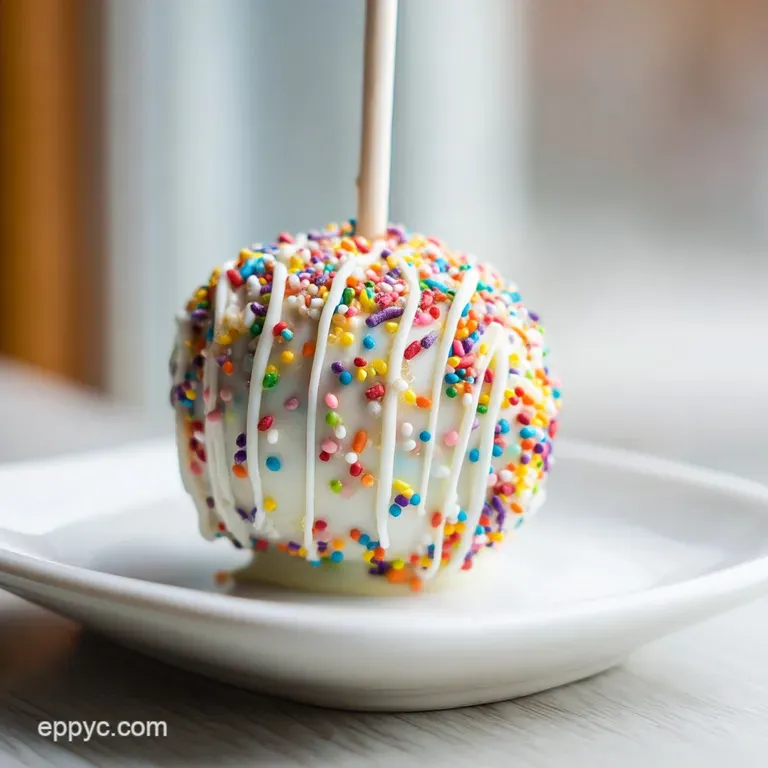
- How to Create a Show Stopping Artistic Cake Pop Recipe
- The Physics of the Perfect Snap
- Technical Precision for the Most Joyful Dessert Presentation
- Component Analysis for Your Edible Artistry Collection
- Selecting Premium Elements for Your Edible Artistry
- Essential Tools for Crafting Professional Quality Cake Pops
- The Step by Step Journey to Perfecting Your Pops
- Solving Common Problems for a Shatter Proof Finish
- Scaling the Artistic Production
- The Artistic Edge of Decoration
- Debunking Common Kitchen Myths
- Preserving Freshness and Sharing the Joy
- Pairing Your Creations with Delightful Artisanal Beverages
- Cake Pop Recipe FAQs
- 📝 Recipe Card
How to Create a Show Stopping Artistic Cake Pop Recipe
The first time I heard that distinct, crystalline "snap" of a high-quality chocolate shell yielding to a velvety, dense interior, I was hooked. It wasn't just a snack; it was a miniature piece of sculpture that tasted like a birthday dream.
I remember standing in my sun drenched kitchen, surrounded by half a dozen bowls of pastel colored melts, trying to figure out why my first batch looked more like "cake globs" than the elegant treats I’d seen in boutiques.
I’d used too much frosting, the cake was too warm, and the sticks kept sliding out like they were on a grease pole.
But then, something clicked. I realized that this cake pop recipe isn't just about mixing crumbs and sugar; it’s about the artistry of color balance and the precision of temperature. It is about creating a canvas that brings pure joy to whoever holds it.
Since then, I’ve made thousands of these little beauties, and I’ve learned that the difference between a messy kitchen fail and a show stopping creation lies in the subtle details of the binder and the patience of the chill.
We are going to blend tradition with modern pastry techniques to ensure your pops are the talk of the next gathering.
You see, the secret isn't in a fancy machine or a complicated mold. It is in the humble crumble. Whether you are aiming for a classic Starbucks cake pop recipe vibe or something far more avant garde, the process is a therapeutic journey of texture.
We are going to walk through this step-by-step, ensuring every dip is smooth and every garnish is placed with intention. Get ready to transform a simple box of mix into a collection of edible jewels that look almost too good to eat.
The Physics of the Perfect Snap
Crystalline Stability: Adding refined coconut oil to candy melts lowers the viscosity, allowing for a thinner, more even coating that snaps beautifully. This reduction in surface tension ensures the chocolate flows into a mirror smooth finish rather than a thick, clumpy layer.
The Moisture Bond: Using cream cheese frosting as a binder creates a stable emulsion with the cake crumbs, preventing the "leaking" often seen with buttercream. The slight acidity in the cream cheese also cuts through the sugar, providing a balanced flavor profile.
- Snap Texture: Achieve a professional "crack" by ensuring the coating is thin enough to shatter.
- Uniform Density: Weighing each ball at 26 grams ensures they cook and chill at the exact same rate.
- Thermal Anchoring: Dipping the stick into the coating before inserting it into the cake creates a structural "plug" that prevents the pop from falling off.
| Method | Prep Time | Texture Result | Skill Level |
|---|---|---|---|
| Fresh Baked Cake | 3 hours 15 mins | Velvety, rich, and deeply flavorful | Intermediate |
| Shortcut (Store Cake) | 45 minutes | Sweeter, softer, and very consistent | Beginner |
| No Bake (Cookie Base) | 30 minutes | Dense, crunchy, and fudge like | Easy |
Selecting the right method depends entirely on your timeline, but for a true show stopping result, the fresh baked crumb is unbeatable. If you are looking for more traditional baking inspiration, you might enjoy the texture of this How to Bake recipe which uses similar moisture locking techniques.
Technical Precision for the Most Joyful Dessert Presentation
To ensure your artistic vision comes to life, we need to look at the numbers. Precision in weight and temperature is what separates a hobbyist from a pastry artist. I always use a digital scale because even a few grams of extra cake can throw off the balance of the binder.
| Thickness | Internal Temp | Rest Time | Visual Cue |
|---|---|---|---|
| 1.25 inches | 38°F (Chilled) | 15 minutes | Dull, matte surface |
| 1.5 inches | 40°F (Chilled) | 20 minutes | Firm to the touch |
| 1.75 inches | 42°F (Chilled) | 25 minutes | No oily residue |
Working with these specifics ensures that when you finally dip your creation into the warm chocolate, the temperature shock doesn't cause the shell to expand and crack later. It is all about the harmony between the cold core and the warm exterior.
Component Analysis for Your Edible Artistry Collection
Choosing your ingredients is the first step in the creative process. While it starts with a box, the additions we make will transform it into something quite extraordinary.
| Ingredient | Science Role | Pro Secret |
|---|---|---|
| Cream Cheese Frosting | Structural Binder | Use cold frosting to keep the "dough" firm and easier to shape. |
| Vanilla Bean Paste | Flavor Depth | The flecks of real vanilla add a visual cue of high-quality artistry. |
| Refined Coconut Oil | Fat Thinning | Always use refined oil to avoid adding an unwanted tropical scent to your chocolate. |
For the best results, always opt for high-quality candy melts or white chocolate couverture. The higher the cocoa butter content, the more luxurious the mouthfeel will be.
Selecting Premium Elements for Your Edible Artistry
- 1 box (15.25 oz) cake mix: The foundation of our texture. Why this? Provides a consistent crumb structure that is easy to manipulate into spheres.
- Substitute: Homemade sponge cake for a less sweet, more artisanal flavor.
- 1 cup water: Hydration for the bake. Why this? Essential for steam assisted rising in the oven.
- Substitute: Whole milk for a richer, more tender crumb.
- 3 large eggs: The structural protein. Why this? Binds the cake together so it doesn't turn to dust when crumbled.
- Substitute: 3/4 cup unsweetened applesauce for a denser, moister interior.
- 0.5 cup vegetable oil: The moisture agent. Why this? Keeps the cake pops moist even after being chilled and coated.
- Substitute: Melted unsalted butter for a deeper, toasted profile.
- 0.625 cup cream cheese frosting: The velvet binder. Why this? Offers superior stability and a tangy contrast to the sugar.
- Substitute: Mascarpone mixed with honey for a sophisticated, less sweet finish.
- 1 tsp pure vanilla bean paste: The aromatic heart. Why this? Concentrated flavor that permeates every bite of the cake pop recipe.
- Substitute: Scraped seeds from one whole vanilla bean.
- 16 oz candy melts: The protective shell. Why this? Designed for a smooth melt and a hard, shatter proof finish.
- Substitute: Tempered high-quality white chocolate for a premium, buttery taste.
- 2 tsp refined coconut oil: The thinning agent. Why this? Adjusts the chocolate's flow for a professional, drip free finish.
- Substitute: Cocoa butter for the most authentic chocolate experience.
Essential Tools for Crafting Professional Quality Cake Pops
- 9x13-inch Baking Pan: For an even, consistent bake of the base cake.
- Digital Food Scale: Crucial for weighing each ball to exactly 26 grams.
- Lollipop Sticks (6 inch): The standard "handle" for your edible art.
- Deep, Narrow Microwave Safe Bowl: Allows for a full "submerge" dip without using excess chocolate.
- Styrofoam Block or Cake Pop Stand: To keep the pops upright while they set.
- Small Offset Spatula: For smoothing the frosting into the crumbs.
Chef's Tip: If you don't have a foam block, a colander turned upside down works in a pinch, but a tall glass filled with dried rice is the real secret to keeping your pops perfectly vertical and smudge free.
The step-by-step Journey to Perfecting Your Pops
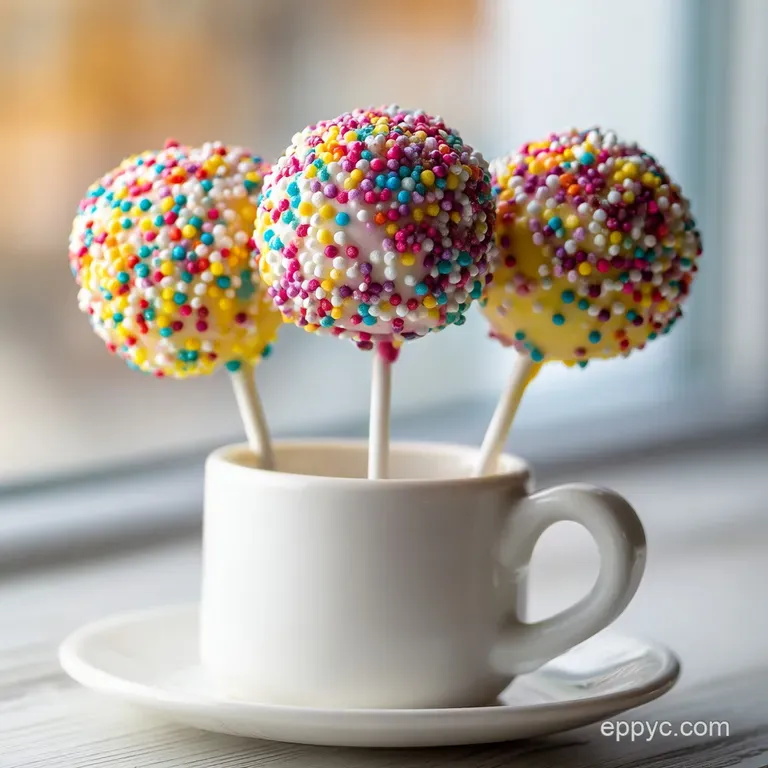
Step 1: The Signature Base
Preheat your oven to 350°F (180°C). Mix the cake mix, water, 3 eggs, and 0.5 cup oil until the batter is smooth and luscious. Bake in a greased pan for 30 minutes or until a toothpick comes out clean.
Step 2: The Controlled Crumble
Allow the cake to cool completely, then peel off the "browned" outer skin. Crumble the remaining soft interior into a large bowl until it looks like fine, colorful sand. Note: Removing the crust ensures a perfectly uniform texture inside the pop.
Step 3: The Binding Stage
Add 0.625 cup cream cheese frosting and 1 tsp vanilla bean paste to the crumbs. Use your hands to knead the mixture until it forms a dough that holds its shape when squeezed. If you love a good sheet cake base, you might see similarities in the crumb of this Classic Vanilla Full recipe.
Step 4: The Precision Roll
Weigh out 26 gram portions and roll them between your palms until they are perfectly spherical and crack free. Place them on a parchment lined tray.
Step 5: The Cold Cure
Transfer the balls to the freezer for 15 minutes or the fridge for 2 hours. You want them firm but not frozen solid. Note: Frozen balls will cause the warm chocolate coating to crack as they expand.
Step 6: The Anchor Dip
Melt a small amount of candy melts. Dip the tip of a lollipop stick (about 1/2 inch) into the chocolate, then insert it halfway into a cake ball. Repeat for all balls and let them rest for 5 minutes to "glue" the stick in place.
Step 7: The Professional Shell
Melt the remaining 16 oz candy melts with 2 tsp coconut oil in 30 second bursts. Stir until the mixture flows like warm honey.
Step 8: The Final Enrobing
Submerge a cake ball completely into the chocolate in one fluid motion. Lift it out, then gently tap your wrist not the stick to remove the excess chocolate until it stops dripping.
Step 9: The Color Accents
- 1. Gilded Edge
- Once the pop is dry, use a dry brush to apply edible gold luster dust to the top third.
- 2. Organic Texture
- Add three tiny pieces of dried rose petals near the base of the pop while the chocolate is still wet.
- 3. Monochromatic Drizzle
- After the first coat sets, drizzle a slightly darker shade of the same color in a tight zig zag pattern.
Step 10: The Setting Stage
Place the finished pop into your stand. Let it sit at room temperature for 20 minutes until the shell is hard and matte.
Solving Common Problems for a Shatter Proof Finish
Even the most seasoned home cook encounters the occasional "pop disaster." Usually, it comes down to temperature or moisture balance. If you find your cake is a bit too moist to hold its shape, it might be similar to the texture of a How to Bake recipe which is wonderful for eating but requires a bit more care when used as a pop base.
To Prevent The Slide
When cake pops slide down the stick, it is almost always because the cake to frosting ratio is off or the balls are too heavy. If they are over 30 grams, gravity will win every time.
| Problem | Root Cause | Solution |
|---|---|---|
| Shell Cracking | Temperature shock between cold cake and hot chocolate | Let chilled balls sit at room temp for 5 mins before dipping. |
| Bumpy Surface | Chocolate is too thick or cake wasn't crumbled fine enough | Add 1 tsp more coconut oil and ensure cake is a "fine sand" texture. |
| Leaking Oil | Over mixing the frosting and cake | Mix until just combined; do not "knead" like bread dough. |
Common Mistakes Checklist
- ✓ Never dip a frozen cake ball; the expansion as it thaws will shatter the shell.
- ✓ Tap your wrist, not the stick, to avoid vibrating the ball right off the handle.
- ✓ Always use a deep bowl so you can dip in one motion re dipping creates ugly layers.
- ✓ Avoid using "low-fat" cream cheese; the water content is too high and ruins the binder.
- ✓ Wipe the stick clean after tapping to ensure a professional, clean finish at the base.
Scaling the Artistic Production
If you are making these for a large event, scaling requires a few tactical shifts to keep the quality high.
Down (13 servings): Halve the cake mix (approx. 2 cups) and use 1 large egg plus half of another (beat it first, then measure). Use a smaller 8x8 pan and reduce bake time by 5-7 minutes.
Up (52 servings): Double the cake and frosting, but keep your spices and vanilla bean paste at 1.5x to avoid overwhelming the palate. Work in batches of 10 for dipping to ensure your chocolate stays at the optimal temperature.
Baking Adjustments (Large Batches): If you are baking multiple cakes at once, lower your oven temp by 25°F and rotate the pans halfway through to ensure no "hot spots" create tough edges on your base material.
The Artistic Edge of Decoration
I once spent an entire afternoon trying to get a "galaxy" effect on my pops. The mistake I made was trying to mix the colors too much. The secret to artistic color balance is keeping the colors distinct.
- The Contrast Rule: If your pop is a deep navy, use a bright silver or a neon white for the drizzle.
- The Rule of Three: Never use more than three types of garnish (e.g., a drizzle, a sprinkle, and a dust). Any more and the artistry gets lost in the noise.
- The Texture Play: Mix a matte shell with a glossy drizzle for a high end, sophisticated look that feels like it came from a professional pastry kitchen.
Debunking Common Kitchen Myths
Myth: You must use a cake pop machine for perfectly round pops. Truth: Hand rolled pops are actually superior. Machines "bake" the batter into a sphere, which creates a bread like crust on the outside.
Hand rolling crumbs with a binder creates a dense, truffle like interior that is far more luxurious.
Myth: More frosting makes the pop taste better. Truth: Too much frosting makes the pop "mushy" and cloying. The goal of this cake pop recipe is a texture that mimics a dense fudge or a truffle, not a wet cake.
Preserving Freshness and Sharing the Joy
Storage: These beauties are surprisingly hardy. You can keep them in an airtight container in the fridge for up to 7 days. If you are stacking them, place a layer of parchment paper between them to prevent the shells from scuffing each other.
Freezing: You can freeze the undipped cake balls for up to 3 months. Wrap them tightly in plastic wrap and then foil. When you are ready to dip, thaw them in the fridge overnight never on the counter, as condensation will form and prevent the chocolate from sticking.
Zero Waste: Don't throw away those "crusts" you peeled off the cake! Pulse them in a blender with a little leftover frosting and roll them into "truffles." Coat them in cocoa powder or leftover sprinkles for a quick chef's snack.
Also, any leftover melted chocolate can be poured onto parchment paper, topped with nuts, and cooled to make a quick "fridge bark."
Pairing Your Creations with Delightful Artisanal Beverages
When serving your masterpiece, think about the flavor profile of your cake pop recipe. A vanilla bean pop is elevated significantly when paired with a tart, sparkling hibiscus tea or a dry Prosecco. The bubbles and acidity help cleanse the palate of the rich coating.
If you’ve gone with a darker chocolate profile, try a small pour of cold brew coffee infused with a hint of cinnamon. The bitterness of the coffee beautifully complements the sugary snap of the candy shell.
For a family friendly gathering, a "milk bar" setup with glass bottles of ice cold vanilla milk and striped straws adds to the artistic, joyful presentation we’ve worked so hard to achieve. Trust me on this the presentation is 50% of the joy!
Cake Pop Recipe FAQs
What do you need for a cake pop?
You need a cake base, a binder, a dipping stick, and a coating. Typically, this involves crumbled, cooled cake mixed with cream cheese frosting to form a dough, lollipop sticks, and candy melts or tempered chocolate for the shell.
What is cake pop dough made of?
The core dough is made from thoroughly crumbled, baked cake mixed with a high fat binder like cream cheese frosting. The ratio should be enough to hold a tight ball shape without being overly sticky or mushy.
How long before a party should you make cake pops?
It is best to make and coat them 1-2 days prior to the party. They must be thoroughly chilled after dipping and setting, and they keep well sealed in the refrigerator for nearly a week.
What not to do when making cake pops?
Do not use warm cake, use too much frosting, or dip the cake ball before the stick is anchored. Using warm cake or too much binder results in a mushy texture, and dipping before anchoring causes the pop to fall off the stick.
Is it true that you must freeze the cake balls before dipping?
No, this is a common misconception leading to cracking. You should chill them until they are very firm (about 40°F) but not frozen solid, as the temperature shock causes the shell to fracture upon thawing.
How to create a perfectly smooth chocolate coating?
Add refined coconut oil or cocoa butter to your candy melts, then melt slowly at partial power. This reduces viscosity, allowing the coating to flow thinly over the cold cake ball without clumping.
Can I use buttercream instead of cream cheese frosting as a binder?
Yes, but cream cheese provides a better textural balance. Buttercream is mostly fat and sugar, which can make the final product overly sweet and soft, whereas cream cheese adds slight acidity that cuts the sugar.
Perfect Cake Pop Recipe
Ingredients:
Instructions:
Nutrition Facts:
| Calories | 227 kcal |
|---|---|
| Protein | 2.1 g |
| Fat | 12.8 g |
| Carbs | 26.7 g |
| Fiber | 0.4 g |
| Sugar | 21.2 g |
| Sodium | 185 mg |
