Pioneer Woman Corned Beef and Cabbage: Slow-Cooker Twist
- Time:15 minutes active + 8 hours cooking = Total 8 hours 15 mins
- Flavor/Texture Hook: Melt in-your mouth beef with charred, tangy cabbage wedges
- Perfect for: Slow paced Sundays or stress free holiday hosting
- Slow Cooked Pioneer Woman Corned Beef Recipe
- Reasons For The Tenderness
- Component Breakdown
- The Ingredient List
- Basic Tools Needed
- Step By Step Process
- Fixing Common Errors
- Customizing The Flavors
- Scaling The Portions
- Debunking Meat Myths
- Storage And Scraps
- Plating The Meal
- Critical Sodium Level
- Recipe FAQs
- 📝 Recipe Card
Slow Cooked Pioneer Woman Corned Beef Recipe
The first thing that hits you is that smell. It's not just the salt of the corned beef, it's the deep, malty aroma of dark beer mingling with garlic and bay leaves. It fills every corner of the house, turning a regular afternoon into something that feels like a celebration.
I remember the first time I tried a version of this; I rushed the process and ended up with meat that felt like chewing on a rubber boot. It was a disaster, and I almost gave up on the whole brisket thing.
But then I leaned into the "low and slow" philosophy. I realized that the brisket isn't something you fight with, it's something you coax. When you give it those eight hours in a slow cooker, the tough connective tissues simply surrender. The meat doesn't just cook, it transforms.
Trust me on this, the real magic happens at the end with the cabbage. Most people just boil it until it's a pale, soggy mess. We're doing the opposite. We're hitting it with a hot skillet and balsamic vinegar to get those charred, golden brown edges that shatter slightly when you bite into them.
It's a total shift in how this classic meal tastes.
Reasons For The Tenderness
Right then, let's talk about why this actually works. It's not just about the time, it's about how the ingredients interact with the meat.
- Acidic Breakdown: The apple cider vinegar and the acidity in the beer work together to weaken the tough collagen in the brisket, making it velvety rather than stringy.
- Gentle Thermal Transfer: Slow cooking prevents the muscle fibers from contracting too quickly, which is what usually makes beef tough.
- Vegetable Insulation: Using a "rack" of carrots and onions keeps the meat from sitting directly on the heating element, preventing the bottom from scorching.
- Resting Period: Letting the meat sit for 15 minutes allows the juices to redistribute, so the moisture stays inside the meat instead of running all over the board.
| Thickness | Internal Temp | Rest Time | Visual Cue |
|---|---|---|---|
| 2-3 inches | 190-200°F | 15 mins | Fork twists easily |
| 1-2 inches | 185-195°F | 10 mins | Pulls apart with minimal effort |
Component Breakdown
I'm always curious about which ingredient is doing the heavy lifting. In this recipe, the dark beer is the absolute hero. If you used water, the dish would be flat and one dimensional. The beer adds a roasted, slightly bitter depth that cuts through the heavy salt of the corned beef.
| Ingredient | Science Role | Pro Secret |
|---|---|---|
| Dark Beer | Flavor Depth | Use a Stout for a coffee like richness |
| Apple Cider Vinegar | Fiber Tenderizer | Adds a brightness that balances the fat |
| Balsamic Vinegar | Glaze Agent | Reduces to a syrup that caramelizes the cabbage |
| Low Sodium Broth | Moisture Base | Prevents the dish from becoming a salt bomb |
The Ingredient List
Keep it simple. You don't need a million things, just the right things. I've listed a few swaps below if you're missing something in the pantry.
- 3.5 lb corned beef brisket, trimmed of excess surface fat Why this? Brisket has the right fat to muscle ratio for slow cooking
- 2 cups low sodium beef broth (Substitute: Vegetable broth for a lighter base)
- 1 cup dark beer Why this? Adds maltiness. Substitute: Guinness or a dark ale
- 1 lb carrots, cut into chunks (Substitute: Parsnips for a nuttier flavor)
- 1 large yellow onion, quartered (Substitute: White onion for a sharper bite)
- 4 cloves garlic, smashed (Substitute: 1 tbsp garlic paste)
- 2 bay leaves (Substitute: 1 tsp dried thyme)
- 1 tbsp apple cider vinegar Why this? Necessary for tenderizing. Substitute: White wine vinegar
- 1 medium head green cabbage, cut into 8 wedges (Substitute: Savoy cabbage for better texture)
- 1 tbsp olive oil (Substitute: Butter for a richer sear)
- 2 tbsp balsamic vinegar Why this? Creates the glaze. Substitute: Red wine vinegar + pinch of sugar
- 0.5 tsp cracked black pepper (Substitute: White pepper for a milder heat)
Basic Tools Needed
You don't need a professional kitchen for this. Honestly, don't even bother with fancy gadgets. A basic setup works best.
- Slow Cooker: A 6 quart model is usually the sweet spot for a 3.5 lb brisket.
- Large Skillet: A cast iron skillet (like Lodge) is my go to because it holds heat better for that cabbage sear.
- Cutting Board: A sturdy one, because you'll be doing some serious slicing against the grain.
- Sharp Chef's Knife: Essential for trimming the fat and getting clean slices.
Step by step Process
Let's crack on with the actual cooking. The goal here is patience.
- Build the base. Place the quartered onions, carrots, and smashed garlic at the bottom of the slow cooker. Note: This creates a vegetable rack that protects the meat.
- Position the meat. Place the trimmed corned beef brisket directly on top of the vegetables.
- Add liquids. Pour in the low sodium beef broth, dark beer, and apple cider vinegar. Ensure the meat is partially submerged, but don't drown it completely.
- Slow simmer. Cover and cook on Low for 8 to 9 hours until the meat yields easily to a fork.
- The essential rest. Remove the beef from the slow cooker and let it rest on a cutting board for 15 minutes. Note: Cutting it too soon lets all the juices escape.
- Heat the pan. Heat olive oil in a large skillet over medium high heat until it shimmers.
- Sear the cabbage. Add cabbage wedges and cook until they develop charred, golden brown edges.
- The final glaze. Deglaze the skillet with balsamic vinegar and toss the cabbage until the liquid reduces to a thick, velvety glaze.
Fixing Common Errors
Even for us obsessed cooks, things go sideways. The most common issue is the "rubbery" texture. This usually happens because the meat wasn't cooked long enough. Brisket has a "stall" where the temperature stops rising for a while, and you just have to push through it.
Why Your Beef Is Tough
If the meat doesn't shred or slice easily, it simply needs more time. Don't panic, just put it back in for another hour.
| Problem | Root Cause | Solution |
|---|---|---|
| Rubbery Meat | Undercooked / Not enough time | Cook for another 60-90 mins |
| Too Salty | Standard broth used | Dilute with a splash of water or more beer |
| Mushy Cabbage | Boiled with meat | Sear in skillet separately as directed |
Preventive Checklist:
- ✓ Pat the beef dry before adding to the pot to avoid steaming the exterior.
- ✓ Use low sodium broth to control the salt levels of the pre brined meat.
- ✓ Always slice against the grain to ensure the shortest possible muscle fibers.
- ✓ Don't overcrowd the skillet when searing cabbage, or it will steam instead of charring.
- ✓ Verify the "fork tender" status before removing the meat from the heat.
Customizing The Flavors
Once you've got the basics down, you can start playing with the profile. I love adding a bit of heat to the braise. A pinch of red pepper flakes or a sliced jalapeño in the slow cooker adds a subtle kick that cuts through the richness of the beef.
If you're in the mood for another hearty meat dish, my Classic Beef Stew uses a similar low and slow philosophy that you'll appreciate. You can also swap the dark beer for a hard cider if you want a fruitier, slightly sweeter vibe.
For an even more indulgent meal, a side of Pioneer Woman Sausage Gravy over mashed potatoes makes this a real feast. The creaminess of the gravy pairs brilliantly with the acidity of the balsamic cabbage.
Decision Shortcut: If you want more sweetness, use an Amber Ale instead of a Stout. If you want a smokier flavor, add 1 tsp of smoked paprika to the beef. If you're short on time, use the oven at 300°F for about 4-5 hours.
Scaling The Portions
When you're cooking for a crowd, don't just double everything blindly. Beef behaves differently in larger volumes.
Scaling Down (Half Portion): Use a smaller slow cooker if you have one. Reduce the liquids by about 10% because less evaporation occurs in a smaller pot. The cooking time usually stays the same, but start checking the tenderness at the 7 hour mark.
Scaling Up (Double Portion): If you're using two briskets, don't double the salt or the bay leaves. Increase spices and salt to only 1.5x the original amount. Liquids can be doubled, but make sure you have a large enough pot so the meat isn't packed too tightly, which can lead to uneven cooking.
| Method | Time | Texture | Best For |
|---|---|---|---|
| Slow Cooker | 8 hours | Velvety/Tender | Hands off cooking |
| Oven Braise | 4-5 hours | Firm/Juicy | Faster turnaround |
| Stovetop | 3-4 hours | Traditional | Direct heat control |
Debunking Meat Myths
There's a lot of noise out there about beef. Let's clear a few things up.
Searing meat at the start "seals in the juices." This is a total myth. Searing creates flavor through browning, but it doesn't stop moisture loss. In fact, the slow cooking process is what actually preserves the moisture by breaking down collagen into gelatin.
Another common misconception is that you should add the cabbage at the start. If you do that, the cabbage turns into a grey, flavorless mush by the time the beef is done. Searing it at the end is the only way to get that restaurant quality contrast in texture.
Storage And Scraps
Don't let a single drop of that braising liquid go to waste. It's essentially a concentrated beef and beer stock.
Storage Guidelines: Keep the sliced beef and cabbage in separate airtight containers in the fridge for up to 3 days. When reheating, do it gently on the stovetop with a splash of the leftover broth to keep the meat from drying out.
You can freeze the beef for up to 2 months, though the texture may change slightly.
Zero Waste Tips: Take those leftover carrots and onions from the bottom of the pot and blend them into a thick vegetable puree to serve as a base for the meat. The remaining braising liquid is a goldmine - use it as the base for a beef barley soup or a rich gravy.
Even the cabbage cores can be finely diced and added to a slaw.
Plating The Meal
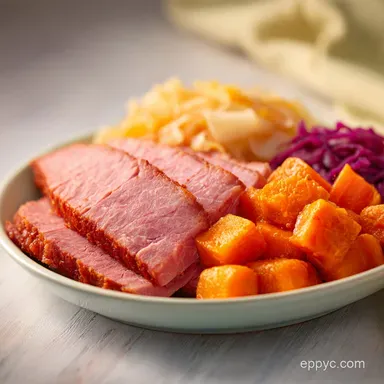
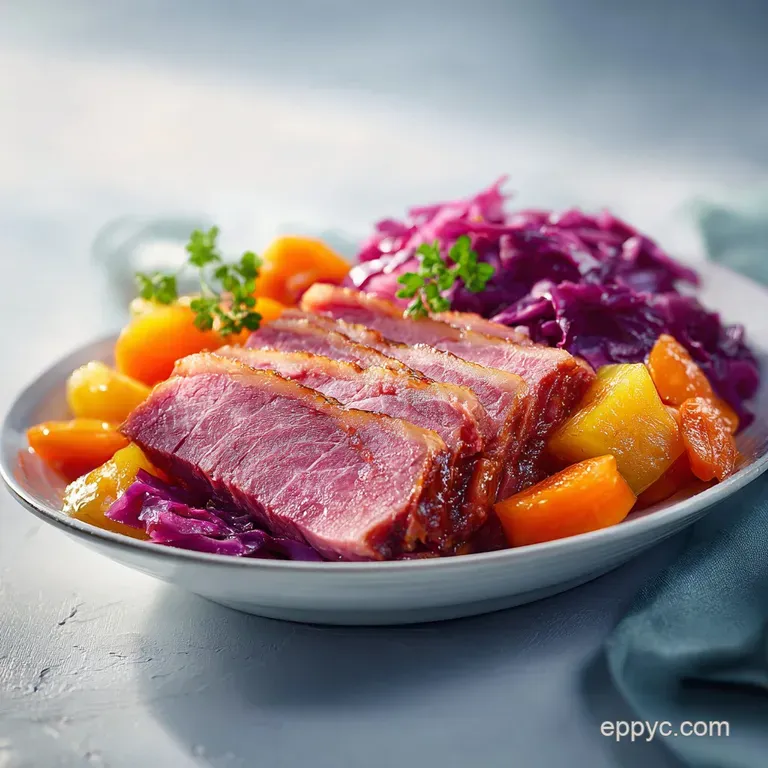
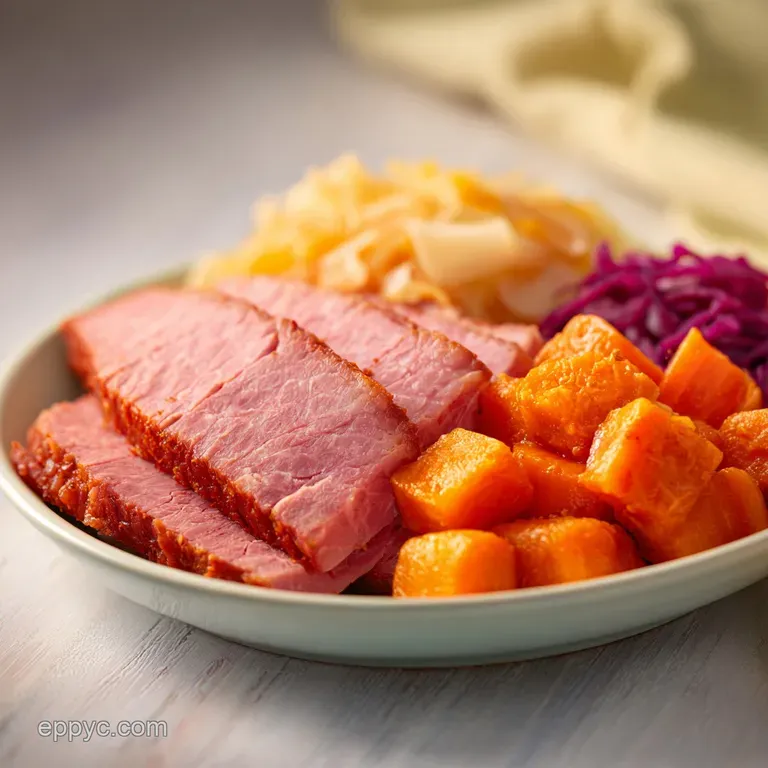
Presentation is everything when you've spent eight hours on a dish. Start by slicing the brisket across the grain into thin, uniform pieces. This is the most critical step for texture. If you slice with the grain, the meat will feel stringy regardless of how long you cooked it.
Fan the slices out on a large platter and nestle the charred cabbage wedges around the sides. Pour a few spoonfuls of the reduced braising liquid over the beef for a glossy finish.
I like to garnish the whole thing with a sprinkle of fresh parsley or chives to add a pop of color against the deep browns and greens of the dish. It looks impressive, tastes heartfelt, and proves that the wait was absolutely worth it.
Critical Sodium Level
1950 mg 1,950 mg of sodium per serving (85% 85% of daily value)
The American Heart Association recommends a daily limit of 2,300 mg of sodium, with an ideal limit of 1,500 mg for most adults to reduce the risk of cardiovascular disease.
Personalized Sodium Reduction Tips
-
Soak the Brisket-25%
Soak the corned beef in cold water for 12-24 hours, changing the water every few hours, to leach out excess curing salts before cooking.
-
Swap the Broth-30%
Replace the low-sodium beef broth with water or a homemade unsalted vegetable stock to eliminate added sodium.
-
Increase Vegetable Volume-10%
Add more cabbage wedges or extra carrots to the pot to dilute the overall sodium concentration per serving.
-
Enhance with Aromatics
Add cracked black pepper, smoked paprika, or fresh thyme to provide depth and flavor without relying on salt.
Recipe FAQs
Is corned beef good for hypertension?
No, it is generally not recommended. The curing process involves very high amounts of sodium, which can significantly increase blood pressure.
What are the common mistakes in cooking corned beef?
Skipping the resting period. Letting the meat sit for 15 minutes prevents the juices from rushing out. If you mastered the resting technique here, the same principle ensures success with our beef tenderloin for maximum juiciness.
Can you eat corned beef with IBS?
Likely not, depending on your triggers. This recipe contains onions and cabbage, which are common high FODMAP foods that often cause distress for those with IBS.
Is corned beef healthy for diabetics?
Yes, in moderation. It is naturally low in carbohydrates, although those with diabetes related hypertension should be cautious of the high salt content.
How to keep the meat from drying out when reheating?
Reheat gently on the stovetop. Add a splash of the leftover beef broth to the pan to maintain moisture and tenderness.
Is it true the brisket must be completely submerged in liquid?
No, this is a common misconception. The beef only needs to be partially submerged in the broth, beer, and vinegar to cook evenly in the slow cooker.
How to achieve a charred glaze on the cabbage?
Sear cabbage wedges in olive oil over medium high heat. Once golden brown, deglaze the skillet with balsamic vinegar until the liquid reduces to a thick glaze.
Pioneer Woman Corned Beef