Prime Rib Rub: Crispy Herb Crust
- Time: Active 10 minutes, Passive 0 minutes, Total 10 minutes
- Flavor/Texture Hook: Shatteringly crisp herb crust
- Perfect for: Holiday centerpieces and special occasion dinners
- Create the Best Crusted Prime Rib Rub
- Mechanisms Behind This Butter Rub
- Essential Timeline and Heat Specs
- Science Behind These Building Blocks
- Minimal Tools Needed for Success
- Ingredients and Strategic Substitutions
- Step-by-Step Instructions for Cooks
- Fixing Pro Tips and Pitfalls
- Smart Scaling for Your Crowd
- Debunking Common Meat Searing Myths
- Variations to Mix It Up
- Freezing and Reheating Guide
- Serving and Enjoying Your Dish
- Very High in Sodium
- Prime Rib Rub FAQs
- 📝 Recipe Card
Create the Best Crusted Prime Rib Rub
Standing in front of a 100 dollar slab of beef can feel like staring at a high stakes exam. I remember my first time, hands shaking as I sprinkled salt, only to watch half of it bounce off the meat and onto the floor.
The anxiety of serving a "gray and bland" roast to ten hungry relatives is a feeling I never want to repeat.
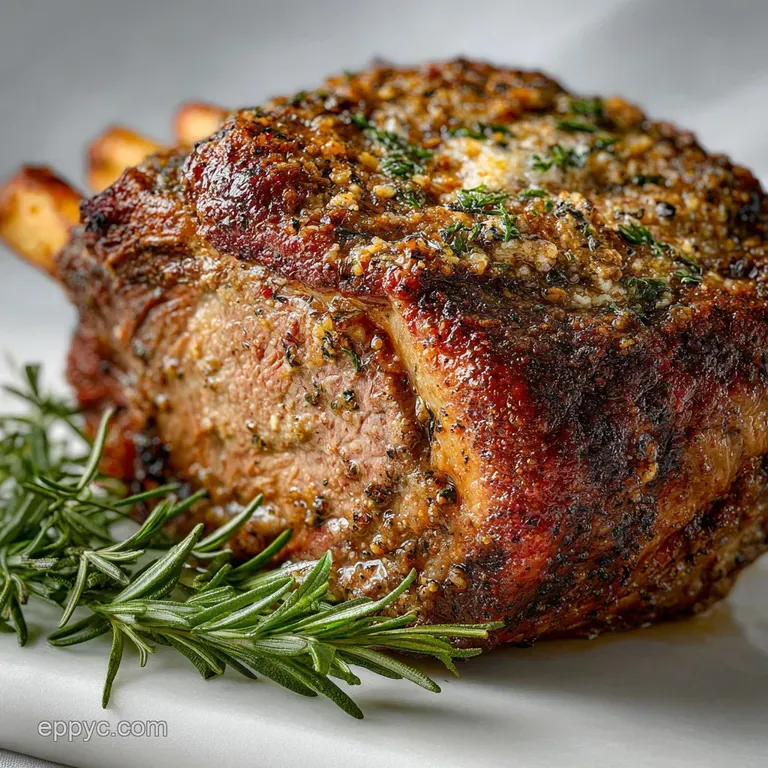
That fear led me to stop relying on dry powders that slide off the surface. I started experimenting with fat based pastes that actually stay where you put them. When you hear that first sizzle as the roast hits the oven heat, and the aroma of toasted rosemary and garlic begins to fill the kitchen, you'll know you've nailed it.
This approach isn't just about seasoning; it is about building a structural layer that shields the meat while injecting flavor. We are moving away from the messy "dusting" method and toward a velvety, compound butter style that makes the best prime rib rub I have ever tasted.
Trust me, once you see that mahogany crust shatter under your carving knife, you will never go back to dry spices.
Mechanisms Behind This Butter Rub
Fat Soluble Infusion: The essential oils in rosemary, thyme, and oregano dissolve into the butter, allowing flavor to penetrate the meat's surface more effectively than dry herbs alone.
Surface Friction: Softened butter acts as a biological "glue," holding the coarse salt and pepper in place so they don't migrate during the long roasting process.
The Maillard Catalyst: Light brown sugar and butter work together to lower the energy required for browning, creating a deep, dark crust without overcooking the interior of the beef.
| Roast Thickness | Target Internal Temp | Rest Time | Visual Finish Cue |
|---|---|---|---|
| 2-3 Bones | 54°C (130°F) | 20 minutes | Dark mahogany exterior |
| 4-5 Bones | 54°C (130°F) | 30 minutes | Deep brown with herb flecks |
| 6+ Bones | 54°C (130°F) | 45 minutes | Uniformly crusted surface |
Using a butter based paste is a significant departure from traditional dry brining. If you are preparing a large roast, matching this seasoning with a reliable oven-roasted Prime Rib recipe ensures the internal temperature stays as consistent as the exterior flavor.
Essential Timeline and Heat Specs
When we talk about the best prime rib rub, we have to talk about how it handles the heat. Dry rubs can sometimes burn or turn bitter if the oven is too hot for too long. By suspending our spices in fat, we create a thermal buffer that protects the delicate herbs.
| Method | Prep Time | Crust Texture | Best For |
|---|---|---|---|
| Fast over High heat | 5 minutes | Extra Crispy | Smaller 2 bone roasts |
| Classic Low Slow | 15 minutes | Thick and Velvety | Large family gatherings |
| Smoker Prep | 10 minutes | Tacky/Sticky | Added wood fire flavor |
This rub is incredibly versatile. Whether you are using a prime rib rub for oven roasting or applying a prime rib rub for smoker enthusiasts, the goal remains the same: maximum adhesion and a concentrated flavor profile that doesn't disappear into the drip pan.
Science Behind These Building Blocks
Understanding why we use specific ingredients helps us troubleshoot on the fly. This isn't just a list; it is a chemical formula for a perfect crust.
| Ingredient | Science Role | Pro Secret |
|---|---|---|
| Unsalted Butter | Lipophilic Flavor Carrier | Soften but do not melt for best grip |
| Coarse Kosher Salt | Moisture Extractor | Draw proteins to the surface for browning |
| Smoked Paprika | Color and Depth | Adds a "roasted" look even in gas ovens |
| Garlic Paste | Aromatic Base | Mincing into paste prevents burning chunks |
The light brown sugar is a specific addition to this prime rib rub with brown sugar. It doesn't make the meat sweet; instead, it provides the carbon required for the Maillard reaction to trigger more intensely. It is the secret to getting that professional steakhouse "char" in a domestic kitchen setting.
Minimal Tools Needed for Success
You don't need a high tech kitchen to pull this off. In fact, keeping things simple often leads to better results because you can feel the texture of the paste as you mix it.
Mixing and Application Tools
I find that using a simple small glass bowl and a fork is actually better than using a food processor. A fork allows you to mash the garlic paste into the butter without heating it up too much. If the butter gets too runny, it won't hold the heavy black pepper.
You'll also want a microplane or a very sharp knife to get the garlic into a true paste consistency.
Monitoring the Roast
Since this homemade prime rib rub creates such a thick coating, you really need a reliable digital probe thermometer. You can't just "poke" the meat to see if it is done. The crust might feel firm while the center is still cold.
A probe that stays in the meat throughout the cook is the only way to ensure you don't overshoot your target temperature.
Ingredients and Strategic Substitutions
Here is exactly what you need for this easy prime rib rub recipe. Each component has been tested to survive a 3 hour roast without turning to ash.
- 1/2 cup unsalted butter, softened (Substitute: Beef tallow for an even meatier flavor profile) Why this? It creates the adhesive base for all other seasonings.
- 3 tbsp coarse Kosher salt (Substitute: Sea salt, but reduce volume by 25%) Why this? Larger crystals provide a better crunch and slower dissolve rate.
- 2 tbsp freshly cracked black pepper (Substitute: Pre ground, though it lacks the aromatic punch) Why this? The "bite" of fresh pepper cuts through the rich fat of the beef.
- 4 tbsp fresh garlic, minced into paste (Substitute: 2 tbsp garlic powder in a pinch) Why this? Fresh garlic provides moisture and a sharp, savory foundation.
- 2 tbsp fresh rosemary, finely chopped (Substitute: 2 tsp dried rosemary, crushed) Why this? Rosemary is the quintessential woodsy pairing for beef.
- 2 tbsp fresh thyme, chopped (Substitute: 2 tsp dried thyme) Why this? It adds a subtle earthy note that balances the garlic.
- 1 tsp dried oregano (Substitute: Marjoram for a sweeter profile) Why this? It provides a concentrated "herbaceous" back note.
- 1 tbsp light brown sugar (Substitute: Coconut sugar) Why this? Accelerates the browning of the crust.
- 1 tbsp smoked paprika (Substitute: Sweet paprika for less smoke) Why this? Provides the characteristic mahogany color.
- 1/2 tsp onion powder (Substitute: Granulated onion) Why this? Adds umami without the texture of fresh onions.
step-by-step Instructions for Cooks
- Prep the butter. Place the 1/2 cup unsalted butter in a bowl and let it sit until it is soft enough to mash with a fork. Note: If you're in a hurry, grate the cold butter instead of microwaving it to avoid melting.
- Create the garlic base. Mince the 4 tbsp garlic until it becomes a smooth, wet paste. Note: Adding a pinch of the salt during mincing helps break down the fibers.
- Mix the aromatics. Combine the garlic paste, 2 tbsp rosemary, 2 tbsp thyme, and 1 tsp oregano into the butter.
- Add the dry seasonings. Fold in the 3 tbsp salt, 2 tbsp pepper, 1 tbsp light brown sugar, 1 tbsp smoked paprika, and 1/2 tsp onion powder until the mixture looks like a dark, grainy paste.
- Dry the meat. Pat your roast with paper towels until the surface is completely moisture free. Note: This is the most important step for adhesion.
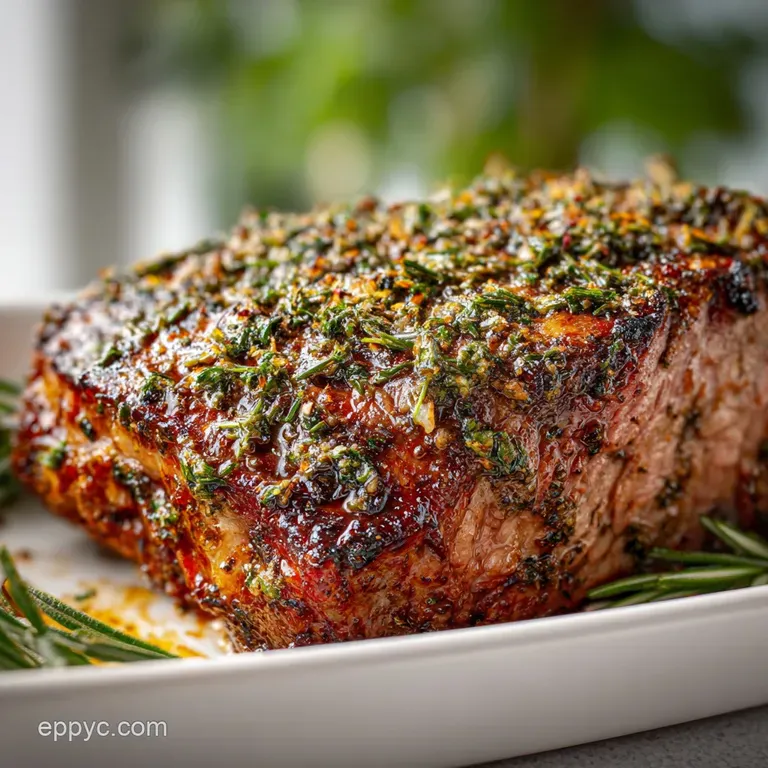
- Apply the rub. Smear the paste over the entire roast until no meat is visible.
- Massage it in. Use your hands to press the paste into every nook and cranny.
- Pre chill (Optional). Let the roast sit uncovered in the fridge for 2 hours until the butter paste feels firm.
- Roast the beef. Place in the oven and cook until the crust is dark and the internal temp hits 54°C.
- Rest the meat. Let it sit for at least 20 minutes until the juices redistribute.
If you enjoy this hearty profile, you might find the seasoning style similar to what I use in my Country Style Beef recipe, which also relies on a heavy spice crust to stand up to long cooking times.
Fixing Pro Tips and Pitfalls
The biggest mistake I ever made was applying this prime rib roast rub to a wet roast. The butter just slid off like a raincoat on a duck. Always, always pat the meat dry first.
Why Your Crust Is Falling Off
If you find that your crust is sliding into the bottom of the pan, it's usually because the meat was too cold when you applied the butter, or it had too much surface moisture. The butter needs a dry surface to "grip."
| Problem | Root Cause | Solution |
|---|---|---|
| Rub slides off | Surface moisture on meat | Pat meat dry with paper towels before applying |
| Crust is burnt | Sugar content too high | Move roast to a lower oven rack |
| No flavor inside | Rub didn't sit long enough | Apply rub 12-24 hours before cooking |
Another common issue is using table salt instead of coarse salt. Table salt is much denser, so if you use the same volume, your roast will be an inedible salt lick. Stick to the 3 tbsp coarse Kosher salt for a 16 serving roast.
Common Mistakes Checklist ✓ Ensure butter is room temperature but not liquid (melted butter won't hold spices). ✓ Use freshly cracked pepper (pre ground loses its volatile oils quickly). ✓ Don't skip the rest period after roasting (it prevents the crust from getting soggy).
✓ Avoid "peeking" by opening the oven door (consistent temp is key for the sugar in the rub). ✓ Apply the rub to the bottom of the roast too (every side needs flavor).
Smart Scaling for Your Crowd
Scaling this prime rib rub with butter is fairly straightforward since it is a paste, but there are a few rules to keep it balanced.
Scaling Down (1/2 Batch): If you are doing a small 1.5kg roast, cut everything in half. You can still use a full 1/2 cup of butter if you want a thicker "shell," but keep the salt and spices at half volume.
Scaling Up (2x-4x Batch): When prepping for a massive 10kg roast, double the butter and garlic, but only increase the salt and black pepper by 1.5x. Salt becomes much more aggressive in larger quantities.
The Consistency Rule: If the paste feels too thick to spread when scaled up, add a teaspoon of olive oil. It will loosen the butter without making it runny.
Debunking Common Meat Searing Myths
One of the biggest myths is that you have to sear the meat in a pan before applying a rub. In reality, with a high-quality prime rib rub for oven use, the "reverse sear" or the over high heat start in the oven does all the work for you.
Searing a butter rubbed roast in a pan will just burn the garlic and make the butter smoke.
Another misconception is that the rub will "seal in the juices." Science tells us that's not true meat loses moisture as its fibers contract from heat. What the rub actually does is create a savory barrier that mimics the texture of a sear while adding layers of salt and fat.
Variations to Mix It Up
You can easily pivot this into a prime rib rub for smoker setups by swapping the smoked paprika for chili powder or adding a tablespoon of cumin. This gives it a Southwestern vibe that pairs beautifully with hickory smoke.
For a more "Old World" flavor, try a prime rib rub with butter and horseradish. Fold in 2 tablespoons of prepared horseradish into the paste. It adds a sinus clearing kick that cuts right through the richness of the prime rib.
Freezing and Reheating Guide
This rub is excellent for meal prep. You can mix the butter paste and freeze it in a log shape using plastic wrap. It will stay fresh for up to 3 months. When you're ready to use it, just let it thaw in the fridge overnight.
For leftover roast that already has the rub applied, the best way to reheat it is in a low oven (120°C) with a splash of beef broth. This keeps the meat from drying out while softening the butter crust just enough to make it velvety again.
Zero Waste Tip: If you have leftover rub paste that didn't touch the raw meat, use it to sauté mushrooms or spread it on crusty bread for the best garlic bread of your life. Never throw away herb butter!
Serving and Enjoying Your Dish
When you pull that roast out, the smell of the toasted prime rib rub recipe ingredients will be intoxicating. Resist the urge to cut it immediately. That 20 minute rest is when the butter finishes soaking into the outer layers of the meat.
Serve thick slices with a side of au jus or a simple dollop of sour cream and chives. The crust should be the star of the show, providing a salty, peppery crunch that contrasts with the tender, rosy center of the beef. It's a simple process, but the results feel like something from a five star steakhouse.
Right then, let's get that oven preheated!

Very High in Sodium
1313 mg mg of sodium per serving (57% of daily value)
The American Heart Association recommends limiting sodium intake to no more than 2,300mg per day for most adults.
Tips to Reduce Sodium in This Recipe
-
Reduce Kosher Salt-25%
Kosher salt is a significant source of sodium in this recipe. Start by reducing the amount of Kosher salt by 50% (1.5 tbsp) and adjust to taste, remembering that it's easier to add more later. Consider using a sodium free salt substitute. It has similar taste but does not contribute any extra sodium.
-
Unsalted Butter Only-15%
Make sure the butter used is genuinely unsalted. Some brands can still contain a surprising amount of sodium. Using unsalted butter as the base ingredient makes it easy to manage the amount of salt going into the recipe. It will make a great impact.
-
Go Heavy on Herbs-5%
Increase the amount of fresh rosemary and thyme slightly. The flavor of herbs and spices can enhance the overall taste and compensate for the reduced salt content.
-
Fresh Garlic Power-5%
Ensure the garlic is as fresh and potent as possible. Fresh garlic adds a lot of flavor and complexity. Consider roasting the garlic first to deepen the flavor and sweetness.
-
Skip Onion Powder-2%
Omit the onion powder entirely. The fresh garlic, rosemary, and thyme contribute significantly to the flavor profile, and the onion powder is redundant. This reduces the processed seasoning impact.
-
Spice It Up!
Focus on using more herbs and spices (rosemary, thyme, oregano, smoked paprika, black pepper) to build flavor. This helps compensate for the reduction in salt. Experiment with other spices like garlic powder, or a pinch of cayenne.
Prime Rib Rub FAQs
What is the best rub to put on prime rib?
A butter based paste is best. It adheres well to the meat, creating a surface for seasonings to stick and preventing them from falling off during roasting, ensuring a concentrated flavor. This method is far superior to dry rubs for building a rich crust.
What is the rule of 5 for prime rib?
There is no universally recognized "rule of 5" for prime rib. Common guidelines focus on internal temperature, resting time, and visual cues rather than a specific number like five.
For instance, aiming for an internal temperature of 130°F (54°C) for medium rare and resting the roast for at least 20 minutes are critical for success.
What spices do you put in a prime rib rub?
Essential spices include salt, pepper, garlic, rosemary, and thyme. A good rub also benefits from onion powder and sometimes smoked paprika for color and a touch of brown sugar to aid in crust formation. These ingredients create a savory, aromatic crust.
How long to leave dry rub on prime rib?
Apply the rub at least 2 hours, ideally 12-24 hours, before cooking. Allowing the rub to sit on the meat for an extended period, uncovered in the refrigerator, helps the salt draw out moisture and then reabsorb the seasonings, intensifying flavor and creating a better crust.
Can I use a dry rub instead of a butter paste for prime rib?
Yes, but a butter paste is generally preferred. Dry rubs can be effective, but they tend to fall off more easily, leading to less seasoning on the final crust. A butter paste provides better adhesion and helps create a richer, more flavorful exterior.
Does the sugar in a prime rib rub burn?
No, the sugar in a well formulated rub typically caramelizes, not burns. The small amount of sugar, combined with the fat in the rub, aids in the Maillard reaction, promoting a deep, mahogany crust. Ensure your oven temperature is consistent to avoid excessive charring.
How do I ensure my prime rib rub sticks to the meat?
Always pat the prime rib completely dry before applying the rub. Moisture on the surface prevents the rub from adhering properly. A butter based paste naturally sticks better than dry spices, acting like a glue for salt and pepper.
Prime Rib Rub
Ingredients:
Instructions:
Nutrition Facts:
| Calories | 62 kcal |
|---|---|
| Protein | 0.3 g |
| Fat | 5.9 g |
| Carbs | 2.5 g |
| Fiber | 0.4 g |
| Sugar | 0.8 g |
| Sodium | 1313 mg |
