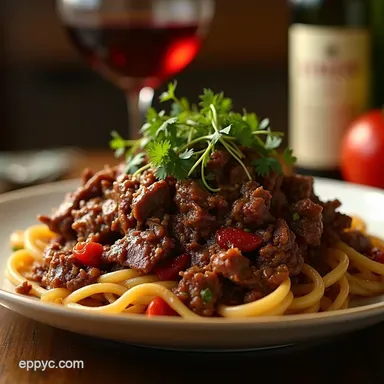
The Sunday Best Shredded Chuck Roast Rich Red Wine Herb Braise
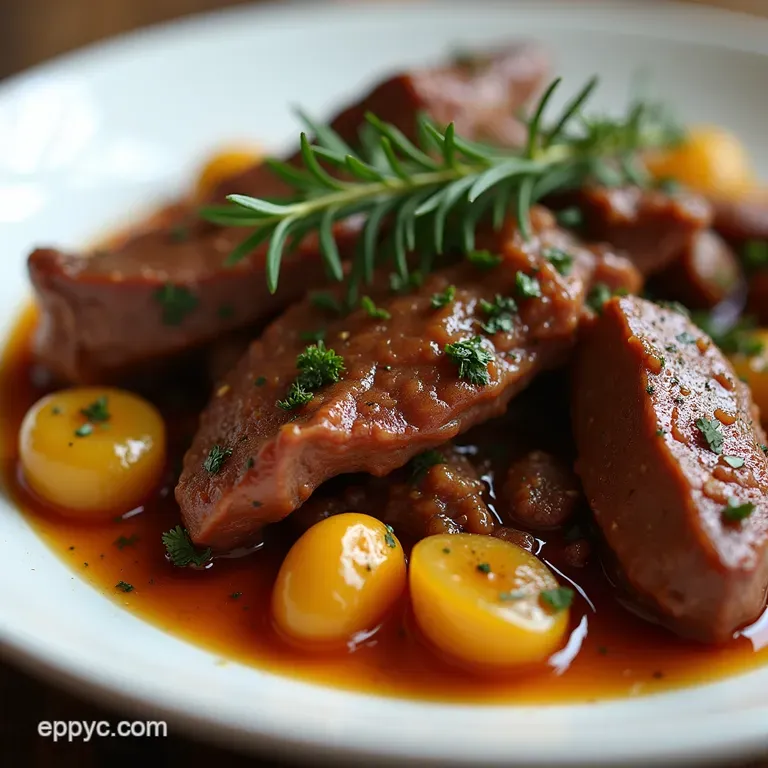
- Unveiling the Depth: Why This Chuck Roast Dishes Recipe Rules the Comfort Food Realm
- The Secret to Ultra-Tender Beef: Understanding the Chuck Cut
- Assembling Your Flavor Arsenal: Essential Components for Perfect Braising
- Tool Checklist: Equipment Needed for Successful Slow Cooking
- The Sear & Build: Creating the Foundation of Richness
- Executing the Long Slow Simmer: Achieving Peak Tenderness
- The Grand Finale: Perfecting the Sauce Consistency
- Maximizing Leftovers: Creative Ways to Repurpose This Classic Chuck Roast Dishes
- Troubleshooting and Technique Refinements for Next Time
- Recipe FAQs
- 📝 Recipe Card
Unveiling the Depth: Why This Chuck Roast Dishes Recipe Rules the Comfort Food Realm
Forget dry, stringy pot roasts that disappoint; this recipe unlocks the absolute magic hidden within a humble chuck roast. We are diving deep into the realm of truly satisfying Chuck Roast Dishes —the kind that demand a cozy chair and a flickering fire.
Slow-braised for hours in a luxurious bath of robust red wine, rich beef stock, and aromatic herbs like thyme and rosemary, this preparation transforms what can sometimes be a tough cut into unbelievably tender, melt-in-your-mouth strands of beef.
It’s the kind of deep, savoury flavour that reminds you of your Nan’s kitchen on a cold day, utterly foolproof, deeply satisfying, and perhaps the pinnacle of all Chuck Roast meals .
This technique elevates simple ingredients into something truly special, making it a go-to among the best Beef roast dishes available.
The Secret to Ultra-Tender Beef: Understanding the Chuck Cut
The chuck primal, located near the shoulder of the cow, is famed for its robust flavour but notorious for its high concentration of connective tissue. While this makes it unsuitable for quick grilling, it’s precisely this collagen that makes it perfect for slow cooking.
When subjected to long, moist heat, that tough collagen melts down into luscious gelatin, bathing the muscle fibres and rendering the meat incredibly succulent. This is the fundamental secret behind achieving fork-tender results in all the best Chuck roast recipes .
Setting the Stage: A Guarantee of Fall-Apart Texture
Our preparation ensures this textural transformation by utilizing a 3 lb (1.35 kg) Beef Chuck Roast, trimmed of excess hard fat, then seasoned liberally with Kosher Salt and black pepper before being lightly dusted in all-purpose flour.
This light coating does triple duty: it helps create an initial sear, aids in thickening the braising liquid later, and ultimately guarantees that fall-apart texture we crave. The estimated prep time for preparing the meat and chopping our aromatic base is a brisk 30 minutes, setting a relaxed pace for the long, rewarding cook ahead.
Why We’re Choosing a Slow, Gentle Cooking Method
The hallmark of successful Chuck roast recipes slow cooker or oven preparations is patience. We are aiming for an internal temperature that allows collagen breakdown without evaporating the moisture. Therefore, our cooking window hovers between 3.5 to 4.
5 hours total, executed at a gentle 325° F ( 160° C) in the oven, or similarly low heat in an alternative setup. This low temperature coaxes the meat into submission, ensuring that every fibre yields perfectly.
The Flavor Profile: Red Wine, Herbs, and Umami Power
The depth of flavour in this classic braise comes from layered aromatics. We build a foundation using classic mirepoix, onions, carrots, and celery, boosted by smashed garlic and a crucial ingredient: tomato paste, cooked until caramelized.
This base is deglazed with a full cup of dry Red Wine (a Cabernet Sauvignon or Merlot works beautifully), which introduces necessary acidity and tannins. Finally, fresh thyme and rosemary sprigs are immersed in 4 cups of rich Beef Stock, providing an herbaceous, savoury backbone that defines this comfort food standard.
Assembling Your Flavor Arsenal: Essential Components for Perfect Braising
To achieve this magnificent result, you need to gather your components deliberately. We are using simple ingredients to achieve a complex result. For the roast itself, ensure you have that 3 lb chuck roast, 2 tablespoons of Olive Oil for searing, the seasoning blend mentioned above, and the light coating of flour.
Beyond the meat, the aromatics, onions, carrots, celery, and garlic, must be roughly chopped, as they will soften completely during cooking and contribute their essence to the final gravy.
Don't forget the depth providers: 1 cup of dry red wine, 4 cups of beef stock, 2 tablespoons of Worcestershire Sauce for an extra umami punch, and our fresh herbs.
Tool Checklist: Equipment Needed for Successful Slow Cooking
This preparation is exceptionally forgiving regarding equipment, making it ideal for weeknight cooking as well as weekend feasts. The absolute workhorse for this recipe is a large Dutch Oven (ideally 4 to 6 quarts) with a tight-fitting lid, as it handles both the high-heat searing and the subsequent low-and-slow oven braise perfectly.
You will also need sturdy tongs for turning the roast, and while optional, a fine-mesh sieve proves handy if you prefer an ultra-smooth gravy at the conclusion. For the final shredding step, two standard forks will do the trick admirably.
Sourcing the Star: Selecting the Best Chuck Roast Cut
When shopping, look for a chuck roast that is well-marbled; you want some visible white fat running through the meat, not just a massive cap on the outside. This intramuscular fat melts during the braise, self-basting the meat.
If you are exploring other Chuck roast ideas later, remember that flat-cut roasts tend to cook more evenly than those that are oddly shaped, ensuring a uniform texture across the entire 6-serving portion this recipe yields.
Building the Aromatics Base: Mirepoix and Spices Elevation
Once the roast is seared and set aside, the magic truly begins in the residual oil. Add the chopped onions, carrots, and celery. Sauté them until they begin to soften and brown slightly, this caramelization, known as building the fond , is essential.
Next, add the smashed garlic and 2 tablespoons of tomato paste. Cooking the tomato paste for a full minute until it darkens slightly unlocks its deep, sweet umami, enriching the final colour and taste of your Chuck roast meals .
The Braising Liquid Components: Beyond Simple Broth
After softening the vegetables, we introduce acidity by pouring in the red wine. This step is where we actively scrape all those flavourful browned bits off the bottom of the pot, a critical technique for any successful braise.
Once the wine has reduced by half, we introduce the 4 cups of beef stock, the bay leaves, the fresh thyme and rosemary sprigs, and the Worcestershire sauce. This aromatic bath is what transforms the tough fibres into gelatinous perfection, rivaling the best Chuck roast recipes in oven methods.
Related Recipes Worth Trying
- My Mums Best Roast for Crock Pot FallApart Chuck — Want the best roast for crock pot This easy pot roast recipe chuck roast falls apart Simple ingredients maximum flavour Proper comfort food sorted Get the...
- The Perfect Tenderloin Roast HerbCrusted Sunday Best — Fancy a proper tenderloin roast My herbcrusted recipe delivers meltinyourmouth perfection every time A classic Sunday roast elevated Get my secret for...
- Ultimate Crispy Roasties Best Potato Recipes Ever — Searching for the best potato recipes These crispy roast potatoes are golden outside fluffy inside Inspired by British Sunday roast perfection Get the secret
The Sear & Build: Creating the Foundation of Richness
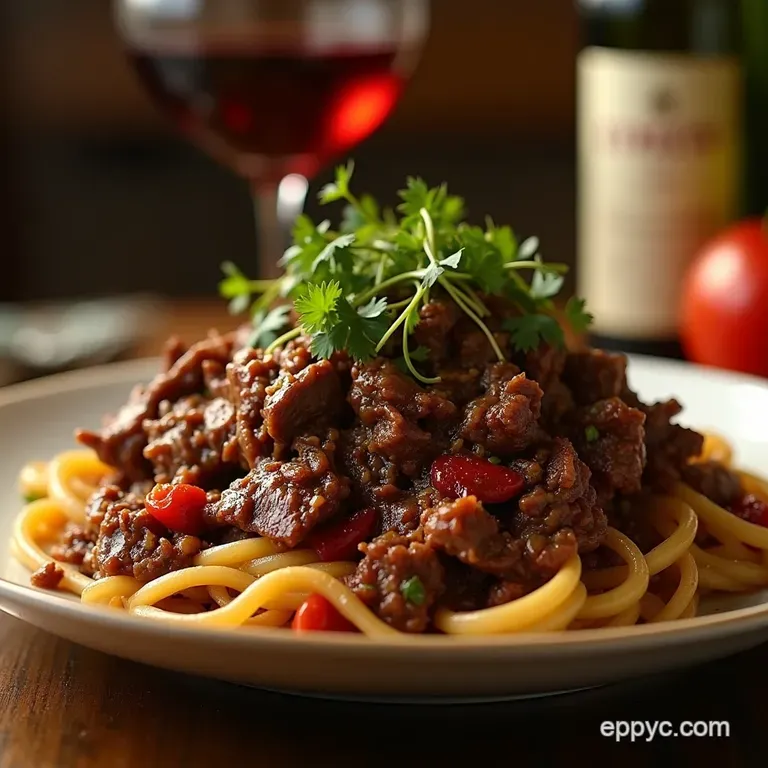
The process starts hot and fast before moving to slow and gentle. Patting the chuck roast absolutely dry is the key to a successful sear; moisture inhibits browning. After seasoning liberally, lightly dredge the meat in flour. Heat the olive oil in your Dutch oven over medium-high heat until shimmering.
Sear the roast intensely on all sides, aiming for a deep, dark mahogany crust, this Maillard reaction provides a layer of robust flavour that cannot be replicated later. Once browned, remove the roast immediately.
Executing the Long Slow Simmer: Achieving Peak Tenderness
With the sear complete and the deglazed aromatics and liquid added, nestle the roast back into the pot, ensuring it’s submerged about three-quarters of the way. Cover the pot tightly, sealing in the moisture and steam. The next several hours are purely hands-off, demanding only that you trust the process.
Whether you opt for the oven variation or utilize a Chuck roast recipes slow cooker setting, the goal remains the same: patience for 3.5 to 4. 5 hours until the roast yields with almost no resistance when prodded.
The Grand Finale: Perfecting the Sauce Consistency
Once the meat is tender, the final steps focus on maximizing the gravy's luxurious texture and flavour. The tenderness is confirmed by how easily the meat separates, signaling that the collagen has fully dissolved.
Step 1: Achieving a Deep Mahogany Crust on the Roast
This step is completed before any liquid is added. We are aiming for a deep, dark brown exterior, achieved by searing over medium-high heat for 3 to 4 minutes per side, depending on your stovetop's intensity.
This crust locks in flavour and serves as the aesthetic promise of the rich meal to come.
Step 2: Deglazing the Pot, Capturing Every Flavor Molecule
This is arguably the most important post-sear step. After sautéing the vegetables and tomato paste, pour in the red wine and immediately use a wooden spoon to aggressively scrape the bottom of the pot. These browned particles, called fond —are pure, concentrated flavour essence.
Reducing the wine by half concentrates this flavour before the stock is added, leading to significantly deeper Chuck roast dishes .
Timing Triumphs: Oven vs. Slow Cooker Method Variations
While the oven method at 325° F ( 160° C) provides a more uniform ambient heat that sometimes yields slightly better crust integrity on the bottom, the slow cooker offers sheer convenience.
If using a slow cooker, set it to LOW for 8 to 10 hours, or HIGH for 4 to 5 hours. Both will successfully break down the meat, though the oven often concentrates the sauce slightly better due to less evaporation.
This versatility means you have fantastic options across all standard Chuck roast recipes .
Shredding Techniques: The Final Separation of Meat Fibers
Once removed to a board, allow the roast to rest for about 15 minutes. This resting period lets the internal juices redistribute. Using two forks, gently pull the meat apart along the grain. The tenderness should be so profound that little effort is required.
Remove and discard any remaining large pieces of fat or tough seams.
Maximizing Leftovers: Creative Ways to Repurpose This Classic Chuck Roast Dishes
The richness of this slow-cooked meat means it excels in multiple forms beyond the initial serving. If you find yourself with leftovers, consider transforming them into something new. This shredded beef is phenomenal mixed into hearty chili or layered into warm, cheesy quesadillas.
For a Tex-Mex flair, try incorporating it into traditional Chuck roast recipes mexican style by reheating it with a dash of chipotle powder and serving it over rice or wrapped in warm tortillas, a perfect repurposing of our tender braise.
Troubleshooting and Technique Refinements for Next Time
Even the most straightforward recipes can sometimes have hiccups, but with Chuck roast ideas , adjustments are usually simple. If your sauce seems too thin at the end, simply simmer it uncovered for 10- 15 minutes to allow natural reduction, or whisk in a cornstarch slurry (1 part starch to 2 parts cold water) until thickened.
If the meat seems dry, it likely needed another 30 minutes of cooking time; next time, rely on the "fork-tender" test rather than just the clock.
Pairing Perfection: Suggested Sides for Your Tender Roast
To balance the richness of this deeply savoury dish, you need sides that can either soak up the sauce or provide a bright counterpoint. The absolute classic pairing is creamy, buttery Mashed Potatoes, they are the perfect sponge for that luscious gravy.
For necessary contrast, consider sharp, slightly bitter greens like Garlic Sautéed Broccolini or simple steamed green beans. Don't forget thick slices of crusty Sourdough Bread to ensure not a drop of that magnificent sauce is wasted.
Storage Guidelines: Freezing and Refrigeration Secrets
This slow-cooked beef freezes beautifully. After shredding and mixing with some of the sauce, cool the mixture completely, then store it in airtight containers for up to three months. For immediate use, the cooked roast and sauce will keep well in the refrigerator for up to four days.
If you chill the finished gravy overnight, the fat will solidify neatly on top, allowing you to easily scoop it off before reheating the meal.
Altitude Adjustments: Modifying Cook Times Successfully
For those cooking at higher altitudes (above 3,000 feet), water and liquids boil at lower temperatures, which can slightly slow down the rate of collagen breakdown. You may need to add 30 to 45 minutes to the total cook time to ensure the meat reaches that optimal tenderness.
Keep checking with a fork rather than rigidly adhering to the time, as slow cooking is always about texture, regardless of elevation.
Nutritional Snapshot: Understanding the Heartiness of This Meal
This preparation provides a robust foundation for a meal, being exceptionally high in protein. While the fat content is substantial due to the cut, much of it renders into the braising liquid. For 6 generous servings, expect roughly 550 to 620 calories per portion, high in protein and iron.
If you wish to lighten the load slightly, ensure you thoroughly skim the fat from the chilled sauce before serving, significantly reducing the final saturated fat content of your indulgent Chuck roast dishes .
Recipe FAQs
What’s the secret to making sure these Chuck Roast Dishes aren't dry?
The absolute key is the slow cooking method, braising! Chuck roast is full of connective tissue that needs time (3.5+ hours at a low temperature) to melt into tender gelatin. Make sure your liquid covers at least two-thirds of the meat, and resist the urge to lift the lid constantly; keep that moisture trapped in!
Can I use my slow cooker or Instant Pot instead of the oven for these Chuck Roast Dishes?
Absolutely, it’s a doddle in a slow cooker; just set it to low for 7-8 hours or high for 4 hours after searing and sautéing the vegetables. If using an Instant Pot, cook on High pressure for 60 minutes, followed by a natural pressure release for 15 minutes, it’s brilliant for saving time on a dreary Tuesday night.
My roast didn't brown very well; will that ruin the flavour of the whole dish?
It’s a bit of a shame, but don’t fret; it won't ruin it entirely! That deep brown crust from searing is essential because it develops complex, savoury flavour through the Maillard reaction.
Next time, ensure your oil is hot enough that the meat sizzles immediately, and don't overcrowd the pot, that's key for a proper golden-brown finish.
I have leftovers; how should I store and reheat this shredded chuck roast?
Chuck roast is often better the next day, so you're in luck! Store it in an airtight container in the fridge for up to 4 days; the sauce will thicken beautifully overnight. Reheat gently on the stovetop over low heat, stirring frequently, or in short bursts in the microwave, adding a splash of extra beef stock if it seems a bit dry.
This recipe seems rich; what can I serve with it to balance out the meal?
That deep red wine sauce is certainly hearty, so you need something to cut through the richness. Think sharp or slightly bitter sides, a vibrant green salad dressed with a sharp vinaigrette, some tangy coleslaw, or just a simple side of lightly dressed, crisp green beans will do the trick splendidly.
The Ultimate SlowCooked Chuck Roast Dishes Red Wine Braise