Roasted Winter Squash Soup: Rich and Creamy
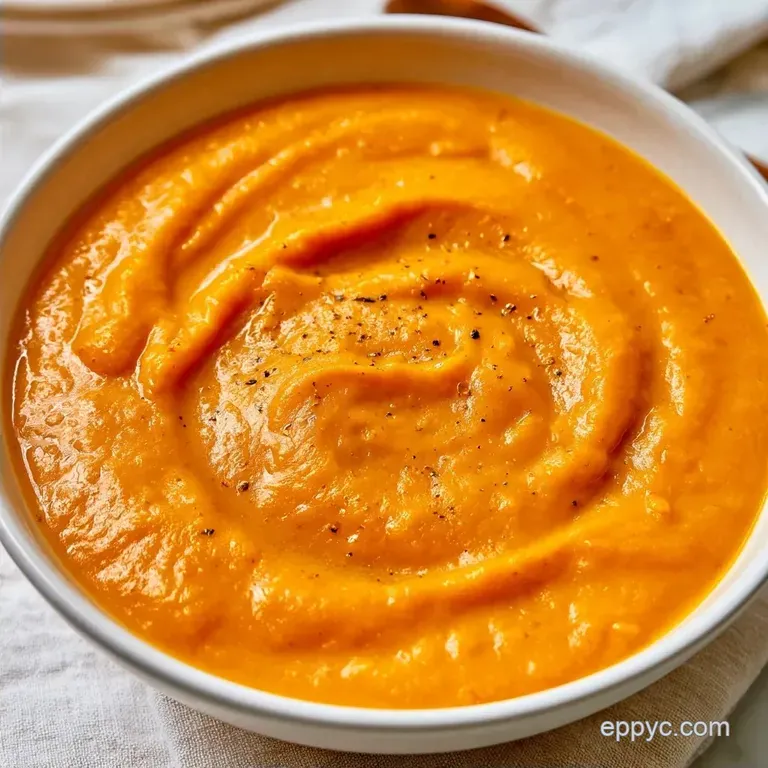
- Time: 15 min active + 60 min cooking
- Flavor/Texture Hook: Mahogany charred sweetness with a rich, creamy finish
- Perfect for: Chilly weeknight dinners or a cozy meal prep
There is nothing like the scent of toasted squash and charred onions wafting through the kitchen to kick off a cold afternoon. I used to just peel raw squash and simmer it in broth until tender, but that always resulted in a pale, thin soup that tasted more like baby food than a satisfying dinner.
You don't need to lean on heavy cream or excessive butter to achieve a thick, luxurious texture. The true depth is created in the oven, not the dairy aisle. By roasting the vegetables first, you draw out a natural sweetness that makes the soup feel indulgent without being overly heavy.
Patience during the first phase is essential for this Roasted Winter Squash Soup. Once those edges turn dark brown, the flavor evolves from "vegetable water" into something deeply savory. It's a straightforward process, but the roasting stage is where the transformation occurs.
The Roast Effect
Browned Sugars: Roasting creates caramelized edges on the squash and onions, which adds a nutty depth you can't get from boiling.
Fat Stability: Full fat coconut milk bonds with the squash fibers, creating a smooth body that doesn't separate when reheated.
| Method | Time | Texture | Best For |
|---|---|---|---|
| Stovetop | 30 mins | Lighter, thinner | Quick lunch |
| Oven Roast | 60 mins | Rich, dense | Comfort dinners |
What Each Ingredient Does
The winter squash provides the bulk and a natural creaminess. I prefer butternut or kabocha for their sweetness. The yellow onion and garlic add the savory, aromatic base, and roasting them together removes the harsh raw bite.
For the liquid, vegetable or chicken broth keeps the flavor clean. Ginger and nutmeg are the heavy lifters here; ginger adds a tiny bit of heat, while nutmeg brings out the "autumn" vibe. The coconut milk gives it a lush feel, and a touch of maple syrup balances the salt. If you're looking for other cozy options, a hearty split pea soup is another great way to use a slow cooker or pot during the winter.
The Essentials List
- 1.36 kg (3 lbs) winter squash, peeled and cubed Why this? Provides the main body and natural sweetness
- 225 g (8 oz) yellow onion, quartered Why this? Introduces a rich, savory element once charred
- 55 g (2 oz) garlic, top sliced off Why this? Softens into a sweet, creamy paste
- 3 tbsp olive oil Why this? Helps distribute heat for better browning
- 1 tsp kosher salt Why this? Brings out the vegetables' inherent sweetness
- 1/2 tsp cracked black pepper Why this? Contributes a mild, earthy heat
- 950 ml (4 cups) low sodium vegetable or chicken broth Why this? Adjusts the thickness of the soup
- 1 tsp ground ginger Why this? Adds a bright, warming kick
- 1/2 tsp ground nutmeg Why this? A traditional companion for squash
- 390 ml (13.5 oz) full fat coconut milk Why this? Ensures a rich, plant based creaminess
- 1 tbsp maple syrup Why this? Balances the sharp acidic notes
Substitutions
| Original Ingredient | Substitute | Why It Works |
|---|---|---|
| Coconut Milk | Heavy Cream | Equivalent fat levels. Note: Richer, more traditional dairy flavor |
| Maple Syrup | Honey | Comparable sweetness. Note: Adds a touch of floral flavor |
| Winter Squash | Pumpkin | Comparable starch profile. Note: Less nutty flavor than butternut |
The Right Gear
No specialized equipment is required, though a few tools make the process simpler. A parchment lined sheet pan is essential to keep the squash from sticking and scorching.
To blend, using an immersion blender is the simplest way to reach a smooth consistency right in the pot. If you're using a standard blender instead, be careful not to overfill the pitcher hot liquids expand and can force the lid open.
Bringing It Together
- Set your oven to 200°C (400°F). Combine the cubed squash and quartered onion on a parchment lined baking sheet with olive oil, salt, and pepper.
- Drizzle oil over the head of garlic, wrap it in foil, and place it on the same tray.
- Roast for 35-45 minutes, tossing the squash halfway through, until the edges are mahogany and the onion is charred.
- Press the roasted garlic cloves out of their skins and transfer them to a large pot. Note: The cloves should be soft and pale yellow.
- Mix in the roasted squash and onion.
- Add the broth, ground ginger, and ground nutmeg. Let it simmer gently over medium heat for 10 minutes.
- Remove from the heat and use an immersion blender to process the mixture until completely smooth.
- Stir in the maple syrup and full fat coconut milk.
- Warm on low heat for 2-3 minutes until heated through, ensuring it doesn't reach a rolling boil.
Pitfalls and Pro Tips

Be patient with the roasting process. If the squash is merely cooked without being browned, the soup will lack depth. Aim for those dark brown spots, as they are essential for a rich flavor.
Using a high speed blender can sometimes make the soup too thin by breaking down the fibers too aggressively. If this occurs, simply simmer the mixture for an additional 5 minutes before stirring in the coconut milk.
Fixing a Grainy Texture
Graininess often results from under roasting the squash or leaving bits of skin behind. For a perfectly silky result, pass the completed soup through a fine mesh sieve.
Preventing Coconut Separation
If the coconut milk overheats, it may split and look oily. Keep the heat low and remove it from the stove as soon as it is warm.
| Problem | Fix |
|---|---|
| Soup tastes bland | Add a pinch more salt or a squeeze of lime |
| Texture is too thin | Simmer for 10 more mins before blending |
| Soup is too sweet | Add 1/2 tsp of apple cider vinegar |
Scaling for Groups
If you're making a half batch, use a smaller baking sheet so the vegetables aren't spread too thin, otherwise, they'll dry out instead of roasting. Reduce the simmering time by about 20%.
For a double or triple batch, don't crowd one pan. Use two baking sheets. If you put too much squash on one tray, they'll steam instead of brown. For the spices, only increase salt and nutmeg to 1.5x initially, then taste and add more if needed.
Quick adjustments:
- More tang? → Stir in 1 tsp lemon juice.
- Extra spice? → Add 1/4 tsp cayenne pepper.
- Thicker body? → Use 1 cup of squash puree.
Kitchen Myths Debunked
You might hear that you have to peel squash with a knife, but a vegetable peeler or even roasting the skin (if it's a thin skinned variety like Delicata) works fine. For this recipe, peeling ensures a smooth blend.
Another myth is that you need a roux (flour and butter) to thicken a Roasted Winter Squash Soup. The starch in the squash and the fats in the coconut milk are plenty to create a rich body on their own.
Storage and Scraps
Keep this in a sealed glass jar in the refrigerator for as long as 4 days. The flavors deepen overnight, making it even more delicious the following day once the nutmeg and ginger have melded.
To freeze, allow the soup to cool entirely and store in portions for up to 3 months. Reheat on the stovetop over low heat. If the coconut milk appears separated after thawing, simply whisk it vigorously while warming.
Don't throw away the squash seeds. After cleaning them, coat them in olive oil and salt, then roast at 180°C for 15 minutes for a crunchy garnish. It's a wonderful way to minimize waste.
Creative Twist Ideas
If you want a more complex flavor, try an apple squash hybrid. Roast one Granny Smith apple along with the squash; the acidity cuts through the richness of the coconut milk.
For a savory "old fashioned" twist, swap the coconut milk for a splash of heavy cream and add a pinch of ground cloves. If you love other veggie forward meals, this pairs well with a side of toasted sourdough or a bowl of my creamy broccoli soup for a tasting menu feel.
Dietary tweaks:
- To make it vegan: It already is! Just ensure your broth is vegetable based.
- To increase protein: Stir in a can of white beans before blending.
- For a spicy kick: Add a tablespoon of red curry paste during the simmer phase.
Plating and Garnish
The "Bistro" look is all about the contrast. Since the soup is a deep orange, use bright toppings. A swirl of white coconut cream on top looks professional and tastes great.
Add a handful of toasted pumpkin seeds and a sprinkle of fresh parsley or chives. If you're serving this for a dinner party, pour it into shallow bowls and add a few drops of chili oil for a pop of color and a tiny bit of heat.
Precision Checkpoints:
- Oven Temp: 200°C (400°F).
- Roast Time: 35-45 minutes.
- Simmer Time: 10 minutes.
High in Sodium
920 mg 920 mg of sodium per serving (40% 40% of daily value)
The American Heart Association recommends limiting daily sodium intake to 2,300 mg to help lower blood pressure and reduce the risk of heart disease.
Tips to Reduce Sodium
-
Switch to No-Salt Added Broth-30%
Replace the low-sodium broth with no-salt added vegetable or chicken broth to significantly drop the overall sodium content.
-
Reduce or Omit Kosher Salt-25%
Cut the kosher salt in half or eliminate it completely, as the broth and coconut milk provide enough flavor base.
-
Use Citrus for Brightness-10%
Add a squeeze of fresh lemon or lime juice at the end; acidity mimics the taste of salt and enhances the squash flavor.
-
Boost Aromatic Spices
Increase the ground ginger and nutmeg or add a pinch of cinnamon to add complexity and warmth without adding any sodium.
Recipe FAQs
What squash is best for squash soup?
Butternut and kabocha squash provide the ideal balance of sweetness and creaminess.
Tip: Peel the squash completely to ensure the texture remains perfectly smooth.
Is it true that you can skip roasting the vegetables for a similar flavor?
No, and here's why. Roasting at 400°F develops mahogany colored edges and a caramelized depth that boiling simply cannot replicate.
Tip: Flip the squash halfway through roasting for even browning.
How to prevent the soup from separating when reheating?
Whisk the soup vigorously while heating it on the stovetop over low heat.
Tip: Avoid reaching a rolling boil, as this can cause the coconut milk to split.
What creamy alternatives work instead of coconut milk?
Use heavy cream or a blended cashew cream for a rich, velvety finish.
Tip: If you enjoyed the creamy consistency here, the same principle of fat-based thickening is used in our quinoa risotto.
Roasted Winter Squash Soup