Seasoned Roast Turkey: Crispy Herb Butter
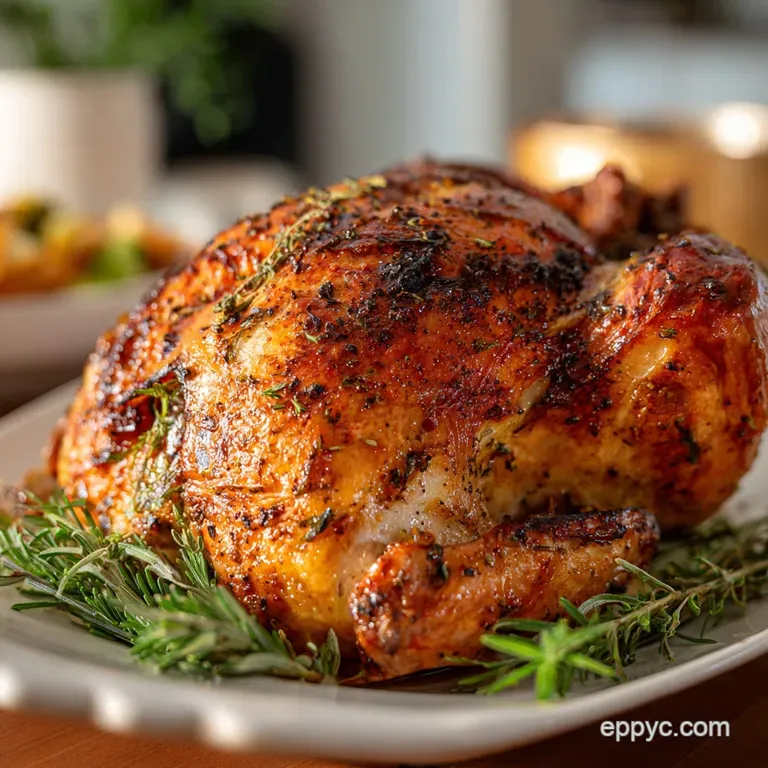
- Time: Active 45 minutes, Passive 3 hours, Total 3 hours 45 mins
- Flavor/Texture Hook: Smoked paprika and herb butter skin with a satisfying crunch.
- Perfect for: Thanksgiving dinner, Sunday roast, or holiday meal prep.
- Why This Bird Stays Juicy
- Specs for a Flawless Roast
- Analyzing the Core Flavor Components
- Essential Tools for Precision Cooking
- Detailed Steps for Roasting Success
- Solving Common Turkey Roasting Issues
- Innovative Flavor Variations to Try
- Safe Storage and Reheating Tips
- Best Serving and Pairing Ideas
- Common Myths About Roasting
- High in Sodium
- Seasoned Roast Turkey FAQs
- 📝 Recipe Card
I still remember the first time I heard that specific sizzle as I basted my bird. The kitchen was filled with the earthy aroma of sage and the sharp, bright scent of lemon zest. I’d spent years serving dry, tasteless meat that required a gallon of gravy just to swallow, but that day changed everything.
It was the day I stopped guessing and started using a bit of digital precision to empower my kitchen.
Honestly, we’ve all been there hovering over the oven door, wondering if the breast is turning into sawdust while the legs are still pink. This Seasoned Roast Turkey is the result of every mistake I’ve made, from soggy skin to over salting.
I’ve leaned on technology like digital meat probes to take the guesswork out of the equation. You’re going to get a bird that is consistently moist and packed with flavor, and trust me, your friends will be asking for your secret "tech" tips by the end of the night.
Why This Bird Stays Juicy
- Osmotic Pressure: Salt draws moisture out, then re absorbs it as a seasoned brine, seasoning the meat deeply.
- The Maillard Reaction: Smoked paprika and sugars in the onion powder react with heat to create dark, crispy skin.
- Fat Based Insulation: Softened butter tucked under the skin acts as a protective shield, preventing the breast meat from drying out.
- Aromatic Steam: The liquids from the onion and lemon inside the cavity create a flavored steam that seasons from the inside.
Right then, before we get into the nitty gritty of the spices, let's look at the timeline. Cooking a massive bird is all about thermodynamics. If you pull it out too early, it's a disaster; too late, and you're eating cardboard. Using a digital thermometer is the most impactful way to improve your results.
| Thickness | Internal Temp | Rest Time | Visual Cue |
|---|---|---|---|
| Whole 13 lb | 165°F (breast) | 30 minutes | Clear juices, golden skin |
| Breast only | 165°F | 15 minutes | Meat is opaque white |
| Thigh/Leg | 175°F | 20 minutes | Bone moves easily |
Strategic Aromatic Infusion
The secret to why this recipe works isn't just the seasoning on a turkey; it's the placement. By putting the garlic and herbs directly into a butter carrier, we are ensuring the flavor doesn't just sit on top and burn. Instead, the fat carries those aromatics deep into the muscle fibers.
Think of it as a flavor delivery system that works while you're relaxing.
Using fresh herbs like rosemary and sage provides a vibrancy that dried spices just can't match. When those fresh leaves hit the hot butter, they release volatile oils that perfume the entire house. It’s a heartfelt way to welcome guests before the food even hits the table.
Specs for a Flawless Roast
| Component | Science Role | Pro Secret |
|---|---|---|
| Kosher Salt | Protein Denaturation | Apply 24 hours early for a deep salt penetration. |
| Smoked Paprika | Color/Heat Reaction | Adds a smoky depth without requiring a smoker. |
| Lemon Zest | Acidic Brightness | Rub it directly into the salt to release citrus oils. |
Selecting the right bird is the first step in your digital cooking adventure. I always look for a 13 lb turkey because it fits perfectly in a standard roasting pan and cooks evenly. If you go much larger, the outside often overcooks before the inside is safe to eat. For a deeper flavor profile, consider using my Brilliantly Balanced Turkey Brine recipe before you start the roasting process.
Chef Tip: Freeze your butter for 10 minutes before grating it into your herb mixture. This creates little "pockets" of fat that melt slowly, creating a more even browning on the skin.
Analyzing the Core Flavor Components
For this recipe, we are using a mix of traditional spices and fresh aromatics. Each one plays a specific part in the final flavor profile. Don't skip the lemon zest; it provides a necessary high note to cut through the heavy fats.
- 13 lb whole turkey: Thawed and giblets removed. Why this? The ideal size for even heat distribution.
- Substitute: 12-14 lb bird works; adjust time by 15 mins.
- 3 tbsp Kosher salt: Draws out moisture and seasons. Why this? Larger grains stick better to the skin.
- Substitute: 2 tbsp Sea salt (finer grain).
- 1 tbsp Smoked paprika: Provides a rich, sunset color. Why this? Adds a faux rotisserie flavor.
- Substitute: Standard paprika for less smoke.
- 1 tbsp Onion powder: Sweetness and savory depth.
- Substitute: Garlic powder.
- 1 tsp Cracked black pepper: Provides a bit of heat.
- 1 cup unsalted butter: The fat carrier for our herbs. Why this? Unsalted allows you to control the brine.
- Substitute: Ghee for a higher smoke point.
- 2 tbsp fresh sage: Finely minced.
- 2 tbsp fresh rosemary: Finely minced.
- 1 tbsp fresh thyme leaves: Stripped from the stem.
- 4 cloves garlic: Grated into a paste.
- 1 tsp lemon zest: Brightness.
- 1 large yellow onion: Quartered for the cavity.
- 1 head garlic: Halved crosswise.
- 1 bunch fresh poultry herbs: For the cavity.
- 1 lemon: Halved for the interior.
Essential Tools for Precision Cooking
To really empower your cooking, you need the right gear. I don't mean expensive gadgets, but items that provide accuracy. A heavy duty roasting pan with a rack is non negotiable. The rack keeps the bird from sitting in its own juices, which is the main cause of a soggy bottom.
I also highly recommend a digital leave in thermometer. It’s like having a digital assistant in the oven with you. You can set an alert for 160°F, allowing for carryover cooking to take it to the final 165°F. This prevents that "dry breast" trap we all dread.
If you're feeling fancy, a digital kitchen scale ensures your salt to meat ratio is perfectly balanced every single time.
Detailed Steps for Roasting Success
The Signature Dry Brine
- Dry the bird. Use paper towels to pat the 13 lb whole turkey until the skin feels like parchment. Note: Moisture on the skin will steam rather than crisp.
- Mix the brine. Combine 3 tbsp Kosher salt, 1 tbsp Smoked paprika, 1 tbsp Onion powder, and 1 tsp Cracked black pepper in a small bowl.
- Apply the salt. Rub this mixture all over the skin and inside the cavity. Saturate every inch until the turkey looks orange red from the paprika.
The Herb Butter Rub
- Prepare the butter. Mix 1 cup softened butter with the minced sage, rosemary, thyme, 4 cloves of grated garlic, and 1 tsp lemon zest.
- Separate the skin. Gently slide your hand between the breast meat and the skin to create a pocket. Note: Be careful not to tear the skin or the butter will leak out.
- Apply the butter. Stuff the herb butter into the pockets and spread it evenly over the meat under the skin.
The Cavity Aromatics
- Stuff the cavity. Place the quartered yellow onion, the halved garlic head, the bunch of fresh poultry herbs, and the lemon halves inside the turkey.
- Truss the legs. Tie the legs together with kitchen twine until they are snug but not tight.
Mastering the Roast
- Begin roasting. Place the turkey in a 325°F oven. Roast for about 3 hours until the skin is dark golden and the internal breast temp hits 165°F.
- Rest the meat. Remove from the oven and let it sit on a cutting board for 30 minutes until the juices have redistributed.
Many people ask about the best way to handle the seasoning on a turkey during the long cook. I suggest not basting for the first two hours. Let the skin set and the butter do its work underneath. If you open the oven too often, you're just losing heat and extending your cook time.
Trust the process and your digital tools.
Solving Common Turkey Roasting Issues
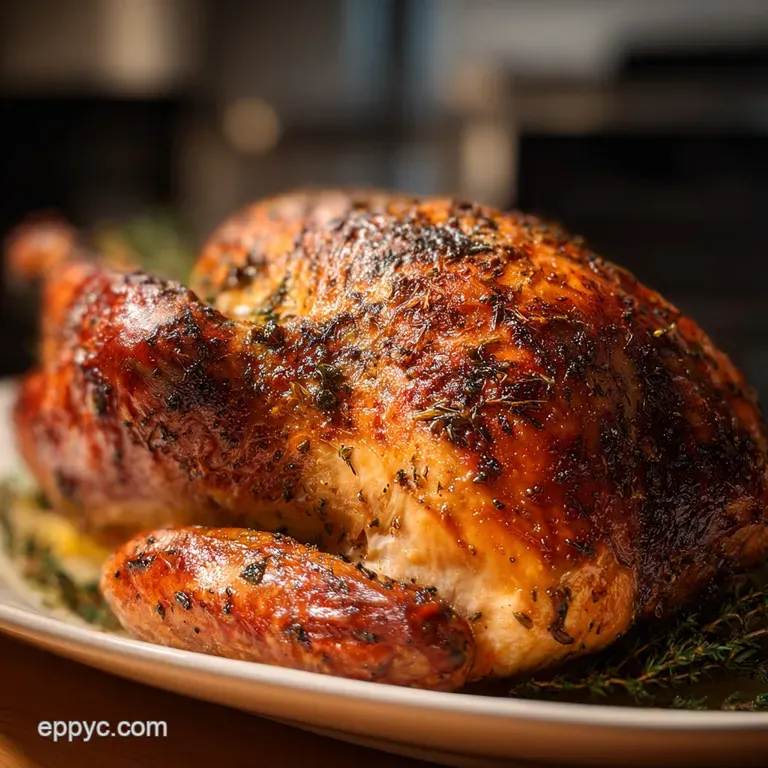
Even with the best plan, things can go sideways. I remember one year my oven’s calibration was off, and I almost served a raw bird. Technology is great, but you have to know how to troubleshoot when the "sizzle" sounds more like a "splatter."
Why Your Turkey Skin Is Soggy
This usually happens because there was too much moisture in the roasting pan or the skin wasn't dried properly. If the bird is sitting in liquid, it's essentially boiling the bottom half. Always use a rack.
Why Your Turkey Is Dry
If you hit 165°F and it's still dry, you likely didn't let it rest. Cutting into a hot turkey is like popping a water balloon; all the moisture just runs onto the board. Give it 30 minutes!
| Problem | Root Cause | Solution |
|---|---|---|
| Burnt Skin | Oven rack too high | Move to lowest rack and tent with foil. |
| Pink Thigh Joints | Uneven heat | Ensure legs aren't trussed too tightly. |
| Bland Meat | No dry brine | Season at least 12 hours in advance next time. |
Common Mistakes Checklist
- ✓ Pat the turkey skin bone dry before applying any fat or salt.
- ✓ Use a digital thermometer to monitor the thickest part of the breast.
- ✓ Let the bird rest for a full 30 minutes before the first slice.
- ✓ Ensure the turkey is fully thawed; a frozen core will never cook evenly.
- ✓ Avoid basting with watery liquids; use melted butter or nothing at all.
Innovative Flavor Variations to Try
If you want to move away from the traditional herbs, there are plenty of ways to change the seasoning on a turkey. I love experimenting with different global palettes. For instance, a Cajun Turkey Seasoning Rub is a fantastic way to add some heat to your holiday table.
Simply swap the rosemary and sage for cayenne, dried oregano, and thyme.
Another option is the Minimalist: Simple Turkey Seasoning. This is just salt, pepper, and a massive amount of butter. It's for the purists who want the flavor of the bird to shine through without the distraction of heavy herbs. It's a very heartfelt approach to a classic Sunday roast.
| Style | Key Addition | Flavor Profile |
|---|---|---|
| Cajun | Cayenne & Oregano | Spicy, bold, and smoky |
| Citrus | Orange & Lime | Bright, acidic, and fresh |
| Mediterranean | Oregano & Lemon | Herby, light, and zesty |
If you are looking for a more intense flavor, you might want to look into a Turkey Seasoning Recipe that focuses on dry rubs rather than herb butters. It’s all about what your family prefers. Personally, I think the butter method we used today provides the most velvety texture.
Safe Storage and Reheating Tips
Once the meal is over, you’ve got to handle the leftovers with care. Storage: Keep the carved meat in an airtight container in the fridge for up to 4 days. If you want to keep it longer, you can freeze it for up to 3 months, though the texture of the skin will suffer once thawed.
Zero Waste: Never throw away that carcass! The bones are packed with collagen. Throw them into a pot with some veggie scraps to make a phenomenal stock. If you have leftover meat, it works perfectly in a Turkey Ala King recipe the next day. It’s a great way to empower your meal planning for the rest of the week.
To reheat, I recommend placing the meat in a shallow dish with a splash of stock and covering it tightly with foil. Heat it at 300°F until just warmed through. This prevents the "microwave rubber" effect that ruins so many leftovers.
Best Serving and Pairing Ideas
Serving a 13 lb bird is all about the presentation. I like to garnish the platter with fresh sprigs of rosemary and halved pomegranates for a pop of color. It looks like something out of a digital food magazine but only takes seconds to put together.
When it comes to pairings, you can't go wrong with the classics. A rich, creamy mashed potato or a Pot Roast recipe side of root vegetables works beautifully. The saltiness of the turkey is balanced by the sweetness of roasted carrots or parsnips.
- Wine Pairing: A crisp Chardonnay or a light Pinot Noir.
- Side Dish: Garlic mashed potatoes and green bean almondine.
- The Sauce: Always serve with a Turkey Neck Gravy recipe to tie all the flavors together.
The Physics of the Crisp
To get that skin to truly shatter, you need to understand the science of evaporation. By leaving the bird uncovered in the fridge during the dry brine phase, you are allowing the cold air to wick away surface moisture. This creates a thin, dry layer of skin that crisp up instantly when it hits the heat of the oven.
It’s a simple trick that yields professional results.
Avoiding Dry Breast Trap
The biggest mistake people make on a turkey is cooking it until the legs are done, which usually means the breast is way past 165°F. Because the breast is leaner, it cooks faster. By stuffing herb butter under the skin, we are adding fat that bastes the meat from the inside out.
This protects those delicate proteins from denaturing too quickly and becoming tough.
The Signature Dry Brine (The Foundation)
Don't think of the salt as just seasoning; think of it as a structural change to the meat. The salt breaks down the tightly wound muscle fibers, allowing them to hold onto more water during the cooking process. This is why a dry brined bird always tastes juicier than one seasoned right before it goes into the oven.
Common Myths About Roasting
Basting makes the meat juicier. Actually, basting only affects the surface. Meat is not a sponge; it cannot absorb liquid once the proteins have started to tighten from the heat. All basting really does is slow down the crisping of the skin and let heat out of the oven.
Searing seals in the juices. This is a classic kitchen tale. Searing creates flavor through the Maillard reaction, but it doesn't create an impenetrable barrier. Moisture loss is inevitable, which is why resting the meat is the only real way to keep it succulent.
You must wash the turkey first. Please don't. Washing raw poultry in the sink just splashes bacteria all over your kitchen surfaces. The heat of the oven will kill any pathogens far more effectively than a quick rinse in the sink. Simply pat it dry and get to seasoning!
High in Sodium
945 mg mg of sodium per serving (41% % of daily value)
The American Heart Association recommends limiting sodium intake to no more than 2,300mg per day for most adults.
Tips to Reduce Sodium in Your Turkey Recipe
-
Reduce Kosher Salt-25%
Kosher salt is a major source of sodium in this recipe. Try reducing the amount from 3 tablespoons to 1.5 tablespoons. Taste the turkey during preparation and add more if needed, but remember that you can always add salt later, but you can't take it away!
-
Unsalted Butter is Key
You're already using unsalted butter, which is great! Continuing to use unsalted butter helps to control the sodium levels.
-
Fresh Over Processed
This recipe already utilizes fresh garlic and herbs. Continuing to opt for fresh, whole ingredients over processed versions helps control sodium intake and enhances flavor!
-
Flavor Boost with Herbs
Use generous amounts of fresh sage, rosemary, and thyme to enhance the flavor of your turkey. Herbs and spices are a fantastic way to add depth without adding sodium.
Seasoned Roast Turkey FAQs
What should I season my turkey with?
A balanced blend of salt, paprika, onion powder, and pepper is key. For added depth, incorporate fresh herbs like rosemary, sage, and thyme, along with grated garlic and lemon zest, infused into softened butter. This combination ensures flavor penetrates the meat and the skin crisps beautifully.
Is it better to rub a turkey with butter or olive oil?
Butter is generally preferred for its richness and ability to carry flavor. The fat in butter melts beautifully under the skin, basting the meat as it cooks and contributing to a crispier, more flavorful skin compared to olive oil, which can have a lower smoke point.
What is the secret to a moist turkey?
A dry brine for at least 12 hours and allowing the turkey to rest after roasting are the biggest secrets. The dry brine seasons the meat deeply and helps retain moisture, while resting allows the juices to redistribute throughout the bird, preventing dryness. If you enjoyed mastering moisture control here, see how the same principle applies in our HerbCrusted Beef Tenderloin Recipe with Red Wine Jus.
Which spice goes well with turkey?
Traditional herbs like rosemary, sage, and thyme are classic pairings. Smoked paprika adds a wonderful color and subtle smoky depth, while onion powder and garlic provide savory undertones that complement the turkey's natural flavor beautifully.
How do I prevent my turkey from drying out?
Use herb infused butter tucked under the skin and a digital thermometer. The butter acts as an internal basting agent, protecting the breast meat from overcooking. Aim for an internal temperature of 165°F in the breast, and remember to let the turkey rest for at least 30 minutes before carving.
Can I season my turkey with just salt and pepper?
Yes, a simple salt and pepper seasoning can be very effective. However, incorporating aromatics like garlic and lemon zest, or a touch of paprika for color, elevates the flavor profile significantly and is highly recommended for a more complex taste.
When should I season my turkey for best flavor?
Seasoning at least 12-24 hours in advance, known as a dry brine, is ideal. This allows the salt to penetrate the meat, seasoning it deeply and helping it retain moisture during cooking. This technique is akin to achieving perfect doneness in other roasts; if you mastered temperature precision here, apply it to our How to Make a Rib Roast: Perfectly Juicy with My Secret Herb Blend.
Seasoned Roast Turkey
Ingredients:
Instructions:
Nutrition Facts:
| Calories | 691 kcal |
|---|---|
| Protein | 83.1 g |
| Fat | 36.2 g |
| Carbs | 2.4 g |
| Fiber | 0.6 g |
| Sugar | 0.4 g |
| Sodium | 945 mg |
