The Crown Jewel Herbcrusted Roasted Beef Tenderloin with Red Wine Jus
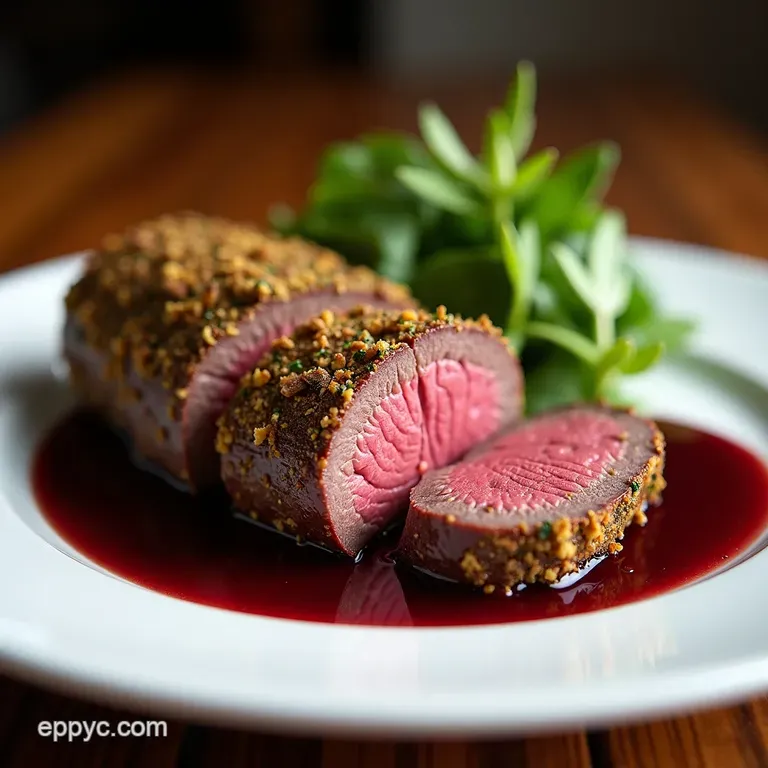
- Elevating the Centerpiece: Why This Herb-Crusted Beef Tenderloin Recipe Reigns Supreme
- The Philosophy Behind The Crown Jewel Roast
- Gathering the Essential Components for an Unforgettable Beef Tenderloin Recipe
- Sourcing and Prepping Your Star Ingredient
- The Blueprint: Step-by-Step Execution for Perfection
- The Crucial Art of Searing and Roasting Times
- Maximizing Your Masterpiece: Serving Suggestions and Leftover Wisdom
- Troubleshooting and Customization for Your Beef Tenderloin Recipe
- Nailing the Centrepiece: Choosing and Searing the Perfect Tenderloin
- Doneness: Mastering Internal Temperatures
- That Critical Pause: Why Resting Your Beef Tenderloin is Non-Negotiable
- Sauce Pairings: The Secret Weapon for Your Roast
- Frequently Asked Questions
- 📝 Recipe Card
Right then, settle down, grab a cuppa. We’re talking about turning heads at the dinner table without needing a culinary degree. If you’ve ever looked at those glossy magazine shots of a perfect roast and thought, "I’ll never manage that," well, think again.
This Beef Tenderloin Recipe is the one that finally breaks the intimidation barrier.
Elevating the Centerpiece: Why This Herb-Crusted Beef Tenderloin Recipe Reigns Supreme
You know the feeling when you walk into a room, and everyone stops because something smells utterly divine? That’s the goal here. We want the aroma of rosemary and roasting beef to fill the house.
When you’re planning a big Sunday roast or, let’s be honest, Christmas dinner, you need a main event that screams "special occasion."
Achieving Showstopper Status Without Kitchen Chaos
People often assume that an impressive cut like tenderloin means hours of fiddly work. Not a chance, mate. This isn't some fussy Wellington affair. The beauty of this Best Beef Tenderloin Recipe lies in its simplicity of execution contrasted with its massive flavour payoff.
You spend 30 minutes coating it, and the oven does the heavy lifting. While it roasts, you’re free to sort out the gravy or, more importantly, pour yourself a cheeky glass of wine.
If you’re looking for an Easy Beef Tenderloin Recipe that still looks like you’ve been slaving away since dawn, this is it.
Defining 'Best': Focusing on Robust, Classic Aromatics
When researching what people actually want from a top-tier Beef Tenderloin Recipe Oven cook, it often boils down to flavour depth without masking the meat. I’ve seen recipes trying to put everything but the kitchen sink on this cut, things like sweet and sour glazes (honestly, leave that for pork!).
The key is supporting the beef, not smothering it. We’re using a classic trio: sharp Dijon mustard as a binder, fragrant rosemary, and plenty of garlic. It's the flavour profile that never lets you down, solid, reliable, and utterly delicious.
The Philosophy Behind The Crown Jewel Roast
Why the fuss over tenderloin? Because it’s melt-in-the-mouth soft. It’s inherently tender, so our job is simply to give it an incredible external hug of flavour and cook it precisely.
Forget those complicated techniques you see online, like coating it in baking soda; we are sticking to tried-and-tested methods that guarantee success.
Meet Your New Go-To Holiday Main Course
This roast is perfect for when you need an Impressive Beef Tenderloin Recipe that you can rely on year after year. Whether you’re tackling a Holiday Beef Tenderloin Recipe spread or just want a stunning weekend dinner, this crust locks in the moisture beautifully.
If you’re worried about overcooking, remember my golden rule: always pull the meat 10 degrees below your target temperature . The resting period will finish the cooking perfectly, leaving you with that glorious, uniform pink centre.
It's a lesson I learned the hard way after serving one slightly grey centrepiece early in my cooking journey! This is now my definitive Simple Beef Tenderloin Recipe for impressing guests.
Related Recipes Worth Trying
- The Best Crispy Tater Tot Soup Recipe Loaded Comfort — Looking for truly hearty tater soup This easy tater tot soup recipe elevates the classic with cream bacon and crispy baked tots added last for crunch A...
- Easiest Crockpot Chicken Tacos Recipe for Weeknights — Need a dinner that practically cooks itself This easy crockpot chicken tacos recipe uses just a few ingredients for perfectly tender flavourful shredded...
- The Best Easy Pico de Gallo Recipe Fresh Fiery — Forget watery storebought salsa Learn the best Pico de Gallo recipe with simple ingredients for truly fresh zesty flavour that makes every chip sing Ready...
Right then, let's get this absolute showstopper of a Beef Tenderloin Recipe hammered out. You’re looking for the “best” beef tenderloin recipe?
Well, we need something that’s impressive enough for Christmas dinner but straightforward enough that you won’t be sweating buckets like you’re waiting for the results of a close general election. We’re going to lean into classic, robust flavours that let that gorgeous cut of meat sing.
This is what I call "The Crown Jewel: Herb-Crusted Roasted Beef Tenderloin with Red Wine Jus." Forget the fussy stuff; this is all about technique meeting top-notch ingredients.
Gathering the Essential Components for an Unforgettable Beef Tenderloin Recipe
If you want an Impressive Beef Tenderloin Recipe , the quality of your starting bits really matters. This isn't the time to scrimp, trust me. When I first tried this, I rushed the sauce and ended up with something thin, a total kerfuffle! Learn from my mistakes.
We are aiming for rich depth here, the kind that makes everyone lean back in their chairs.
Building the Depth: Components for the Red Wine Jus
The jus is what takes this from a nice roast to a legendary Holiday Beef Tenderloin Recipe . We need three main things: shallots for sweetness, proper dry red wine (Cabernet Sauvignon works a treat), and high-quality beef stock, don’t even think about the watery stuff from a carton, mate.
You’ll need 1 cup (240 ml) of wine and 1.5 cups (360 ml) of stock. If you absolutely must avoid wine, use beef stock with 1 tablespoon of balsamic vinegar for that acidic backbone. The cold butter whisked in at the end is key for that restaurant-quality glossiness.
Sourcing and Prepping Your Star Ingredient
This cut of meat is pricy, so we treat it with respect. That means trimming it properly and making sure it’s tied correctly so it cooks evenly, no skinny ends turning into leather while the middle is raw!
This is what separates an Easy Beef Tenderloin Recipe from a truly magnificent one.
Selecting the Optimal Cut: Trim and Tie Techniques
Grab a 3 to 3.5 lb (1.4 to 1.6 kg) centre-cut tenderloin. If it’s not already tied, get your butcher’s twine out. I tie mine every inch or so. Why? Because the tenderloin tapers; tying it keeps the shape uniform, ensuring you get perfect, evenly cooked slices.
If you’re worried about piercing the meat too much, a good, sharp knife for trimming the silverskin is your best friend.
The Mandatory Herb Rub Mix Ratios
This crust seals in all the goodness. You need four main things: fresh rosemary (2 tablespoons chopped), fresh thyme leaves (1 tablespoon), fresh parsley (2 tablespoons), and four cloves of minced garlic. Mix these with a good slathering of Dijon mustard (about 3 tablespoons) acting as the glue.
That Dijon tang cuts through the richness beautifully. If you’re worried about the herbs burning, you can add a quarter cup (30g) of Panko breadcrumbs to insulate them slightly, but I find it’s usually fine if you sear first and then roast at a slightly lower temp. Get that mixture rubbed on thick!
Once done, let it chill for an hour uncovered before it hits the Beef Tenderloin Recipe Oven .
Right then, let's get this absolute showstopper of a Beef Tenderloin Recipe hammered out. You’re looking for the “best” beef tenderloin recipe?
Well, we need something that’s impressive enough for Christmas dinner but straightforward enough that you won’t be sweating buckets like you’re waiting for the results of a close general election. We’re going to lean into classic, robust flavours that let that gorgeous cut of meat sing.
Think herbs, a beautiful sear, and a rich pan sauce. This is my take on "The Crown Jewel."
The Blueprint: step-by-step Execution for Perfection
This part is all about prep. Get this sorted, and the rest is a piece of cake. Honestly, if you can tie your shoelaces, you can nail this. We want that meat seasoned right to the core before it even sees the heat.
Phase 1: Infusing Flavor, Applying the Herb Crust and Resting
First things first, pat that beautiful beef tenderloin dry. Seriously, dry it like you're drying the washing on a windy day in Blackpool. Moisture is the enemy of a good sear.
- Seasoning: Take your coarse salt and pepper. Don’t be shy; this is a big piece of meat. Rub it everywhere.
- The Binder: Once seasoned, brush the entire tenderloin surface with Dijon mustard. This acts as the glue for our flavour bomb.
- Crust Application: Mix up your finely chopped rosemary, thyme, parsley, and garlic. If you’re feeling fancy, chuck in a pinch of panko for texture, but it’s optional. Press that herb mix firmly onto the mustard coating. I learned the hard way that pressing it on properly means the crust stays put during the transfer.
- The Chill: Place the crusted beef on a rack over a baking sheet. Stick it in the fridge, uncovered, for at least an hour. This step is non-negotiable for the Best Beef Tenderloin Recipe . It firms up the crust and chills the exterior, preventing the inside from cooking too fast when it hits the hot pan.
The Crucial Art of Searing and Roasting Times
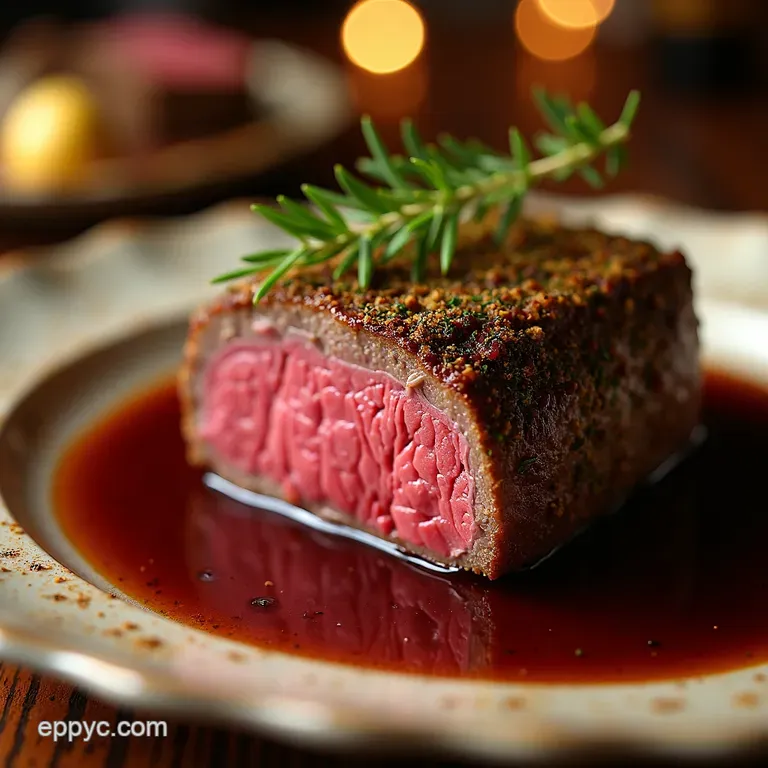
This is where the heat comes in, my friends. We are aiming for that perfect rosy pink centre, which means temperature control is everything. Forget guesswork; get a thermometer.
Achieving a Golden Exterior: The Searing Technique
Get your oven-safe skillet, cast iron is your mate here, screaming hot over medium-high heat with a splash of olive oil. You want it shimmering, nearly smoking.
- Sear: Gently lay the beef in the hot pan. You’re aiming for about two minutes per side. You want a deep, dark mahogany crust. Listen for that loud sizzle; if it’s quiet, the pan isn’t hot enough.
- Transfer: Once all sides are beautifully browned, move the entire skillet straight into your preheated Beef Tenderloin Recipe Oven at 400° F ( 200° C).
Monitoring Internal Temperatures for Mid-Rare Excellence
This is the moment of truth for this Impressive Beef Tenderloin Recipe . Pull it out before you hit your target.
- Rare Target: Pull at 120° F ( 49° C).
- Medium-Rare (My Sweet Spot): Pull at 125° F ( 52° C) .
- Medium: Pull at 135° F ( 57° C).
Remember the carry-over cooking! It will jump another 5 to 10 degrees while resting. Do not walk away! This is what separates an Easy Beef Tenderloin Recipe from a tragedy.
Crafting the Luscious Red Wine Pan Reduction
While that majestic piece of beef is resting (for a good 15 minutes, minimum, I know it’s hard to wait!), we make the jus. This sauce turns a great roast into an unforgettable one.
- Sauté: Drain most of the fat from the skillet, leaving a tiny bit behind. Sauté your minced shallots until they soften up nicely, about three minutes.
- Deglaze: Pour in a full cup of dry red wine. Scrape up all those lovely brown bits stuck to the bottom of the pan, that’s pure gold, mate. Let the wine bubble furiously and reduce by half.
- Simmer: Add your beef stock and a sprig of thyme. Let this gently bubble away until it coats the back of a spoon slightly.
- Finish: Take off the heat and whisk in your cold cubes of butter, one by one, until the sauce looks glossy and rich. A drizzle of this over your sliced meat elevates this Holiday Beef Tenderloin Recipe completely. If you need it thicker, a tiny cornstarch slurry will sort you out sharpish. Slice thick and serve immediately. What a result!
Right then, let's get this absolute showstopper of a recipe hammered out. You’re looking for the “best” beef tenderloin recipe? Well, we need something that’s impressive enough for Christmas dinner but straightforward enough that you won’t be sweating buckets like you’re waiting for the results of a close general election.
We’re going to lean into classic, robust flavours that let that gorgeous cut of meat sing. Think herbs, a beautiful sear, and a rich pan sauce. A proper bit of British Sunday lunch charm, but scaled up for a proper centrepiece.
This Beef Tenderloin Recipe is one I turn to when I really need to pull out the stops.
This version, “The Crown Jewel,” is frankly superb. It’s an Impressive Beef Tenderloin Recipe that feels far more complicated than it actually is. Forget those fussy slow-cooker nightmares; this is the quick, high-impact method.
Maximizing Your Masterpiece: Serving Suggestions and Leftover Wisdom
So, you’ve nailed the roast. The aroma alone should have the neighbours peeking over the fence. But what do you serve it with? You don't want your stunning roast beef upstaged by a watery side dish, do you? Think of this as an orchestra; every instrument needs to play its part.
Pairing Perfection: Recommended Side Dishes and Wines
For a truly traditional, show-stopping meal, a proper Holiday Beef Tenderloin Recipe moment, you need velvety texture on the plate. My go-to is always creamy mashed potatoes. I mean, potatoes whipped with plenty of butter and a splash of hot cream until they are lighter than a cloud.
They mop up that gorgeous red wine jus perfectly.
On the green front, keep it crisp. Overcooked green veg is a tragedy. Asparagus, roasted quickly with a drizzle of olive oil and sea salt, offers a necessary bit of bite. Or, if you want something slightly more involved but still simple, try green beans sautéed quickly with a bit of finely chopped shallot.
It’s simple food, done brilliantly.
When it comes to wine, you need something with enough backbone to stand up to that rich beef and the depth of the jus. A good Cabernet Sauvignon is the classic call, or perhaps a smooth Bordeaux. Don't be shy; pour yourself a decent glass while you’re eating, you’ve earned it.
This is miles better than messing about with a Beef Tenderloin Recipe Slow Cooker approach when you want that lovely crust.
The Non-Negotiable Resting Period Explained
Listen up, this is vital. If you carve your tenderloin five minutes out of the oven, you’ll have a puddle of juice on your carving board and dry meat on the plate. It’s a disaster. When the roast comes out of the oven, the internal temperature is high, and all those muscle fibres are tense, holding the moisture in a tight grip. Resting, for a minimum of 15 minutes , tented loosely with foil, allows those fibres to relax. They redistribute the juices evenly throughout the meat. Think of it as letting the beef have a nice sit-down after its hard work in the heat. This step is what separates a good roast from the Best Beef Tenderloin Recipe going around.
Transforming Leftovers into Next-Day Delights
Nobody likes wasted food. Luckily, leftover roast beef is basically a gift from your past self. If you’ve got some gorgeous slices of this Beef Tenderloin Recipe Oven roast left, don't just let it languish in the fridge.
My favourite thing to do is whip up French Dip-style sandwiches the next day. Thinly slice the cold beef (the thinner the better). Warm up some crusty rolls, baguettes work a treat. Pile the beef high.
The secret is using the leftover jus (if you have any) or heating up some good quality beef stock with a splash of Worcestershire sauce to make a dipping broth. Dunk that sandwich in the hot broth. It’s lunch sorted without needing to fire up the oven again. It’s genuinely fantastic.
For a lighter option, thin slices of cold beef on toast with a sharp horseradish cream make for a cracking light supper.
Troubleshooting and Customization for Your Beef Tenderloin Recipe
Look, cooking is about learning, not perfection every single time. Even I occasionally have a minor wobble, but that’s why we learn the fixes. This isn't some fussy Michelin-star setup; this is a robust Easy Beef Tenderloin Recipe designed for real life.
If you're aiming for a Beef Tenderloin Recipe Grill version instead, remember you’ll need an indirect heat setup, keeping the temperature lower and slower, similar to the oven method, but constantly turning the meat to prevent scorching.
If your crust seems soft after searing: You probably didn't pat the meat dry enough beforehand, or maybe your fridge rest wasn’t long enough. The moisture is the enemy of a crisp crust!
If your jus is too thin: Don’t panic. That little cornstarch slurry I mentioned (1 tsp cornstarch to 2 tsp cold water) is your friend. Whisk it in slowly while simmering until it coats the back of a spoon. If it's too thick? Add a splash more stock or water.
Simple adjustments are the key to mastering any pan sauce.
This recipe relies on classic technique, which means it’s inherently flexible. Use it as a template for your own Beef Tenderloin Recipe Ideas . Want to add a smoky element? Mix a little smoked paprika into that herb blend. Fancy something sweeter?
A tiny bit of maple syrup mixed into the Dijon binder works wonders. The beauty of this cut is that it takes on flavour so beautifully, meaning you can adapt this centrepiece for any palate or occasion. Give it a go; you’ll find it’s much less intimidating than you first thought.
Nailing the Centrepiece: Choosing and Searing the Perfect Tenderloin
Right then, let's get this absolute showstopper of a recipe hammered out. You’re looking for the “best” Beef Tenderloin Recipe ? Well, we need something that’s impressive enough for Christmas dinner but straightforward enough that you won’t be sweating buckets like you’re waiting for the results of a close general election.
This magnificent cut of beef, the fillet, if you’re being posh, is naturally lean and tender. That’s the good news. The slightly less brilliant news is that because it has very little fat marbled through it, it can dry out faster than a week-old biscuit if you aren’t careful.
That’s why preparation and that initial sear are non-negotiable steps in any great Beef Tenderloin Recipe .
We’re going to lean into classic, robust flavours that let that gorgeous cut of meat sing. Think herbs, a beautiful sear, and a rich pan sauce. A proper bit of British Sunday lunch charm, but scaled up for a proper centrepiece.
If you follow this method, I promise you’ll have the Best Beef Tenderloin Recipe on your table.
Picking Your Prize Cut: What to Look For
Choosing the right beef is half the battle won. We’re after that beautiful, cylindrical shape, the Chateaubriand section, usually found in the centre of the whole tenderloin chain.
When you’re stood at the butcher's counter, have a good look. You want the meat to be a nice, even cherry-red colour. It should feel firm, not floppy. Avoid any sections that look drastically thinner on one end unless you plan to tie them up tight to even out the shape before cooking.
Uneven thickness equals uneven cooking, and nobody wants a bit of grey, overcooked fillet next to a blue centre.
Ask your butcher to ‘butterfly and trim’ it for you. That means they take off the silver skin, that tough, silvery membrane that won't render down or soften, and any excess fat dangling off. If they don't trim it, you'll need to do it yourself.
Just slide a thin, flexible knife under the silver skin and run it along the meat, keeping the knife almost flat against the beef. It’s fiddly, but it matters, trust me. This ensures a clean surface for our gorgeous herb crust later.
The Taming: Tying and Tempering
Once trimmed, a tenderloin needs shaping. It tends to flop about like a startled rabbit, which, again, leads to uneven cooking if you’re going for that Impressive Beef Tenderloin Recipe look. Grab your butcher’s twine.
Tie the roast neatly every inch or so, like little sausages linked together. This holds the shape beautifully. If you’re aiming for a Holiday Beef Tenderloin Recipe , this tidy presentation is key.
Now, here’s the part everyone skips, and it’s a massive rookie error: temperature. You cannot slap a fridge-cold piece of beef straight into a hot pan and expect magic. It will seize up, and you’ll end up with a thick band of grey meat around a cold centre. We want a happy medium.
Take the roast out of the fridge at least an hour, ideally two, before you plan to start cooking. We call this tempering. It needs to come up close to room temperature. This allows the heat to penetrate evenly right through the middle.
If you’re planning on trying this as an Easy Beef Tenderloin Recipe for a weeknight, this resting time is still vital, even if you’re just aiming for a simple pan-sear and finish in the Beef Tenderloin Recipe Oven .
The Golden Rule: Searing for Flavour
Right, the beef is tied and tempered. Time for the flavour bomb start. We are aiming for that deep, rich brown crust, known as the Maillard reaction. This isn't about cooking the meat through; it’s about building flavour layers you can taste in every slice.
Get your heaviest, oven-safe skillet, cast iron is the absolute best tool for this job, hands down. Put it on high heat with the olive oil. You want that oil hot, shimmering, almost smoking. Don't be shy; this initial blast of heat is crucial.
Season the roast aggressively, more salt and pepper than you think you need. Then, carefully place the roast in the hot pan. It should sizzle like the devil’s own chorus! Sear for about two minutes per side. You are looking for deep mahogany colour, not black char.
Turn it gently with tongs until all sides, including the ends, have had a good blast of heat.
Once seared, take the beef out onto a plate. While it’s still piping hot from the pan, brush it all over with that lovely Dijon mustard. This acts as the glue for our herb crust. Then, press that glorious mixture of herbs and garlic firmly onto the mustard layer.
This crust will protect the meat and infuse it with aroma as it roasts.
Here’s a personal lesson I learned the hard way: Don’t try to sear a huge roast straight after taking it out of the fridge. I once did that for a Simple Beef Tenderloin Recipe attempt; the outside burned before the centre even registered a temperature change.
Let it warm up first, then hit it hard with the heat!
Now, we pop this herb-crusted beauty onto a wire rack set over a baking sheet. Back into the fridge uncovered for an hour. This chilling period is not optional; it sets that crust perfectly so it doesn’t fall off in the oven.
Once chilled, it’s ready for the main event in the oven, or perhaps a gentle finish on the Beef Tenderloin Recipe Grill if the weather is cooperating. This prep work is what separates a good roast from an absolutely legendary one.
Doneness: Mastering Internal Temperatures
Right then, let’s talk brass tacks. If you’re going to go to the effort of sourcing a proper bit of beef like this tenderloin, the one thing that will make or break the entire operation is knowing when to pull it out of the heat.
This isn’t making a shepherd’s pie where things are forgiving; we’re dealing with the star of the show here. Getting the internal temperature bang on is the difference between a slightly overdone roast and what I call the 'Crown Jewel' experience.
For an Impressive Beef Tenderloin Recipe , precision matters more than your old nan’s ticking clock. I’ve learned this the hard way, usually around Christmas when I was trying to juggle the turkey, the sprouts, and this magnificent roast all at once.
Sweating over an oven, praying it’s pink inside? Not on my watch. We are using science, my friends, specifically, a decent meat thermometer.
The Golden Rule: Pull Early, Rest Late
I cannot stress this enough: you must undercook your beef slightly before you take it out of the oven. Why? Because of carry-over cooking. Think of it like leaving a kettle on the hob after you switch the gas off, it keeps bubbling away for a bit, doesn't it? The same thing happens with meat.
Once it leaves the intense heat of the oven, the residual heat trapped in the outer layers keeps pushing inwards.
When cooking this Beef Tenderloin Recipe Oven method, you need to account for a rise of about 10 to 15° F (that's roughly 5 to 8° C) after you remove it. If you’re aiming for a perfect Medium-Rare, which is my preferred way to serve this cut, tender, juicy, and just blushing pink, you need to pull the roast when the thermometer reads between 120° F and 125° F ( 49° C to 52° C) . If you wait until it hits 135° F in the oven, you’ll end up with a grey ring around the edge once it settles. Nobody wants that grey ring.
This is the secret to making your Beef Tenderloin Recipe truly stand out. It’s not about guessing; it's about confirming. Make sure your thermometer probe goes into the very centre, the thickest part, without touching any bone (though tenderloin rarely has much bone, thankfully!).
Understanding the Doneness Spectrum
Since this is such a lean, gorgeous cut, it’s best served on the rarer side. A dry tenderloin is a tragedy, frankly. Here is the quick-reference guide we'll follow. Remember, these are the pull temperatures , not the final resting temperatures:
- Rare: Pull at 115° F ( 46° C) . It will finish around 120–125° F. Barely warm in the middle. Great flavour, but can feel a bit too cool for some guests.
- Medium-Rare (The Sweet Spot): Pull at 120° F– 125° F ( 49° C– 52° C) . This gives you that classic, buttery texture. The roast will settle near 130° F. This is the temperature I hit for the Best Beef Tenderloin Recipe .
- Medium: Pull at 130° F ( 54° C) . It will finish around 135–140° F. Still pink, but losing that melt-in-the-mouth quality. Acceptable if you have fussy eaters.
- Medium-Well and Beyond: Honestly? Don’t bother. You’re better off roasting a cheaper cut of beef if you want it cooked through like that. The point of tenderloin is the texture.
If you are doing this on the Beef Tenderloin Recipe Grill —perhaps in the summer when you don't fancy heating the house up, the temperature control is trickier due to external flare-ups, so you need to be even more vigilant with your thermometer readings.
The Essential Rest: Where the Magic Happens
Once you hit that pull temperature, the clock is ticking, but not for cooking. It's time to rest. This step is arguably more important than the actual roasting time, especially for an Easy Beef Tenderloin Recipe where you want maximum payoff for minimum fuss.
Take that beautiful herb-crusted roast straight out of the oven. Do not slice it immediately. Place it on a wire rack set over a plate or baking sheet. Tent it loosely with some foil, don't wrap it tightly, or you’ll steam the beautiful crust we worked so hard to achieve!
The purpose of the rest is twofold. First off,, as mentioned, it allows the internal temperature to climb to its final, perfect degree. Next,, and crucially, it allows the muscle fibres, which contract tightly under the heat, to relax.
When they relax, they reabsorb the juices that were forced towards the centre during cooking. If you cut it straight away, those precious, flavourful liquids will just flood out onto your chopping board, leaving you with a dry interior.
I usually aim for a minimum 15-minute rest for a 3lb roast. If you’re making a larger Holiday Beef Tenderloin Recipe , give it 20 to 25 minutes.
This resting period is your perfect window to quickly whip up that rich red wine jus, it’s all timed perfectly. No stress, no fuss. Just trust the process, trust your thermometer, and you’ll nail this roast every single time. Enjoy the applause; you’ve earned it!
That Critical Pause: Why Resting Your Beef Tenderloin is Non-Negotiable
Right then, let’s talk turkey... well, not turkey, but the absolute pinnacle of roasts: beef tenderloin. If you’re following this guide to create what I truly believe is the Best Beef Tenderloin Recipe going, you’ve already nailed the searing, the herb crust, and you’re probably sweating slightly watching that oven temperature.
You’ve managed to keep the kids quiet, the dog behaved, and you’re about to pull this magnificent centrepiece out.
Hold your horses, mate. Don’t even think about reaching for that carving knife yet.
We are at the point where a lot of otherwise brilliant cooks mess up. They pull their roast out, whether it’s an Easy Beef Tenderloin Recipe for a Tuesday or a full-blown Holiday Beef Tenderloin Recipe —and carve it straight away.
That, my friends, is how you end up with a gorgeous roast that leaks all its precious, flavourful juices onto the chopping board, leaving you with dry, disappointing slices. It’s a culinary tragedy, akin to watching the last few minutes of a close rugby match when your team blows the lead.
The Science Bit (But Keep It Simple, Yeah?)
When that lovely beef tenderloin is roasting away in the oven, whether you’re using the Beef Tenderloin Recipe Oven method or grilling it up, the heat pushes all the moisture deep inside the muscle fibres right towards the centre.
It gets hot, tense, and all those lovely juices are crammed in there, looking for an escape route.
If you slice it immediately, those tense fibres snap open, and whoosh —all that flavour and moisture just floods out onto the board. It’s a total waste, honestly.
What we need is patience. Resting the meat gives those stressed-out muscle fibres a chance to relax, cool down slightly, and reabsorb those juices evenly throughout the whole joint.
It’s like letting a crowd disperse after a big concert; they calm down and settle back into their seats instead of rushing the exits all at once.
Timing and Technique: How Long is Long Enough?
This is where you need to trust the process. For a beef tenderloin of this size (around 3 lbs), I insist on a minimum rest of 15 full minutes . If you’ve cooked a larger crown roast, push it to 20 or even 25 minutes.
The key here is the temperature rise, known as 'carry-over cooking.' Remember when we pulled the roast out? We aimed for a temperature about 10° F below our final target for Medium-Rare (say, 115° F).
During that rest, the internal temperature will continue to climb by those crucial 5–10 degrees, bringing you exactly to that glorious 125° F mark without ever overcooking the centre.
My personal lesson learned? Early on, I used to rush this bit. I’d rest it for five minutes, slice it, and wonder why my Impressive Beef Tenderloin Recipe didn't taste as good the next day. Now, I use the resting time strategically.
While the meat is chilling out, I focus entirely on nailing that rich Red Wine Jus. It’s a perfect, structured workflow.
The Setup for Success: Tent and Wait
When you pull the tenderloin from the oven, slide it off the roasting tray and onto a clean cutting board or, ideally, a wire rack set over a tray. Then, you need to tent it loosely with foil.
Why loose? If you wrap it tightly like a Christmas present, you trap the steam that’s evaporating off the crust, and you’ll end up with damp, soggy meat instead of that lovely herb-crusted exterior we worked so hard on. Just drape the foil over the top like a little hat.
This keeps the outside warm while allowing the inside to redistribute its moisture peacefully.
So, as you start gathering your side dishes, maybe some perfect mash for this Beef Tenderloin Recipe Ideas session, just let the beef sit. It’s the hardest part of any Simple Beef Tenderloin Recipe , but it guarantees that every single slice of your effort is juicy, pink, and packed with flavour.
Don't try to rush perfection; sometimes, the best cooking happens when you step away and let the meat do its own job. Trust me on this one; it makes all the difference between good roast beef and truly spectacular roast beef.
Sauce Pairings: The Secret Weapon for Your Roast
Right then, let's get this absolute showstopper of a recipe hammered out. You’re looking for the “best” Beef Tenderloin Recipe ? Well, we need something that’s impressive enough for Christmas dinner but straightforward enough that you won’t be sweating buckets like you’re waiting for the results of a close general election.
We've got the herb-crusted roast looking stunning, but frankly, a beautiful piece of beef like this demands a proper sauce to go with it. It’s not just about taste; it’s about presentation, too.
For this Impressive Beef Tenderloin Recipe , we are diving headfirst into classics. A great sauce takes your cooking from "very good" to "call the food critics." Don't panic; we’re keeping it achievable.
I’ve tried a few things over the years, including a disastrous attempt at a Béarnaise that curdled faster than milk left out in a heatwave, so I'm sticking to what works reliably.
The jus we detailed in the main steps is brilliant, but sometimes you want something a bit punchier, or maybe you’re making this Holiday Beef Tenderloin Recipe for a crowd and need options.
The Richness of Reduction: Red Wine Jus Deep Dive
That red wine jus isn't just some thin gravy, is it? It’s the essence of all the good things that happened in that roasting pan. If you're following my method for the Beef Tenderloin Recipe Oven version, you're already capturing the fond —those dark, flavourful bits stuck to the bottom of the skillet after searing.
That’s gold dust, mate.
When you use a dry red wine to deglaze, you’re dissolving that flavour and concentrating it. The key here, and this is a lesson I learned the hard way when I first tried making a proper jus, is patience in the reduction stage. You need to let that liquid bubble away until it coats the back of a spoon nicely.
If you rush it, it tastes thin and alcoholic. If you let it go too far, it tastes burnt. A good trick I use? If you accidentally reduce it too much, just add a splash more hot stock and bring it back up gently. It’s a forgiving sauce if you respect the simmer.
This jus is particularly lovely if you are aiming for that Best Beef Tenderloin Recipe status, it cuts through the richness of the fat beautifully.
Herb Butter Brilliance: A Simpler, Brighter Alternative
Now, perhaps you aren't keen on working with wine, or maybe you’re serving people who prefer something lighter. Enter the humble, yet mighty, compound butter. This is my go-to for a quick, flavour-packed addition, especially if I’m using the Beef Tenderloin Recipe Grill method where pan sauces can be trickier to manage.
For a fantastic herb butter, you want good quality, unsalted butter left out on the counter until it's really soft, like room temperature soft. Mix in finely chopped fresh herbs, I love chives, parsley, and a little bit of tarragon if I'm feeling fancy.
Add some crushed garlic, a squeeze of lemon zest, and plenty of flaky salt and black pepper. Roll it up tightly in cling film into a little sausage shape and chill it until it’s firm again.
When you slice your perfectly cooked tenderloin, you just pop a thick, cold coin of this glorious herb butter right on top of the hot meat. As it melts, it cascades down the slices, coating the crust and releasing this amazing, fresh aroma.
It’s so effective, and it turns an Easy Beef Tenderloin Recipe into something spectacular in about five minutes flat. It’s one of those simple Beef Tenderloin Recipe Ideas that always gets rave reviews.
Why Sauce Matters for Tenderloin
Beef tenderloin is famously lean. It’s tender, yes, but it doesn't have the same deep, beefy flavour you get from a ribeye or a sirloin because there’s less marbling. That’s precisely why a great sauce or topping is non-negotiable. It provides the necessary lubrication and the flavour contrast.
The wine jus brings depth and acidity; the herb butter brings fat and fresh aromatic lift. Both elevate that gorgeous, mild flavour of the beef without overpowering it.
Whether you choose the deep, slow-cooked complexity of the jus or the vibrant freshness of the butter, remember this final, crucial point when planning your meal: sauce components should almost always be made just before serving or kept warm gently. Never boil your finished jus once the butter is in, or it can split.
For the butter, slice it thick and let people add it themselves right as they tuck in. It just makes the whole experience feel more personal and less fussy. These little touches are what make any Simple Beef Tenderloin Recipe feel like a million quid.
If you're craving more ideas, explore Seriously Moist Tres Leches Cake Recipe Ultimate Sponge , Best Brown Butter Stovetop Popcorn Recipe and Classic Apple Cinnamon Brown Betty Recipe Thrifty Comfort .
Frequently Asked Questions
What is the absolute best way to ensure my Beef Tenderloin Recipe comes out medium-rare and not dry?
The secret, my friend, is twofold: a reliable meat thermometer and resting! Pull the roast from the oven when it's about 10–15°F below your target temperature, as it will continue to cook while resting. For medium-rare, aim to remove it around 115–120°F (46–49°C).
My beef tenderloin isn't tied up, do I really need to truss it before cooking?
Yes, absolutely, if you want an even cook. Tying the roast with butcher's twine helps create a uniform cylinder shape, meaning the thin ends won't overcook before the thick centre is done. It's a bit of elbow grease, but it stops you from having one end like shoe leather!
How long should I let the beef tenderloin rest after cooking, and what happens if I skip this step?
Aim for a minimum of 15 minutes, loosely tented with foil, longer is often better for a roast this size. If you carve straight away, all those lovely juices, which have been pushed to the centre during cooking, will flood out onto your cutting board, leaving you with a less succulent result.
Don't be tempted to rush it!
Can I make the herb crust ahead of time, or is there a better way to use the Dijon mustard coating?
You can certainly prepare the herb mixture in advance, but apply it just after searing the meat. Applying the mustard binder while the meat is hot ensures it adheres perfectly. For best results, chill the mustard-and-herb-coated roast uncovered in the fridge for an hour to set that crust beautifully before it goes into the oven.
I have leftovers; how should I store and reheat this impressive Beef Tenderloin Recipe?
Store leftover slices tightly wrapped in the fridge for up to three days. The best way to reheat is gently: slice the meat thinly, place it in an oven-safe dish with a splash of beef stock or leftover jus, cover tightly with foil, and heat in a low oven (around 300°F/150°C) until just warmed through.
Avoid the microwave unless you fancy rubbery results!
HerbCrusted Beef Tenderloin Recipe with Red Wine Jus

