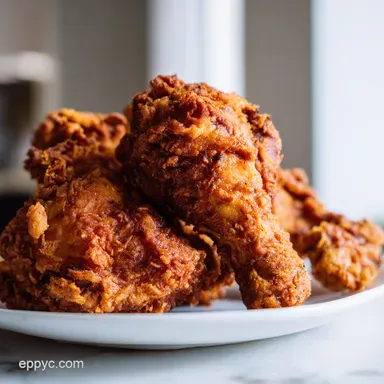
Southern Fried Chicken: Ultimate Crispy
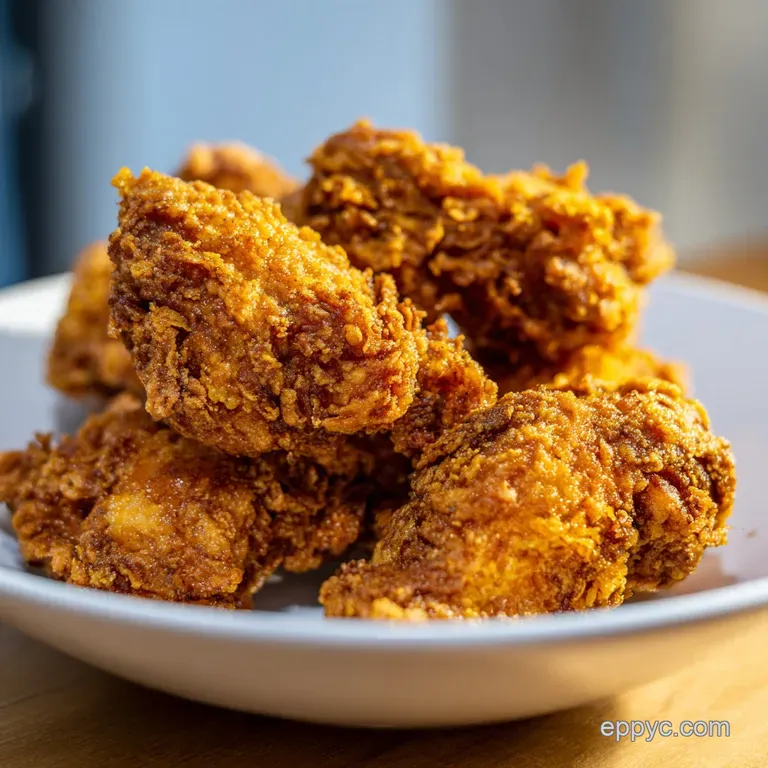
- Time:20 minutes active + 2 hours chilling = Total 2 hours 50 minutes
- Flavor/Texture Hook: Mahogany brown crust with a juicy, tender center
- Perfect for: Sunday family dinners or an impressive weekend feast
- The Best Southern Fried Chicken Recipe
- Why This Recipe Actually Works
- The Ingredient Breakdown
- Your Shopping List
- Kitchen Tools You Need
- The Step-By-Step Process
- Solving Common Cooking Issues
- Exciting Flavor Twists
- Scaling Your Batch
- Truth About Frying Myths
- Storage and Waste Tips
- Plating Your Chicken
- High in Sodium
- Recipe FAQs
- 📝 Recipe Card
The sharp, popping sizzle of chicken hitting hot oil is a sound that instantly transports me back to my aunt's kitchen. I can still smell that heavy, savory aroma of paprika and garlic filling every corner of the house. It was the kind of meal that didn't just feed you, it felt like a warm hug on a rainy afternoon.
We've all had that experience where the breading just slides right off the meat, leaving you with a sad, naked piece of chicken and a pile of fried dough in the pan. It's frustrating and, honestly, a waste of good oil.
I spent a long time figuring out why that happens, and it usually comes down to how the chicken is prepped and the temperature of the oil.
This Southern Fried Chicken is all about the contrast. You want that exterior to be so crisp it practically sings when you bite into it, but the inside needs to be tender and dripping with juice. Trust me on this, the double dip method is what makes the difference between a standard fry and a true Southern classic.
The Best Southern Fried Chicken Recipe
Right then, let's get into the guts of this. To get that signature look and feel, you can't just toss flour on a piece of meat and hope for the best. You need a system. This approach relies on a long soak and a specific starch blend to make sure the crust clings to the chicken like glue.
Most people rush the brining process, but that's where the magic happens. The acidity in the buttermilk doesn't just add a slight tang, it actually changes the structure of the protein. It makes the meat more receptive to the seasoning and ensures it doesn't dry out during the over high heat frying process.
If you're looking for a way to feed a crowd without spending all day in the kitchen, this is the way to go. While the chicken is chilling in the fridge, you've got plenty of time to prep your sides or just relax.
It's a low stress process once you have your station set up, and the results are consistently shatter crisp.
Why This Recipe Actually Works
I've always been curious about why certain crusts stay crispy while others go soggy within five minutes. It's not magic, it's just how the ingredients react to the heat.
Acidic Tenderizing: Buttermilk contains lactic acid which gently breaks down the tough fibers in the chicken. This means your breast meat won't turn into cardboard and your thighs stay velvety.
The Starch Hybrid: Mixing cornstarch with all purpose flour reduces the overall gluten content. Less gluten means a lighter, crispier crust that doesn't get "bread like" or chewy.
Oil Stability: Using peanut oil provides a high smoke point, allowing the chicken to fry at a steady temperature without the oil breaking down or tasting burnt.
Osmotic Seasoning: Adding salt to the brine allows the seasoning to penetrate deep into the meat, rather than just sitting on the surface.
When choosing between methods, it often comes down to how much time you have. A fresh brine is always king, but there are ways to speed things up if you're in a pinch.
| Method | Prep Time | Texture | Best For |
|---|---|---|---|
| Fresh Buttermilk Brine | 2 hours | Thick, shatter crisp | Weekend feasts |
| Dry Brine (Salt only) | 1 hour | Thinner, tighter crust | Quick dinners |
| No Brine (Direct coat) | 0 min | Variable, often drier | Absolute emergencies |
The difference in texture is noticeable. The buttermilk brine creates a physical barrier and a tacky surface that the flour loves to grip onto, which is why the crust stays put.
The Ingredient Breakdown
Not every ingredient is just there for flavor. Some are doing the heavy lifting to ensure the texture is just right.
| Ingredient | Science Role | Pro Secret |
|---|---|---|
| Buttermilk | Acidifier/Binder | Use full fat for a richer, more velvety meat |
| Cornstarch | Crisp Agent | Don't skip this; it's the secret to the "shatter" |
| Peanut Oil | Heat Medium | Keep it at a steady 180°C to avoid grease |
| Smoked Paprika | Flavor/Color | Adds a deep mahogany hue and woodsy notes |
Your Shopping List
Grab these items from the store. I've listed the substitutions in case your local shop is out of something, but keep in mind that some changes will alter the final result.
- 1.36 kg (3 lbs) bone in, skin on chicken pieces Why this? Bone in keeps the meat juicy during frying
- 475 ml (2 cups) buttermilk Why this? Provides the essential acid for tenderizing
- 30 ml (2 tbsp) hot sauce Why this? Adds vinegary tang and a hint of heat
- 15 g (1 tbsp) kosher salt Why this? Essential for deep flavor penetration
- 5 g (1 tsp) smoked paprika Why this? Gives a subtle campfire aroma
- 250 g (2 cups) all purpose flour Why this? The primary structure of the breading
- 60 g (1/2 cup) cornstarch Why this? Ensures a lightweight, crisp finish
- 10 g (1 tbsp) garlic powder Why this? Adds savory depth without burning
- 10 g (1 tbsp) onion powder Why this? Complements the garlic for a classic taste
- 10 g (1 tbsp) paprika Why this? Enhances the golden brown color
- 5 g (1 tsp) cayenne pepper Why this? Adds a controllable kick of spice
- 15 g (1 tbsp) salt Why this? Seasons the outer crust
- 5 g (1 tsp) black pepper Why this? Adds a sharp, woody contrast
- 946 ml (1 quart) peanut oil Why this? Stable at high heat and neutral flavor
If you need to swap things out, here is how it will affect your Southern Fried Chicken.
| Original Ingredient | Substitute | Why It Works |
|---|---|---|
| Buttermilk (2 cups) | Plain yogurt + milk | Similar acidity. Note: Thicker consistency, might need a splash of water |
| Peanut Oil (1 qt) | Canola or Vegetable Oil | High smoke point. Note: Slightly less flavor stability than peanut oil |
| Cornstarch (1/2 cup) | Rice Flour | Extremely crispy. Note: Results in a harder, more "glassy" crunch |
| Bone in Chicken | Boneless Thighs | Faster cook time. Note: Less flavor and higher risk of overcooking |
Honestly, don't even bother with low-fat buttermilk or skim milk. The fat is what carries the flavor and protects the meat from the intense heat of the oil.
Kitchen Tools You Need
You don't need a professional kitchen to do this, but a few specific tools make the job much easier.
- Cast Iron Skillet: This is non negotiable for me. It holds heat better than any other pan, meaning the oil temperature won't drop as much when you add the chicken.
- Wire Cooling Rack: Never put fried chicken directly onto a paper towel. The bottom will steam and get soggy. A rack allows air to circulate.
- Meat Thermometer: This is the only way to be 100% sure the chicken is safe and juicy.
- Large Mixing Bowls: You'll need two - one for the brine and one for the flour mixture.
- Tongs: For flipping the chicken without burning your fingers.
The step-by-step Process
Let's crack on with the cooking. Make sure your chicken is patted dry before you start the brining process.
- Mix buttermilk, hot sauce, salt, and smoked paprika in a large bowl. Submerge the chicken pieces fully, cover, and refrigerate for 2 hours. Note: This allows the acid to penetrate the meat.
- Whisk together the all purpose flour, cornstarch, garlic powder, onion powder, paprika, cayenne pepper, salt, and black pepper in a separate bowl. Note: Ensure there are no clumps of cornstarch.
- Remove chicken from the brine, allowing excess liquid to drip off for a few seconds, then press firmly into the flour mixture until fully coated. Note: Pressing the flour in creates those craggy bits that get extra crispy.
- Dip the coated chicken back into the buttermilk for one second and coat in the flour mixture a second time. Note: This "double dip" creates a thick, protective shell.
- Heat peanut oil in a cast iron skillet to 180°C (350°F). Note: Use a thermometer to avoid overheating the oil.
- Fry dark meat (thighs/legs) for 12-15 minutes and white meat (breasts/wings) for 8-12 minutes, flipping halfway through, until the internal temperature reaches 74°C (165°F) and the exterior is mahogany brown.
- Transfer chicken to a wire cooling rack to maintain crispness. Note: Let it rest for 5-10 minutes before eating to let the juices redistribute.
Chef's Tip: If you see the oil bubbling too aggressively, turn the heat down slightly. You want a steady sizzle, not a volcano.
Solving Common Cooking Issues
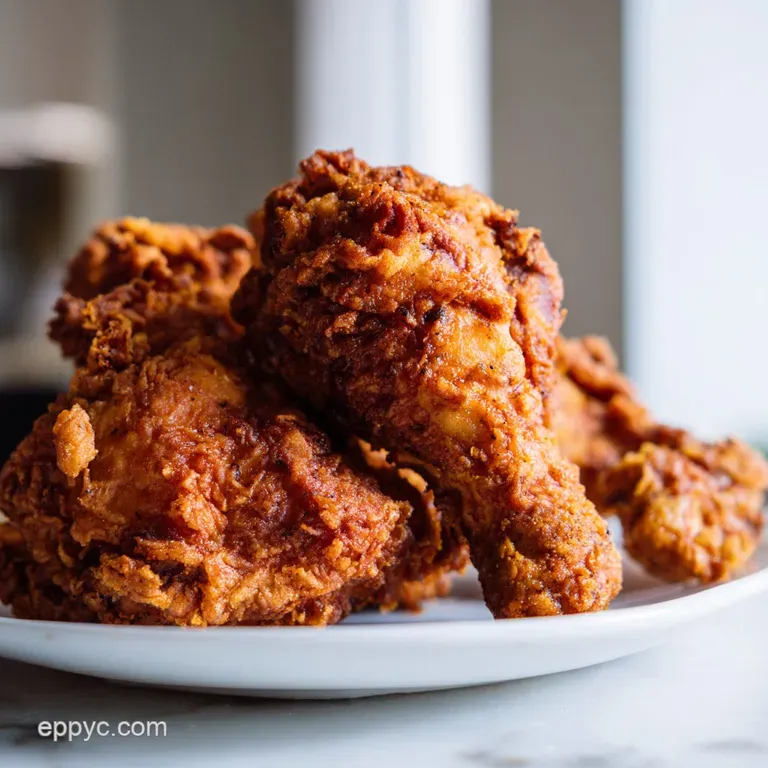
Even with a great plan, things can go sideways. Most issues with Southern Fried Chicken come down to temperature or moisture.
Breading is Peeling Off?
This usually happens when the chicken is too wet when it hits the flour or if the oil isn't hot enough to "set" the crust immediately. Ensure you let the excess buttermilk drip off before breading.
Burnt Outside, Raw Inside?
Your oil is too hot. The exterior browns and burns before the heat can reach the center. Lower your heat to 180°C (350°F) and consider using a slightly smaller piece of chicken.
Grease Soaked Crust?
This happens if the oil temperature drops too low (often from overcrowding the pan). When the oil is cool, the chicken absorbs it rather than searing.
| Problem | Root Cause | Solution |
|---|---|---|
| Breading slides off | Too much moisture | Let brine drip off; press flour firmly |
| Raw center | Oil too hot | Lower temp to 180°C; use thermometer |
| Oily texture | Pan overcrowded | Fry in smaller batches |
Common Mistakes Checklist:
- ✓ Did you check the oil temp before adding chicken?
- ✓ Did you use a wire rack instead of a plate?
- ✓ Did you let the chicken rest for 5 minutes?
- ✓ Did you avoid overcrowding the skillet?
- ✓ Did you use a thermometer to check the 74°C (165°F) internal temp?
Exciting Flavor Twists
Once you've got the base method down, you can start playing with the flavor profiles. This is where it gets fun.
The Air Fryer Pivot If you want a southern fried chicken air fryer version, spray the double coated chicken generously with oil. Cook at 190°C (375°F) for about 20-25 minutes, flipping halfway.
It won't be as mahogany brown, but it's still very satisfying.
The No Buttermilk Route For a southern fried chicken recipe without buttermilk, you can use a mixture of plain yogurt and a squeeze of lemon juice. This provides the necessary acid to tenderize the meat while maintaining that thick consistency for the breading.
The Wing Specialized Version When making a southern fried chicken wings recipe, reduce the fry time to about 8-10 minutes. Because wings are smaller and have more skin, they crisp up much faster and can easily overcook if you aren't careful.
The Sandwich Build To turn this into a southern fried chicken sandwich, use the breast meat. Slice a brioche bun, toast it with plenty of butter, and add a thick slice of pickle and some spicy mayo. It's a total classic.
If you're looking for a side dish to go with this, you can't beat a slice of homemade cornbread for that authentic feel.
Scaling Your Batch
Scaling fried chicken isn't as simple as doubling the ingredients because you're limited by the size of your pan.
Scaling Down (Half Batch) If you're only cooking for two, use a smaller skillet to keep the oil depth consistent. You can beat one egg and use half if you're substituting the brine, but for this buttermilk method, just halve the liquid volumes.
Reduce your overall cooking time by about 10-20% since smaller batches often heat up faster.
Scaling Up (Double or Triple Batch) When doubling the recipe, do NOT double the salt and cayenne in the flour mixture - only increase them by 1.5x. Spices can become overpowering in larger volumes. The most important thing here is to work in batches.
If you crowd the pan, the oil temperature will plummet, and you'll end up with greasy chicken.
When scaling up, you might find that the oil takes longer to return to 180°C between batches. Be patient and wait for the temperature to stabilize before adding the next round.
| Batch Size | Oil Volume | Temp Adjustment | Tip |
|---|---|---|---|
| Single | 1 quart | Standard | Use a 12 inch skillet |
| Double | 2 quarts | Monitor closely | Work in 3 separate batches |
| Triple | 3 quarts | Slow recovery | Use a deep pot or fryer |
Truth About Frying Myths
There's a lot of old school advice that just isn't true. Let's clear some things up.
Myth: Searing "seals in" the juices. Searing creates a crust and adds flavor, but it doesn't create a waterproof seal. The juiciness comes from the buttermilk brine and not overcooking the meat.
Myth: You must use lard for authentic taste. Lard is traditional, but peanut oil is far more stable and doesn't leave a heavy, greasy aftertaste. You get the same shatter crisp result with a cleaner flavor.
Myth: Double dipping makes the chicken too oily. Actually, a double coat creates a more robust barrier between the meat and the oil. As long as your temperature is correct, it just adds more crunch.
Storage and Waste Tips
Fried chicken is best fresh, but we've all had leftovers. The trick is in the reheating.
Storage Guidelines Keep your chicken in an airtight container in the fridge for up to 3-4 days. For the freezer, wrap pieces individually in foil and place them in a freezer bag for up to 2 months.
Reheating for Crispness Never use a microwave to reheat Southern Fried Chicken. It will turn the crust into a sponge. Instead, use an oven or air fryer at 175°C (350°F) for about 10 minutes.
This draws out the excess moisture and brings back the shatter crisp texture.
Zero Waste Strategy Don't throw away the chicken bones after you've eaten. Collect them in a bag in the freezer. Once you have a good pile, simmer them with carrots, celery, and onion to make a rich stock. According to the USDA FoodData, chicken bones are packed with minerals that make a great base for soups.
Plating Your Chicken
Presentation is the final touch. You want the chicken to look as good as it tastes.
Start by piling the chicken on a large platter, but keep them slightly separated so they don't steam each other. A few sprigs of fresh parsley or a lemon wedge on the side add a pop of color against that mahogany brown.
For a truly professional feel, serve it with a side of honey or a spicy maple syrup for dipping. The sweetness cuts through the richness of the fried skin perfectly.
If you're doing a full Sunday spread, this pairs beautifully with a side of turkey neck gravy poured over some mashed potatoes. It turns a simple meal into a feast.
Trust me, once you see that golden brown crust and hear that first crackle, you'll never go back to store-bought. Just keep your oil temp steady, don't rush the brine, and enjoy every single bite. Let's get frying!
High in Sodium
1120 mg 1120 mg of sodium per serving (49% 49% of daily value)
The American Heart Association recommends a daily limit of 2,300mg of sodium to maintain heart health and reduce the risk of hypertension.
Tips to Reduce Sodium
-
Slash Added Salt-30%
The recipe calls for two separate tablespoons of salt; reduce this amount by half or use a potassium based salt substitute to drastically lower sodium.
-
Swap Hot Sauce-20%
Replace the standard hot sauce with a low-sodium alternative or use a combination of fresh chili flakes and a splash of apple cider vinegar.
-
Modify Buttermilk-10%
Use low-sodium buttermilk or create a homemade version by mixing unsalted milk with a tablespoon of lemon juice.
-
Enhance with Spices
Increase the smoked paprika, black pepper, or add lemon zest to provide a punch of flavor that compensates for the reduction in salt.
Recipe FAQs
What is the secret to Southern fried chicken?
The buttermilk brine. Submerging chicken in buttermilk and spices for two hours tenderizes the meat and allows the flour to adhere more effectively for a thicker crust.
What ingredients are in Southern fried chicken?
A buttermilk soak and a seasoned flour dredge. It requires bone-in chicken, peanut oil, cornstarch, and a spice blend consisting of garlic powder, onion powder, paprika, and cayenne.
What is the difference between fried chicken and Southern fried chicken?
The use of a buttermilk brine and heavy seasoning. While standard fried chicken is simply battered, Southern style focuses on a long soak for moisture and a bold flavor profile that pairs perfectly with a piquant chicken sauce.
How to cook chicken if you have gallstones?
Switch to baking, poaching, or steaming. High fat ingredients like peanut oil can trigger gallbladder attacks, so avoid frying entirely to prevent pain.
How to get an extra thick, crunchy crust?
Double dip the chicken. Coat the chicken in flour, dip it back into the buttermilk for one second, and apply the flour mixture a second time before frying.
Is it true that reheating fried chicken in the microwave keeps it crispy?
No, this is a common misconception. Microwaving turns the crust into a sponge; instead, use an oven or air fryer at 350°F (175°C) for 10 minutes to restore the crunch.
How to prevent the breading from falling off during frying?
Press the flour mixture firmly into the meat. Once removed from the brine, push the seasoned flour into the chicken to ensure a secure bond before it hits the oil.
Southern Fried Chicken