Spritz Cookie Recipe
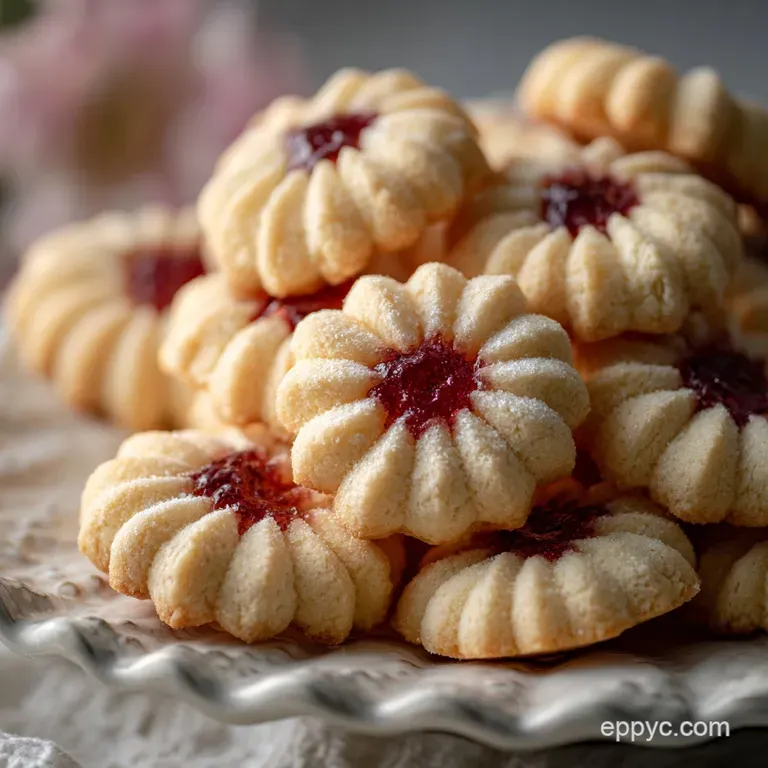
- Time: Active 15 minutes, Passive 8 minutes, Total 23 minutes
- Flavor/Texture Hook: A buttery, almond scented crumb with a brittle, delicate shatter
- Perfect for: Holiday gift tins or an artistic afternoon tea service
- The Architecture of the Buttery Snap
- Component Analysis and Selection Strategy
- Essential Tools for Sculptural Baking
- Step-by-Step Sculpting Instructions
- Refining Your Cookie Press Technique
- Elegant Flavor and Dietary Variations
- Scaling for Grand Occasions
- Debunking Spritz Baking Traditions
- Storage Guidelines and Zero Waste
- Curating the Perfect Dessert Presentation
- Spritz Cookie Recipe FAQs
- 📝 Recipe Card
The Architecture of the Buttery Snap
Plasticity Control: Using 1 cup (226g) of butter at exactly 65°F ensures the dough is pliable enough to flow through the press but firm enough to hold its shape. If the fat is too oily, the emulsion breaks, causing the intricate ridges of your stars and trees to blur into puddles.
Starch Reinforcement: The 2.25 cups (280g) of all purpose flour provides just enough gluten structure to prevent the cookies from crumbling upon contact. It acts as the internal scaffolding that supports the high fat content during the rapid 8 minutes of baking.
The Hydration Balance: A single large egg provides the necessary moisture to bind the flour and sugar without over hydrating the dough. Too much liquid would activate too much gluten, turning our delicate pastry into something bread like and tough.
| Target Servings | Dough Weight (Total) | Press Discs Used | Baking Sheets Needed |
|---|---|---|---|
| 30 Cookies | 345g | 1-2 Shapes | 1 Large Sheet |
| 60 Cookies | 690g | 3-4 Shapes | 2 Large Sheets |
| 120 Cookies | 1380g | 6+ Shapes | 4 Large Sheets |
Deciding how many batches to run depends entirely on your event, but keep in mind that this spritz cookie recipe yields about 60 servings per single batch. If you are prepping for a large gala or a neighborhood cookie swap, doubling the recipe is straightforward, though you should work in batches to keep the dough from getting too warm. Much like when I’m preparing a Classic Sugar Cookies recipe, the temperature of the room can change the dough's behavior quickly.
Component Analysis and Selection Strategy
| Ingredient | Science Role | Pro Secret |
|---|---|---|
| Unsalted Butter | Primary Fat & Flavor | Use high fat European style butter for a more velvety mouthfeel. |
| Granulated Sugar | Sweetness & Crispness | Sift the sugar first to ensure it aerates perfectly with the butter. |
| Almond Extract | Signature Aroma | Combine with vanilla to create a complex, "professional bakery" fragrance. |
| Fine Sea Salt | Flavor Enhancer | Salt sharpens the buttery notes and prevents the sugar from being cloying. |
Selecting your elements is where the artistry begins. You’ll need 1 cup (226g) of unsalted butter, which should be softened but still cool to the touch aim for that 65°F sweet spot.
For the sweetness, 3/4 cup (150g) of granulated sugar is the standard, providing the necessary aeration during the creaming stage.
The binding agent is 1 large egg, which should be at room temperature to prevent the butter from seizing. For that iconic scent, we use a duo of 1.5 tsp vanilla extract and 0.5 tsp almond extract. The dry foundation consists of 2.25 cups (280g) of all purpose flour and 0.5 tsp fine sea salt.
If you’re looking to experiment, a gluten-free spritz cookie recipe can be achieved using a high-quality 1:1 flour blend, though the texture will be slightly more sandy than the traditional version.
- Unsalted Butter: 1 cup (226g). Why this? Controls salt levels and provides the essential fat for a tender crumb. (Substitute: Salted butter, but omit the extra salt).
- Granulated Sugar: 3/4 cup (150g). Why this? Creates a crisp exterior and helps the dough "grip" the pan. (Substitute: Caster sugar for a finer texture).
- Large Egg: 1 unit. Why this? Adds structure and a hint of richness to the dough. (Substitute: 1/4 cup unsweetened applesauce for a denser, egg free version).
- Vanilla Extract: 1.5 tsp. Why this? Provides a warm, floral aromatic base. (Substitute: Vanilla bean paste for visual flecks).
- Almond Extract: 0.5 tsp. Why this? The classic "spritz" flavor that defines the holiday season. (Substitute: Lemon extract for a bright, citrusy twist).
- All Purpose Flour: 2.25 cups (280g). Why this? Offers the mid range protein content needed for shape retention. (Substitute: 1:1 gluten-free baking flour).
- Fine Sea Salt: 0.5 tsp. Why this? Balances the sweetness and intensifies the dairy notes. (Substitute: Table salt, but use slightly less).
Essential Tools for Sculptural Baking
To execute this spritz cookie recipe with precision, a cookie press is your primary tool. While you can technically find a spritz cookie recipe without a press (using a piping bag and a large star tip), the mechanical press provides the consistent pressure required for those uniform, iconic shapes.
A stand mixer, like a KitchenAid, is also a game changer for the creaming process, ensuring the sugar and butter are fully emulsified without overworking the dough by hand.
Beyond the press, you need heavy gauge aluminum baking sheets. Avoid non stick coatings or parchment paper for this specific cookie; the dough needs to "grab" the cold metal to release from the press. If the surface is too slippery, the dough will simply pull back up with the press instead of staying on the sheet.
I always keep a few small offset spatulas nearby to nudge any rogue sprinkles into place.
| Feature | Stovetop Dough Prep (Warm) | Stand Mixer Method (Cold) |
|---|---|---|
| Texture | Softer, spreads more | Firm, holds detail |
| Effort | High (hand mixing) | Low (mechanical) |
| Best For | Piping bag users | Cookie press users |
step-by-step Sculpting Instructions
- Cream the butter and sugar. Beat 1 cup (226g) butter and 3/4 cup (150g) sugar until pale and airy. Note: This takes about 3-5 minutes on medium high speed.
- Incorporate the aromatics. Add 1 large egg, 1.5 tsp vanilla, and 0.5 tsp almond extract. until the mixture is velvety and smooth.
- Sift and combine. Gradually add 2.25 cups (280g) flour and 0.5 tsp salt. until a soft dough forms. Note: Do not overmix or the cookies will be tough.
- Prepare the press. Pack the dough into your cookie press, ensuring there are no air pockets.
- Chill the sheets. Place your ungreased baking sheets in the fridge for 10 minutes until cold to the touch.
- Stamp the shapes. Press the dough onto the cold sheets, spacing them 1 inch apart.
- Apply color accents. Garnish with garnet red maraschino cherry halves or emerald green sanding sugar before they enter the heat.
- Bake the batch. Heat at 375°F for 8 minutes until edges are set but not browned.
- Set the structure. Cool on the pan for 2 minutes until they can be moved without breaking.
- Final flourish. Add ivory white pearl sprinkles or a dusting of powdered sugar after the cookies have cooled.
Chef's Tip: If the dough is too soft to hold its ridges, pop the entire loaded cookie press into the fridge for 10 minutes. This firms up the butter just enough to give you those sharp, professional looking edges.
Refining Your Cookie Press Technique
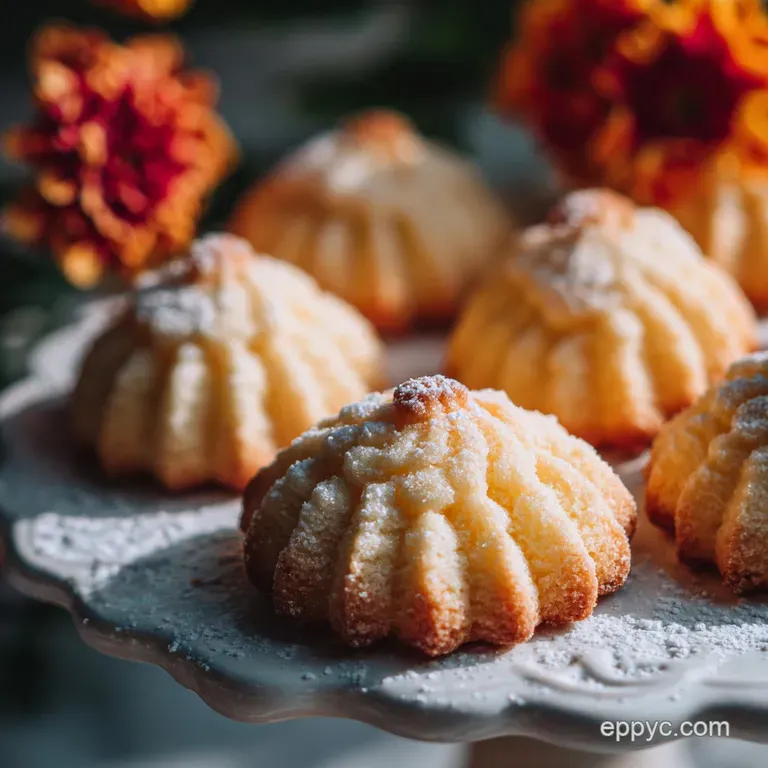
Managing the Dough Consistency
The biggest hurdle with a spritz cookie recipe for cookie press use is usually the "stick factor." If your dough is too cold, it won't exit the press; too warm, and it won't let go of the disc. I find that if the dough feels like soft play dough, it’s ready.
If you find yourself struggling, try the "one click" method: one firm click of the trigger, a slight pause to let the dough grab the pan, and a quick, vertical lift.
Achieving a Failure Proof Release
The secret is the pan. It must be clean, ungreased, and cool. If you are baking in batches, run your warm baking sheet under cold water and dry it completely before pressing the next round. This keeps the butter in the dough from melting prematurely, which is a tip I also use when I'm learning How to Bake recipe for chocolate chips.
| Problem | Root Cause | Solution |
|---|---|---|
| Cookies won't stick to pan | Pan is greasy or too warm | Wash with soap and chill the pan. |
| Dough is too stiff to press | Dough is too cold | Let it sit at room temperature for 10 mins. |
| Shapes are blurry/melted | Butter was too soft/warm | Chill the dough for 15 minutes. |
Common Mistakes Checklist
- ✓ Never grease your baking sheets; the dough needs friction to release from the press.
- ✓ Avoid using parchment paper, as it prevents the dough from adhering to the pan surface.
- ✓ Ensure your egg is truly at room temperature to maintain a stable emulsion.
- ✓ Don't wait for the cookies to turn brown; they should look "matte" and set when finished.
- ✓ Sift your flour to avoid tiny lumps that can clog the intricate discs of the press.
Elegant Flavor and Dietary Variations
For those who crave a bit more tang, a spritz cookie recipe cream cheese variation is a fantastic pivot. Simply replace half of the butter (113g) with softened cream cheese. This results in a slightly softer, more pillowy texture that still works beautifully in most presses.
It adds a subtle acidity that balances the richness of the sugar.
If you are catering to a crowd with specific needs, a gluten-free spritz cookie recipe is quite achievable. Use a blend that contains xanthan gum to mimic the "stretch" of gluten. For a dairy-free option, high-quality vegan butter sticks (not the tub kind) work best because they have a similar melting point to dairy butter.
Just be aware that the flavor profile will shift slightly toward the oils used in the butter substitute.
Decision Shortcut
- If you want maximum crispness, use only granulated sugar and a cold metal pan.
- If you want softer, richer cookies, swap 4oz of butter for cream cheese.
- If you want bold holiday colors, add gel food coloring to the dough before adding flour.
Scaling for Grand Occasions
When scaling this spritz cookie recipe down for a quiet afternoon, simply halve the ingredients. For the egg, beat it in a small bowl and use exactly 2 tablespoons. Halving the recipe is great for testing out new press discs without committing to 60 cookies.
Scaling up for a large holiday party (2x or 4x) requires a bit more care. I recommend making multiple separate batches rather than one massive bowl of dough. This prevents the butter from over warming as you work through the pressing process.
If you do make a double batch, keep half the dough in the fridge while you press the first half. When baking multiple sheets, remember to rotate your oven racks halfway through the 8 minutes to ensure an even, radiant finish.
Debunking Spritz Baking Traditions
One common myth is that you must use a wilton spritz cookie recipe or a specific brand's dough for the press to work. In reality, any dough with the correct fat to flour ratio will work. The "brand" doesn't matter as much as the temperature of your kitchen and your equipment.
Another misconception is that the dough needs to be chilled before pressing. While some recipes call for this, a spritz cookie recipe quick method actually works best with room temperature dough.
Chilling the dough makes it too hard to push through the small holes of the disc, often leading to broken plastic presses or sore wrists. Only chill the dough if your kitchen is exceptionally hot and the dough has become oily.
Storage Guidelines and Zero Waste
Storage: Once your cookies have achieved that sculptural, cooled state, store them in an airtight container at room temperature. They will remain crisp and flavorful for up to 2 weeks. For longer storage, these cookies are excellent candidates for the freezer.
Layer them with parchment paper in a heavy duty container; they’ll stay fresh for up to 3 months. To serve, just let them come to room temperature for 20 minutes they’ll regain that signature shatter.
Zero Waste: If you find yourself with broken cookies or "misfits" from the press, don't toss them! Grind the scraps into fine crumbs and use them as a buttery base for a cheesecake or a topping for a fruit crumble. You can also fold the crumbs into a Sauerkraut recipe dessert variation if you're feeling particularly adventurous with your flavor pairings, though usually, they are best served alongside a hot cup of espresso.
Curating the Perfect Dessert Presentation
These cookies are the crown jewels of any dessert platter. Because they are so small and delicate, I love pairing them with contrasting textures. Serve them alongside a velvety chocolate mousse or a vibrant fruit tart. The buttery snap of the cookie provides the perfect textural foil to creamy or soft desserts.
For a true show stopping moment, dip half of each cookie into melted dark chocolate and sprinkle with crushed pistachios or dried raspberry dust. This adds a layer of sophistication and a pop of color that makes them look like they came from a high end Parisian pastry shop.
Whether it's a spritz cookie recipe easy for a weeknight treat or a complex display for a wedding, the joy is always in the details.
Spritz Cookie Recipe FAQs
What is the secret to making spritz cookies?
Using properly chilled butter and cold baking sheets. The butter's temperature is critical for the dough to flow through the press while holding its shape. Cold sheets prevent the dough from spreading too quickly.
Is it better to use powdered sugar or granulated sugar in spritz cookies?
Stick with granulated sugar. Granulated sugar creams better with butter, creating air pockets essential for the cookie's light texture and crispness. Powdered sugar can make the dough too soft and lead to excessive spreading.
What is the difference between a spritz cookie and a butter cookie?
Spritz cookies are specifically designed for a cookie press. This recipe uses a precise fat-to-flour ratio to hold intricate shapes, while general butter cookies are often richer and may be cut out or dropped.
Do you add sprinkles to spritz cookies before or after baking?
Always before baking. Sprinkles adhere best to the dough when it's raw and will bake into the cookie, becoming a permanent part of its decoration. If you enjoyed decorating cookies here, see how the same principle applies to our How to Bake Colorful Cookies: Fun Rainbow Treats for Everyone!.
My spritz cookies spread too much, what went wrong?
Your butter was likely too warm or the baking sheets weren't cold enough. For cookies that hold their shape, the fat needs to be firm. If you enjoyed controlling cookie spread here, the same fat ratio logic applies to our How to Bake Classic Cookies Without Brown Sugar: My Family's Favorite Treat.
Why won't my spritz dough come out of the press cleanly?
The dough might be too cold or too stiff. Let the dough sit at room temperature for 5-10 minutes if it’s too hard. Conversely, if it’s too soft and sticky, it may need a brief chill.
Can I make spritz cookies without a cookie press?
Yes, though the shape will be different. You can pipe the dough using a sturdy piping bag with a large star tip, similar to how one might pipe frosting. The key is maintaining consistent pressure for uniform cookies.
Spritz Cookie Recipe
Ingredients:
Instructions:
Nutrition Facts:
| Calories | 55 kcal |
|---|---|
| Protein | 0.6 g |
| Fat | 3.2 g |
| Carbs | 6.1 g |
| Fiber | 0.1 g |
| Sugar | 2.5 g |
| Sodium | 20 mg |
