Steak Fajitas: Restaurant Sizzle at Home
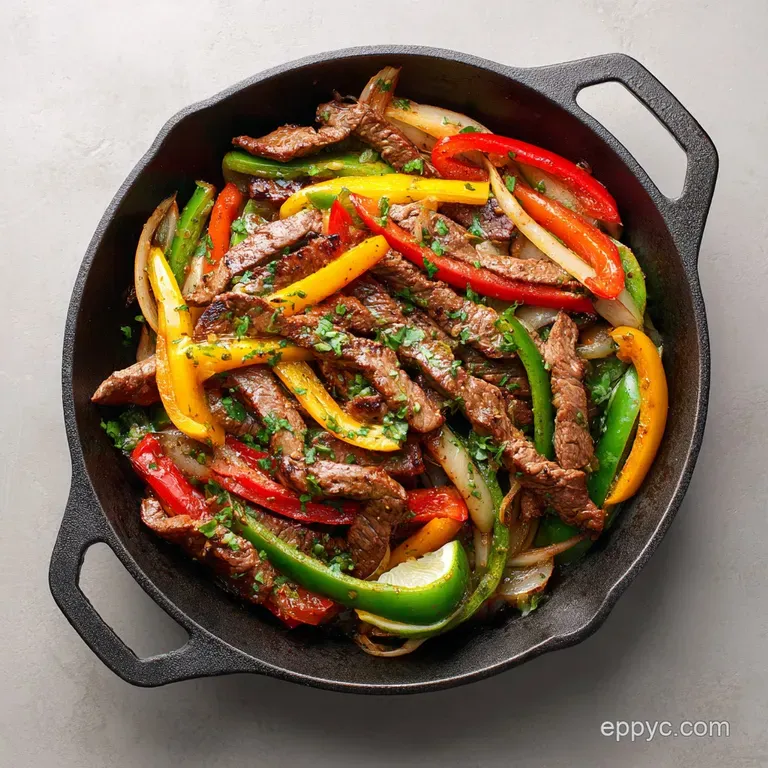
- Time: Active 20 minutes, Passive 15 minutes, Total 35 minutes
- Flavor/Texture Hook: Sizzling, charred, and velvety
- Perfect for: High energy weeknight dinners or casual weekend gatherings
- Mastering This Steak Fajitas Recipe
- Vital Stats and Planning Flow
- Deep Dive Into Key Components
- Essential Tools for Perfect Results
- Step-by-Step Cooking and Prep Flow
- Fixes for Common Cooking Hurdles
- Flavor Swaps and Easy Adaptations
- Storage Solutions for Fresh Leftovers
- Perfect Pairings and Serving Ideas
- Scaling for Different Crowds
- Common Myths About Fajitas
- Critical: Very High in Sodium
- Recipe FAQs
- 📝 Recipe Card
Mastering This Steak Fajitas Recipe
Forget everything you know about needing a professional flattop grill or a backyard setup to get that iconic smoky, charred finish. I used to think the magic of a great steak fajitas recipe lived in some secret industrial kitchen gadget, but I was wrong.
The secret isn't a fancy tool; it's the technology of heat management and the heartfelt patience to let a marinade do its heavy lifting.
The first time I really got this right, the sizzle was so loud it drowned out the music in my kitchen. The aroma of lime, toasted cumin, and seared beef hit the air, and I knew I'd finally moved past those grey, soggy strips of meat I used to make.
We're going to use a cast iron skillet to empower your home stove to reach those blistering temperatures that create a dark, flavorful crust without overcooking the center.
We’ve all been there, chewing on a piece of steak that feels more like a rubber band than a meal. This guide is here to ensure that never happens again. We're going to dive into the specific way we slice the meat and the exact moment we pull it off the heat.
It's about combining digital precision, like using a meat thermometer, with the heartfelt joy of a home cooked meal that actually works.
Vital Stats and Planning Flow
When you're trying to get a hot meal on the table, a bit of digital age planning goes a long way. I like to think of this as a three step timeline. First, we empower the meat with a bath of citrus and spices. While that’s happening, we prep our garden fresh veggies.
Finally, the high velocity cooking happens in a flash, requiring your full attention for about 15 minutes.
If you are looking for a different vibe, this Grilled Flank Steak offers a similar flavor profile but for a larger outdoor crowd. But for tonight, we are sticking to the stovetop for that concentrated, skillet charred goodness.
Balancing Acid and Enzymes
The Tenderizing Lift: Lime juice and vinegar based Worcestershire sauce physically break down tough muscle fibers in the steak. This allows the seasoning to penetrate deeper while ensuring the final result is velvety rather than chewy.
The Maillard Boost: The small amount of sugar in the marinade and Worcestershire helps the beef brown faster. This creates that beautiful dark crust even during a short cooking window.
| Steak Thickness | Internal Temp | Rest Time | Visual Cue |
|---|---|---|---|
| 0.5 inch (1.2 cm) | 54°C (130°F) | 5 minutes | Dark brown exterior, rosy pink center |
| 1 inch (2.5 cm) | 54°C (130°F) | 8 minutes | Deep char, warm red center |
| 1.5 inches (3.8 cm) | 54°C (130°F) | 10 minutes | Thick crust, consistent pink interior |
The rest time is non negotiable because it allows the juices to redistribute. If you cut it too early, all that flavor ends up on the cutting board instead of in your taco. Trust the process and use a digital timer to keep yourself honest during the wait.
Achieving High Velocity Searing
When the steak hits the pan, you want to hear an immediate, aggressive sizzle. This isn't just for show; it's the sound of moisture evaporating and flavor creating. If the pan is too cool, the meat will steam in its own juices, turning a sad, unappealing grey.
We want the technology of your stove to work at its peak performance here.
Master the Meat Geometry
Cutting against the grain is the single most important skill for this steak fajitas recipe. Muscle fibers are like long pieces of string; if you cut parallel to them, you're asking your teeth to do the hard work of breaking them.
By cutting across them, you shorten those strings significantly, making the beef feel like it's melting in your mouth.
Deep Dive Into Key Components
Selecting the right ingredients is where the heartfelt part of cooking meets the practical. For a skillet steak fajitas setup, I always reach for a skirt steak if I can find it. It has a loose grain that's perfect for holding onto that homemade steak fajita marinade.
If you can't find it, a flank steak is a great secondary option, though it's a bit leaner and requires even more careful slicing.
| Component | Role | Pro Secret |
|---|---|---|
| Skirt Steak | The Star | Trim the silver skin but leave some fat for flavor. |
| Fresh Lime Juice | The Tenderizer | Always use fresh; the bottled stuff lacks the bright enzymatic punch. |
| Smoked Paprika | The Smoke Mimic | Provides that outdoor grill flavor without needing a charcoal pit. |
| Avocado Oil | The Heat Carrier | Has a higher smoke point than olive oil, preventing bitter burnt tastes. |
Using fresh garlic instead of the jarred version is a game changer for the aroma. When you mince it fresh, the oils are still active, which helps them bond with the fats in the oil and steak. It's these small, digital age precision moves that elevate a simple easy beef fajita recipe into something truly memorable.
Choosing Your Protein
While we are focusing on beef today, the marinade works wonders on other proteins too. If you ever want to swap it out, this same technique applies to chicken or even thick cut portobello mushrooms. Just keep in mind that cooking times will vary depending on the density of what you're searing.
Crafting the Marinade
This homemade steak fajita marinade is a balance of salt, fat, acid, and heat. The Worcestershire sauce provides an umami backbone that makes the beef taste "beefier." I like to whisk it in a glass bowl to avoid any reactive metallic tastes that can sometimes happen with stainless steel and high acid lime juice.
Prepping Peppers and Onions
Don't slice your onions too thin. We want them to hold some structure so they have a bit of a "snap" when you bite into them. I prefer large white onions for their sharpness, which cuts through the richness of the steak beautifully. The bell peppers should be uniform in size to ensure they all finish at the same time.
Essential Tools for Perfect Results
To truly empower your kitchen, you need the right gear. For this steak fajitas recipe, a 12 inch cast iron skillet is the gold standard. It holds heat better than any other material, which is vital when you drop cold meat into it.
A stainless steel pan can work, but you'll need to be more aggressive with your heat management to keep the temperature from dipping.
You'll also need a high-quality chef's knife. Since the "against the grain" cut is so critical, a dull knife will just shred the meat rather than slicing it cleanly. And don't forget the digital meat thermometer.
It’s the most important piece of technology in my kitchen because it removes all the guesswork from doneness.
| Ingredient | Substitute | Why It Works |
|---|---|---|
| Skirt Steak (1.5 lbs) | Flank Steak | Similar lean profile. Note: Less fat, so don't overcook beyond medium rare. |
| Olive Oil (1/4 cup) | Grapeseed Oil | Neutral flavor and high smoke point. Good for clean searing. |
| Lime Juice (1/4 cup) | Lemon Juice | Same acidity level, though slightly less "traditional" citrus profile. |
| White Onion (1 large) | Red Onion | Adds a pop of color and a slightly sweeter finished taste. |
If you are out of smoked paprika, a tiny drop of liquid smoke can work, but be careful that stuff is powerful! I usually prefer sticking to the spices for a more controlled flavor profile. If you're looking for a side that's just as hearty, consider serving this alongside a Steakhouse Style Steak for a multi course beef extravaganza.
step-by-step Cooking and Prep Flow
The flow of this quick steak fajita recipe is fast, so have everything ready before you turn on the stove. This is what we call "mise en place," and it's the digital age workflow for a stress free kitchen.
- Whisk the marinade. Combine 1/4 cup olive oil, 1/4 cup lime juice, 2 tbsp Worcestershire sauce, 3 minced garlic cloves, 1 tbsp chili powder, 1 tsp cumin, 1 tsp smoked paprika, 1 tsp salt, and 1/2 tsp black pepper. Note: This creates the flavor foundation.
- Marinate the steak. Place 1.5 lbs steak in a bag with the marinade for 1 to 4 hours. until the meat feels slightly loosened and infused.
- Dry the meat. Remove steak and pat it completely dry with paper towels. Note: Surface moisture is the enemy of a good sear.
- Heat the pan. Get 2 tbsp avocado oil in a 12 inch cast iron skillet over high heat until the oil is shimmering and slightly smoking.
- Sear the steak. Cook for 3-5 minutes per side until a dark brown crust forms and it hits 130°F.
- Rest the beef. Move the steak to a board for 5-10 minutes. Note: This prevents the juices from leaking out.
- Sauté the vegetables. Throw the bell peppers and onions into the same pan for 4-5 minutes until tender crisp with charred edges.
- Slice the steak. Cut against the grain at a 45 degree angle into thin strips until you see short, tender muscle fibers.
- Combine and serve. Toss the meat back in for 30 seconds to warm through and serve with 8 warm flour tortillas.
The Essential Marinade Bath
Don't let the steak sit in the marinade for more than 4 hours. Because of the high acid content from the lime juice, the meat can actually start to "cook" and become mushy if left too long. It's a delicate balance between flavor infusion and texture preservation.
High Heat Skillet Sear
When you lay the steak down, lay it away from you to avoid oil splashes. Don't crowd the pan; if your skillet isn't 12 inches, do the steak in two batches. Crowding lowers the temperature and leads to steaming, which is the ultimate sin in this steak fajitas recipe.
Executing the Veggie Char
The brown bits left in the pan after the steak is gone are called "fond," and they are pure flavor gold. The moisture from the vegetables will naturally deglaze the pan, picking up all those savory notes and coating the peppers and onions as they soften.
The Final Quick Assembly
Heating the tortillas is a step you shouldn't skip. I like to do it directly over a gas flame for a second or two for a bit of char, or in a dry pan. A cold, stiff tortilla can ruin the velvety texture of the beef and veggies you worked so hard to create.
Fixes for Common Cooking Hurdles
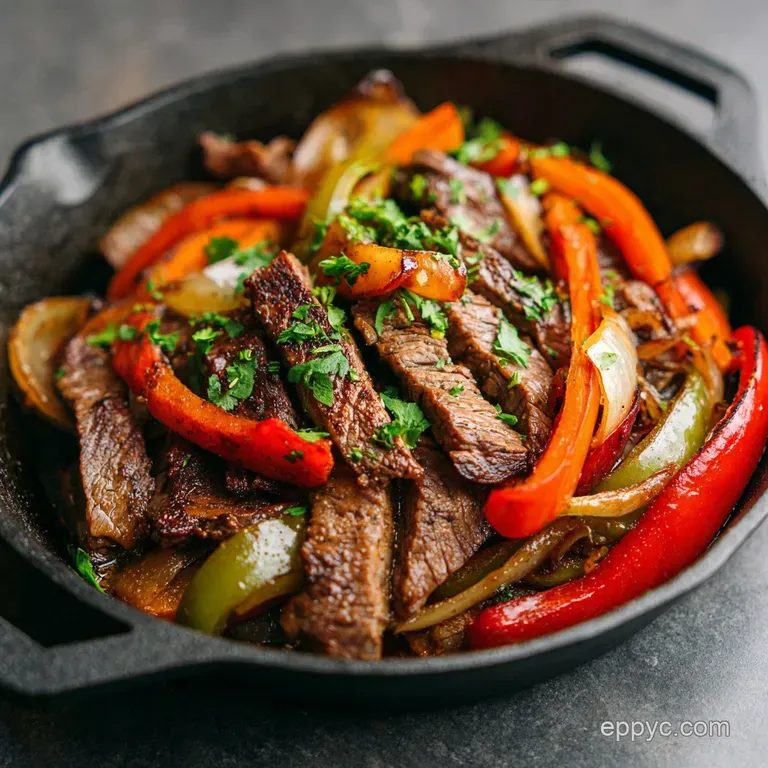
Even with the best intentions, things can go sideways. But don't worry most kitchen mistakes are fixable if you understand the "why" behind them. Whether it's a temperature issue or a cutting error, we can get your easy beef fajita recipe back on track.
Fixing Tough Chewy Steak
If your steak comes out tough, it’s usually one of two things: it was overcooked or it was cut with the grain. If it's already overcooked, the best fix is to slice it as thin as humanly possible. Very thin slices break up the tough fibers mechanically, making it much easier to eat.
Avoiding Soggy Limp Vegetables
If your vegetables aren't charring, your heat is likely too low or your pan is too full. Pull half of them out and crank the heat. You want them to cook fast so the outside chars while the inside stays snappy. Soggy peppers happen when they spend too much time at a low temperature.
Managing Kitchen Smoke Levels
over High heat searing will create smoke. It’s a sign you’re doing it right, but it can be annoying. Make sure your exhaust fan is on high, or open a window before you start. Using avocado oil instead of butter or olive oil helps significantly because it can handle the heat without burning.
| Problem | Root Cause | Solution |
|---|---|---|
| Meat is grey, not brown | Pan wasn't hot enough or meat was wet | Preheat pan longer and pat meat dry next time. |
| Too much liquid in pan | Overcrowded vegetables | Cook in batches or use a larger skillet. |
| Spices taste bitter | Spices burned in the dry pan | Add spices to the marinade or oil, not the dry pan. |
Common Mistakes Checklist
- ✓ Pat the steak completely dry before searing to ensure a crust forms immediately.
- ✓ Wait for the oil to actually smoke slightly before adding the meat.
- ✓ Never skip the 5-10 minute rest period for the steak.
- ✓ Always slice against the grain look for the lines in the meat and cut across them.
- ✓ Use fresh lime juice rather than concentrate for the bright, necessary acidity.
Flavor Swaps and Easy Adaptations
Cooking should empower you to experiment. Once you've mastered the basic steak fajitas recipe, you can start playing with the components to suit your mood or what's in your pantry. If you are feeling like something different, you might even try a Beef Tenderloin for a much more upscale, buttery version of this meal, though the traditional skirt steak is hard to beat for value.
Sheet Pan Oven Method
If you aren't in the mood to stand over a smoky stove, you can use the oven. Preheat a sheet pan at 200°C (400°F). Toss the marinated steak strips (yes, slice them first for the oven) and veggies with a bit of extra oil and spread them in a single layer.
Roast for 12-15 minutes until charred. It’s not quite as intense as the skillet, but it's much easier for a hands off weeknight.
Low Carb Fajita Bowls
For a lighter version, skip the tortillas and serve the steak and veggies over a bed of cauliflower rice or shredded romaine lettuce. Top with plenty of avocado and a dollop of Greek yogurt (a great high protein swap for sour cream). The flavors are so bold you won't even miss the wraps.
| Method | Time | Texture | Best For |
|---|---|---|---|
| Stovetop Skillet | 15 minutes | Maximum char and crust | Authentic restaurant results |
| Oven Sheet Pan | 20 minutes | Softer, uniform cook | Easy cleanup and large batches |
| Outdoor Grill | 10 minutes | Smoky and intense | Summer entertaining |
If you choose the oven method, just be sure not to overcook the meat. Since the strips are thin, they can go from perfect to dry in about 60 seconds. Keep a close eye on the clock!
Storage Solutions for Fresh Leftovers
I actually love leftover fajitas the next day because the flavors have even more time to mingle. However, the texture of the vegetables will soften, so they won't have that same "snap" as when they were fresh.
Fridge: Store the steak and vegetables in an airtight container for up to 3 days. Keep the tortillas in their original packaging or a zip top bag to prevent them from drying out.
Freezer: You can freeze the cooked steak for up to 2 months. I don't recommend freezing the cooked peppers and onions as they become very mushy upon thawing. Instead, freeze the raw, sliced peppers and onions in a bag for a future quick stir fry.
Reheating: Avoid the microwave if you can; it turns steak into rubber. Instead, throw the meat and veggies back into a hot skillet for 2 minutes with a splash of water or lime juice to create some steam and revive the moisture.
Zero Waste Tip: If you have leftover steak but no more tortillas, chop it up and toss it into a morning omelet or use the steak and peppers as a topping for a quick "fajita pizza" using a flatbread base.
Even the steak scraps can be simmered with some beef broth and leftover onions to make a quick soup base.
Perfect Pairings and Serving Ideas
To make this a complete heartfelt experience, think about your side dishes. A simple pot of black beans seasoned with garlic and cumin is a classic choice. If you want something more filling, a side of Mexican red rice works perfectly to soak up any leftover juices from the steak.
For toppings, go beyond just cheese. Fresh cilantro, thinly sliced radishes for crunch, and a chunky pico de gallo add layers of texture that make every bite different. If you really want to empower your meal, make a quick batch of pickled red onions the bright pink color and sharp tang cut through the richness of the seared beef beautifully.
If you have a bit of extra time and want to lean into the "comfort food" vibe, this steak fajitas recipe pairs surprisingly well with a side of Turkey Neck Gravy served over mashed potatoes if you're doing a fusion style dinner, though traditionalists might stick to the beans and rice!
Scaling for Different Crowds
Adjusting this recipe is straightforward, but there are a few technical rules to keep in mind so you don't lose that signature sear.
Scaling Down (Cooking for 1 or 2): - Use a smaller 8 or 10 inch skillet to ensure the oil and marinade don't just burn on the empty surface area. - You can easily halve the ingredients. If a recipe calls for half an egg (not here, but for future reference), whisk it first and measure by volume.
For this recipe, just use smaller peppers.
Scaling Up (Cooking for 8+): - Don't double the salt/spices immediately: Use 1.5x the spices for a double batch, then taste and adjust. Spices can become overwhelming when scaled linearly. - Work in batches: This is the most important rule.
If you put 3 lbs of steak in one pan, the temperature will plummet and you'll end up with boiled beef. Sear the meat in two or three goes, then do the veggies last. - Keep it warm: Use your oven at its lowest setting (around 75°C or 170°F) to keep the first batches of meat and tortillas warm while you finish the rest.
Common Myths About Fajitas
Myth: Searing meat "seals in the juices." This is a classic kitchen tale that isn't true. Searing actually causes moisture loss because of the high heat. However, we do it for the Maillard reaction that complex chemical process that creates hundreds of different flavor compounds.
The "juiciness" actually comes from the resting period and not overcooking the internal temperature.
Myth: You must marinate overnight for the best flavor. Actually, for a high acid steak fajitas recipe, overnight is often too long. The lime juice will start to break down the protein structure too much, resulting in a mealy texture.
Two to four hours is the "sweet spot" where you get maximum flavor without sacrificing the integrity of the steak.
Myth: Skirt steak and Flank steak are the same thing. While they look similar, skirt steak is thinner and has a more intense beefy flavor with a higher fat content. Flank steak is thicker, leaner, and has a tighter grain.
You can swap them, but skirt steak is the traditional choice for a reason it simply takes to the over high heat skillet better.
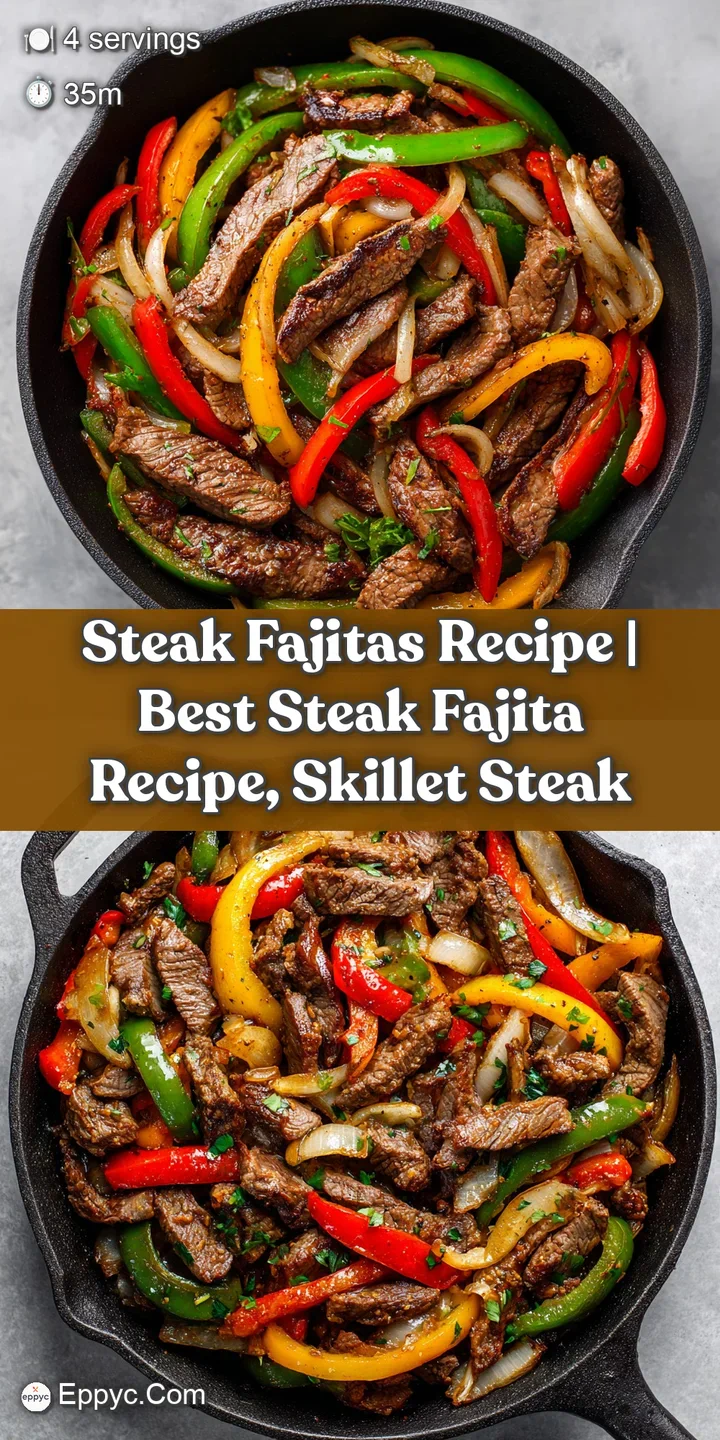
Critical: Very High in Sodium
1215 mg 1215 mg of sodium per serving (53% 53% of daily value)
The American Heart Association recommends limiting sodium intake to 2,300mg per day, with an ideal limit of less than 1,500mg per day for most adults.
Tips to Reduce Sodium
-
Eliminate Added Salt-25%
The 1 tsp of kosher salt in the marinade is a significant sodium contributor. Removing it entirely will drastically cut sodium without compromising flavor, as other ingredients provide ample taste.
-
Choose Low-Sodium Worcestershire-20%
Standard Worcestershire sauce is high in sodium. Opting for a low-sodium version can significantly reduce the sodium in the marinade. Look for labels that explicitly state "low sodium".
-
Boost Herbs and Spices
Enhance the flavor profile by increasing the amounts of chili powder, cumin, smoked paprika, and black pepper. This adds complexity and warmth without adding any sodium.
-
Fresh Aromatics for Flavor
While the garlic is already fresh, consider adding more minced garlic or even a touch of fresh minced ginger to the marinade. These add pungent notes that can compensate for reduced salt.
-
Naturally Flavorful Vegetables
The bell peppers and onion already provide natural sweetness and flavor. Ensure they are well caramelized during cooking to maximize their taste contribution to the dish.
Recipe FAQs
What is the secret to tender steak fajitas?
Slice the meat against the grain at a 45-degree angle. This shortens the muscle fibers, making every bite significantly easier to chew than cutting with the grain.
What ingredients go into steak fajitas?
Use 1.5 lbs of skirt or flank steak, bell peppers, white onions, flour tortillas, and a marinade of olive oil, lime juice, Worcestershire sauce, garlic, chili powder, cumin, smoked paprika, salt, and pepper. These specific components provide the necessary balance of acidity, spice, and char.
Are fajitas ok for diabetics?
Yes, they can be part of a diabetic friendly meal plan. Focus on consuming the protein and high fiber vegetables while moderating the intake of flour tortillas to manage carbohydrate levels.
What cut of steak is used in fajitas?
Select either skirt steak or flank steak for the best results. These cuts have the right structure to absorb the marinade and provide the classic beefy flavor expected in high heat searing.
How to ensure a perfect sear on the steak?
Pat the steak completely dry with paper towels before it hits the skillet. Any surface moisture will cause the meat to steam instead of forming the dark, flavorful crust you want; if you enjoyed mastering this high heat browning technique here, you will find it equally essential for achieving crispy textures in other dishes.
Is it true I should skip the resting period?
No, this is a common misconception. You must let the steak rest for 5-10 minutes after searing to ensure the juices redistribute throughout the meat, preventing it from drying out when you slice it.
How to store leftovers?
Place the steak and vegetables in an airtight container in the refrigerator for up to 3 days. While the steak freezes well for up to 2 months, avoid freezing the cooked peppers and onions as they lose their texture upon thawing.
Steak Fajitas Recipe
Ingredients:
Instructions:
Nutrition Facts:
| Calories | 742 calories |
|---|---|
| Protein | 46g |
| Fat | 44g |
| Carbs | 42g |
| Fiber | 6g |
| Sugar | 7g |
| Sodium | 1215mg |
