Stuffed Artichoke Recipe: Crispy Baked
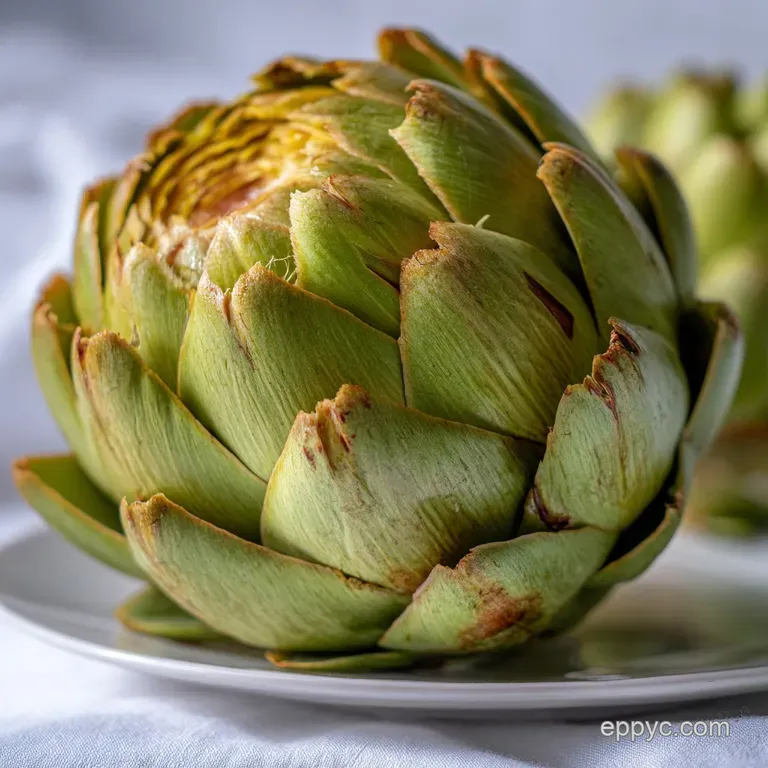
- Time: Active 25 minutes, Passive 50 minutes, Total 1 hours 15 mins
- Flavor/Texture Hook: Nutty, garlic forward stuffing with a shatter crisp top and velvety heart
- Perfect for: Sunday family dinners or an impressive vegetarian dinner party appetizer
- The Ultimate Italian Stuffed Artichoke Recipe
- The Mechanics of Thermal Braising
- Selecting Elements for Flavor Integrity
- Essential Tools for Preparation Success
- Executing the Flavor Infusion Process
- Fixing Texture and Seasoning Issues
- Adjusting Quantities for Large Crowds
- Debunking Traditional Vegetable Prep Myths
- Preserving Freshness and Reducing Waste
- Presentation Styles for Visual Impact
- Recipe FAQs
- 📝 Recipe Card
The Ultimate Italian Stuffed Artichoke Recipe
The sharp snip of kitchen shears cutting through thorny leaves is a sound that always takes me back to my aunt’s kitchen. I remember the first time I tried to make these alone. I didn't trim the tops enough and spent the whole dinner dodging spikes.
It was a mess, but the flavor of that toasted garlic and Pecorino was so addictive I knew I had to master it. Now, I've got the process down to a science that guarantees no poked fingers and maximum flavor in every petal.
We're going to treat these artichokes with the respect they deserve. Many people find them intimidating because they look like prehistoric armor, but they're actually quite delicate once you know where to cut.
We're aiming for a stuffing that doesn't just sit on top but actually works its way down into the "well" of each leaf, ensuring that every bite is seasoned from tip to base.
This isn't just a side dish. It's a tactile eating experience. You'll pull off a leaf, scrape the tender flesh and savory breadcrumbs with your teeth, and work your way toward the prize: the buttery, soft heart.
It's communal, it's messy in the best way, and it's honestly one of the most rewarding things you can cook at home. Let’s get our hands a little oily and dive in.
The Mechanics of Thermal Braising
Enzymatic Inhibition: Using 2 large lemons in the soaking water prevents the polyphenols in the artichoke from reacting with oxygen, which keeps them vibrant green rather than turning muddy brown.
Starch Gelatinization: The 1/2 cup (120ml) of dry white wine in the braising liquid creates a flavored steam that hydrates the 2 cups (120g) of Panko breadcrumbs from the bottom up, preventing them from becoming dry and sandy.
Maillard Reaction Control: By drizzling 1/2 cup (120ml) of extra virgin olive oil over the stuffed tops, we create a fat rich environment that allows the Pecorino and Panko to brown at 375°F without burning the delicate vegetable fibers underneath.
Carryover Softening: The residual heat trapped within the dense heart of the 4 large globe artichokes continues to break down tough cellulose even after they're removed from the oven, resulting in a melt in-your mouth texture.
| Method | Total Time | Texture | Best For |
|---|---|---|---|
| Oven Braise | 1 hours 15 mins | Crispy top, tender base | Traditional texture/flavor |
| Stovetop Steam | 45 minutes | Soft, moist stuffing | Quicker weeknight meal |
| Slow Cooker | 4 hours 15 mins | Very soft, silky | Low effort meal prep |
Choosing your method depends on how much you value that crispy, toasted top. While the slow cooker is great for a set it and forget it approach, nothing beats the oven for that classic Sicilian finish. If you're looking for something to serve alongside these, a hearty main like my Proper Lush Homemade recipe provides a great protein balance to the vegetable heavy artichokes.
Selecting Elements for Flavor Integrity
| Component | Science Role | Pro Secret |
|---|---|---|
| Globe Artichokes | Structural Vessel | Choose heavy ones; weight indicates high moisture content and a fresher heart. |
| Pecorino Romano | Ionic Bonding | Use freshly grated; the high salt and fat content creates a savory crust that sticks to the leaves. |
| Panko Breadcrumbs | Surface Area | Panko has a larger surface area than traditional crumbs, leading to a more pronounced crunch. |
| Garlic Cloves | Aromatic Base | Mince by hand; a press can make garlic bitter when subjected to the long 50 minute bake time. |
The combination of the dry white wine and the water in the bottom of the pan is vital. It creates a humid environment that cooks the "meat" of the leaves without drying out the stuffing. This is similar to how we balance textures in a Ramen Noodle Asian Salad recipe, where crunch and moisture need to coexist perfectly.
Essential Tools for Preparation Success
To handle these vegetables safely and efficiently, you'll need a few specific items. A sharp chef's knife is non negotiable for taking off the stems and the top inch of the globe. I also highly recommend a pair of heavy duty kitchen shears.
These are the secret to removing the thorny tips of each leaf without mangling the artichoke itself.
A large Dutch oven or a deep baking dish with a tight fitting lid is the next requirement. You need enough depth to hold the artichokes upright and enough seal to keep the steam inside.
If your lid isn't perfectly tight, a layer of heavy duty aluminum foil crimped tightly around the edges before putting the lid on will do the trick. Finally,, have a large bowl of lemon water ready to go before you even pick up the knife artichokes brown faster than apples once cut.
Executing the Flavor Infusion Process
1. Prepping for Success
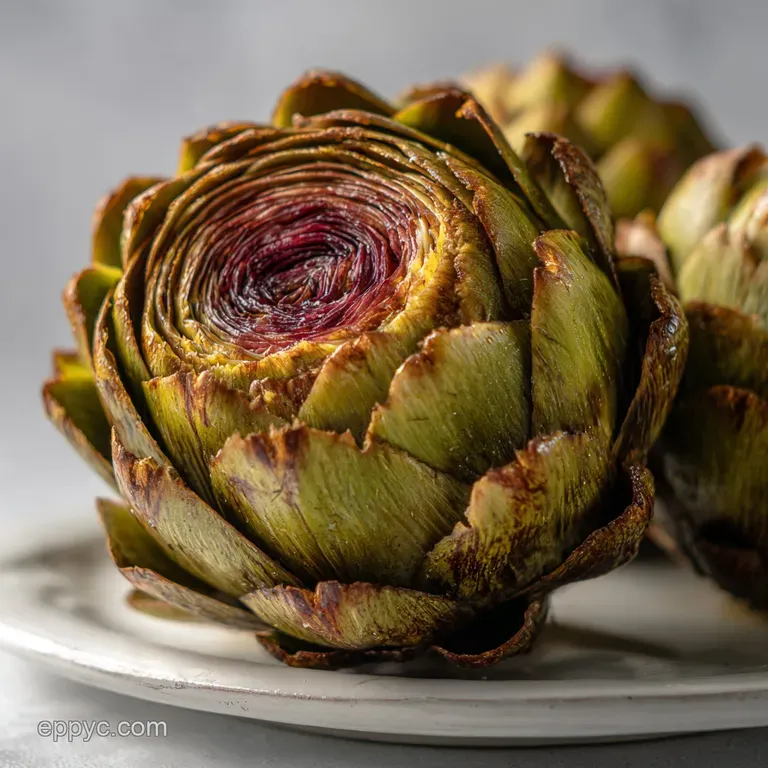
Clean the 4 large globe artichokes under cold water. Slice off the stems so they can stand upright, and saw off the top 1.5 inches of the artichoke with a serrated knife. Use shears to snip the thorny tips off every remaining leaf. Immediately rub all cut surfaces with one of the 2 large lemons to prevent browning.
2. The Internal Cleanse
Pry the center leaves open with your thumbs and use a metal spoon to scoop out the fuzzy "choke" and the tiny purple leaves in the center. Note: The choke is inedible and will ruin the texture if left behind.
3. Crafting the Flavor Bomb
In a large bowl, toss the 2 cups (120g) of Panko breadcrumbs with 1 cup (100g) of Pecorino Romano cheese, 6 cloves of minced garlic, 1/2 cup (25g) of fresh parsley, 1 tbsp dried oregano, 1/2 tsp red pepper flakes, 1/2 tsp salt, and 1/2 tsp cracked black pepper.
4. Stuffing with Intention
Starting from the bottom and working your way up, pull each leaf out slightly and spoon a generous amount of the breadcrumb mixture into the gap. Fill until the artichoke looks like it's bursting.
5. Liquid Foundation
Place the stuffed artichokes in a deep baking dish. Pour 1/2 cup (120ml) of dry white wine and 1 cup (240ml) of water into the bottom of the pan, making sure not to pour it over the stuffing.
6. The Oil Drizzle
Slowly pour the 1/2 cup (120ml) of extra virgin olive oil over the tops of the artichokes, ensuring some oil gets into every leaf. Note: This oil is what actually fries the breadcrumbs in the oven.
7. The Steam Bake Phase
Cover the dish tightly with foil or a lid. Bake at 375°F for 40 minutes until a knife slides easily into the base.
8. The Crispy Finish
Remove the cover and bake for another 10 minutes until the tops are deep golden and crackling.
9. Resting Period
Let the artichokes sit in the pan for 5 minutes before serving. This allows them to soak up any remaining flavorful braising liquid from the bottom.
Fixing Texture and Seasoning Issues
Why Your Artichoke is Tough
If you pull a leaf and the flesh doesn't scrape off easily with your teeth, it's undercooked. This usually happens if the artichoke was particularly large or the pan wasn't sealed tightly enough, allowing the steam to escape. Heat is the only thing that breaks down that tough fiber.
| Problem | Root Cause | Solution |
|---|---|---|
| Soggy Breadcrumbs | Braising liquid touched the stuffing | Keep liquid level below the first row of leaves. |
| Bitter Flavor | Burnt garlic | Ensure garlic is tucked deep into leaves or covered by oil. |
| Browning too fast | Oven rack is too high | Move to center rack and tent loosely with foil. |
Preventing a "Soggy Bottom"
A common mistake I once made was adding too much water to the pan. You want a braise, not a bath. The water should only come up about half an inch. If the breadcrumbs at the very bottom get a little wet, that's okay they become a savory paste but the rest of the artichoke should stay crisp.
✓ Always use a serrated knife for the initial top cut to prevent crushing the leaves. ✓ Work quickly and keep cut surfaces submerged in lemon water. ✓ Don't be shy with the oil; it's the difference between "toasted" and "dry." ✓ Check for doneness by pulling an outer leaf; if it comes away with zero resistance, it's ready.
✓ Let the stuffed artichokes rest so the flavors can "set" before you start pulling them apart.
Adjusting Quantities for Large Crowds
Scaling this stuffed artichoke recipe is relatively straightforward because each artichoke is an individual serving. If you are doubling the recipe to 8 artichokes, you will need a second baking dish.
Don't try to cram 8 into one pan, or the steam won't circulate properly, and you'll end up with unevenly cooked vegetables.
For the stuffing, you can multiply the 2 cups (120g) of Panko and 1 cup (100g) of Pecorino by 1.5 instead of 2. Often, when we make a larger batch, we get more efficient with the stuffing, and you don't want to end up with a mountain of leftover crumbs.
However, keep the garlic and herbs at the full 2x ratio to maintain that sharp flavor profile. For the braising liquid, you only need to increase the water and wine by about 20% since the goal is just to maintain that 1/2 inch depth in the pan.
Chef's Tip: If you're cooking for a crowd, prep the artichokes entirely the night before. The lemon water and oil will keep them fresh, and the flavors of the garlic and herbs will actually penetrate the leaves better while they sit in the fridge.
Debunking Traditional Vegetable Prep Myths
One common myth is that you must boil artichokes before stuffing them. This is completely unnecessary and often leads to a waterlogged, flavorless result. The steam bake method we use here handles all the softening while keeping the flavors concentrated inside the leaves.
Another misconception is that the "hairy" choke will soften during cooking. It won't. If you don't remove it before stuffing, you'll be picking prickly fibers out of your mouth for the entire meal.
Trust me, take the extra two minutes to scoop it out with a spoon it makes the whole experience much more enjoyable. Searing the base is also a myth; the base is too fibrous to benefit from a sear, and it's better left to soften in the braising liquid.
Preserving Freshness and Reducing Waste
Storage: These keep beautifully in the fridge for up to 3 days. Store them in an airtight container with a little bit of the leftover braising liquid to keep them moist. To reheat, I recommend the oven at 350°F for about 15 minutes.
Avoid the microwave if you can, as it turns the Panko into a gummy mess.
Freezing: I don't recommend freezing fully cooked stuffed artichokes. The cell structure of the vegetable breaks down when frozen, and the breadcrumbs will lose all their integrity upon thawing. If you must freeze, do it with just the cleaned and blanched artichoke hearts, not the whole stuffed globe.
Zero Waste: Don't throw away those long stems! Peel the tough outer skin off the stems with a vegetable peeler until you reach the pale green, tender center. You can chop these up and toss them into the baking dish with the liquid, or sauté them with a little butter and garlic for a chef's snack.
They taste exactly like the heart.
Presentation Styles for Visual Impact
When you're ready to serve, don't just pull them out of the pan. Use a wide spatula to lift them carefully so the stuffing stays intact. I love placing each one in a shallow bowl with a spoonful of the remaining pan juices poured over the top. It adds an extra hit of wine and garlic flavor right as you start eating.
For a true New Orleans style presentation, serve them with a side of extra melted butter mixed with a squeeze of lemon and a dash of hot sauce. If you're going for a more traditional Sicilian vibe, a simple garnish of fresh parsley and a final dusting of Pecorino Romano makes them look like they came straight from a bistro.
They're naturally beautiful, so let those golden, toasted breadcrumbs be the star of the plate.
Whether you're making this for a holiday or just because you found a great deal on fresh produce, remember that cooking is a digital age skill that we can all empower ourselves with. It's about trial, error, and eventually, that heartfelt moment when you take the first perfect bite. Enjoy the process and the sizzle!
Recipe FAQs
What is the best way to stuff an artichoke?
Stuff from the bottom up, filling each leaf gap. Pull each leaf out slightly and spoon a generous amount of your chosen breadcrumb mixture into the gap, ensuring it's packed in well.
What kind of filling is best for artichokes?
A Panko breadcrumb and Pecorino Romano cheese mix. This combination provides a delightful crunch and savory depth that complements the artichoke's flavor beautifully. Adding minced garlic, fresh parsley, and herbs further enhances it.
What cheeses go well in stuffed artichokes?
Pecorino Romano is ideal, but Parmesan works too. Pecorino Romano's sharp, salty bite stands up well to the artichoke and creates a delicious crust. If you enjoyed mastering the flavor balance here, see how we use similar savory elements in our Grandmas Easy Homemade Applesauce Recipe with a twist.
What is the best cooking method for stuffed artichokes?
Steam baking in the oven is best for texture. This method involves covering the artichokes to steam and then uncovering them to crisp the stuffing, resulting in tender leaves and a golden top. For a low-effort option, consider a slow cooker, though you'll miss that signature crispiness.
How do I prepare artichokes before stuffing?
Trim stems, tops, and snip thorny leaf tips, then remove the choke. After rinsing, cut off the stem so it stands, remove the top inch, and use shears to snip the sharp points off the leaves. Scoop out the fuzzy choke from the center.
Can I make stuffed artichokes ahead of time?
Yes, you can stuff them up to 24 hours in advance. Prepare and stuff the artichokes completely, then store them refrigerated in an airtight container. This actually allows the flavors to meld further before baking.
How do I know when stuffed artichokes are cooked?
Check for tenderness and golden brown stuffing. A knife should slide easily into the base of the artichoke when it's cooked. For the stuffing, look for a deep golden color and a crackling, crispy texture after removing the lid.
Stuffed Artichoke Recipe
Ingredients:
Instructions:
Nutrition Facts:
| Calories | 537 kcal |
|---|---|
| Protein | 12.8 g |
| Fat | 35.7 g |
| Carbs | 33.2 g |
| Fiber | 8.2 g |
| Sugar | 2.1 g |
| Sodium | 584 mg |
