Sweet Potato Recipe with Brown Sugar: Roasted
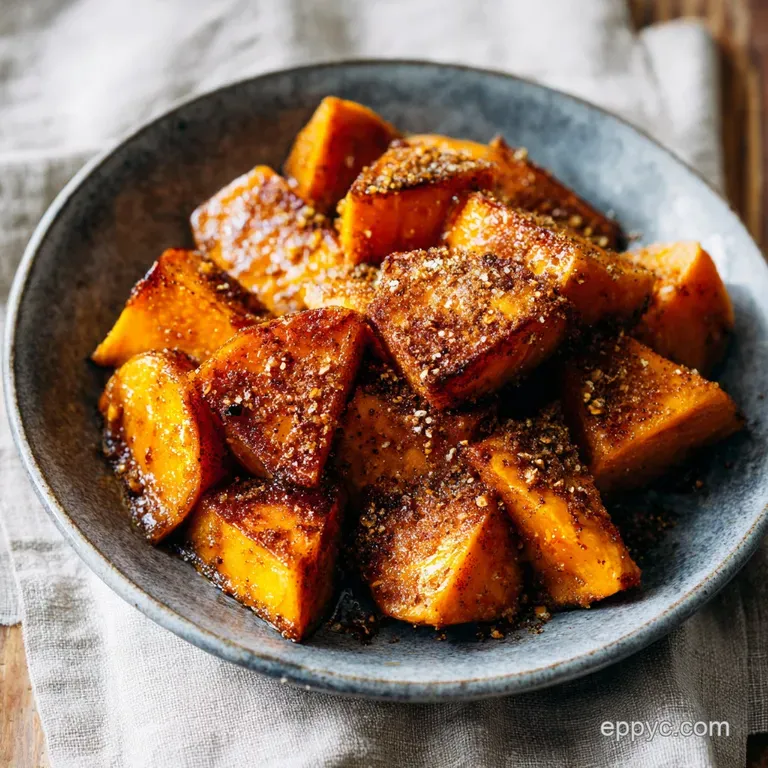
- Time: Active 15 minutes, Passive 30 minutes, Total 45 minutes
- Flavor/Texture Hook: Warm cinnamon spiced glaze with a buttery, melt in-the mouth texture.
- Perfect for: Holiday gatherings, budget-friendly weeknight sides, or meal prep.
- The Physics of Caramelized Sugar Crusts
- Selecting the Right Elements for a Balanced Flavor Profile
- The Alchemy of the Spice Rack
- Essential Digital Tools and Kitchen Gear
- Step-by-Step Methodology for Roasting Your Potatoes
- Navigating Common Roasting Mistakes and Texture Issues
- Modifying Ingredients to Suit Every Dietary Preference
- Effective Strategies for Storing and Reheating Your Leftovers
- Pairing Your Roasted Spuds with Heartfelt Main Courses
- Recipe FAQs
- 📝 Recipe Card
I remember one particularly rainy Tuesday when the dampness seemed to seep into my very bones. I wanted something that felt like a warm kitchen hug, but my pantry was looking pretty sparse.
I found three pounds of sweet potatoes sitting in the bottom bin and realized that with just a few staples, I could create something spectacular. This sweet potato recipe with brown sugar and cinnamon is pure comfort food.
As the cubes began to sizzle in the oven, the aroma of Saigon cinnamon and nutmeg filled the house, instantly making everything feel more manageable. We've all had those mushy, overly sweet casseroles that taste more like candy than vegetables, but this method is different.
It’s about empowering the humble root vegetable to show off its natural texture while using technology in this case, your oven’s convection to create a signature mahogany glaze.
You'll love how the dark brown sugar melts into the olive oil, creating a thin, lacquered coating that isn't cloying. It’s a heartfelt way to feed a family on a budget without sacrificing that "wow" factor.
Trust me, once you see that first bit of caramelization bubbling on the edges of the pan, you'll never go back to the canned stuff.
The Physics of Caramelized Sugar Crusts
Maillard Reaction: The heat triggers a chemical reaction between amino acids and reducing sugars, creating hundreds of different flavor compounds and that signature brown color.
This is why we roast at 200°C (400°F) to ensure we hit the temperature threshold where these flavors actually develop.
Hygroscopic Shield: Brown sugar contains molasses, which is naturally humectant, meaning it holds onto moisture. This prevents the outside of the potato from drying out into a leathery skin while the inside steams into a velvety puree.
Roasting Milestones Comparison
| Method | Cook Time | Texture | Flavor Profile |
|---|---|---|---|
| Fast Roast | 30 minutes | Crisp edges, firm bite | Intense, toasted caramel |
| Classic Casserole | 55 minutes | Uniformly soft, mashed | Sweet, marshmallow heavy |
| air-fried | 18 minutes | Very crunchy, drier | Lightly toasted |
Right then, let's talk about why we choose the roasting method over the traditional boil and mash. When you boil a potato, you lose those precious starches to the water. Roasting keeps everything inside the cube. Making the syrup for the How to Make recipe taught me how sugar reacts to heat, and that same logic applies here you want the sugar to reach a specific stage of "tackiness" without burning.
Selecting the Right Elements for a Balanced Flavor Profile
| Ingredient | Science Role | Pro Secret |
|---|---|---|
| Sweet Potatoes | Starch Foundation | Use Garnet or Jewel varieties for the highest natural sugar to starch ratio. |
| Dark Brown Sugar | Caramelization Agent | The extra molasses provides a deeper acidity that balances the earthy potato. |
| Saigon Cinnamon | Aromatic Bridge | This specific variety has a higher oil content, creating a more intense scent. |
| Cayenne Pepper | Heat Contrast | A tiny pinch acts as a flavor multiplier without making the dish "spicy." |
We've all been there standing in the produce aisle wondering if the pale yellow yams are the same thing. For this recipe with brown sugar and cinnamon, you want the deep orange flesh. The darker the orange, the more beta carotene and the better the texture.
If you're out of dark brown sugar, light brown works, but you'll lose a bit of that smoky depth. I’ve even tried a version of this using the Homemade Apple Butter recipe as a glaze, which adds a beautiful autumnal tang.
The Alchemy of the Spice Rack
- 3 lbs sweet potatoes: Peeled and cut into 1 inch cubes. Why this? Uniform size ensures every piece finishes cooking at the exact same moment.
- 2 tbsp extra virgin olive oil: For roasting. Why this? It has a high enough smoke point for 200°C and adds a fruity note.
- 1 tsp fine sea salt: To balance the sugar. Why this? Fine salt dissolves faster into the oil sugar mixture than coarse salt.
- 2 tbsp dark brown sugar: Packed. Why this? Adds moisture and a rich, molasses forward sweetness.
- 1.5 tsp ground Saigon cinnamon: For warmth. Why this? It's the "strong" cinnamon that doesn't get lost during roasting.
- 1/4 tsp ground nutmeg: For complexity. Why this? Nutmeg brings out the "custard" notes of the potato interior.
- 1 pinch cayenne pepper: The secret weapon. Why this? It cuts through the sugar and resets your palate between bites.
| Original Ingredient | Substitute | Why It Works |
|---|---|---|
| Extra Virgin Olive Oil | Melted Ghee | Ghee has a higher smoke point and adds a nutty, buttery aroma. |
| Dark Brown Sugar | Maple Syrup | Provides a thinner glaze but offers a distinct woody sweetness. |
| Saigon Cinnamon | Pumpkin Pie Spice | Contains ginger and cloves which add a more complex, "spiced" profile. |
But what about the sogginess? We'll get to that. The trick is all in the oil to sugar ratio. If you use too much oil, the sugar won't stick; too little, and the potatoes will look chalky. We've balanced this perfectly so each cube gets a shimmering coat.
Essential Digital Tools and Kitchen Gear
You don't need a high tech lab to get these right, but a few specific tools make the job easier. A heavy duty rimmed baking sheet (like a half sheet pan) is non negotiable. Thin pans warp under the 200°C heat, which causes your potatoes to slide into one corner and steam rather than roast.
I also highly recommend using a digital scale to weigh your potatoes if they look particularly large or small. Accuracy empowers you to get the seasoning ratio spot on every time. If you’re feeling fancy, a silicone baking mat can help with cleanup, but I actually prefer roasting directly on the metal or on parchment paper.
The direct contact with the pan is what creates that gorgeous "shatter" on the bottom of the spuds.
step-by-step Methodology for Roasting Your Potatoes
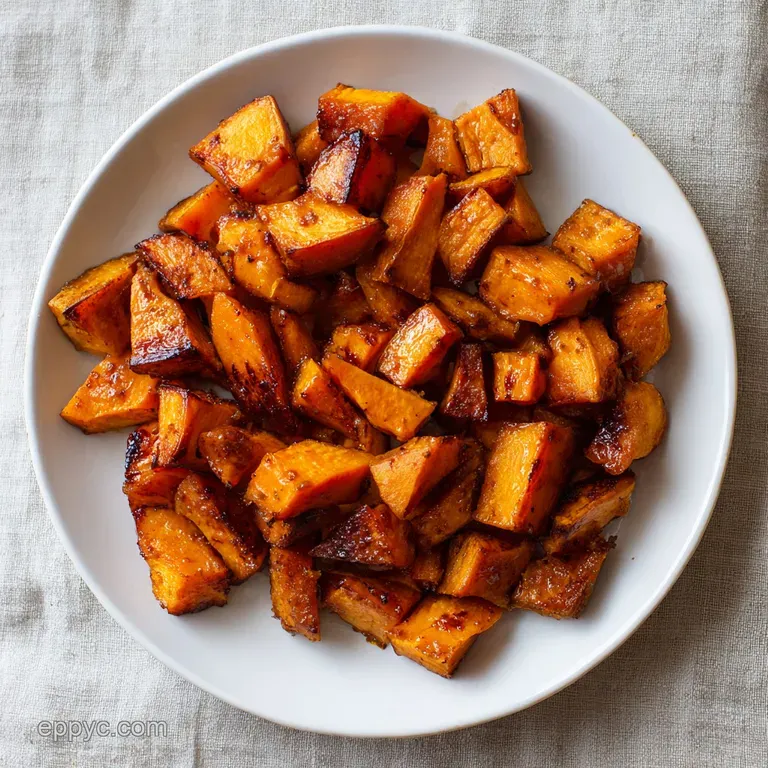
- Preheat your oven to 200°C (400°F). Note: A hot oven is critical for immediate surface evaporation.
- Peel the 3 lbs of sweet potatoes and trim the ends.
- Cube the potatoes into 1 inch pieces until you have a mountain of uniform orange blocks.
- Toss the cubes in a large bowl with 2 tbsp extra virgin olive oil and 1 tsp sea salt.
- Whisk together the 2 tbsp dark brown sugar, 1.5 tsp cinnamon, 1/4 tsp nutmeg, and cayenne in a small ramekin.
- Sprinkle the spice mix over the oiled potatoes and toss until every cube is evenly matte brown.
- Spread them onto the baking sheet in a single layer. Note: Leave space between them to allow air to circulate.
- Roast for 25 to 30 minutes until the edges are dark brown and sizzling.
- Flip the potatoes halfway through the cooking time. Note: This ensures the caramelization happens on at least two sides.
- Rest the pan on a wire rack for 5 minutes until the sugar glaze sets into a sticky lacquer.
Chef's Tip: Freeze your brown sugar for 10 minutes before crumbling it into the bowl. This creates tiny "sugar pebbles" that melt into concentrated pockets of caramel on the potato surface.
Navigating Common Roasting Mistakes and Texture Issues
One mistake I once made was trying to be "healthy" and cutting the oil in half. Honestly, don't even bother. The oil is what conducts the heat into the potato. Without it, you’re just drying them out. If your potatoes aren't browning, it's likely because you've overcrowded the pan.
Troubleshooting Your Roast
| Problem | Root Cause | Solution |
|---|---|---|
| Soggy Potatoes | Overcrowded Pan | Use two pans or roast in batches to allow steam to escape. |
| Burned Sugar | Sugar added too early | Ensure sugar is well mixed with oil to raise its burning point. |
| Raw Middles | Cubes are too large | Cut cubes smaller or cover with foil for the first 10 minutes. |
Another thing to watch for is the "steam trap." If you use a glass 9x13 dish instead of a flat metal sheet, the high sides will trap the moisture coming off the vegetables. You want that moisture to vanish into the oven air as quickly as possible. This is the same principle I used when experimenting with a How to Make recipe — controlling the moisture is the key to the perfect crumb.
Common Mistakes Checklist: - ✓ Don't skip the salt; it's what makes the sugar taste "deep" instead of just sweet. - ✓ Pat the peeled potatoes dry with a towel before adding oil. - ✓ Avoid using "baby" sweet potatoes as they have a higher water content.
- ✓ Never use cold potatoes straight from a fridge; let them reach room temperature. - ✓ Check your oven calibration; many ovens run 10-15 degrees cool.
Modifying Ingredients to Suit Every Dietary Preference
Scaling this potato recipe with brown sugar and cinnamon is quite simple. If you're cooking for a crowd (up to 12 servings), use two separate baking sheets on different racks and swap them halfway through.
- - Downsizing (3 servings)
- Use 1.5 lbs of potatoes and keep all spices the same except the cayenne keep that at a pinch.
- - Upscaling (12 servings)
- Double the potatoes and sugar, but only use 1.5x the salt and cinnamon to avoid an overpowering spice profile.
- - Baking adjustment
- If doubling the recipe in one oven, increase the cook time by 10 minutes as the extra mass will drop the oven temperature.
For those looking for a savory twist, you can actually cut the sugar in half and add a tablespoon of balsamic glaze. It creates a "agrodolce" (sour sweet) effect that is absolutely brilliant with roasted pork.
Effective Strategies for Storing and Reheating Your Leftovers
Roasted sweet potatoes are a meal prepper's dream. They hold their structure much better than mashed versions.
Storage: Keep them in an airtight glass container in the fridge for up to 5 days. I don't recommend plastic containers as the sugar glaze can sometimes "eat" into the plastic if stored while still warm.
Freezing: You can freeze these! Lay the roasted cubes on a tray and freeze individually before bagging them. They’ll last for 3 months. To use, don't thaw just pop them back into a hot oven for 10 minutes.
Zero Waste Tip: Don't throw away those peels! Toss the clean peels with a little oil and salt and air fry them at 190°C for 5-8 minutes. They turn into the most incredible "sweet potato skin chips" that are packed with fiber.
Pairing Your Roasted Spuds with Heartfelt Main Courses
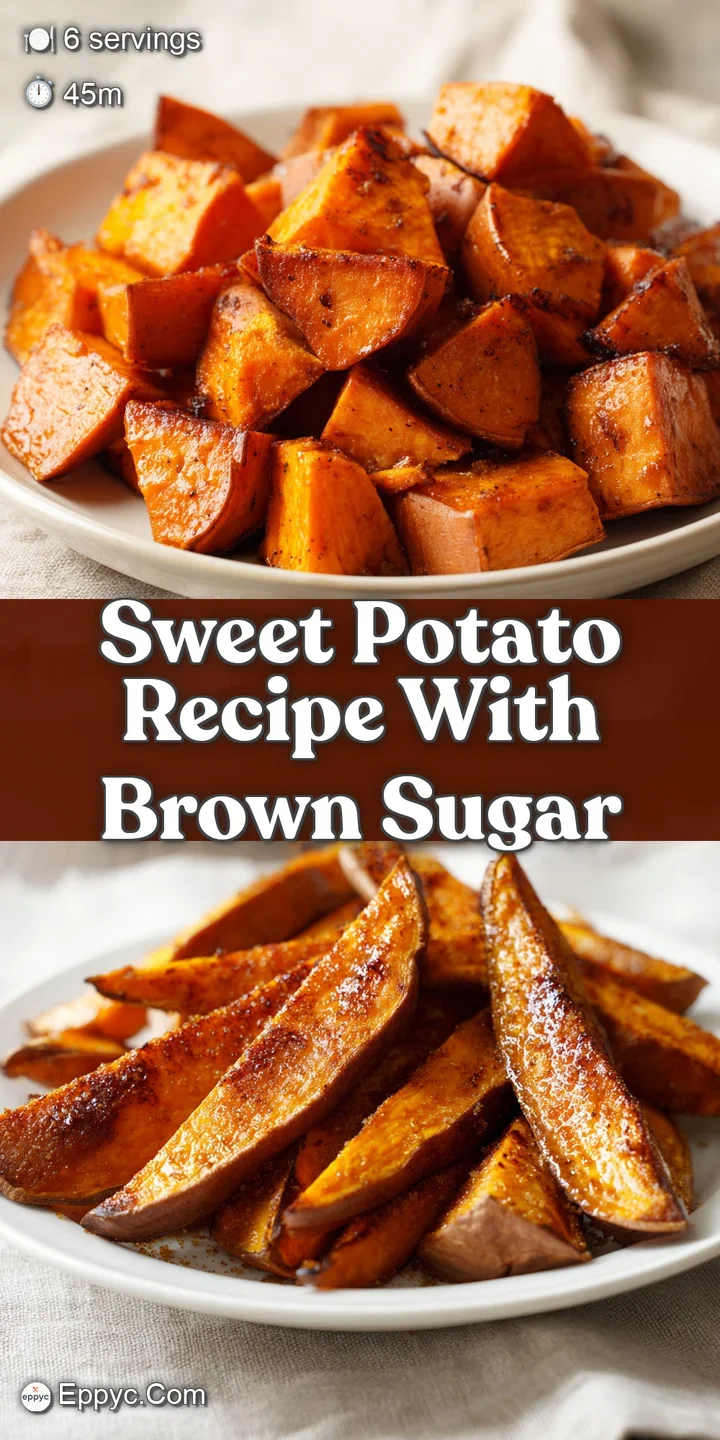
This sweet potato recipe with brown sugar is incredibly versatile. It’s obviously a star at Thanksgiving, but it works just as well next to a simple roast chicken or a pan seared steak. The sweetness of the brown sugar and cinnamon acts as a bridge to other savory flavors.
I love serving these in a shallow wooden bowl to keep the rustic, heartfelt vibe. If you want to add some texture play, toss in half a cup of toasted pecans during the last 5 minutes of roasting.
The oils from the nuts will mingle with the brown sugar and cinnamon, creating a "praline" effect that is absolutely sinful.
Don't be afraid of the cayenne. That tiny bit of technology for your tastebuds ensures that you don't get "palate fatigue" from the sweetness. It keeps you coming back for "just one more cube" until the pan is suddenly empty.
Trust me on this one it's the secret that will have your friends texting you for the recipe before they've even finished their first serving. Let's crack on and get roasting!
Recipe FAQs
Is brown sugar and cinnamon good on sweet potatoes?
Yes, this combination is highly recommended. The dark molasses in brown sugar balances the earthy starch of the potato, while cinnamon adds essential warmth and aromatic depth to the glaze.
How do you make mashed sweet potatoes with cinnamon and brown sugar?
Roast the sweet potatoes whole until tender, then mash them. Do not boil them, as boiling leaches out flavor and starch. Once mashed, immediately stir in melted butter, brown sugar, and cinnamon to incorporate evenly before the potato sets.
What does cinnamon on sweet potatoes do?
Cinnamon acts as an aromatic bridge, connecting the savory potato flavor with the sweetness of the sugar. Using a potent variety like Saigon cinnamon ensures its flavor doesn't disappear during high heat roasting.
Are sweet potatoes with brown sugar healthy?
They are healthy in moderation, depending on the sugar quantity. Sweet potatoes are rich in Vitamin A, but brown sugar adds refined sucrose. For a variation, try using maple syrup, similar to techniques used in our How to Make recipe, for a slightly different mineral profile.
Can I substitute dark brown sugar with white sugar?
No, white sugar provides only sweetness, not depth. Dark brown sugar contains molasses, which adds acidity that cuts through the richness, resulting in a more complex, less flat flavor profile.
Why are my glazed sweet potatoes sticky instead of crispy?
You likely trapped steam during the cooking process. Ensure you are using a large, rimmed baking sheet and leave space between the potato cubes so moisture can evaporate quickly.
What temperature should I roast sweet potatoes for maximum caramelization?
Roast at 200°C (400°F) to ensure you hit the Maillard reaction threshold. This high heat encourages the sugar glaze to caramelize rapidly on the exterior before the interior becomes overly soft.
Sweet Potato Brown Sugar Bake
Ingredients:
Instructions:
Nutrition Facts:
| Calories | 251 kcal |
|---|---|
| Protein | 4.8 g |
| Fat | 4.7 g |
| Carbs | 49.4 g |
| Fiber | 6.8 g |
| Sugar | 13.6 g |
| Sodium | 512 mg |
