Ina Garten Tuscan White Bean Soup
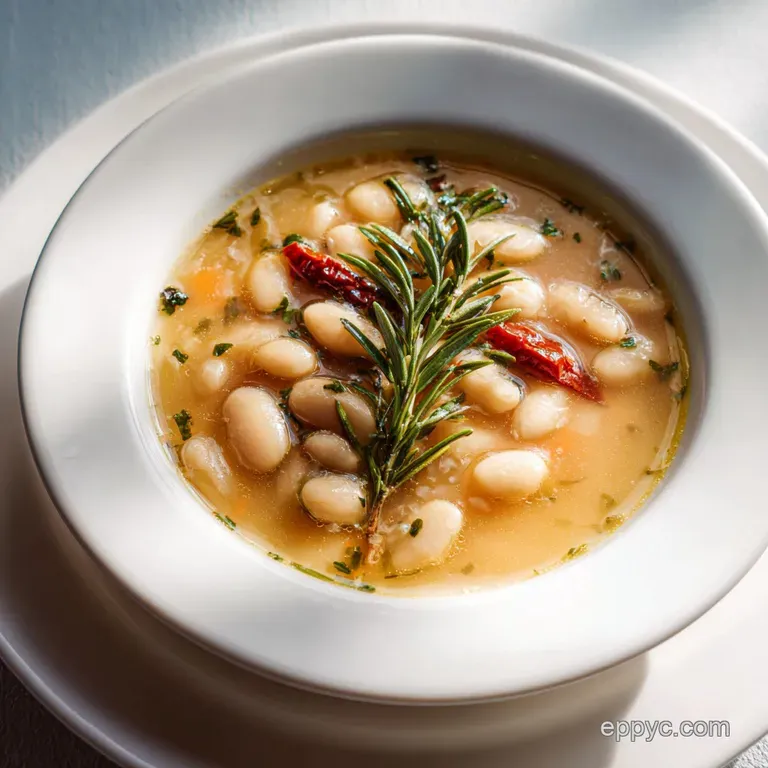
- Time: Active 20 minutes, Passive 45 minutes, Total 65 minutes
- Flavor/Texture Hook: A velvety, herb infused broth with smoky pancetta crunches and earthy beans.
- Perfect for: A cozy weeknight dinner that feels like a high end restaurant meal.
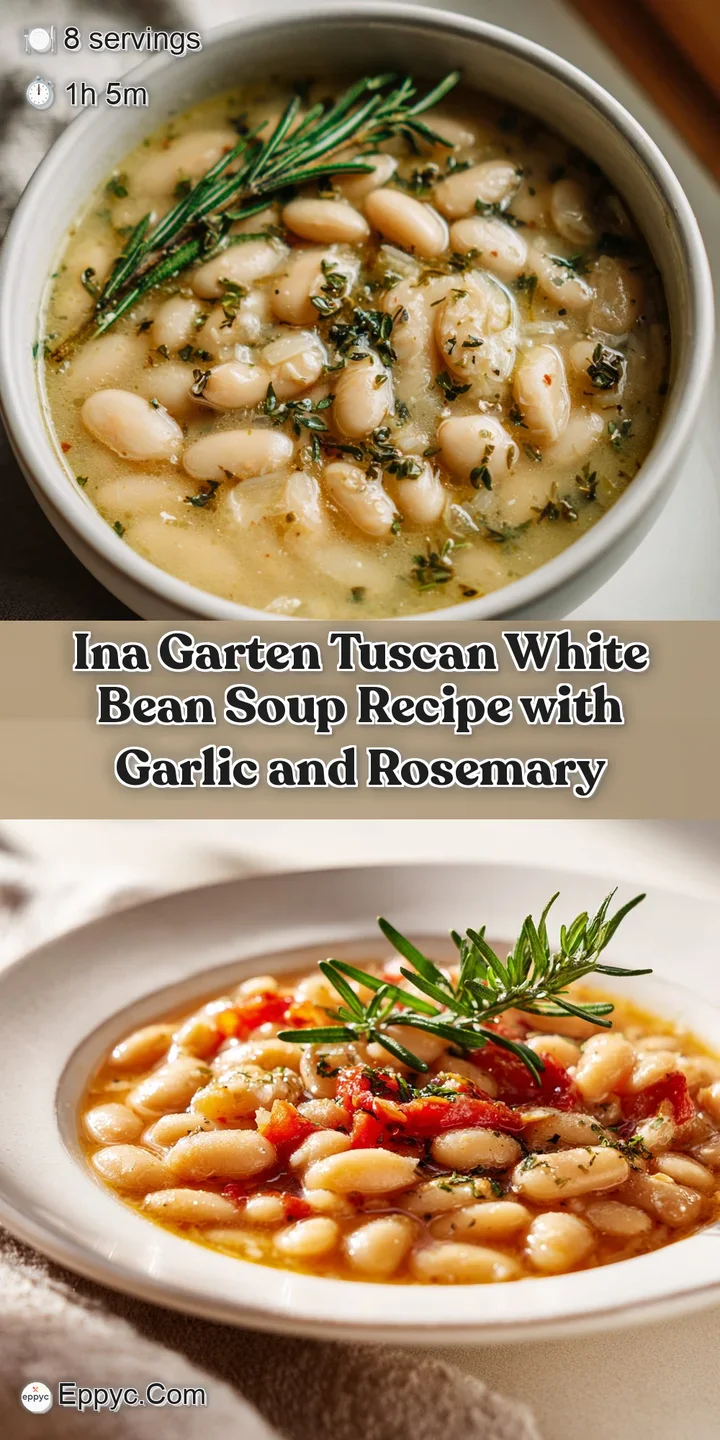
- Ina Garten Tuscan White Bean Soup Recipe with Garlic and Rosemary
- Inventive Culinary Logic Behind This Bold Bean Soup
- Component Analysis for This Satisfying Tuscan Dish
- Gathering the Wholesome Ingredients for This Bold Bean Soup
- Essential Kitchen Tools for Achieving That Velvety Soup Texture
- Bringing It Together with Layered Aromas and Strategic Blending
- Pro Tips and Pitfalls for the Most Inventive Tuscan Soup
- Creative Flavor Variations to Keep Your Soup Pot Exciting
- Smart Storage and Reheating Methods for Making Soup Last
- Inventive Pairing Ideas to Turn Soup Into a Feast
- Debunking Tuscan Soup Misconceptions
- Critical Sodium Alert
- Recipe FAQs
- 📝 Recipe Card
Ina Garten Tuscan White Bean Soup Recipe with Garlic and Rosemary
I used to think that a great bean soup just meant throwing a few cans into a pot with some water and hoping for the best. The result was always the same: a thin, watery broth with sad, mushy beans that tasted like nothing but salt.
It was honestly discouraging because I knew there was a better version out there, but I couldn't quite grasp how to get that "restaurant quality" thickness without making the whole thing feel heavy or greasy.
Discover our featured Ina Garten Tuscan White Bean Soup Recipe, bursting with garlic and rosemary. This specific method solves the "thin soup" problem by using the beans' own natural starches to build a body that feels indulgent but stays entirely wholesome.
We aren't just boiling things here, we are building layers of flavor starting with rendered fat and ending with a bright pop of citrus that changes the entire profile of the dish.
You can expect a bowl that is bold, satisfying, and deeply aromatic. The house will smell like a rustic Italian kitchen the moment the rosemary hits the hot oil. By the time you sit down to eat, you'll have a soup that isn't just a side dish, but a complete, inventive meal that highlights how simple, plant forward ingredients can provide massive satisfaction when treated with a bit of care.
Inventive Culinary Logic Behind This Bold Bean Soup
- Fat Rendering: Sautéing the pancetta first creates a flavorful foundation of rendered pork fat, which carries the aromatic compounds of the vegetables more effectively than plain oil.
- Glutamate Infusion: Simmering the parmesan rind allows the natural amino acids (glutamates) to dissolve into the broth, providing a deep umami flavor that mimics a long simmered meat stock.
- Starch Emulsification: Blending exactly one third of the soup releases the interior starches of the cannellini beans, which then bind with the broth to create a silky, thickened texture.
- The Volatile Oil Window: Adding the rosemary with the garlic ensures the heat releases the herb’s needle like essential oils into the fat, preventing the piney flavor from getting lost in the liquid later.
| Cook Method | Time | Texture | Best For |
|---|---|---|---|
| Traditional Stovetop | 45 minutes | Velvety with whole beans | Retaining vegetable shape and bright herb notes |
| Oven (Dutch Oven) | 1 hours | Very soft, integrated | A deeper, slightly caramelized flavor profile |
| Slow Cooker | 6 hours | Extremely tender, thick | Hands off prep where textures can fully meld |
When you choose the stovetop method, you have more control over the "sweating" process of the vegetables. This is vital because we want the leeks and carrots to become tender and sweet without turning into a brown, caramelized mush.
This soup relies on the gentle interaction of ingredients, where each element retains its identity while contributing to the collective bold flavor of the pot.
Component Analysis for This Satisfying Tuscan Dish
| Ingredient | Science Role | Pro Secret |
|---|---|---|
| Cannellini Beans | Primary Starch Source | Rinse them thoroughly to remove the "canned" metallic taste before adding |
| Parmesan Rind | Umami Accelerator | Keep these in your freezer; they add a savory "backbone" that salt alone can't provide |
| Fresh Rosemary | Aromatic Essential Oils | Mince it very fine so you get the flavor without woody "needles" in your bite |
| Chicken Bone Broth | Protein Rich Base | Bone broth contains more gelatin than standard stock, contributing to a better mouthfeel |
Using a high-quality bone broth is a small step that makes a massive difference in the final result. While standard chicken stock works, bone broth brings a certain viscosity and richness that supports the beans perfectly. This soup is a lighter, bean focused cousin to a Classic Beef Stew Recipe but provides that same deep, bowl hugging satisfaction that you crave on a chilly evening.
Gathering the Wholesome Ingredients for This Bold Bean Soup
The beauty of this recipe lies in the pantry friendly nature of the components, though each one serves a very specific purpose. We are looking for a balance between the salty pancetta, the earthy beans, and the bright finish of the lemon.
- 1/4 cup extra virgin olive oil: Use the good stuff here. Why this? It acts as the primary flavor conductor for the aromatics.
- 4 oz diced pancetta: This provides the smoky, salty base. Why this? It adds complexity that plain bacon usually overwhelms.
- 2 cups yellow onions, chopped: The foundational sweetness.
- 2 cups leeks, white and light green parts only, chopped: Why this? Leeks provide a more delicate, buttery onion flavor than standard bulbs.
- 2 cups carrots, scrubbed and diced: For color and natural sugar.
- 2 cups celery, diced: Essential for the "holy trinity" of soup bases.
- 6 cloves garlic, minced: Don't skimp on this. Why this? Garlic is the aromatic heart of the Tuscan profile.
- 1 tbsp fresh rosemary, finely minced: Use fresh, not dried, if possible.
- 2 tsp kosher salt: Use Diamond Crystal or reduce by half for table salt.
- 1 tsp freshly cracked black pepper: Provides a subtle, lingering heat.
- 1/4 tsp crushed red pepper flakes: Just enough for a tiny "hello" on the tongue.
- 4 cans (15 oz each) cannellini beans, drained and rinsed: Why this? These beans are creamy and mash easily for the texture.
- 8 cups chicken bone broth: This provides the liquid volume and deep nourishment.
- 1 piece parmesan rind (approx. 2 inches): The secret weapon for savory depth.
- 2 tbsp fresh lemon juice: Added at the very end to brighten every other flavor.
For the beans, make sure you aren't grabbing "Great Northern" or "Navy" beans by mistake. While they are similar, Cannellini beans are larger and have a much creamier interior that is essential for the partial blending step. If you're looking for another earthy comfort dish, you might also enjoy my velvety homemade mushroom soup which uses similar layering techniques.
Essential Kitchen Tools for Achieving That Velvety Soup Texture
To get the best results, you need a heavy bottomed pot. A cast iron Dutch oven (like a Le Creuset or Lodge) is the gold standard here because it distributes heat evenly, preventing the bottom of the soup from scorching while it simmers.
You will also need a sharp chef's knife for all that dicing; consistent sizes for the carrots and celery ensure they all finish cooking at the same time.
An immersion blender is the most convenient tool for the blending step. It allows you to pulse the soup directly in the pot without the dangerous task of transferring hot liquid to a traditional blender.
If you don't have one, a simple potato masher can work in a pinch, though the texture will be slightly more rustic and less silky. Finally, a slotted spoon is necessary for removing the crispy pancetta so it stays crunchy for the garnish.
Bringing It Together with Layered Aromas and Strategic Blending
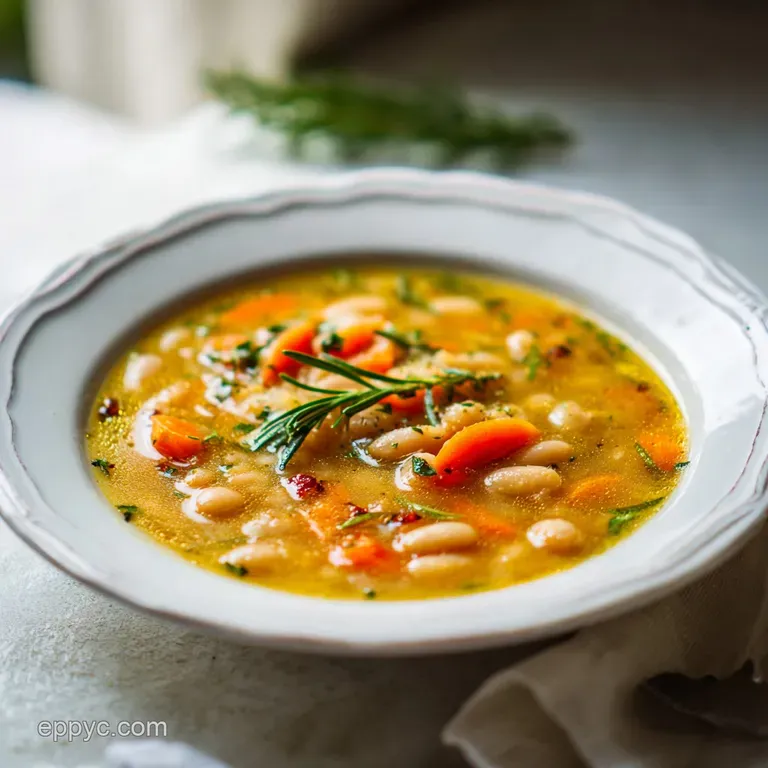
- Heat the 1/4 cup olive oil in a large, heavy bottomed Dutch oven over medium heat. Add the 4 oz diced pancetta and sauté for 5–7 minutes until the fat has rendered and the bits are golden brown. Note: This creates the savory oil base for the veggies.
- Using a slotted spoon, remove the pancetta and set aside, leaving the flavored oil in the pot.
- Add the onions, leeks, carrots, and celery to the pot. Cook over medium low heat for 10–12 minutes until the vegetables are softened and translucent but not browned. Note: Sweating instead of browning keeps the flavor clean and sweet.
- Stir in the 6 cloves minced garlic, 1 tbsp minced rosemary, salt, black pepper, and red pepper flakes. Cook for 1–2 minutes until the garlic is fragrant and the rosemary scent fills the room.
- Add the 4 cans of drained cannellini beans, 8 cups chicken bone broth, and the parmesan rind. Bring the mixture to a boil until large bubbles break the surface, then reduce heat and simmer uncovered for 20 minutes.
- Remove the parmesan rind using tongs. This rind has done its job of infusing the liquid with salty, nutty depth.
- Using an immersion blender, pulse the soup several times to blend approximately one third of the mixture. Stop when the liquid looks creamy but plenty of whole beans remain.
- Stir in the 2 tbsp fresh lemon juice and the reserved crispy pancetta bits.
- Taste the soup carefully. The lemon and parmesan rind provide salt, so adjust the seasoning only after these are integrated.
- Serve hot in deep bowls, perhaps with a final drizzle of olive oil or a sprinkle of fresh herbs.
Pro Tips and Pitfalls for the Most Inventive Tuscan Soup
One of the biggest mistakes people make with bean soup is rushing the "sweating" of the aromatics. If you turn the heat up too high, the onions and leeks will brown and develop a bitter, charred flavor that clashes with the delicate rosemary. Keep the heat low and slow.
Also, be incredibly diligent when cleaning your leeks. Dirt hides in those tight green layers, and nothing ruins a velvety soup faster than a bit of grit.
The Problem of Mushy Overcooked Beans
If you simmer the soup for much longer than the recommended 20 minutes, the beans can begin to disintegrate entirely. This loses the "Tuscan" character, which relies on a mix of textures.
If you find your soup has become too thick or the beans have broken down, you can whisk in an extra half cup of broth to loosen the consistency back to a pourable state.
Ensuring Clean and Gritty Free Leeks
To properly clean leeks, slice them first, then place the rounds in a bowl of cold water. Agitate them with your hands so the dirt falls to the bottom of the bowl. Lift the leeks out of the water rather than pouring them through a colander, which would just dump the dirt back onto the vegetables.
| Problem | Root Cause | Solution |
|---|---|---|
| Soup is too thin | Not enough beans were pulsed | Blend another 1/2 cup of the soup until the base thickens |
| Flavor is flat | Needs more acidity | Add another teaspoon of lemon juice or a splash of white wine vinegar |
| Too salty | Parmesan rind or broth was very high in sodium | Add a peeled, halved potato and simmer for 10 mins to absorb salt, then remove |
Common Mistakes Checklist
- ✓ Don't skip the parmesan rind; it provides the primary umami profile.
- ✓ Ensure you rinse the beans; the liquid in the can is often overly starchy and metallic.
- ✓ Pat the pancetta dry before adding to the oil to ensure it crisps rather than steams.
- ✓ Add the lemon juice only at the very end; boiling it can make the citrus notes turn bitter.
- ✓ Remove the rosemary leaves from the woody stem before mincing to avoid tough bits in the soup.
Creative Flavor Variations to Keep Your Soup Pot Exciting
If you want to add a bit of weight to the dish, you can throw in a handful of small pasta like ditalini or orzo during the last 10 minutes of simmering. Just keep in mind that pasta will absorb a lot of the broth, so you may need to add an extra cup of chicken bone broth to maintain the correct soup to solid ratio.
For a greens focused variation, stir in two cups of chopped Lacinato kale or baby spinach during the final 2 minutes of cooking. The heat of the soup will wilt the greens perfectly without turning them into a mushy gray mess.
This adds a lovely pop of color and a boost of nutrition that makes the recipe feel even more wholesome and inventive.
- If you want a smokier profile, replace the pancetta with diced smoked ham hock.
- If you want a vegetarian version, swap the chicken bone broth for a rich mushroom stock and omit the pancetta.
- If you want a spicier kick, double the red pepper flakes and add a teaspoon of smoked paprika.
Smart Storage and Reheating Methods for Making Soup Last
This soup is actually better the next day because the rosemary and garlic have more time to fully permeate the beans. You can store it in an airtight container in the refrigerator for up to 4 days. When reheating, you'll notice the soup has thickened significantly as the starches continue to set.
Simply add a splash of water or broth when reheating on the stovetop over medium low heat to bring it back to its original velvety glory.
For freezing, this recipe is a champion. It stays fresh in the freezer for up to 3 months. I recommend freezing it in individual portions so you can grab a single serving for a quick lunch. To reheat from frozen, let it thaw in the fridge overnight, then warm it slowly.
Avoid over high heat microwaving from frozen, as it can cause the beans to explode and ruin the texture of the base.
Inventive Pairing Ideas to Turn Soup Into a Feast
A soup this bold deserves a sidekick that can stand up to its flavors. A thick slice of sourdough bread, toasted with a bit of garlic butter, is the classic choice for dipping. The tanginess of the sourdough complements the lemon in the soup beautifully.
If you are serving this for a larger dinner, a simple arugula salad with shaved parmesan and a light balsamic vinaigrette provides a peppery contrast to the earthy beans. Since the soup is quite filling, you don't need a heavy main course.
Think of this as the star of the show, supported by light, crisp textures that cleanse the palate between those satisfying, velvety spoonfuls.
Debunking Tuscan Soup Misconceptions
One common myth is that you must soak dried beans for 24 hours to get a good result. While dried beans are great, high-quality canned cannellini beans are processed in a way that preserves their creaminess perfectly for this specific recipe.
Using cans saves you hours of prep without a significant sacrifice in flavor, provided you rinse them well.
Another misconception is that the parmesan rind will melt into the soup. In reality, the rind stays solid; it simply "sweats" out its oils and proteins into the liquid. If you leave it in too long, it might get sticky, but it will never fully disappear.
Always remember to fish it out before serving, or someone will get a very chewy, albeit flavorful, surprise in their bowl!
Critical Sodium Alert
1145 mg 1145 mg (50% 50%)
The American Heart Association recommends no more than 2,300 mg of sodium per day, with an ideal limit of less than 1,500 mg for most adults.
Strategies to Lower Sodium in Your Recipe
-
Opt for Low-Sodium Broth-30%
Replace the 8 cups of chicken bone broth with low-sodium or no-salt added chicken bone broth. This is the largest contributor to sodium and offers significant savings.
-
Rethink the Pancetta-25%
Pancetta is very high in sodium. Consider omitting it entirely or replacing it with uncured, reduced sodium bacon or even mushrooms for a similar savory element without the salt.
-
Halve the Kosher Salt-25%
Reduce the 2 tsp of kosher salt to 1 tsp. You can always add more salt at the table if needed, but starting with less is key.
-
Rinse Beans Thoroughly-20%
While you are already draining and rinsing the canned cannellini beans, ensure you rinse them very well under running water to remove as much residual sodium from the canning liquid as possible.
-
Use Parmesan Sparingly-15%
The parmesan rind adds flavor but also sodium. You can reduce the size of the rind or omit it if you're aiming for maximum sodium reduction, relying on other aromatics for flavor.
-
Maximize Herbs and Spices
Emphasize the use of fresh rosemary, black pepper, and crushed red pepper flakes. Fresh garlic, onions, leeks, and carrots also contribute natural flavor without adding sodium.
Recipe FAQs
Is it necessary to use the parmesan rind?
Yes, the rind is essential for the depth of flavor. It provides the primary umami profile that defines this soup, so don't skip it if you want that signature savory richness.
How to make the pancetta extra crispy?
Pat the pancetta dry with a paper towel before adding it to the pot. This removes excess surface moisture, ensuring the meat crisps up perfectly in the olive oil instead of steaming.
Can I use the liquid from the can of beans?
No, avoid using the canning liquid. Rinsing the beans is important because the liquid in the can is often overly starchy and can have a metallic taste that ruins the broth.
How to prevent the lemon juice from becoming bitter?
Add the lemon juice only at the very end after taking the pot off the heat. If you boil the soup after adding the juice, the delicate citrus notes can turn bitter.
How to prepare the rosemary for the best texture?
Strip the needles from the woody stem before finely mincing them. Removing the tough, fibrous stems ensures you don't get unpleasant, woody bits in your final bowl of soup.
How to achieve the perfect creamy consistency?
Pulse the soup with an immersion blender to blend only one-third of the mixture. If you enjoyed mastering this texture balancing technique, see how we use similar principles to create a creamy sauce base in other dishes.
Is it true I can cook the vegetables until they are browned?
No, this is a common misconception. You should sweat the onions, leeks, carrots, and celery over medium low heat for 10 12 minutes until they are softened and translucent, not browned, to maintain a sweet, delicate flavor profile.
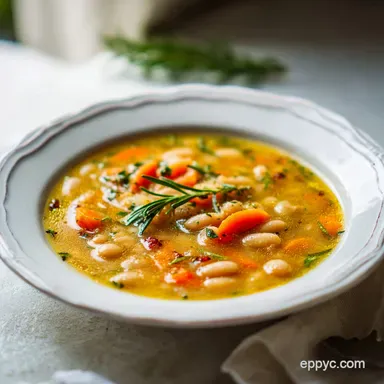
Tuscan White Bean Soup 2
Ingredients:
Instructions:
Nutrition Facts:
| Calories | 326 kcal |
|---|---|
| Protein | 19.5 g |
| Fat | 10.8 g |
| Carbs | 42.5 g |
| Fiber | 9.2 g |
| Sugar | 6.8 g |
| Sodium | 1145 mg |
