French Brioche Bread: Traditional and Buttery
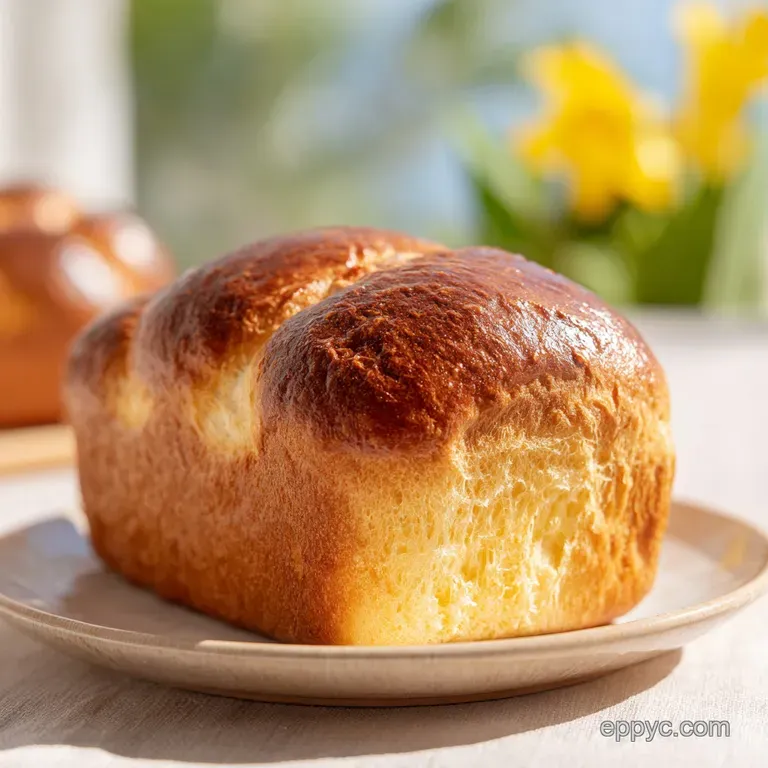
- Time: Active 45 min, Passive 870 min, Total 915 min
- Flavor/Texture Hook: Velvety, buttery crumb with a shatter crisp mahogany crust
- Perfect for: Holiday brunches, impressive gifting, or a weekend artistic baking project
- Achieving Golden Artistry with This French Brioche Bread Recipe
- Timing Your Masterpiece for Show stopping Results
- Selecting the Finest Elements for a Buttery Crumb
- Essential Tools to Craft an Elegant Pastry Loaf
- Step-by-Step Guide to Baking This French Classic
- Solving Texture Problems for a Flawless Golden Finish
- Joyful Ways to Customize Your Homemade Brioche Dough
- Preserving the Fragile Softness of Your Fresh Bread
- Stunning Presentation Ideas for Your Golden Creation
- Recipe FAQs
- 📝 Recipe Card
Achieving Golden Artistry with This French Brioche Bread Recipe
The first time I pulled a tray of these golden loaves out of the oven, the aroma didn't just fill the kitchen; it felt like it hugged every corner of the house. There is something truly spiritual about the scent of yeast mingling with high-quality butter and honey.
It is a warm, toasted, almost caramel like fragrance that promises luxury before you even take a bite. I remember watching the morning light catch the glossy, mahogany surface of the crust and thinking it looked more like a sculpture than a loaf of bread.
That specific loaf taught me that bread isn't just about sustenance; it is about the joy of the process. I used to be intimidated by the idea of an enriched dough, fearing the sticky mess or the long wait times.
But once you see that shaggy mass transform into a silky, elastic ribbon of dough under the hook of your mixer, you realize the magic is in the patience. This isn't a rushed weeknight bake; it is a slow dance that rewards you with a texture so velvety it practically melts on the tongue.
We are focusing on the incredible impact of European style butter here. While standard butter works, the higher fat content in European varieties (usually around 82% or more) is what gives this french brioche bread recipe its signature plasticity and deep, golden hue.
Using a lower fat butter often results in a crumb that feels more like standard sandwich bread than the regal, airy pastry we are aiming for. When that butter hits the warm milk and honey, it creates an emulsion that is the very definition of culinary artistry.
Timing Your Masterpiece for Show stopping Results
Creating a masterpiece requires a blueprint, and with brioche, timing is your most important tool. We are working with a total time of 15 hours and 15 mins, but don't let that number scare you.
Most of that is the dough doing its own thing in the fridge, developing those complex, nutty flavors that a quick rise bread simply cannot replicate. The active work is actually quite meditative and takes less than an hour of your hands on attention.
| Thickness | Internal Temp | Rest Time | Visual Cue |
|---|---|---|---|
| Standard 9x5 Loaf | 190°F (88°C) | 20 minutes | Deep mahogany crust, hollow sound when tapped |
| Small Brioche Buns | 190°F (88°C) | 10 minutes | Uniform golden brown, springy touch |
| Braided Loaf | 190°F (88°C) | 25 minutes | Dark gold in crevices, firm structure |
The cold fermentation stage (the 12 to 14 hours in the fridge) is non negotiable for two reasons. First, it allows the yeast to work slowly, which creates a much more sophisticated flavor profile than a fast, warm rise.
Second, a high fat dough is nearly impossible to shape when it is warm; the cold firms up the butter, turning the dough into something as easy to handle as chilled playdough. If you try to skip this, you'll end up with a sticky situation that will test even the calmest cook's patience.
Selecting the Finest Elements for a Buttery Crumb
Every ingredient in this list serves a specific architectural purpose. We aren't just tossing things in a bowl; we are building a structure capable of holding a massive amount of fat while remaining light as a feather.
The bread flour provides the high protein content necessary to create a strong gluten network, which acts like a series of tiny balloons holding onto the gases produced by the yeast. Without that strength, the heavy butter would simply collapse the loaf.
| Ingredient | Science Role | Pro Secret |
|---|---|---|
| Bread Flour (500g) | Gluten framework | Sift it for maximum aeration and a smoother crumb |
| European Butter (200g) | Fat coating | Use 82% fat content for better plasticity and flavor |
| Whole Milk (60ml) | Hydration and richness | Keep it at 105°F to wake yeast without killing it |
When choosing your ingredients, remember that the eggs provide both structure and that gorgeous sunny color. We use 4 large eggs in the dough itself to ensure a rich, custard like interior. If you find yourself with extra brioche after a few days, it makes the most incredible base for a bread and butter pudding because the high fat content absorbs the custard without becoming soggy. It is the ultimate way to ensure zero waste while enjoying a second show stopping creation.
Essential Tools to Craft an Elegant Pastry Loaf
While you can technically knead this by hand, I strongly recommend a stand mixer such as a KitchenAid. The process of incorporating 200g of softened butter into a developed dough takes significant mechanical force.
Hand kneading this much fat into dough often results in the butter melting from the warmth of your palms, which ruins the emulsion and leaves you with a greasy mess instead of a silky dough.
- Stand Mixer: Crucial for the 8 10 minute kneading process and the slow butter incorporation.
- 9x5 Inch Loaf Pan: The standard size for this recipe, ensuring the dough has enough room to climb.
- Digital Thermometer: The only way to truly know your bread is done (look for 190°F).
- Kitchen Scale: Essential for the 500g of flour and 200g of butter; volume measurements are too risky here.
- Pastry Brush: For applying that final, glossy egg wash that creates the mahogany sheen.
Using a kitchen scale is the difference between a loaf that reaches for the sky and one that stays squat and heavy. Flour density varies wildly based on how it's packed into a cup, so weighing out exactly 500g ensures your hydration levels are spot on every single time.
It's a small step that brings a level of professional artistry to your home kitchen.
step-by-step Guide to Baking This French Classic
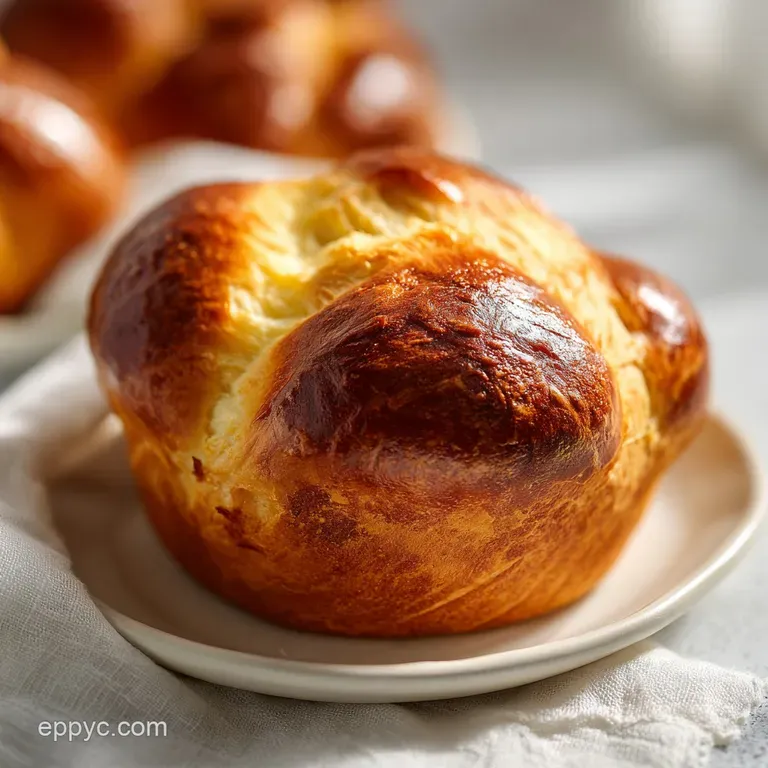
- Awaken the yeast. Combine 60ml warm milk (105°F), 15g honey, and 7g active dry yeast in the mixer bowl. Note: The honey provides immediate fuel for the yeast to create a robust foam.
- Form the mass. Add 500g bread flour, 10g fine sea salt, and 4 large eggs. Mix on low with the dough hook until a shaggy, cohesive mass forms.
- Develop the strength. Increase speed to medium low and knead for 8–10 minutes. Wait until the dough clears the sides and passes the windowpane test.
- Emulsify the butter. Add 200g softened butter one tablespoon at a time. Note: Ensure each piece disappears completely before adding the next to maintain dough stability.
- Begin the cold ferment. Cover the bowl tightly and refrigerate for 12 to 14 hours. The dough will become firm and incredibly easy to shape.
- Shape the loaf. Degas the chilled dough by gently pressing down, shape into a smooth cylinder, and place in a greased 9x5 pan.
- Final proofing. Let the loaf sit at room temperature for 2 hours. Watch for it to double in size and look pillowy.
- Apply the shine. Whisk 1 egg and 1 tbsp heavy cream, then brush gently over the top.
- The master bake. Bake at 175°C for 30 minutes. Look for a deep mahogany crust and an internal temp of 190°F.
- Cool with patience. Remove from the pan and let it rest on a wire rack for at least 20 minutes before slicing.
Solving Texture Problems for a Flawless Golden Finish
One of the most common issues bakers face with this french brioche bread recipe is a "leaking" dough, where butter pools at the bottom of the pan. This usually happens if the butter was added too quickly or if the dough got too warm during the mixing process.
If you notice the dough looking greasy while mixing, stop the mixer and put the whole bowl in the fridge for 15 minutes before continuing.
Correcting a Dense Crumb
A dense crumb often stems from under proofing during the final 2 hour rise. Because the dough is cold from the fridge, it takes time to wake up and start expanding. If your kitchen is cool, it might need an extra 30 minutes.
The dough should look fragile and jiggly, like a marshmallow, before it goes into the oven.
Fixing an Overly Dark Crust
Because of the honey and high fat content, brioche browns very quickly. If you see the top turning dark mahogany before the 20 minute mark, loosely tent it with aluminum foil. This allows the center to reach 190°F without the exterior burning.
| Problem | Root Cause | Solution |
|---|---|---|
| Butter leaking out | Dough too warm or butter added too fast | Chill dough for 15 mins; add butter slower |
| Dough won't rise | Dead yeast or cold room | Check yeast expiration; move dough to a warmer spot |
| Raw, gummy center | Oven too hot or pulled too early | Use a thermometer to hit 190°F; tent with foil |
Common Mistakes Checklist
- ✓ Never use cold butter; it must be soft enough to smash easily between your fingers.
- ✓ Don't skip the windowpane test; if the dough tears when stretched thin, keep kneading.
- ✓ Avoid over greasing the pan; a light coating is enough to prevent sticking without frying the crust.
- ✓ Always use room temperature eggs to prevent the softened butter from seizing up.
- ✓ Let the bread cool completely; cutting it hot collapses the delicate internal steam cells.
Joyful Ways to Customize Your Homemade Brioche Dough
While the classic loaf is a thing of beauty, this dough is an incredible canvas for artistic expression. You can easily pivot this into a savory herb loaf by folding in roasted garlic and fresh rosemary after the butter is incorporated. The richness of the dough handles strong aromatics beautifully.
If you're in the mood for something brighter, a citrus infused version with lemon zest and a splash of orange blossom water is breathtaking for a spring brunch.
| Fresh Brioche | Bread Machine Shortcut | Why the Difference? |
|---|---|---|
| Hand shaped, 14 hour ferment | Automated, 3 hour cycle | Fresh version has vastly superior flavor and texture |
| Pillowy, airy, multi layered | Denser, more uniform crumb | Long ferment develops better gluten structure |
| Intense, nutty butter aroma | Mild, yeasty scent | Time is the main ingredient for flavor depth |
If you want to experiment with different shapes, try dividing the dough into 12 equal pieces and rolling them into tight balls. Place them in a muffin tin for "brioche à tête" style rolls, or nestle them together in a round cake pan for a pull apart centerpiece. For a stunning dessert spread, you could serve this alongside a Key Lime Pie — the creamy, tart lime provides a brilliant contrast to the heavy, buttery bread.
- Decision Shortcut
- If you want X, do Y
- If you want a sweeter loaf
- Increase the honey to 30g and add a teaspoon of vanilla bean paste.
- If you want a darker, shinier crust
- Use only egg yolks for the wash instead of a whole egg.
- If you want a savory twist
- Fold in 50g of grated Gruyère cheese during the final shaping stage.
Preserving the Fragile Softness of Your Fresh Bread
Brioche is at its peak the day it is baked, but because of the high fat content, it actually stays softer longer than a lean sourdough. To keep it fresh, wrap the cooled loaf tightly in plastic wrap or store it in an airtight container at room temperature for up to 3 days.
Never refrigerate your bread; the cold air actually speeds up the staling process by recrystallizing the starches.
For long term storage, this loaf freezes beautifully. I recommend slicing the loaf before freezing, placing parchment paper between the slices, and then sealing them in a heavy duty freezer bag. This way, you can pull out exactly what you need for a morning slice of toast.
It will stay perfect in the freezer for up to 2 months.
Zero Waste Tip: If your brioche does go stale, do not throw it away! It is the gold standard for French toast or croutons. You can also dry it out completely in a low oven, pulse it into breadcrumbs, and use them to top a broccoli casserole for a buttery, crunchy finish that is pure luxury.
Stunning Presentation Ideas for Your Golden Creation
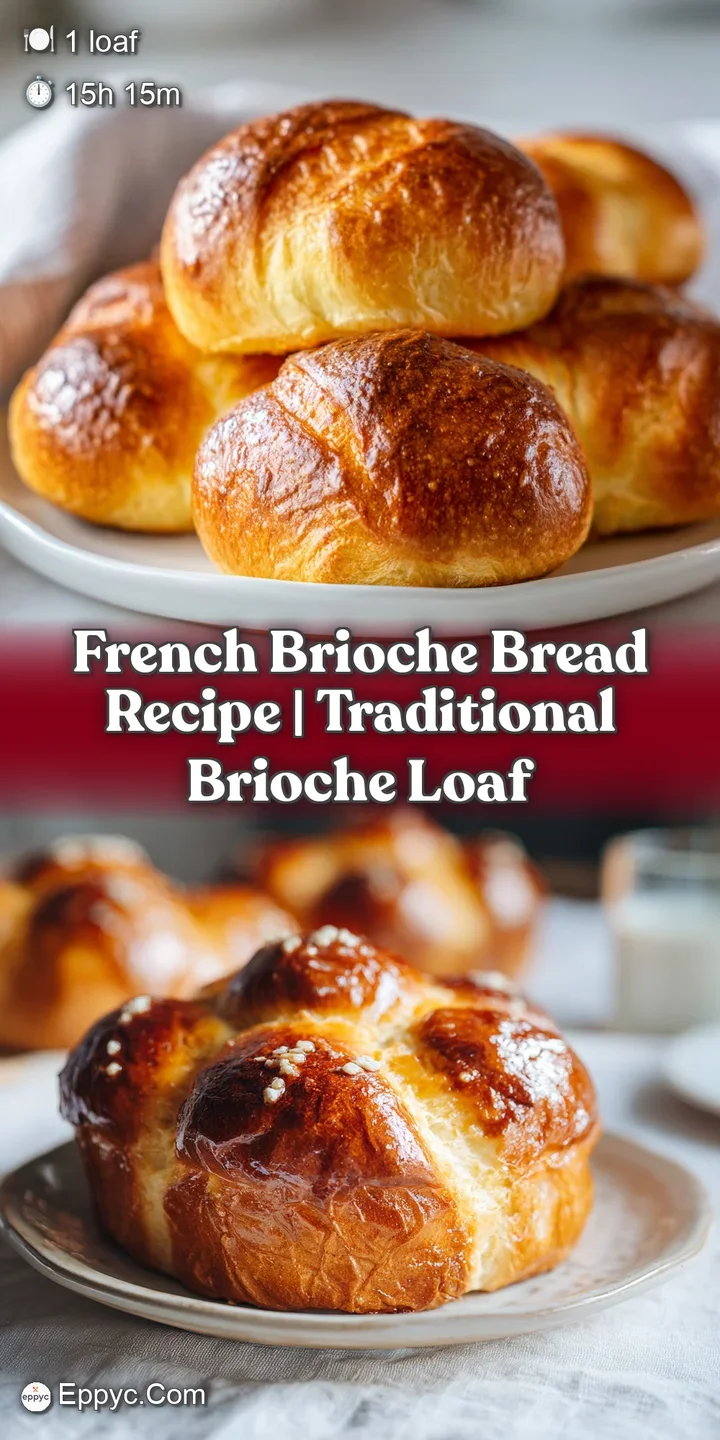
The final step in our artistic journey is the garnish. To truly make this bread a show stopper, we use a three color accent strategy. First, we aim for that deep mahogany crust, which is achieved through the heavy cream and egg wash applied right before baking.
Second, the vibrant sunny yellow of the crumb, which comes from the high-quality egg yolks and European butter. Finally, add a sprinkle of creamy pearl white flaky sea salt or pearl sugar immediately after the egg wash for a textured, sparkling finish.
When serving, I love to place the loaf on a dark wooden board to let the golden colors pop. Slicing it into thick, generous slabs allows people to see the intricate, airy webbing of the crumb. Serve it with a side of salted cultured butter or a high-quality fruit preserve.
There is a specific joy in watching someone pull apart a piece of brioche and seeing the steam rise from that soft, velvety interior. It’s not just bread; it’s a celebration of the craft.
Whether you are making this for a quiet Sunday morning or as the centerpiece of a festive brunch, remember that the "art" is in the patience you showed during those 15 hours.
The way the crust shatters slightly under a knife and the way the interior compresses and then springs back that is the reward for your dedication to the process. Enjoy every buttery, golden bite!
Recipe FAQs
What is the secret to a perfect brioche?
Patience during the cold fermentation. Refrigerating your dough for 12 to 14 hours is non-negotiable because it firms up the high fat content, making the dough manageable to shape while allowing deep, complex flavors to develop.
What makes brioche different from bread?
The extreme richness of eggs and butter. While standard bread relies on water and flour, brioche uses 4 large eggs and 200g of softened European style butter, resulting in a tender, cake like crumb. If you enjoyed the way fat transforms the texture here, apply the same emulsification logic to our homemade crème fraîche.
What flour is best for brioche?
Bread flour is the only choice. Its higher protein content provides the necessary structural support to hold up the heavy addition of butter and eggs, ensuring your loaf stays fluffy rather than collapsing.
Is brioche bread good for diabetics?
No, it is typically not recommended. This bread is high in refined carbohydrates and saturated fats, which can lead to significant spikes in blood glucose levels.
How to know if the dough is properly kneaded?
Perform the windowpane test after 8 10 minutes of mixing. Gently stretch a small piece of dough; if you can pull it thin enough to see light through it without the dough tearing, the gluten is sufficiently developed.
How to ensure a shiny, professional crust?
Brush the loaf thoroughly with an egg wash. Whisk one large egg with a tablespoon of heavy cream and coat the surface before baking at 350°F; this mixture creates a deep, dark mahogany finish.
How to fix dough that feels too sticky to handle?
Degas the dough and return it to the refrigerator. If the butter softens too much during shaping, chilling it again for 30 minutes will solidify the fat and make the dough much easier to work with.
Authentic French Brioche
Ingredients:
Instructions:
Nutrition Facts:
| Calories | 308 calories |
|---|---|
| Protein | 8.3g |
| Fat | 16.1g |
| Carbs | 32.4g |
| Fiber | 1.1g |
| Sugar | 1.8g |
| Sodium | 328mg |
