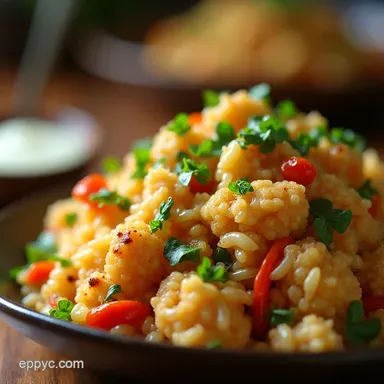
The Cauliflower Cloud Veggie Fried Rice Light Bright and Packed with Flavour
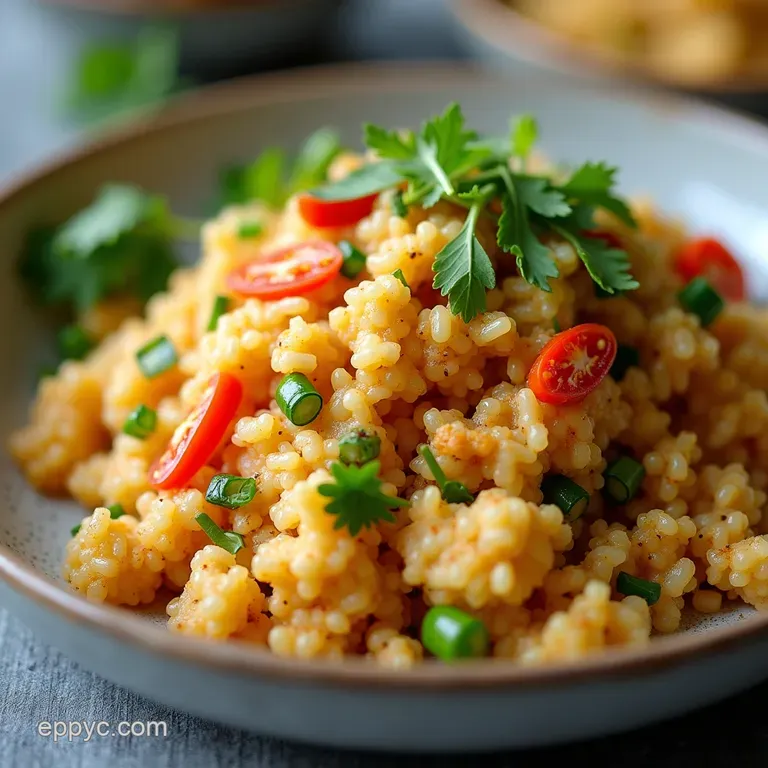
- Ditching the Takeout Trap: The Magic of Low-Carb 'Rice'
- Why This Veggie Fried Rice with Cauliflower Reigns Supreme
- The Essential Arsenal: Sourcing the Best Components
- The Art of the Sizzle: Mastering High-Heat Cooking
- Building Layers: Integrating Flavour Step-by-Step
- Beyond the Basic Bowl: Gourmet Variations and Upgrades
- Recipe FAQs
- 📝 Recipe Card
Ditching the Takeout Trap: The Magic of Low-Carb 'Rice'
There are few things more comforting than a steaming bowl of traditional fried rice. It hits that specific spot of savory, slightly sweet, and deeply satisfying umami that makes it a global favourite, especially when the weekend rolls around.
However, that delightful indulgence often comes with a side of heavy carbohydrates and surprisingly high oil content when ordered from a delivery service. This is where innovation meets craving satisfaction.
We are stepping away from the standard grain base and embracing a lighter, brighter alternative that packs all the flavour punch without the post-meal slump. I’m talking, of course, about mastering the Veggie Fried Rice with Cauliflower .
It’s a genuinely transformative dish that allows you to enjoy that Friday night classic feeling, completely guilt-free.
Why This Veggie Fried Rice with Cauliflower Reigns Supreme
The core of this recipe’s success lies in its central substitution: replacing traditional polished white rice with finely processed cauliflower florets. When prepared correctly, this substitution doesn't just lighten the load; it actually enhances the overall experience of the final dish.
This method is inherently faster, too, as the cauliflower "rice" cooks through significantly quicker than true rice grains.
Achieving the Ultimate Friday Night Comfort, Guilt-Free
We all know that feeling, you crave the familiar texture and layered flavour profile of great stir fried rice with cauliflower , but you don't want the heavy aftermath.
By utilizing the crisp, slightly nutty profile of cauliflower, we drastically reduce the carbohydrate count while simultaneously boosting the fibre and micronutrient density of the meal. It's a fantastic way to sneak in extra vegetables without compromising the authentic feel of the dish.
This preparation transforms a heavy comfort food into a lively, vibrant, and genuinely healthy cauliflower fried rice .
Deconstructing the Cauliflower Transformation: From Floret to Flavour Base
The magic happens in how we treat the cauliflower. We aren't just steaming it; we are giving it the texture of a perfect grain. The goal when processing the raw head into tiny pieces is absolute consistency, mimicking couscous or very coarse sand.
This preparation is vital because it ensures the cauliflower fried rice recipe cooks evenly. The texture achieved is remarkably close to traditional rice, soaking up the fragrant oils and umami-rich sauce beautifully.
Comparing the Luxury of Homemade vs. Delivery
When you order takeout, you are at the mercy of their ingredients and cooking methods, often relying on excessive oil and MSG for flavour depth. When you make this vegetable fried rice with cauliflower at home, you are in complete control.
You manage the sodium levels, dictate the freshness of the aromatics like ginger and garlic, and ensure every vibrant vegetable retains its crisp snap. This hands-on approach guarantees a brighter, cleaner flavour profile that delivery simply cannot match.
The Essential Arsenal: Sourcing the Best Components
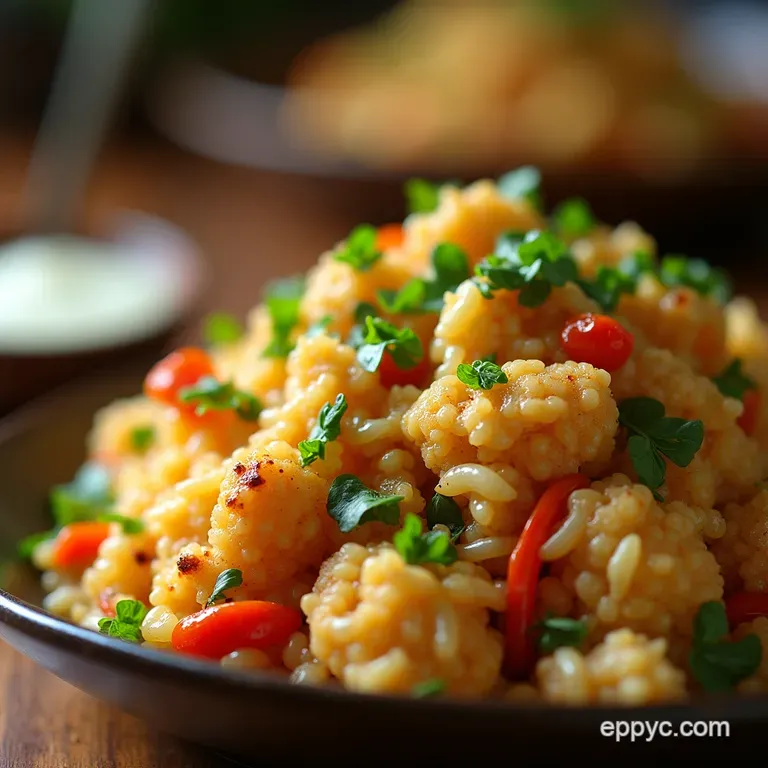
To execute this recipe successfully, focus on quality and freshness. Since cauliflower is the star, ensure your head is firm and bright white. The vibrancy of the final stir fry veggies with cauliflower rice hinges on the supporting cast of aromatics and sauces.
For the best flavour payoff, skip the jarred minced garlic and opt for fresh, potent cloves. The sauce blend must be layered; it’s not just about saltiness, but about depth.
Tool Checklist: What You Need for Perfect Wok Texture
A high-sided cooking vessel is non-negotiable for achieving that signature "wok hei" (the breath of the wok). You need a very large wok or, failing that, the biggest, heaviest-bottomed skillet you possess.
This ensures you can toss ingredients vigorously without overcrowding or cooling down the cooking surface too rapidly. On top of that,, a food processor with an S-blade is your shortcut to perfectly textured cauliflower "rice." If you don't have one, a box grater set to the largest holes will work, albeit with slightly more effort.
The Golden Trio: Vegetables That Elevate the Standard
While you can load this up with anything from broccoli florets to shiitake mushrooms, we are sticking to a classic, fast-cooking combination here. We rely on the sweetness of carrots, the bright colour and slight bitterness of bell pepper, and the reliable, textural addition of frozen peas and corn.
Crucially, since frozen peas and corn release water, they are added near the end of the vegetable cooking phase to prevent premature steaming of the cauliflower.
Secret Sauce Alchemy: Crafting the Umami-Rich Coating
The sauce is where authenticity lives. We need balance: the deep saltiness of low-sodium soy sauce (or Tamari for a gluten-free option), the unmistakable nutty aroma of toasted sesame oil, and a tiny lift of acidity from rice vinegar.
This mixture is small but mighty; it coats every piece of cauliflower and vegetable, binding the entire dish together.
Prepping Your Cauliflower 'Grain': Techniques for Dryness and Fluff
After pulsing your cauliflower florets in the processor until they resemble grains of rice, resist the urge to wash them again if they were already clean. If you must rinse, the drying process is paramount.
Spread the pulsed cauli on a clean kitchen towel or layers of paper towels and gently pat until excess moisture is gone. Any lingering water will turn your intended stir-fry into a soupy mess, ruining the crispness of your healthy fried rice with cauliflower .
Related Recipes Worth Trying
- The Ultimate Stuffed Peppers with Rice Recipe Homestyle Comfort — Learn how to make classic stuffed peppers with rice and ground beef Tender peppers baked in tomato saucethis foolproof recipe avoids common mistakes
- The Sunday Best Seriously Crispy Buttermilk Fried Chicken — Achieve truly juicy fried chicken with that perfect crunch using this classic buttermilk brine and doubledredge technique Your best homemade fried chicken...
- The Perfect Baked Beef and Rice Stuffed Peppers Recipe — A foolproof classic Stuffed Peppers Recipe baked in the oven Tender peppers filled with savoury beef and rice for ultimate comfort food Full recipe inside
The Art of the Sizzle: Mastering High-Heat Cooking
The defining characteristic of excellent fried rice, whether traditional or vegetable-based, is high heat. This is not a gentle simmer; this is a rapid toss and sear. Heating your wok until it is almost smoking before adding the oil ensures the ingredients begin to caramelize instantly rather than stewing in their own juices.
Keep the heat high throughout the majority of the cooking process.
Building Layers: Integrating Flavour step-by-step
The order of operations is crucial for ensuring that softer ingredients don't turn to mush while harder ones remain raw. Think of this process as layering textures and flavour intensities.
Phase One: Achieving Golden Edges on Your 'Cauli-Rice'
Start by quickly scrambling your eggs in a tablespoon of oil, removing them immediately. Next, sauté the firmer vegetables, the carrots and the white parts of the scallions, to give them a head start.
Once those begin to soften slightly, introduce the cauliflower rice stir fry base. You must stir-fry this vigorously for several minutes until the cauliflower begins to look slightly dry and toasted around the edges, indicating that its natural moisture has evaporated.
The Aromatics Awakening: Toasting Ginger and Garlic to Perfection
Only after the initial moisture is cooked out of the vegetables should you introduce the fresh aromatics: minced garlic and grated ginger. These burn quickly, so they only need about 30 seconds in the very hot oil until their fragrance blooms.
This brief toasting unleashes their essential oils, infusing the entire dish with foundational warmth before you add the faster-cooking peppers and frozen mix.
Final Toss: Ensuring Every Bite of Veggie Fried Rice with Cauliflower Shines
Once the vegetables are tender-crisp and the cauliflower has absorbed the heat, it’s time for the flavour injection. Push the mixture to the sides of the wok, creating a small clear area in the centre. Pour your pre-mixed sauce (soy, sesame oil, vinegar) directly onto the hot metal surface.
Let it bubble for just a second or two to caramelize slightly, then quickly toss everything together, ensuring the sauce evenly coats every grain. Finally, fold in the pre-cooked eggs and the green tops of the scallions just before plating to maintain their fresh bite.
Beyond the Basic Bowl: Gourmet Variations and Upgrades
While this base recipe for stir fry veggies with cauliflower rice is phenomenal on its own, it’s wonderfully adaptable. Consider adding earthy mushrooms, finely chopped water chestnuts for extra crunch, or even a dash of smoked paprika for depth.
The key to variation is ensuring whatever you add cooks in a similar timeframe or is added at the correct stage.
Protein Power-Ups: Adding Substance to Your Supper
To transition this from a light side dish to a hearty main course, adding protein is simple. Sauté firm tofu cubes seasoned with a little extra soy sauce right before you add the carrots.
Alternatively, cooked shrimp or shredded rotisserie chicken are excellent additions, usually folded in with the scrambled eggs at the very end, as they just need to be heated through.
Navigating Dietary Nuances: gluten-free and Soy-Free Substitutions
For those avoiding gluten, simply substitute standard soy sauce with Tamari or a high-quality liquid aminos. If you need to avoid soy entirely, coconut aminos provide a similar salty-sweet profile, though they tend to be slightly sweeter, so adjust the rice vinegar accordingly to maintain balance.
Is This the Best Version? Nutritional Highlights Explained
This healthy cauliflower fried rice shines because of its nutrient density. By swapping grains for cauliflower, you introduce powerful antioxidants and significantly more Vitamin C.
The fibre content aids in digestion and satiety, making you feel fuller for longer on fewer overall calories compared to a traditional bowl.
Troubleshooting: Banishing Soggy Cauliflower Forever
The number one enemy of great cauliflower rice is water. If your final product is soggy, it usually stems from one of two places: either you didn't dry the cauliflower thoroughly after processing, or you crowded the wok. A crowded wok drops the temperature, leading to steaming rather than searing.
If you are doubling the recipe, cook it in two separate batches!
Recipe FAQs
Can I really use cauliflower instead of rice in this Veggie Fried Rice with Cauliflower? Won't it taste weird?
Absolutely! Cauliflower, when pulsed correctly, mimics the texture of rice perfectly, soaking up all the delicious sauce. The key is to cook it over high heat so it dries out slightly and gets those lovely toasted edges, that’s where all the flavour comes from, masking any strong "cabbagey" taste.
My fried rice always ends up soggy, not fluffy. How do I stop my Veggie Fried Rice with Cauliflower from steaming instead of frying?
That's the eternal struggle! You need three things: high heat, a dry "rice," and no crowding. Make sure your wok is piping hot before anything goes in, and definitely don't overcrowd the pan, which lowers the temperature. Work in batches if necessary to ensure you get that satisfying sizzle.
What's the best way to prepare the cauliflower so it has the right texture? Should I squeeze out water?
For the best results, pulse the raw florets in a food processor until they resemble couscous or coarse grains, don't turn it into mush! Since we're cooking it down in the wok, you don't necessarily need to squeeze the moisture out beforehand, but ensuring the initial florets are dry helps speed up the cooking process significantly.
Can I make this ahead of time, or is fried rice strictly a 'cook-it-now' dish?
While it’s best eaten fresh off the wok, leftovers are perfectly fine! Store it in an airtight container in the fridge for up to three days. When reheating, use a splash of water or soy sauce in the pan and cook over medium-high heat until piping hot to bring back some of that lovely texture.
I'm not a big fan of peas. What are some good vegetable swaps for this recipe?
Feel free to swap out whatever doesn't tickle your fancy, old sport! Thinly sliced mushrooms (like shiitake for depth) or finely chopped broccoli florets work brilliantly. Just remember to add harder veggies, like carrots, earlier in the cooking process than softer ones, like bell peppers.
How can I boost the protein content if I’m having this as a main meal?
The recipe already includes eggs, which is a great start! For a proper protein hit, sautéing 1 cup of cubed, pressed tofu or adding some shredded cooked chicken or shrimp at the same time you add the frozen vegetables works a treat. Just make sure whatever protein you add is cooked or able to cook quickly.
The Best Veggie Fried Rice with Cauliflower Under 35 Mins