Chocolate Chip Cookies: Perfectly Chewy and Thick, Just Like a Bakery
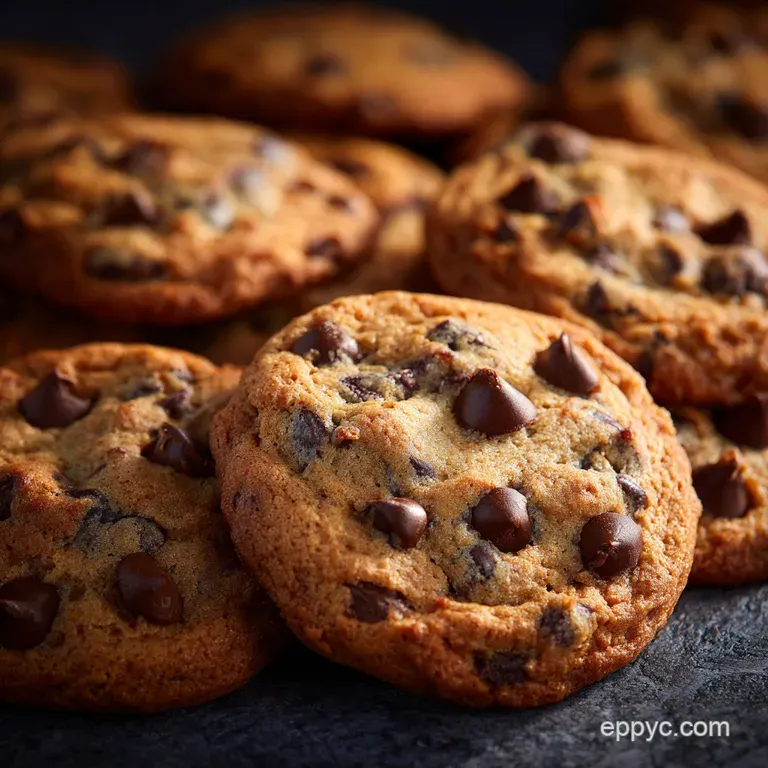
- Elevate Your Baking Game: The Ultimate Chewy Chocolate Chip Cookies
- Achieving the Ideal Texture: The Chewy Chocolate Chip Cookie Science
- Sourcing Success: Essential Ingredients for the Best Chocolate Chip Cookies
- Mastering the Method: Step-by-Step Guide to Baking Perfection
- Troubleshooting Your Bake: Expert Tips for Flawless Chocolate Chip Cookies
- Preservation & Planning: How to Store Cookie Dough and Baked Treats
- Beyond the Oven: Perfect Pairings and Ways to Serve
- Recipe FAQs
- 📝 Recipe Card
Elevate Your Baking Game: The Ultimate Chewy Chocolate Chip Cookies
Okay, imagine this: You open the oven door, and that warm, buttery, dark caramel smell floods your entire house. It’s the scent of pure comfort and total indulgence. That’s the promise of a truly great chocolate chip cookie crispy edges giving way to a rich, molten centre every single time.
We all need a reliable, stress free recipe in our back pocket, right? This isn't just baking; it’s absolute culinary therapy, and it's surprisingly simple once you nail the few key steps. These ingredients are cheap pantry staples, making this the perfect emergency dessert or late night craving cure.
I've personally tinkered with hundreds of versions, from flat discs to dry, cakey monstrosities, but this specific formula is the absolute winner. We focus heavily on a high brown sugar ratio and a critical dough chilling period.
Let’s stop talking about sad, crumbly biscuits and dive into the chewy, dark chocolate perfection you deserve.
Achieving the Ideal Texture: The Chewy Chocolate Chip Cookie Science
The Science of the Perfect Chew: Why This Recipe Stands Out
This isn't just throwing ingredients into a bowl; we are optimizing the sugar and fat structure for chewiness. The high amount of light brown sugar, relative to granulated sugar, is the secret weapon here. Brown sugar contains molasses, which is incredibly hygroscopic (it holds onto moisture).
More moisture equals chewier cookies.
We also skip the traditional "creaming until impossibly pale" step used for cake like cookies. Instead, we beat the butter and sugar just long enough to aerate but keep the structure dense. This density helps prevent the dough from rising too much in the oven.
Essential Tools for Bakery Style Results
You absolutely need a good electric mixer for this. Trust me; attempting to properly cream cold butter by hand is pure torture and guarantees poor results. A stand mixer fitted with the paddle attachment makes creaming simple and highly effective.
The second essential tool is a cookie scoop. Using a scoop ensures every single cookie is the same size and shape, which is crucial for uniform baking. If you are going to invest in anything beyond ingredients, make it a solid metal cookie scoop mine is roughly 3 tablespoons (about 85g), perfect for those oversized, indulgent cookies.
Prep Time vs. Chill Time: Planning for Deep Flavor
If you are looking for an instant dessert, this isn't it, and that’s a good thing. The preparation is fast, maybe 20 minutes max. But the chill time is non-negotiable for maximizing both flavor and structure.
I recommend planning this a day ahead, honestly. The longer the dough chills, the deeper and more complex the caramel and toffee notes become. Think of it like marinating the sugar and butter.
The Brown Sugar Ratio Secret: Maximizing Moisture and Caramelization
The ratio of brown sugar to white sugar is paramount in producing those chewy chocolate chip cookies everyone raves about. White granulated sugar helps with spread and crispness, but brown sugar provides the moisture and the slightly acidic environment needed for the baking soda to do its job.
Our recipe uses a 2:1 ratio (brown to white sugar) which ensures minimal spreading and maximum caramel flavor. Don't eyeball this; measure carefully for perfect results.
How Chilling Dough Deepens Flavor and Prevents Spreading
Chilling is the key to preventing "pancake cookies." When the butter is cold, it takes longer to melt in the hot oven. This extended melting time allows the cookie edges to set before the centre collapses, giving you that beautiful, thick, gooey result.
Crucial Baker's Note: When butter melts slowly, the dough has time to develop that incredibly rich, almost toffee like flavor. The wait is worth it, I promise you.
The Crucial Role of Maldon Flakes (or Sea Salt)
Salt is often overlooked in dessert recipes, but it performs a vital function: it cuts through the overwhelming sweetness and highlights the chocolate and caramel notes. We use fine salt in the dough for balance.
However, adding a few flaky Maldon salt crystals right before baking elevates the whole experience. That sprinkle of sea salt gives a powerful, savory finish that makes these taste genuinely professional. It’s truly mandatory for the ultimate chewy chocolate chip cookie recipe .
Sourcing Success: Essential Ingredients for the Best Chocolate Chip Cookies
Butter Matters: Choosing Between Salted vs. Unsalted
I always recommend using unsalted butter for baking, purely for control. Salt content varies wildly between brands, and we want to control the salt precisely to get that perfect balance.
If you only have salted butter available, simply omit the 1/2 teaspoon of fine salt from the dry ingredients but be prepared for a slightly different result.
Crucially, use room temperature butter. If the butter is too cold, it won't cream properly, and if it's melted, your cookies will spread thin instantly.
Selecting the Right Chocolate Chips (Or Chunks)
Don't settle for the cheap stuff here. A good chocolate chip cookie recipe easy or hard, depends heavily on the quality of the chocolate melt. I prefer a mix of traditional semi sweet chips and hand chopped chocolate chunks.
Chopping your own high-quality baking bar (around 55 70% cacao) creates those gorgeous, gooey puddles of chocolate. Chips hold their shape better, but chunks melt into glorious, messy rivers. Why not use both?
Flour Power: Measuring Accurately for Consistency
Too much flour is the number one reason people end up with dry, cakey cookies instead of chewy ones. Never scoop flour directly from the bag. This compacts it dramatically, and you could add up to 25% more flour than required.
Use the spoon and level method: gently spoon the flour into your measuring cup until overflowing, then level it off with a straight edge. Better yet? Use a digital scale. It’s the only way to guarantee a perfect batch every time.
Smart Substitutions for Dairy and Gluten Needs
Baking can be flexible! Here are quick swaps for when you're missing an ingredient or catering to an allergy.
| Ingredient Missing | Viable Substitute | Notes |
|---|---|---|
| Unsalted Butter | high-quality shortening (Crisco) or Vegan Butter sticks. | Texture will be slightly softer; decrease salt slightly. |
| Light Brown Sugar | Dark Brown Sugar | Adds more molasses/moisture, resulting in an even fudgier, darker cookie. |
| All-Purpose Flour | 1:1 gluten-free Flour Blend | Ensure your blend contains xanthan gum for structure. |
| Eggs | Flax Eggs (1 Tbsp flaxmeal + 3 Tbsp water per egg) | Best for dough that is going to be well chilled; they won't rise quite as high. |
Mastering the Method: step-by-step Guide to Baking Perfection

The Art of Creaming Butter and Sugar
Creaming is the process where fat (butter) traps air bubbles with the sharp edges of sugar crystals. This is where your lift and texture come from. Start with truly softened, room temperature butter and both sugars.
Beat them on medium speed for a full 3 to 4 minutes. Stop when the mixture looks remarkably lighter in color and significantly fluffier. If you stop too early, your cookies will be dense; too late, they might be cakey.
Incorporating Dry Ingredients Without Overmixing
Once the butter and sugar are beautifully creamed, introduce the eggs one at a time, mixing only until they disappear. Then, turn the mixer to the absolute lowest speed before adding the flour, baking soda, and salt.
Mix only until the last streaks of flour disappear. Seriously, stop the mixer and scrape the sides, then finish by hand with a spatula if necessary. Overmixing develops gluten, leading to tough, rubbery cookies. We are aiming for tenderness and chewiness, not a bread dough!
Portioning the Dough for Uniform Baking
Use your cookie scoop! Uniformity is key for preventing one cookie from being burnt while another is raw. For the large, chewy cookies described here, use a scoop that yields about 3 ounces (85g) of dough.
Place the scooped dough balls on a tray lined with parchment paper. Parchment prevents sticking and encourages an even heat transfer. Leave at least three inches between each ball they need room to breathe.
The Critical Chilling and Resting Process
I mentioned it before, but let’s emphasize this: The resting period is mandatory for the best chocolate chip cookies chewy results. Cover the bowl and chill for a minimum of two hours.
If you can handle the wait, 24 hours is pure gold; 48 hours is peak flavor.
If you don't have time to chill the whole batch, scoop the balls first and freeze them on a tray for 30 minutes, then bake from frozen (adding 2– 3 minutes to the bake time). This is a helpful cheat!
Troubleshooting Your Bake: Expert Tips for Flawless Chocolate Chip Cookies
Why Your Cookies Spread Too Thin (And How to Fix It)
This is usually a result of two things: warm butter or insufficient flour. If your butter was too soft or partially melted when creaming, the dough will collapse fast in the oven. Fix: Try adding 1 2 tablespoons more flour and mandatory chilling.
Also, check your oven temperature! If your oven runs cool, the butter melts before the dough sets. Ensure your oven is calibrated correctly with an inexpensive external thermometer.
The Golden Rule of Underbaking for Chewiness
This is the secret sauce for any chewy chocolate chip cookie . You want to pull them out when the edges are set and beautifully golden brown, but the very centre still looks glossy and slightly underdone.
They will continue to cook on the hot baking sheet for those critical 5 to 7 minutes. If you wait until they look perfectly set in the oven, they will be overcooked and dry by the time they cool.
Achieving Those Signature Wrinkles and Puddles
Those beautiful wrinkles and molten chocolate puddles are achieved by using slightly less flour and adding those chopped chocolate chunks (not just chips). For ultimate wrinkling, bang the tray sharply on the counter halfway through the bake (at the 6 minute mark) to force the air out and encourage the edges to set unevenly.
Calibrating Your Oven Temperature for Even Results
I made the mistake once of assuming my oven was accurate, resulting in batches that were either burnt on the bottom or raw in the middle. Turns out my oven was off by 25°F! Invest in an oven thermometer. If your oven is baking unevenly, always rotate your trays halfway through the baking time.
Preservation & Planning: How to Store Cookie Dough and Baked Treats
Freezing Chocolate Chip Cookie Dough for Later Use
Freezing cookie dough is the best form of meal prepping, hands down. Scoop the dough into balls, arrange them on a parchment lined tray, and flash freeze them until solid (about one hour).
Transfer the frozen dough balls into a freezer safe zip-top bag. They will keep beautifully for up to 3 months. When ready to bake, place them directly on the tray and bake from frozen, adding about 2– 3 minutes to the total baking time.
Extending Freshness: Best Practices for Storing Baked Cookies
Once baked and completely cooled, store your chocolate chip cookies recipe easy treats in an airtight container at room temperature. They stay fresh and chewy for about 3 4 days.
Here’s a trick: If they start to dry out, place half a slice of plain sandwich bread in the container with them. The cookies will absorb moisture from the bread, keeping them soft!
Beyond the Oven: Perfect Pairings and Ways to Serve
These cookies are fantastic on their own, but they play well with others! They are rich enough to stand up to almost any complementary dessert.
They pair beautifully with a classic homemade custard, like my recipe for Rich Stovetop Dark Chocolate Pudding Recipe Silky Custard . The contrast between warm, chewy cookie and cold, silky custard is incredible.
- Ice Cream Sandwiches: Sandwich a scoop of high-quality vanilla ice cream between two cookies. Roll the edges in mini chips or sprinkles.
- Decadent Dipping: Serve them alongside a shot of espresso or a mug of thick hot chocolate.
- Dessert Platter: If you’re making a massive chocolate spread, these cookies are a perfect counterpoint to something rich and fudgy like my Decadent Midnight Velvet Flourless Chocolate Torte Recipe .

Recipe FAQs
Why are my cookies spreading too thin and losing their chewiness?
Excessive spreading is often due to melted butter, overmixing the batter, or insufficient chilling time. Ensure your butter is only softened (not melted) and that you stop mixing immediately once the flour streaks disappear.
Crucially, if the dough is too warm when it enters the oven, the fat melts too quickly; always follow the recommended minimum chilling time to solidify the fats and ensure proper cookie structure.
Is chilling the cookie dough absolutely necessary for this recipe?
Yes, chilling the dough is the secret weapon for achieving the "chewy" designation of this recipe. The process allows the flour to fully hydrate, preventing the cookie from spreading too much during baking and concentrating the flavour compounds.
Chilling also helps the dough develop those deep, complex caramel notes that distinguish a truly gourmet chocolate chip cookie from a quick batch.
Can I use only granulated sugar instead of the specified brown sugar?
While you can, it will significantly alter the final texture and is not recommended for a chewy cookie. Brown sugar contains molasses, which adds essential moisture and acidity, keeping the cookie soft long after baking.
Using only granulated sugar will result in a crisper, flatter cookie due to the lack of internal moisture content.
What is the best type of chocolate to use for maximum flavour?
For a superior flavour profile, use a mix of high-quality ingredients, specifically blending semi sweet chips (around 40% cocoa) with bittersweet chocolate chunks (60% 70% cocoa). Using chunks ensures varying sizes, resulting in highly desirable pockets of molten chocolate after baking.
Avoid using compound chocolate chips, which often contain vegetable oil instead of cocoa butter, as these will melt poorly and affect the overall mouthfeel.
How should I store leftover cookies to keep them soft and chewy?
Store fully cooled cookies in an airtight container at room temperature for up to five days. Avoid refrigerating, as the cold air will dry them out rapidly.
For an extra tip, place half a slice of plain white bread inside the container; the cookies will slowly absorb the moisture from the bread, maintaining their interior softness for longer.
Can I freeze the cookie dough for baking later?
Absolutely; freezing the dough is an excellent time saver. Scoop the dough balls as directed and arrange them on a baking sheet, freeze until solid, and then transfer them to a durable, freezer safe bag or container.
Baked dough lasts up to three months; when ready to use, simply place the frozen balls directly on the baking sheet and add 2 4 minutes to the total baking time without thawing.
Why are the centers of my cookies still raw or gooey after the specified baking time?
This is often a result of an inaccurate oven temperature or scooping the dough balls too large. Ensure you are using an oven thermometer to verify the temperature, as household ovens often run 25°F to 50°F cooler than the dial suggests.
If the centers are too raw, try increasing the temperature slightly (or reducing the size of the dough balls) and bake until the edges are golden brown but the centers still look slightly underdone, as they will set upon cooling.
Chewy Chocolate Chip Cookie Recipe

Ingredients:
Instructions:
Nutrition Facts:
| Calories | 183 kcal |
|---|---|
| Protein | 2.0 g |
| Fat | 8.0 g |
| Carbs | 26.0 g |
