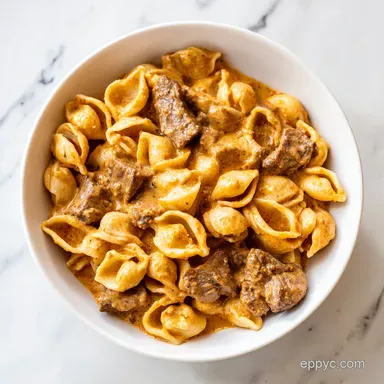
One-Pot Creamy Beef and Shells: Velvety and Rich
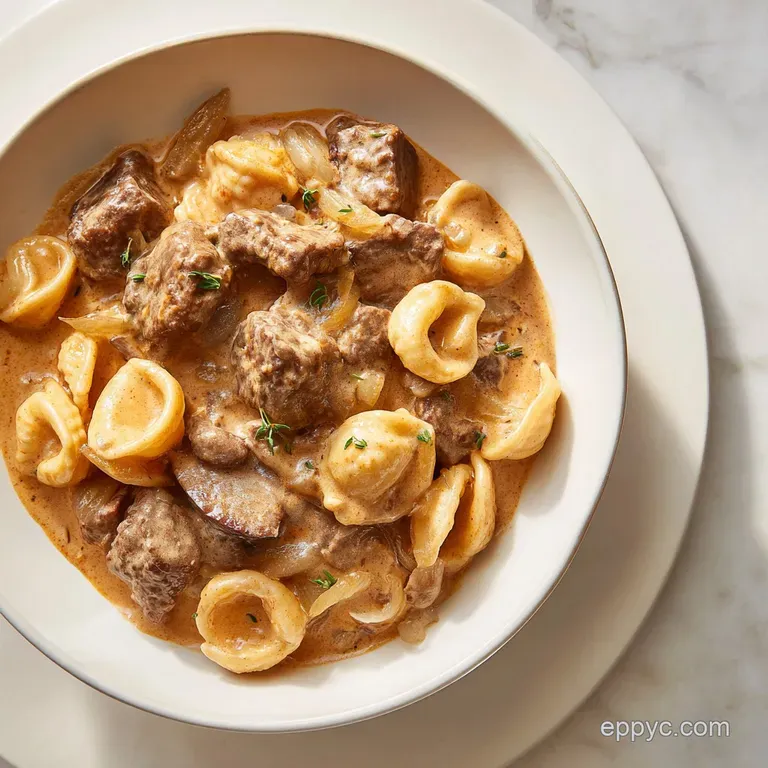
- Time: Active 10 minutes + 20 minutes cooking = Total 30 minutes
- Flavor/Texture Hook: Velvety, cheesy sauce with a deep, savory beef base
- Perfect for: Weeknight dinner, kid friendly meals, budget-friendly comfort
- Creamy Beef and Shells
- The One Thing That Changes Everything
- The Essential Recipe Specs
- The Necessary Kitchen Tools
- Bringing Everything Together
- Avoiding Common Cooking Disasters
- Troubleshooting Common Issues
- Fun Flavor Variations
- Storage and Freshness Guide
- Serving and Pairing Ideas
- Recipe FAQs
- 📝 Recipe Card
Creamy Beef and Shells
The sound of beef hitting a hot pan with a loud sizzle is where this whole meal starts. I remember the first few times I tried making this, and it was a disaster. The pasta ended up as a gummy, overcooked mass, and the sauce had this weird, greasy layer floating on top that just wouldn't mix back in.
It was frustrating because it's supposed to be a simple, comforting meal, not a chemistry experiment gone wrong.
The secret was figuring out the balance between the starch from the pasta and the fats in the dairy. Most recipes tell you to just "add milk," but standard milk often curdles or stays too thin when simmered with acidic tomato paste. Once I switched to evaporated milk, everything clicked.
It doesn't break down under heat, and it creates that glossy, restaurant style finish every single time.
You can expect a meal that feels like a hug in a bowl. This Creamy Beef and Shells is rich and satisfying, but the addition of a tiny bit of lemon juice at the end cuts through the heaviness, making it taste fresh rather than just salty. It's a budget friendly win that doesn't taste like it came from a box.
The One Thing That Changes Everything
The biggest struggle with one pot pasta is the starch. When you cook pasta directly in the sauce, the shells release starch that naturally thickens the liquid. According to Serious Eats, this starch is a tool for emulsification, but if you don't have enough fat or the right kind of liquid, it just turns into a thick, pasty sludge.
Starch Binding: The pasta shells release amylose as they cook, which acts as a thickener for the beef broth and milk.
Dairy Stability: Evaporated milk has less water than regular milk, meaning it won't separate or curdle when exposed to the heat and the slight acidity of the tomato paste.
Fat Integration: Browning the beef until it's mahogany colored creates a base of flavor that bonds with the melted cheddar, preventing that oily separation.
Acid Balancing: A small amount of lemon juice brightens the heavy fats, waking up the taste buds so the dish doesn't feel too weighted down.
If you enjoy this kind of textural balance, you might also like my creamy mac and cheese which uses a similar approach to achieve a silky sauce.
| Feature | Fresh Approach | Shortcut Method | Impact |
|---|---|---|---|
| Cheese | Freshly shredded | Pre shredded bag | Fresh melts smoother; bags have starch that can make sauce grainy |
| Milk | Evaporated milk | Regular whole milk | Evaporated is more stable and creamier |
| Aromatics | Fresh garlic/onion | Garlic powder | Fresh adds depth and a sweet, caramelized note |
The Essential Recipe Specs
Before we jump in, let's look at the core components. This dish relies on the interaction between the lean protein and the creamy base. I use 93% lean beef because too much fat can make the sauce break, but you still want enough to carry the flavor of the smoked paprika.
Precision Checkpoints:
- Beef color: Must be mahogany brown, not grey, before adding onions.
- Simmer time: 10-12 minutes exactly for al dente shells.
- Sauce consistency: Should coat the back of a spoon before adding cheese.
| Ingredient | Science Role | Pro Secret |
|---|---|---|
| Evaporated Milk | Stabilizer | Prevents curdling during the simmer |
| Tomato Paste | Umami base | Fry it with the beef to remove the raw "tinny" taste |
| Medium Shells | Starch source | The hollow center traps the sauce for more flavor per bite |
| Sharp Cheddar | Emulsifier | Use a high fat sharp cheddar for a bolder, more cohesive melt |
The Necessary Kitchen Tools
You don't need a fancy setup for this, but the right pan makes a difference. A deep skillet or a Dutch oven is best. You need high sides to prevent the broth from splashing and enough surface area to brown the beef properly.
I prefer a stainless steel or cast iron pan because they hold heat better. If you use a non stick pan, you might miss out on some of those browned bits (the fond) that stick to the bottom and add so much flavor to the sauce.
A sturdy wooden spoon is also a must for scraping the bottom of the pan during the deglazing step.
Bringing Everything Together
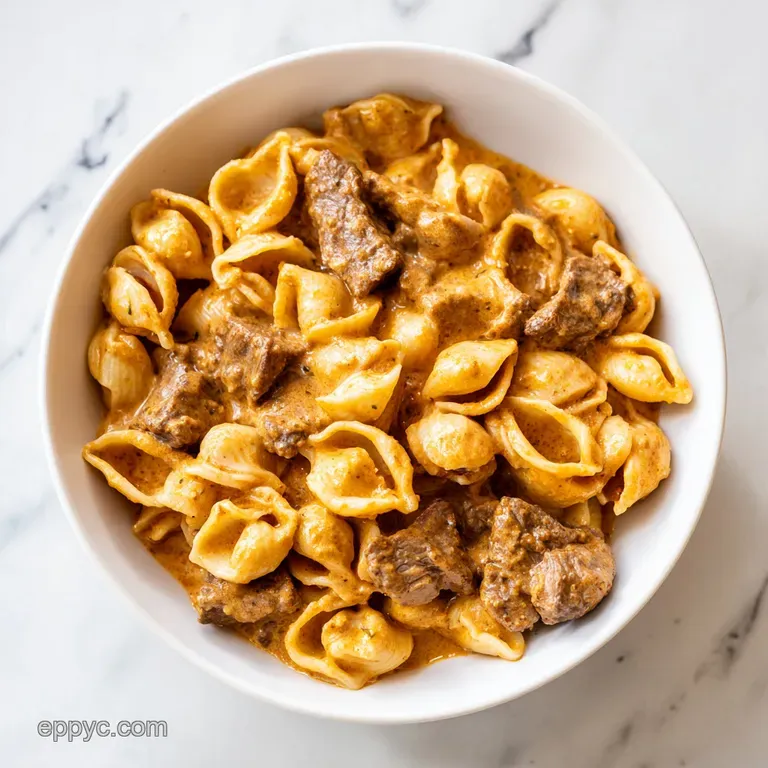
Right then, let's get to the actual cooking. This is where the magic happens. Just remember to keep your heat steady, and don't rush the browning phase.
Ingredients:
- 1 lb lean ground beef (93% lean)Why this? Less grease prevents the sauce from separating
- 1 small yellow onion, finely dicedWhy this? Provides a sweet, aromatic base
- 3 cloves garlic, mincedWhy this? Essential for punchy, savory depth
- 1 tbsp olive oilWhy this? Helps sear beef without sticking
- 2 cups low sodium beef brothWhy this? Adds richness without over salting
- 1 cup evaporated milkWhy this? Ensures a velvety, stable sauce
- 2 cups medium pasta shellsWhy this? Best shape for holding creamy sauces
- 1 tbsp tomato pasteWhy this? Adds color and concentrated umami
- 1 tsp smoked paprikaWhy this? Adds a subtle, woody depth
- ½ tsp onion powderWhy this? Layers in more savory notes
- salt to taste
- black pepper to taste
- 1 ½ cups sharp cheddar cheese, freshly shreddedWhy this? Freshly grated melts much better
- ¼ cup fresh parsley, choppedWhy this? Adds a fresh, green finish
- 1 tsp lemon juiceWhy this? Cuts through the richness of the cheese
Substitution Table:
| Original Ingredient | Substitute | Why It Works |
|---|---|---|
| Evaporated Milk | Heavy Cream | Higher fat, very stable. Note: Makes the dish much heavier |
| Sharp Cheddar | Gruyère | Nuttier flavor and great melt. Note: More expensive option |
| Beef Broth | Chicken Broth | Lighter flavor profile. Note: Less depth than beef broth |
| Medium Shells | Rotini | Similar starch release. Note: Doesn't "scoop" sauce as well |
Instructions:
- Heat olive oil in a large skillet over medium high heat. Add the ground beef and cook, breaking it apart with your spoon, until it is mahogany colored and no longer pink. Note: Let it sear for a minute before stirring to get a better crust.
- Stir in the diced onions and cook for 3 minutes until they are translucent and soft. Add the minced garlic and cook for another 30 seconds until fragrant but not brown.
- Stir in the tomato paste, smoked paprika, and onion powder. Cook for 2 minutes, coating the beef thoroughly until the paste turns a deep brick red.
- Pour in the beef broth and evaporated milk. Bring the mixture to a gentle simmer, scraping the bottom of the pan with your spoon to release the browned beef bits.
- Stir in the dry pasta shells. Cover the pan and simmer on medium low for 10-12 minutes, stirring occasionally, until the pasta is tender and most of the liquid is absorbed. Note: Stirring prevents the shells from sticking to the bottom.
- Remove the pan from the heat. This is critical to prevent the cheese from breaking.
- Fold in the shredded cheddar and lemon juice until the sauce is glossy and melted.
- Garnish with fresh parsley and a final crack of black pepper.
Chef's Tip: To get the beef even more savory, try adding a pinch of espresso powder along with the smoked paprika. It doesn't make it taste like coffee, but it deepens the "meaty" profile of the Creamy Beef and Shells.
Avoiding Common Cooking Disasters
Most problems with this dish happen in the last five minutes. The most common issue is the sauce texture. If you overheat the cheese, the proteins tighten up and push the fat out, leaving you with an oily mess and grainy clumps. Always pull the pan off the burner before the cheese goes in.
Troubleshooting Common Issues
| Issue | Solution |
|---|---|
| Why Your Sauce is Too Thin | This usually happens if the pasta didn't simmer long enough or if the heat was too high, causing the liquid to evaporate too quickly before the starch could thicken it. If it looks like soup, just let |
| Why Your Cheese Became Grainy | This is almost always due to heat. If the sauce is boiling when you add the cheddar, the cheese "breaks." To fix this, you can try stirring in a tablespoon of warm water or milk very quickly, but it's |
| Why the Beef is Grey | If you crowd the pan or use heat that is too low, the beef steams in its own juices instead of searing. This ruins the flavor of the Creamy Beef and Shells. Cook in batches if you're doubling the reci |
Common Mistakes Checklist:
- ✓ Did you brown the beef to mahogany instead of grey?
- ✓ Did you use evaporated milk instead of regular milk?
- ✓ Did you shred the cheese yourself rather than using a bag?
- ✓ Did you remove the pan from the heat before adding the cheddar?
- ✓ Did you scrape the bottom of the pan to get the fond?
Fun Flavor Variations
Once you've mastered the base, you can really play around with this. The beauty of this dish is how well it adapts to what you have in the fridge. If you want something with a bit more punch, try adding some diced jalapeños with the onions.
For a more vegetable heavy version, I love stirring in two handfuls of fresh baby spinach right at the end. The residual heat wilts the spinach perfectly without overcooking it. You could also add frozen peas during the last 3 minutes of the pasta simmer for a pop of color and sweetness.
Decision Shortcut:
- If you want it spicy: Add 1 tsp crushed red pepper flakes with the garlic.
- If you want it heartier: Stir in sautéed mushrooms with the beef.
- If you want it lighter: Use 2% evaporated milk and substitute half the cheese with Parmesan.
For those who love creamy pasta but want a different vibe, you might try a hearty stuffed pepper filling if you're looking for a way to use more ground beef and rice.
Low Carb Swap: You can substitute the pasta shells for cauliflower florets. Note that cauliflower releases more water than pasta, so you'll need to reduce the beef broth by 1 cup and simmer without a lid to let the moisture escape.
Dairy-free Twist: Use full fat coconut milk instead of evaporated milk and a vegan cheddar substitute. The coconut milk provides the necessary stability, though it adds a slight tropical note that pairs well with the smoked paprika.
Storage and Freshness Guide
Creamy Beef and Shells is actually pretty great the next day, but it does get thicker in the fridge. This is because the pasta continues to absorb the sauce even after it has cooled down. According to the USDA FoodData, cooked ground beef stays safe in the fridge for 3-4 days.
Store the leftovers in an airtight container in the refrigerator. I recommend leaving a little extra room in the container so the pasta doesn't get crushed, which can lead to a mushy texture.
Reheating Tips: Don't use the microwave on high for a long time, or you'll break the cheese sauce. Instead, add a splash of milk or beef broth to the bowl and heat it in 30 second bursts, stirring in between. This re emulsifies the sauce and brings back that velvety feel.
Freezing Guidelines: I generally don't recommend freezing this dish because the dairy and the pasta can change texture, becoming grainy or soft. However, if you must, freeze it for up to 2 months. Thaw it completely in the fridge before reheating on the stovetop over low heat.
Zero Waste Ideas: If you have leftover beef broth or onion scraps, don't toss them. Use your onion skins and beef drippings to start a small batch of homemade stock. If you have a bit of leftover sauce but no pasta, it makes an incredible base for a quick beefy dip for toasted baguette slices, similar to how I handle leftovers from a classic beef stew.
Serving and Pairing Ideas
Since this dish is so rich, you need something to cut through the creaminess. A simple side salad with a sharp vinaigrette is the best bet. The acidity of the vinegar balances the heavy cheddar and beef.
I also love serving this with a side of roasted broccoli or sautéed kale. The bitterness of the greens provides a great contrast to the savory, velvety sauce of the shells. If you're feeling extra indulgent, a piece of toasted sourdough rubbed with a raw garlic clove is the perfect vessel for scooping up any extra sauce.
Pairing Suggestions:
- The Crisp Balance: A garden salad with lemon tahini dressing.
- The Fresh Contrast: Steamed asparagus with a squeeze of lime.
- The Comfort Combo: Garlic knots or a warm baguette.
Right then, that's the secret to a foolproof Creamy Beef and Shells. It's all about managing that starch and keeping your heat in check when the cheese hits the pan. Once you get that mahogany sear on the beef and the glossy finish on the sauce, you'll never go back to the boxed stuff.
Trust me on this, your family will think you spent hours on it, even though it only took 30 minutes. Happy cooking!
Recipe FAQs
Can I use a different fat percentage for the ground beef?
Yes, but lean is recommended. Using meat fattier than 93% lean will leave an oily residue on the sauce, so be sure to drain excess grease before adding the onions.
Why is my sauce too thin?
The pasta likely didn't simmer long enough. Ensure the pan is covered and simmers for 10 12 minutes so the shells can release enough starch to thicken the liquid.
Why did the cheddar cheese become grainy?
The sauce was boiling when the cheese was added. To keep the sauce glossy, always remove the pan from the heat before folding in the shredded cheddar.
Is it true that ground beef should be grey when fully cooked?
No, this is a common misconception. Beef should be mahogany colored; grey meat usually indicates the pan was crowded, which steams the beef instead of searing it.
How to reheat leftovers without them getting mushy?
Add a splash of beef broth and heat gently. Avoid using the microwave on high for long periods, as the pasta continues to absorb liquid and can overcook.
How to brown the beef for the best flavor?
Heat olive oil over medium high heat first. Cook the beef, breaking it apart with a spoon, until it reaches a deep mahogany color and is no longer pink.
What sides pair best with this dish?
A crisp green salad or roasted vegetables provide a great balance. If you enjoyed the rich, savory profile of this meal, you might also like the bold flavors in our creamy party gold dip.
Creamy Beef And Shells